
Cruising Kerala’s Backwaters
My Final Farewell To India
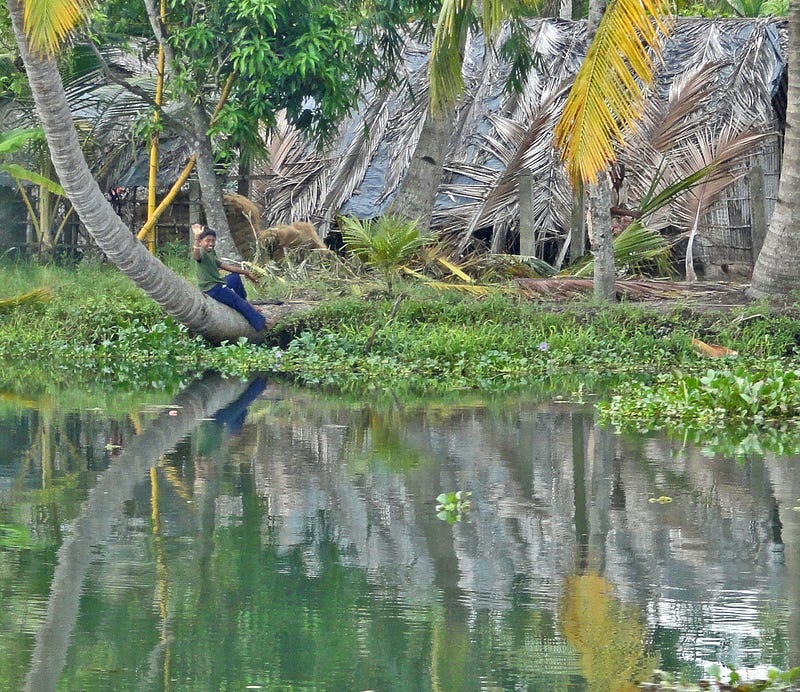
Even before I got to India I was told to make sure I visited Kerala’s Backwaters. A network of lakes, rivers, streams, and canals are all interconnected (think Florida Everglades, “same, same but different”).
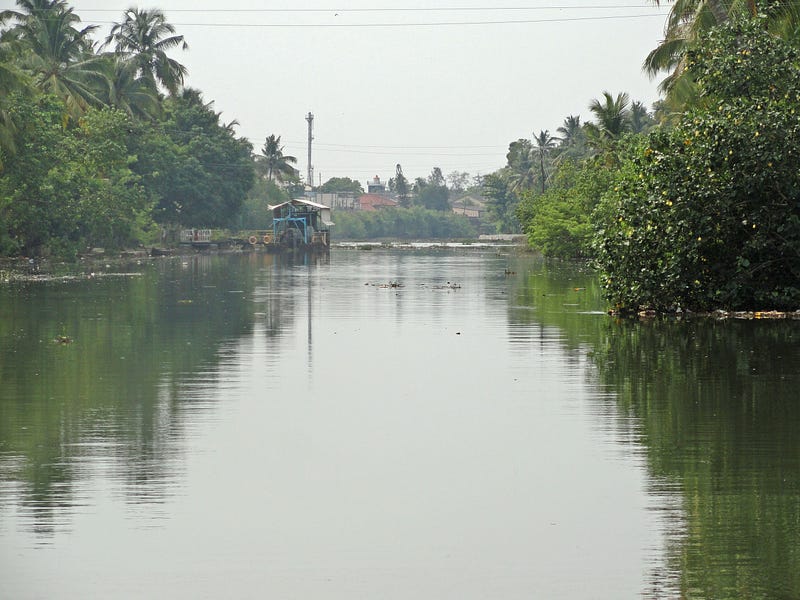
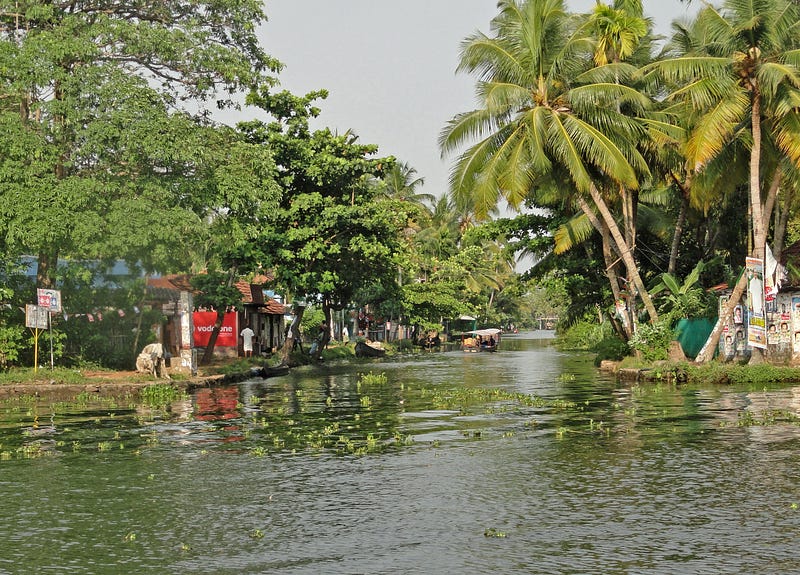
Previous visitors, websites, and tour guidebooks all told me it would be a highlight of any trip to India… and they weren’t exaggerating. There are a series of small but colorful villages surrounded by lush palm-fringed tropical jungle.
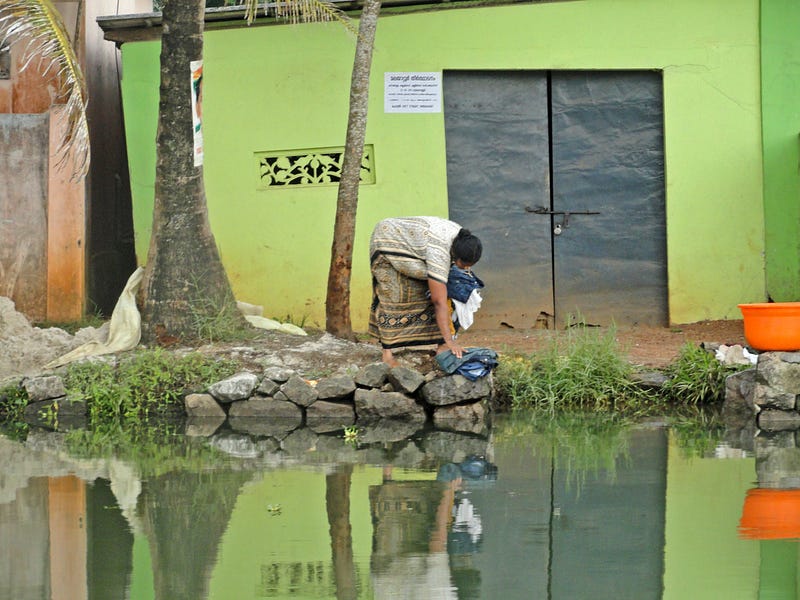
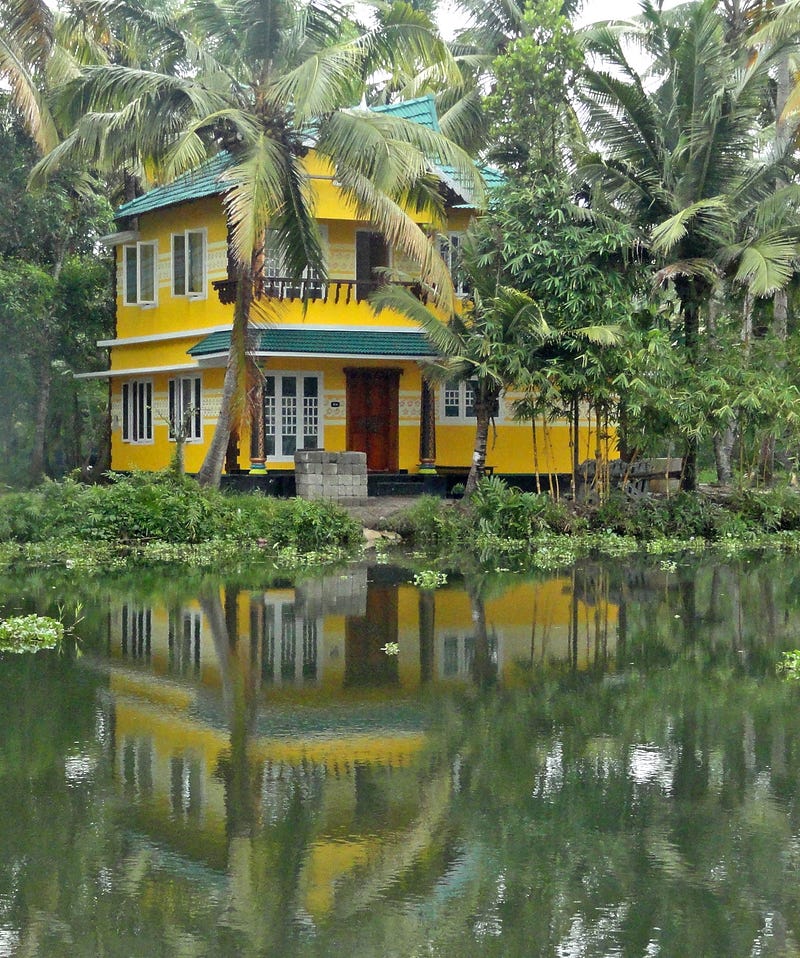
I decided to book a private houseboat through Southern Backwaters for a 2-day 2-night journey from Kollam (about 90 minutes outside Kerala’s capital of Trivandrum) to the village Thanneermukkom (about an hour outside Kochi City)… and it was everything I could have dreamed of.
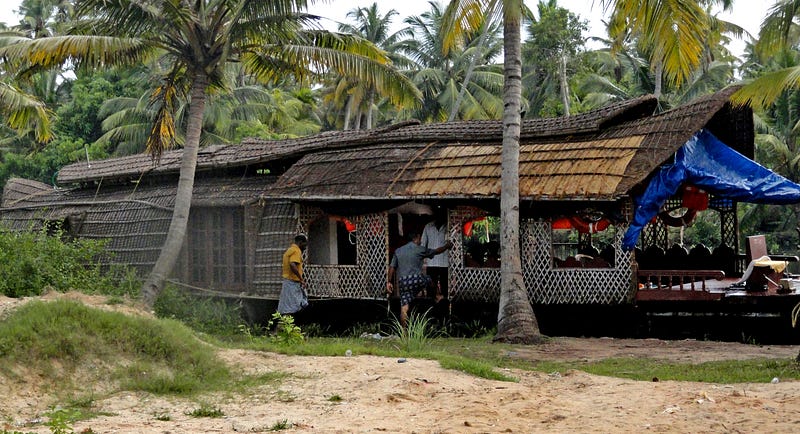
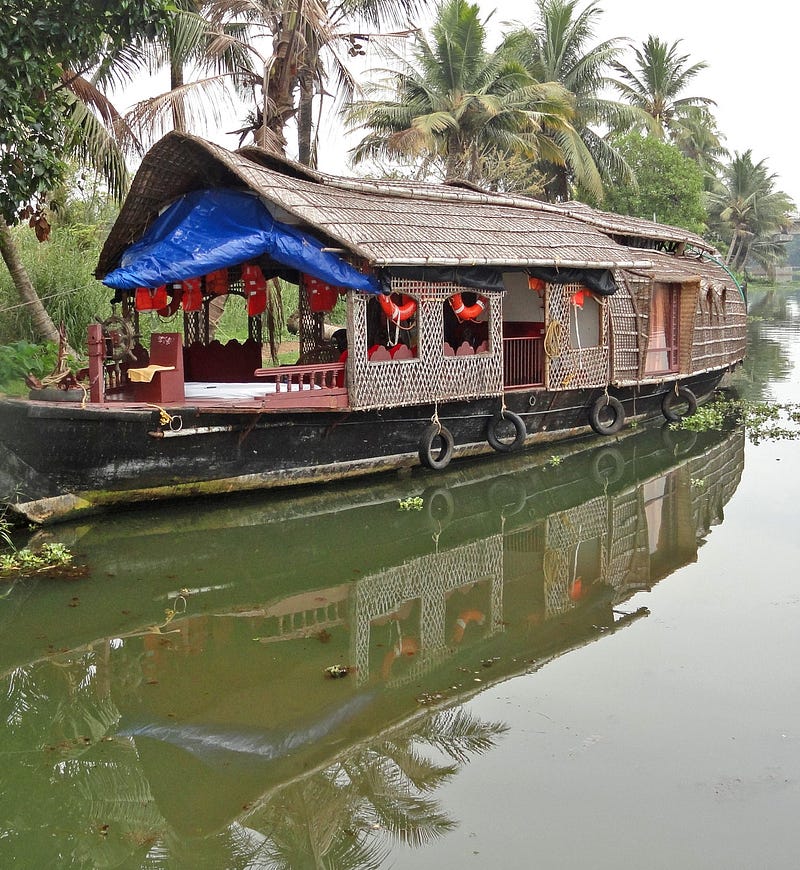
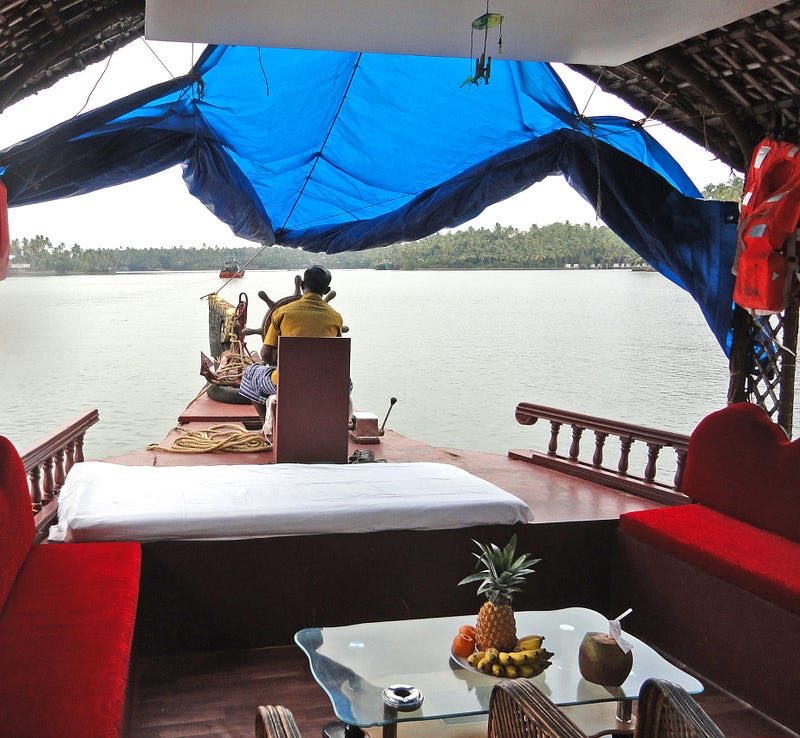
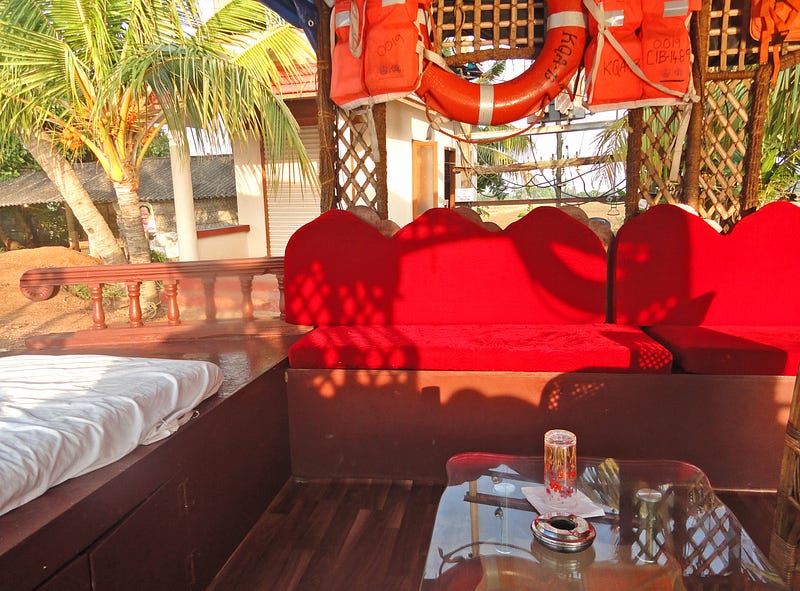
The houseboats, or Kettuvallam, have been converted from former rice barges. Someone had an idea to convert one of them into a houseboat for tourists and now there are about 500 of them cruising the Backwaters.
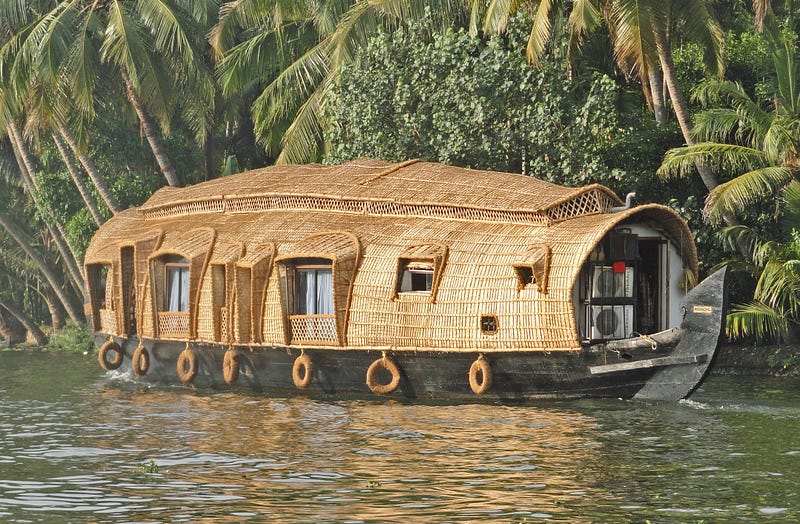
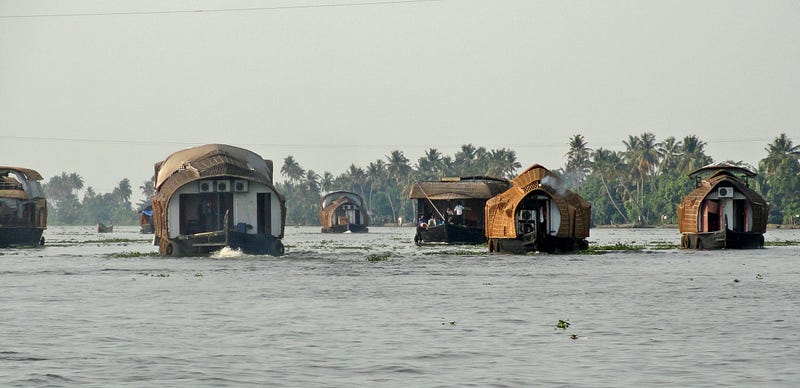
The scenery through the backwaters is spectacular, transitioning from a narrow river surrounded by tropical forest, to large open-water lakes. There are a few locations where I saw several houseboats but for the most part, I felt like I was on the only one.
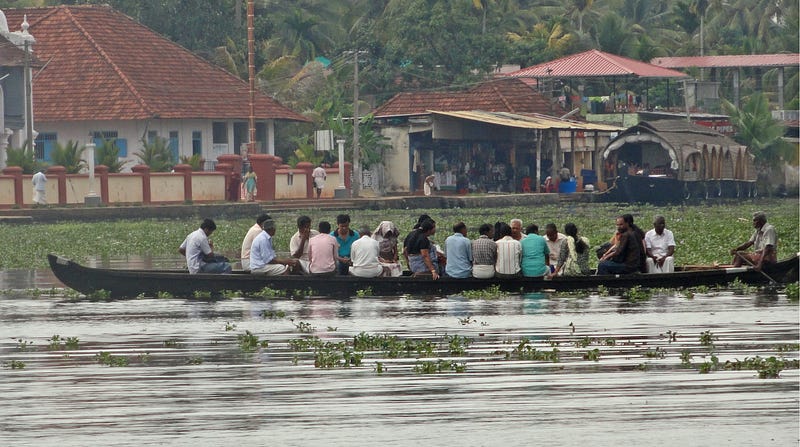
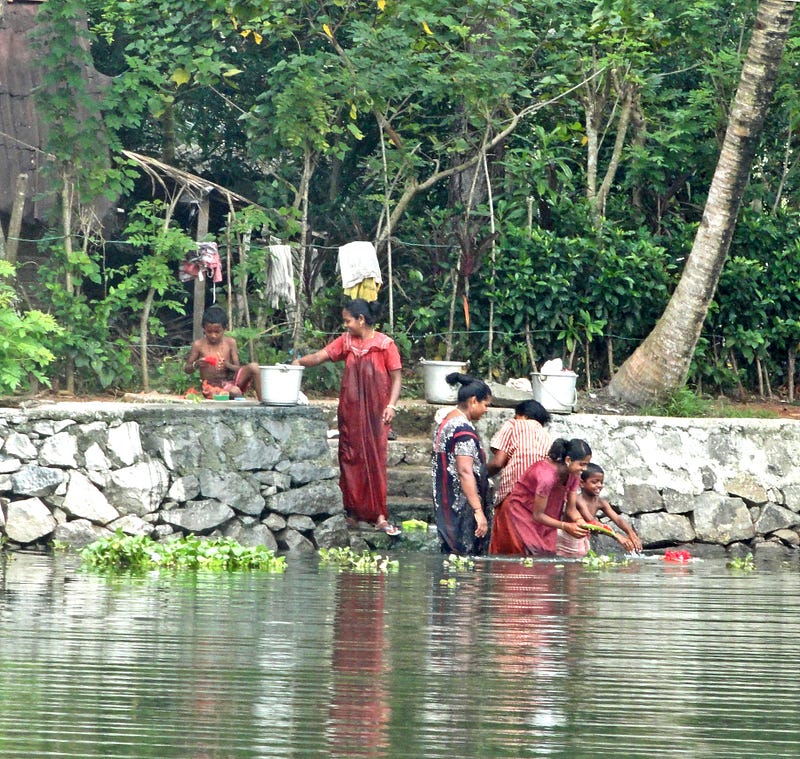
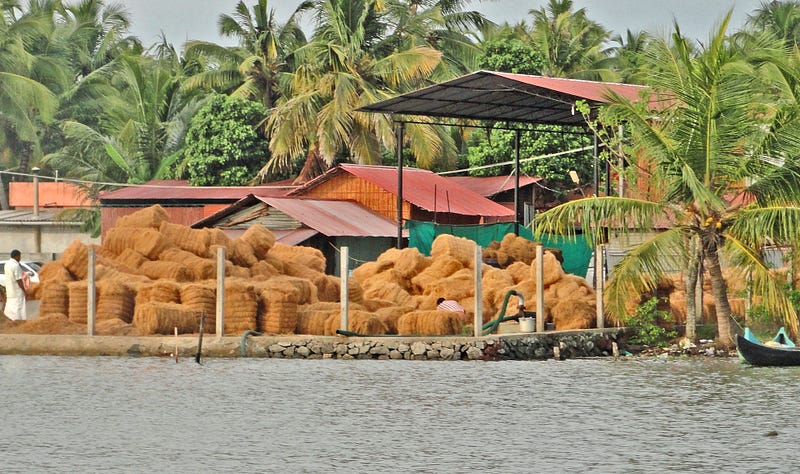
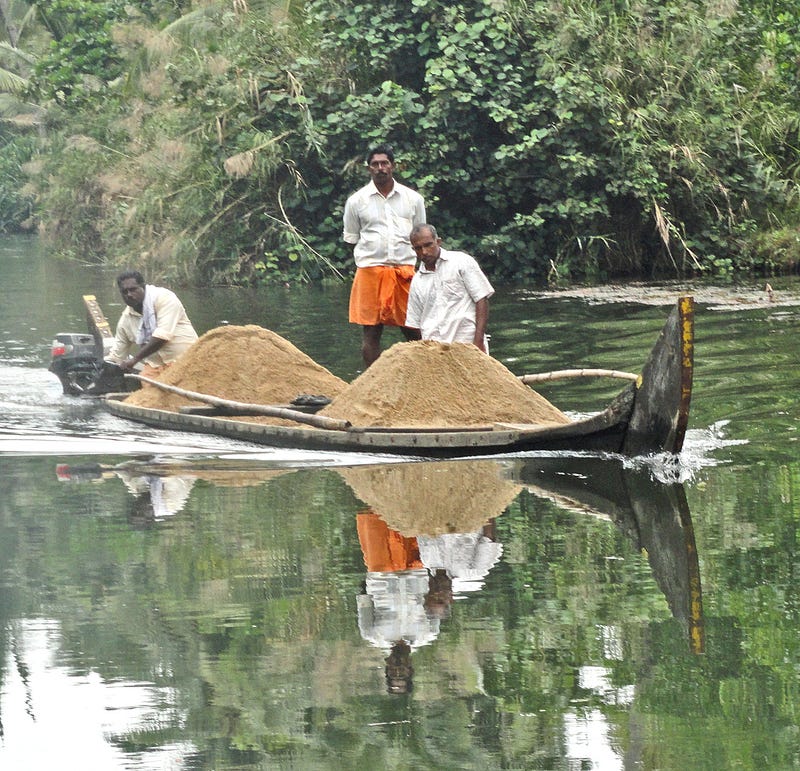
Most of the towns and villages scattered along the route are sustained by fishing and agriculture (mainly coconuts, coir or coconut fiber, and rice) and of course tourism. I saw several boats being moved along the river, carrying big loads of coir to be used in doormats, brushes, mattresses, etc.
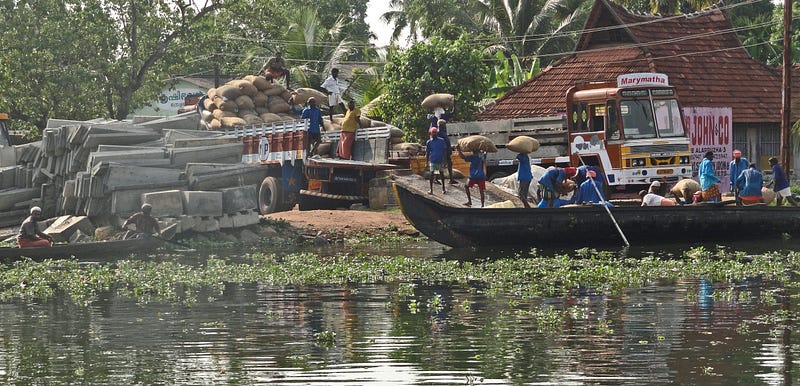
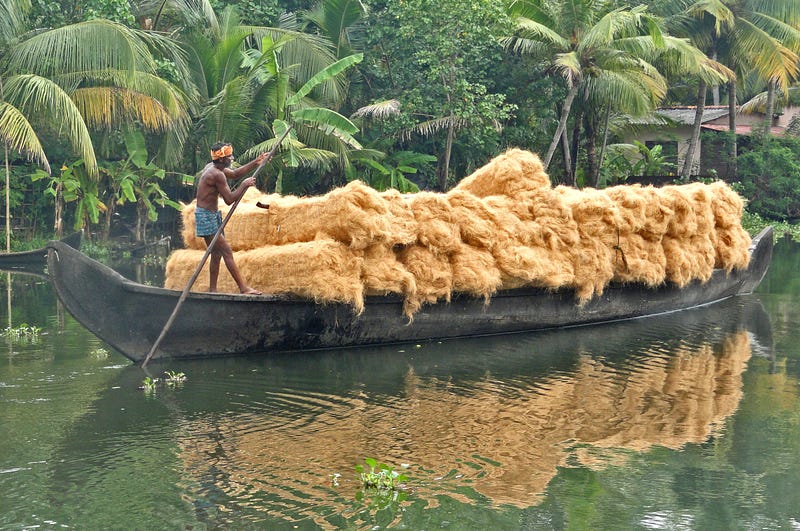
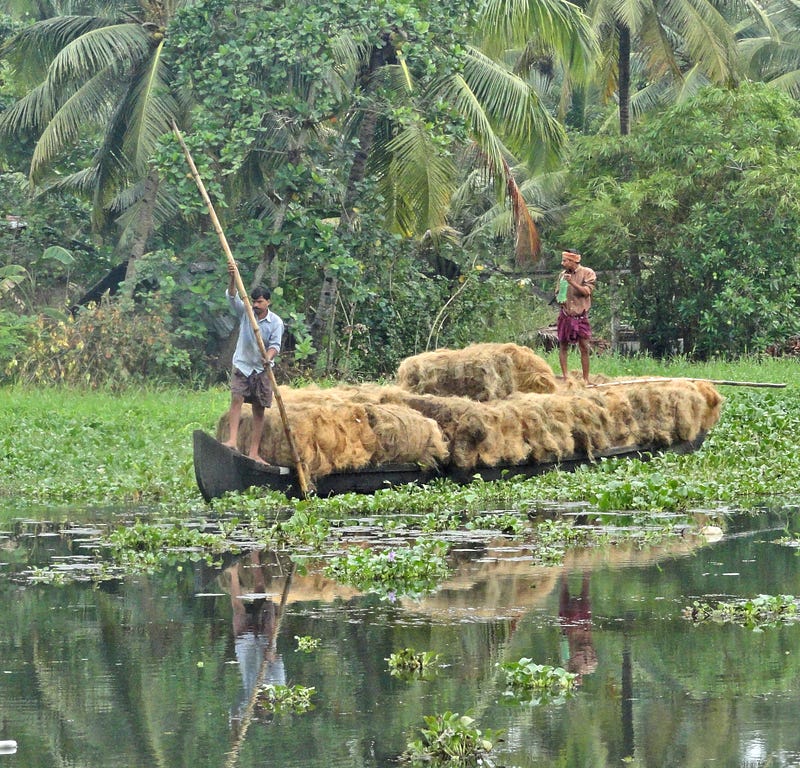
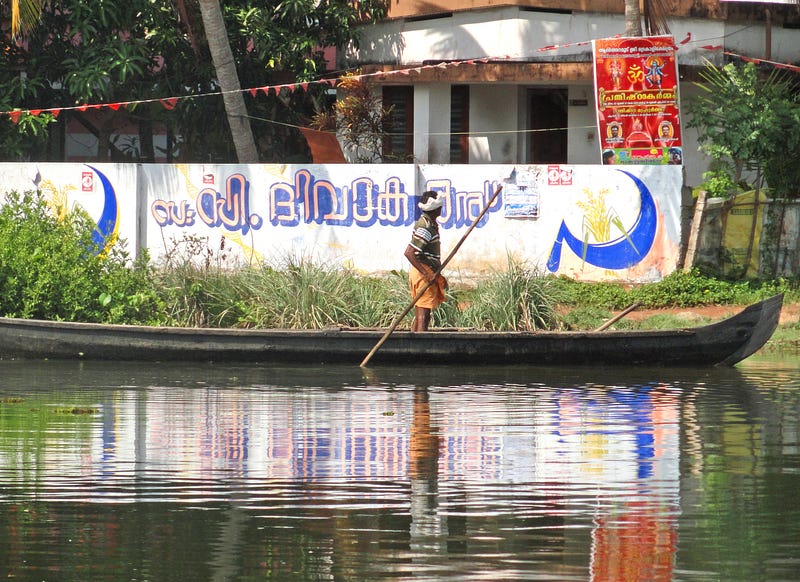
Usually, these weighed-down barges were being pushed along by huge bamboo poles that were driven to the bottom of the river and then used as leverage to propel the boat. That’s also how canoes operated as ferries, carrying passengers (sometimes overloaded) and their cargo (I saw more than one motorcycle straddling the small canoe) from one side of the river to the other.
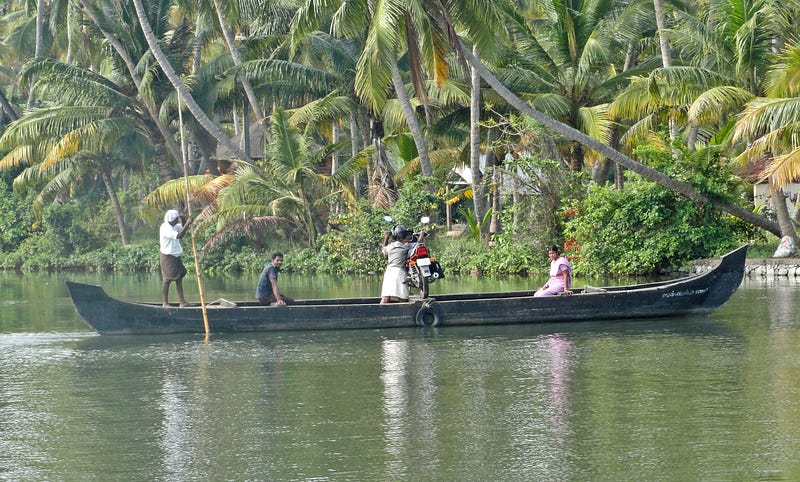
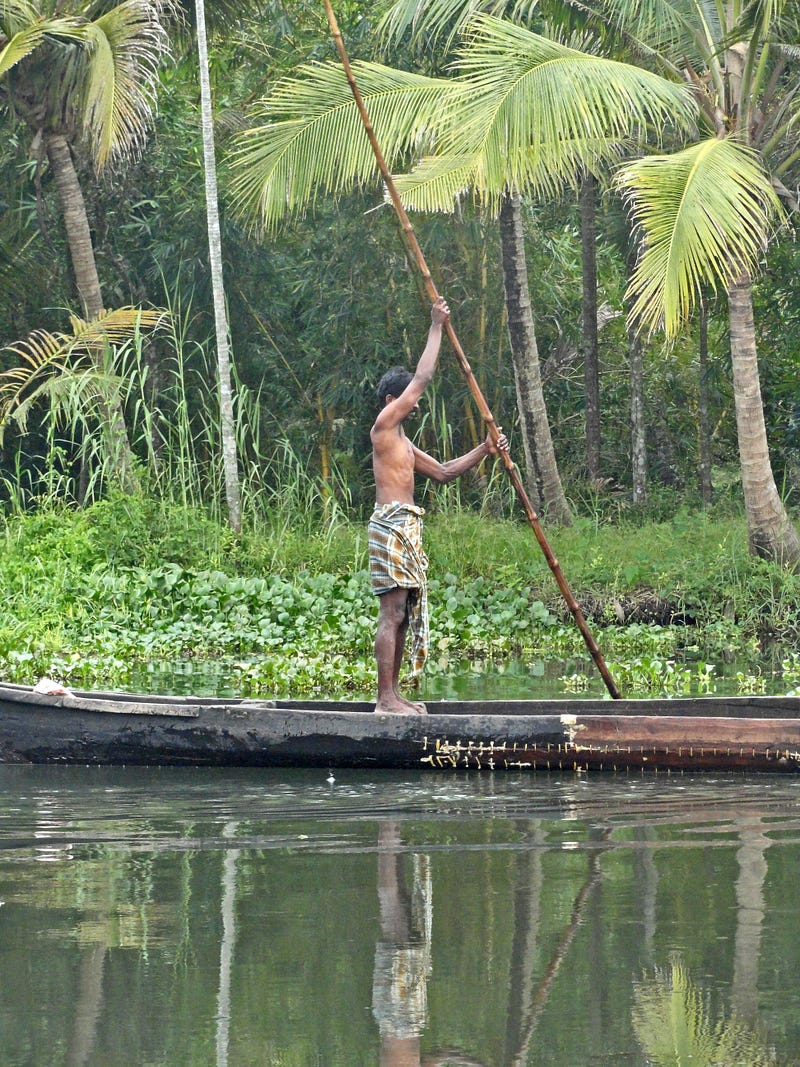
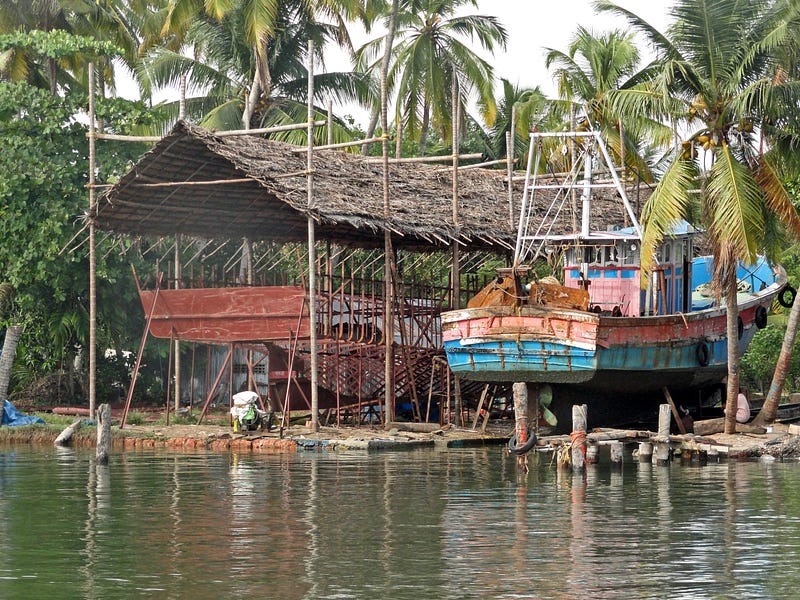
The fishermen typically go out on small canoes made from hollowed out trees or they use sails made from pieces of plastic sewn together. There are also large brightly colored fishing boats working along the rivers and lakes.
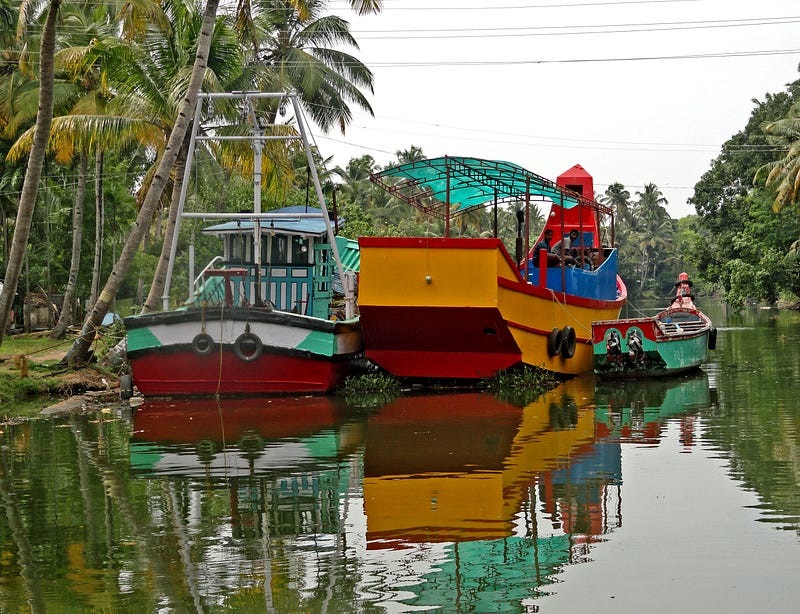
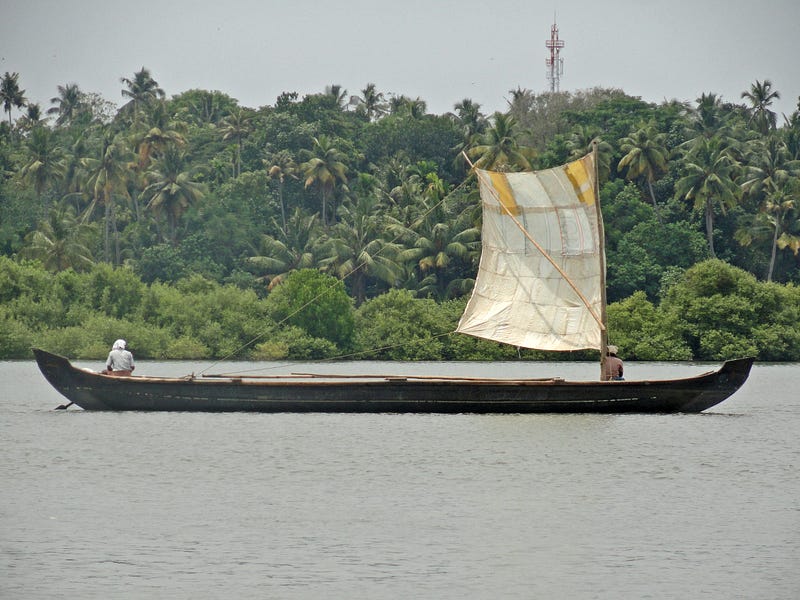
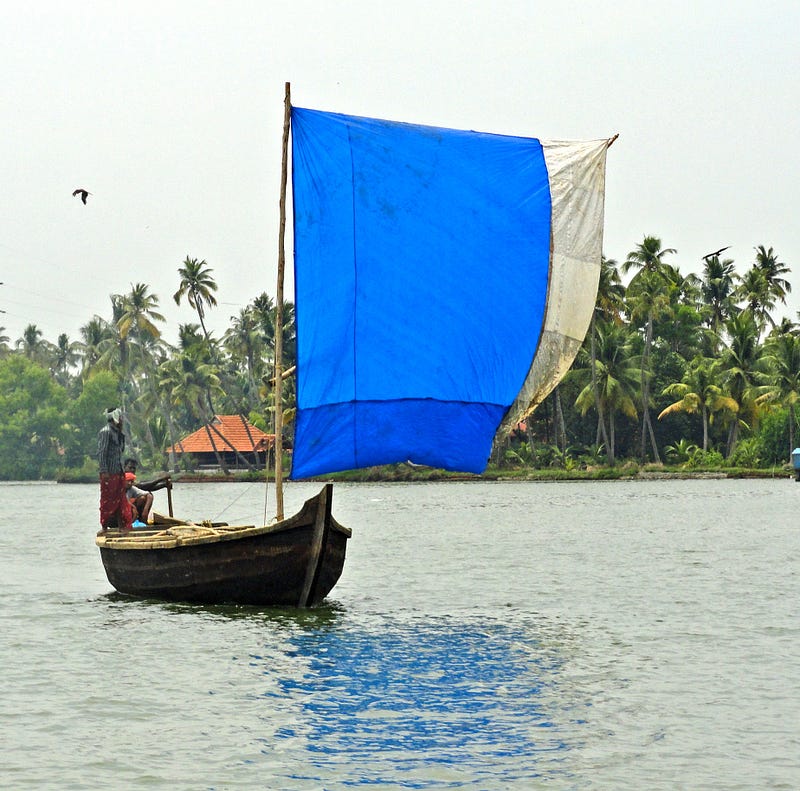
When the fishing boats collected their haul for the day, they would pull up to giant hoists set up along the river to lift their catch out of the water. They were also used for huge fishing nets set up along the shore to dip into the water and scoop up huge amounts of fish at one time.
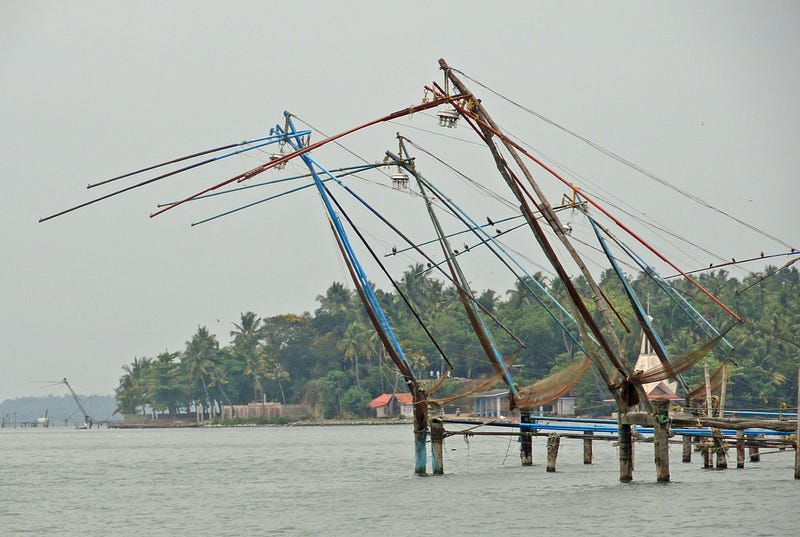
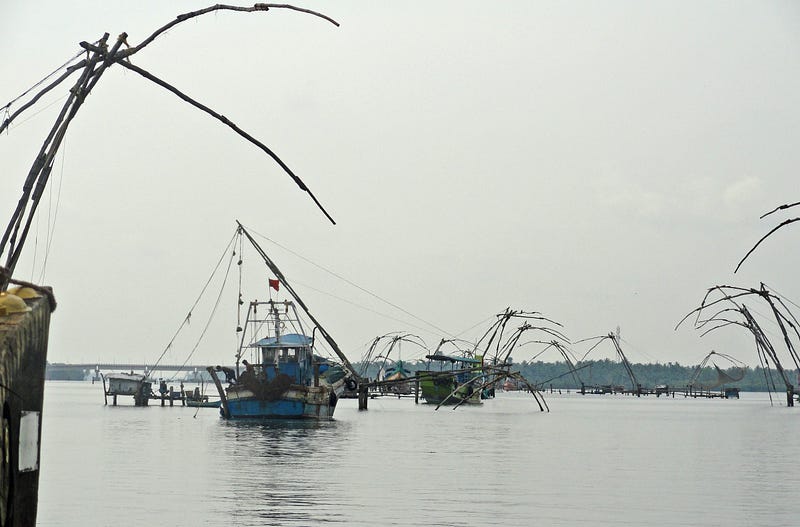
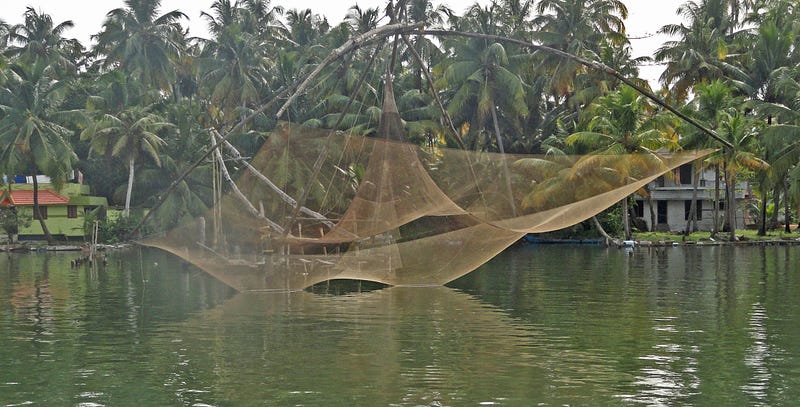
The waterways were as calm as glass with the palm trees, bridges and boats reflected on the surface.
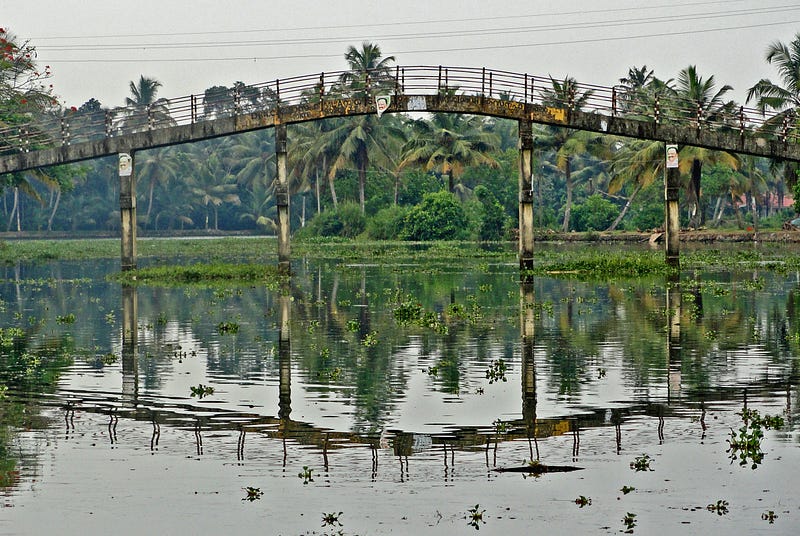
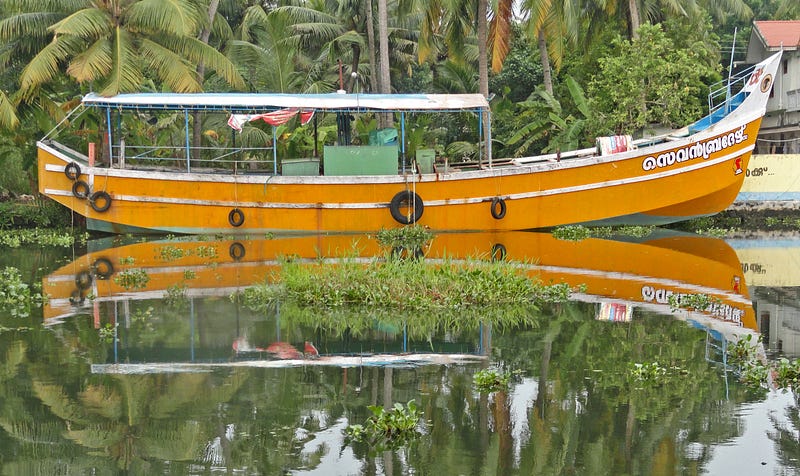
You would think that spending several hours a day just floating down the river would be tedious and boring, but you’d be wrong. I brought along books to read and a few other things I thought I might need to pass the time. But I didn’t look at any of it.
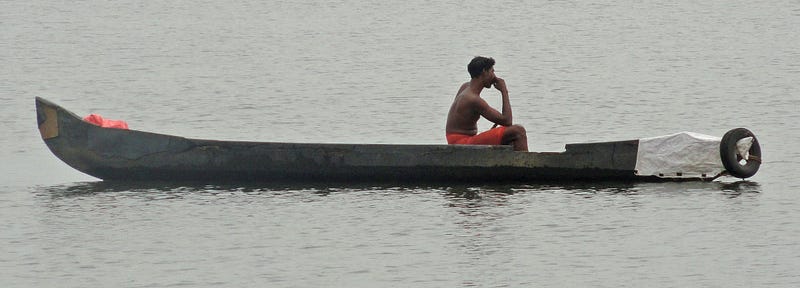
I knew that this was a once-in-a-lifetime experience and I didn’t want to miss a minute of it. I thought the Andaman Islands were relaxing, but Kerala’s backwaters took it to a whole other level. I found it almost Zen-like to cruise down the river, laid out on the luxurious velvet seating or on the mattress on the front deck; sipping coconut water and watching the world go by.
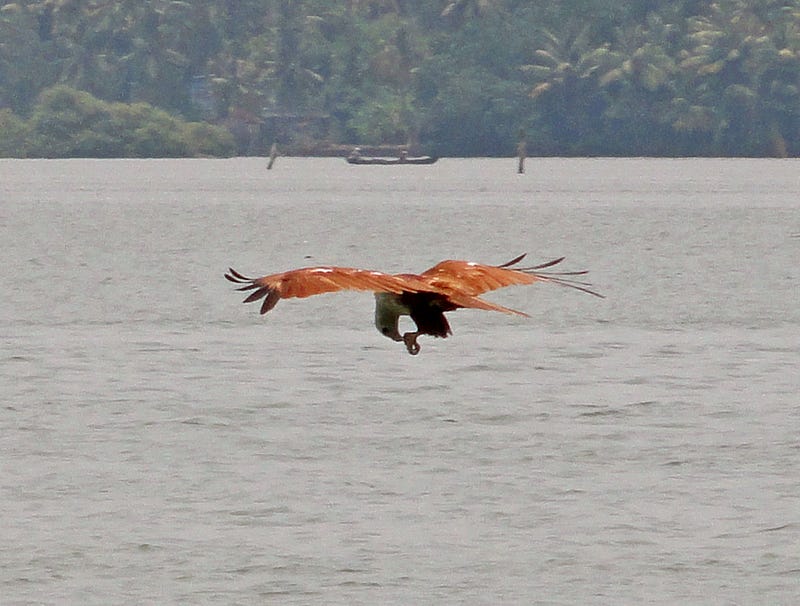
Occasionally fish would jump out of the water bouncing across its’ surface. And I was in awe of the beautiful birds that followed us. I certainly don’t consider myself a birdwatcher, I can’t even tell the difference between a sparrow and a swallow. But with the help of the boat captain, I saw majestic orange-winged Eagles dive into the water and emerge moments later clutching a small fish in their talons. I saw dozens of them, sometimes perched on boat poles. and not just one or two but dozens of them, sometimes perched on the wood posts that boats can be tethered to.
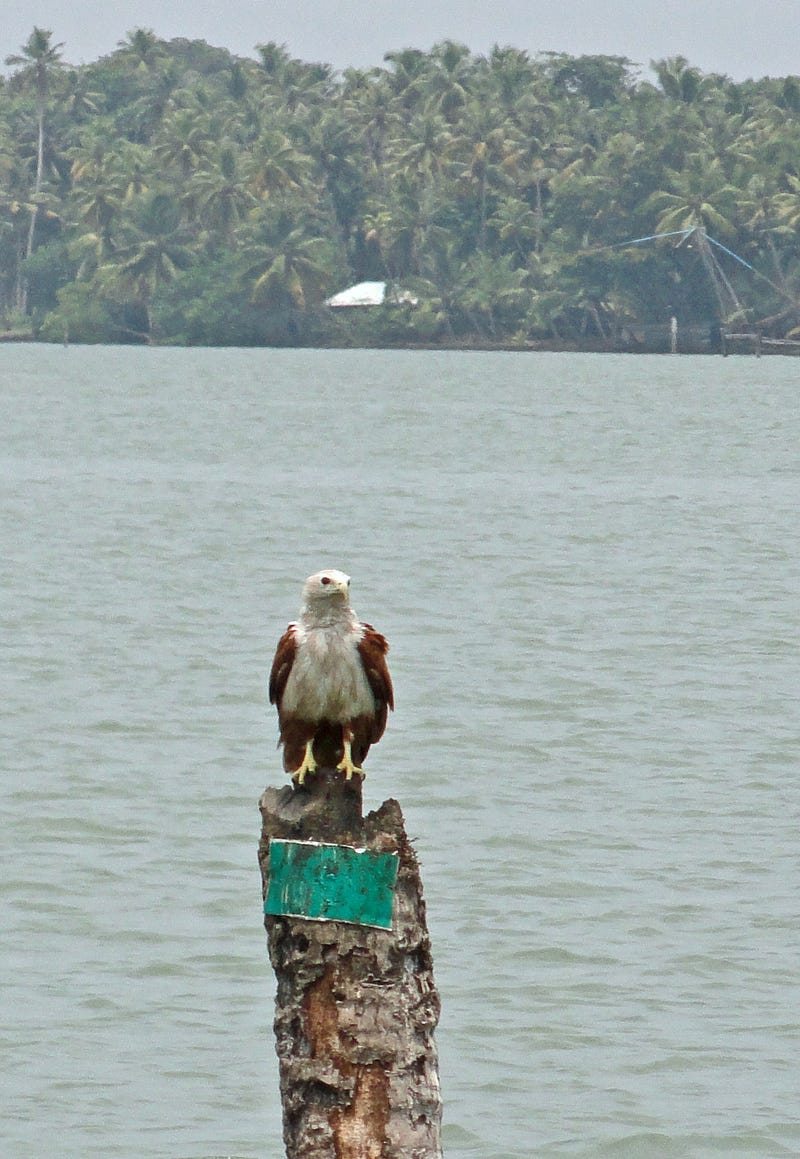
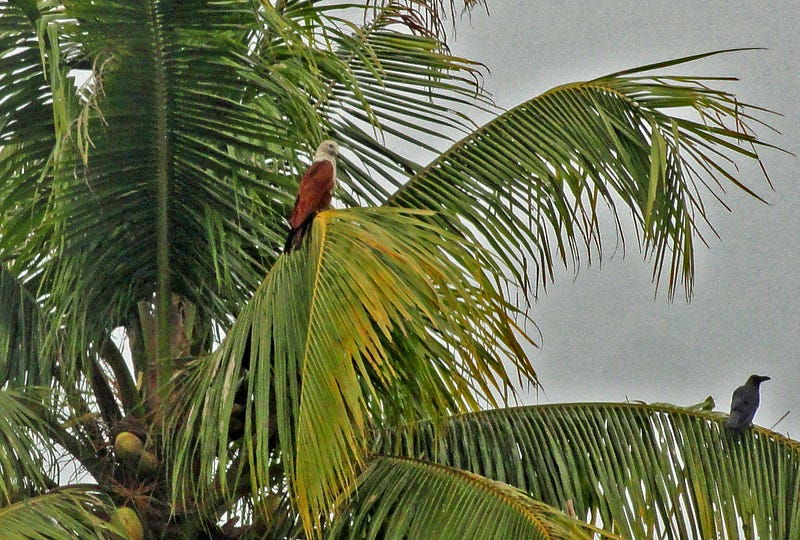
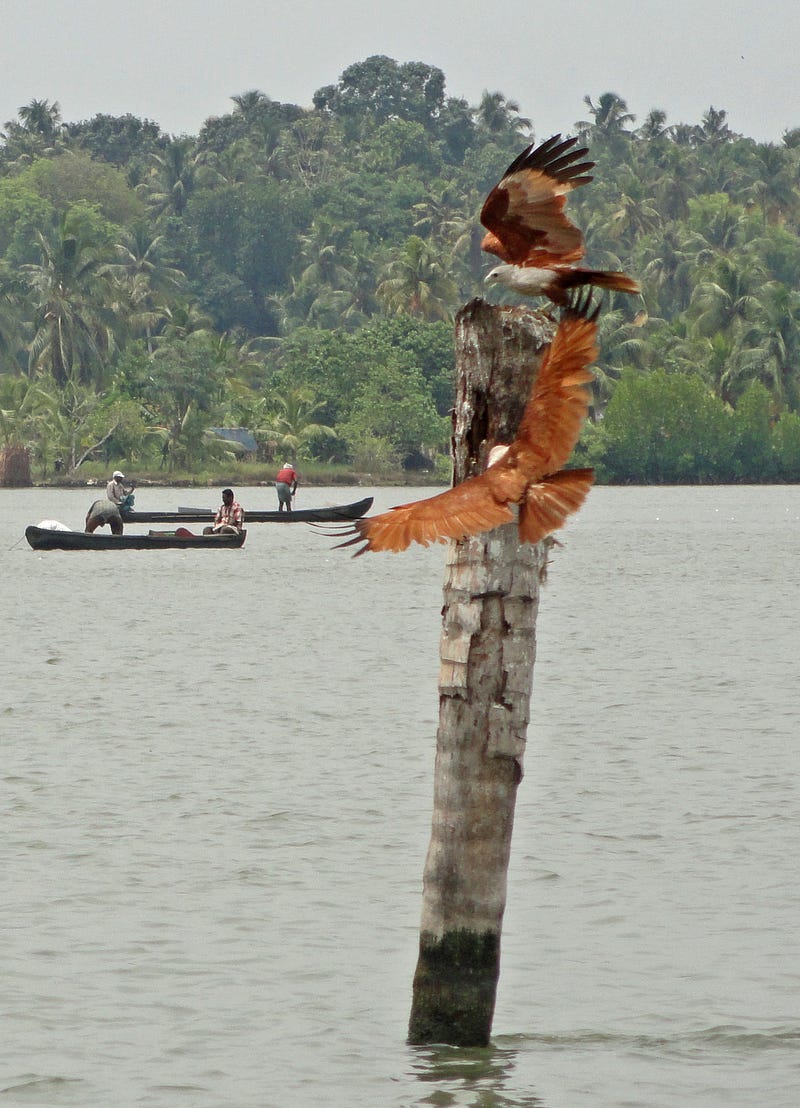
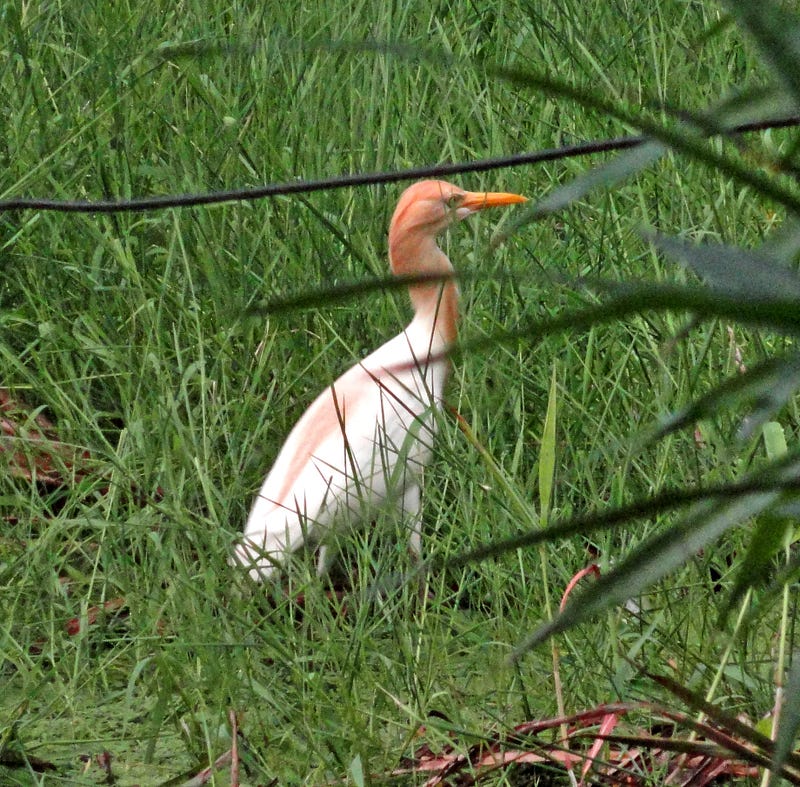
There were also long-necked Ibis and Egrets, beautifully colored Kingfishers, green parrots, and mynah birds (the crew knew their birds!) Even when I didn’t see them flying overhead or perched on branches or in the water, I could hear their calls echoing across the waterways.
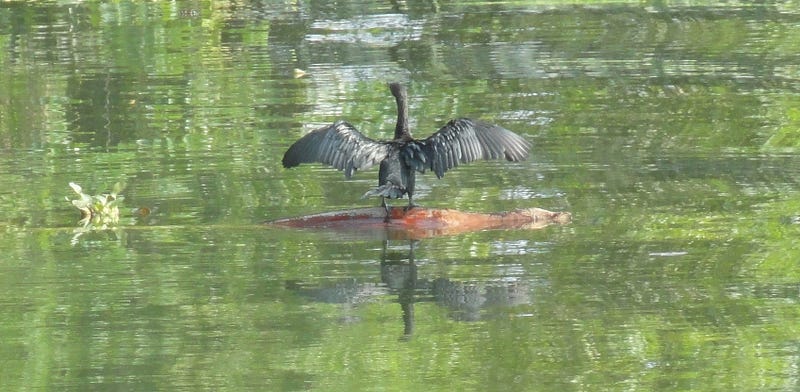
Part of the Backwaters are surrounded by dense tropical forest on one side and only a narrow strip of land separating the freshwater river from the saltwater of the Arabian Sea on the other side.
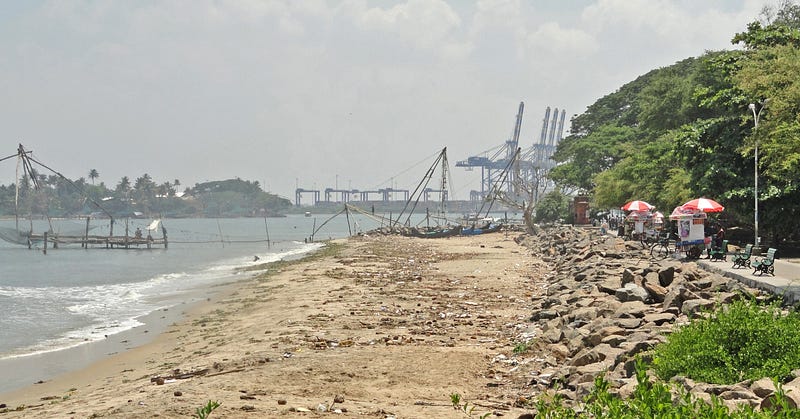
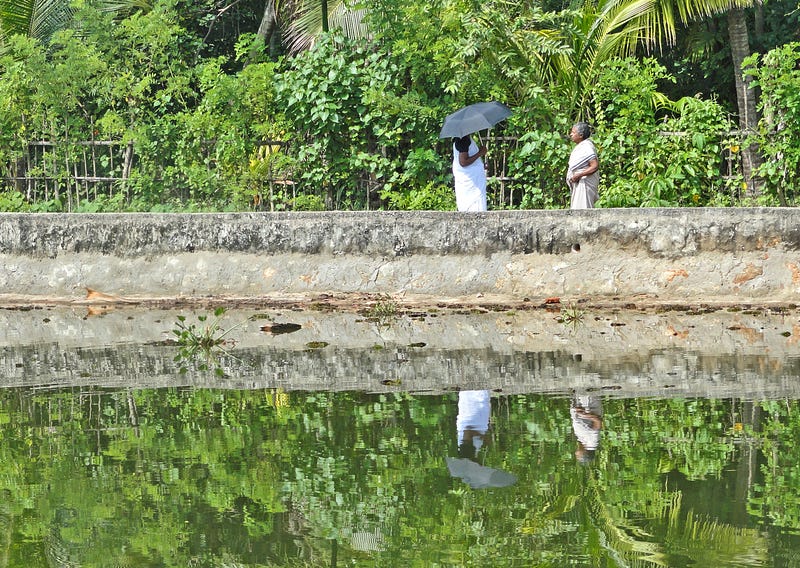
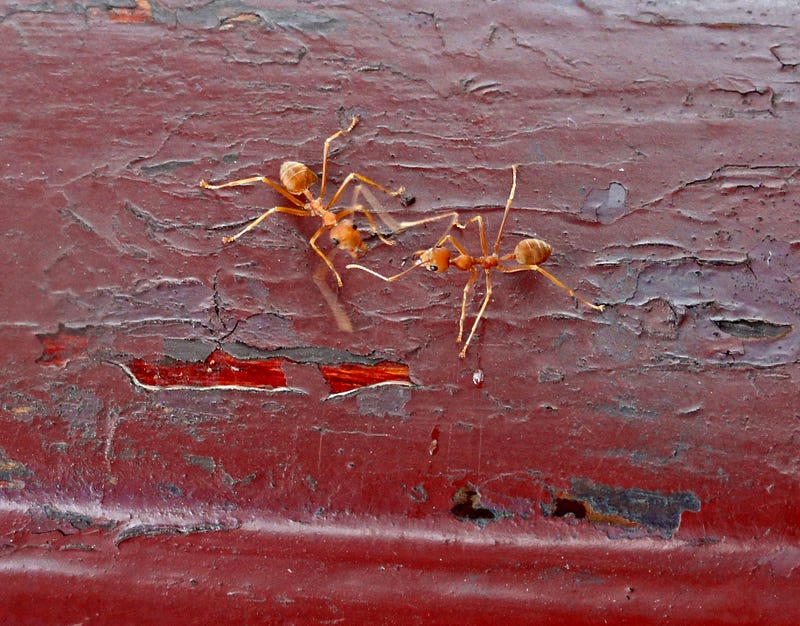
We made a few stops along the way, to check out villages and tourist sites and sometimes just to stop for lunch. At one rest stop we hopped off the boat and I started walking around and suddenly felt my legs crawling with bugs. They were large red ants that were almost impossible to remove. When I tried to flick them off they would stick to my hand. I quickly ran back to the boat and managed to get them off me, but for hours I kept feeling like bugs were crawling all over me. Creepy!
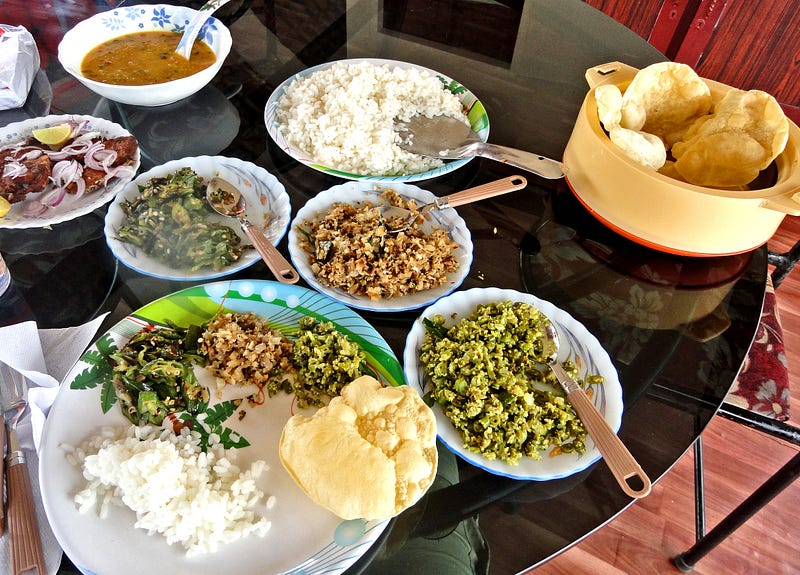
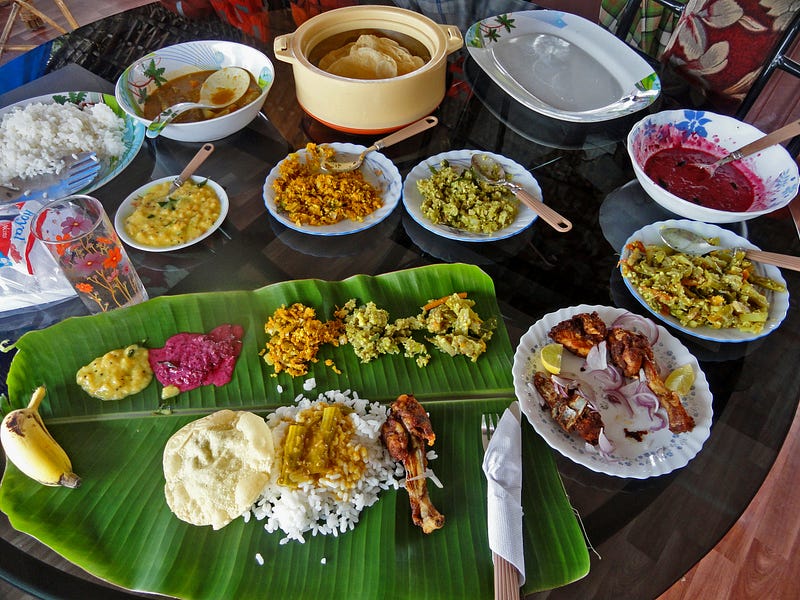
The food on board the boat was unexpected… cooked fresh for every meal, everything from banana fritters for afternoon tea to moderately spiced fish curry for lunch or dinner. It was better than the food I have eaten in many restaurants around the world and the servings were massive.
Something I didn’t expect to see in Kerala is the large number of catholic churches. They were first set up predominantly for the Portuguese settlers that began a mass migration to the area in the 14th and 15th centuries.
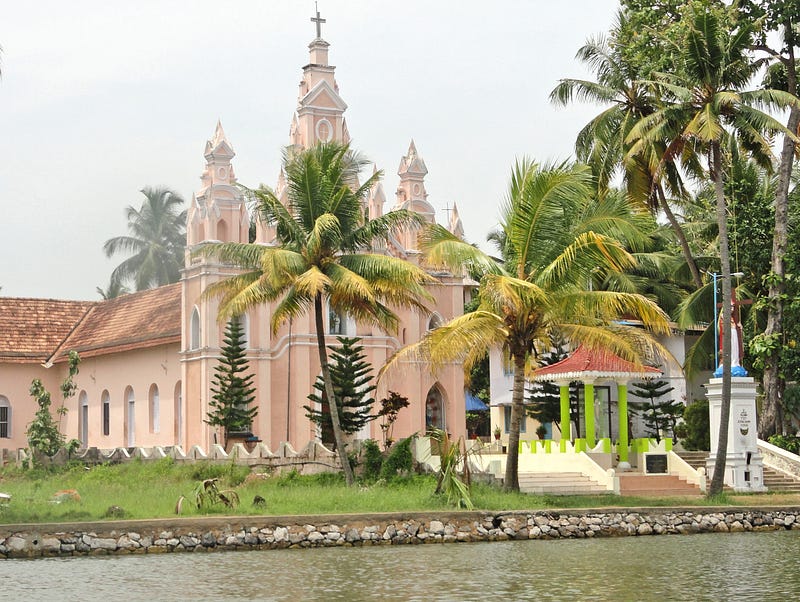
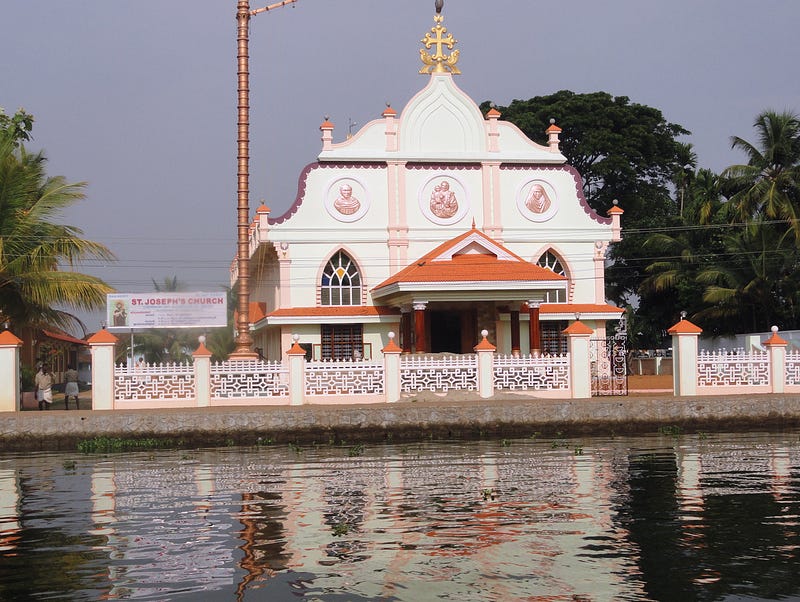
We saw several along the waterways and stopped at St. Mary’s Syrian Catholic Church in Champakulam, one of the oldest churches in South India.
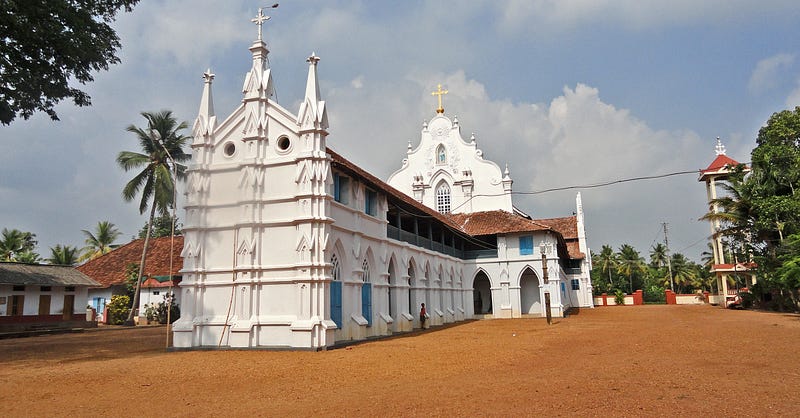
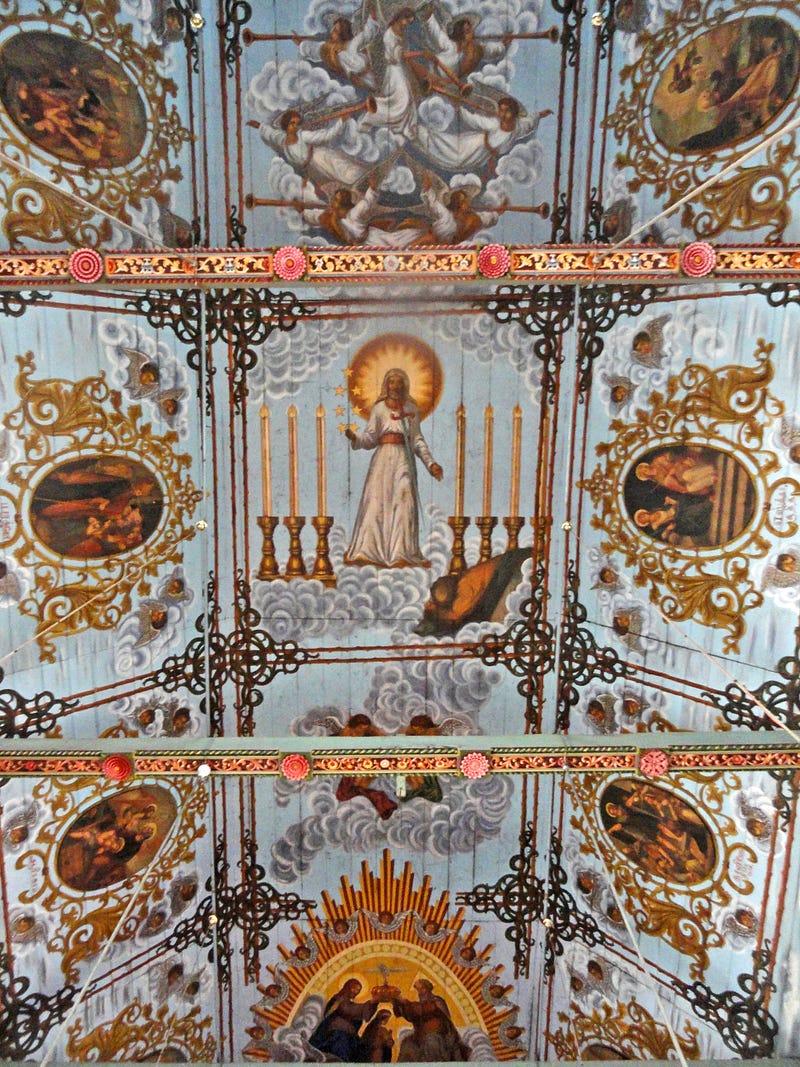
The site was consecrated in 427AD making it more than 1500 years old, the current church on the site is 250 years old and has beautiful artwork all throughout the Basilica including the ceilings, originally painted by two Tamil artists from Sri Lanka.
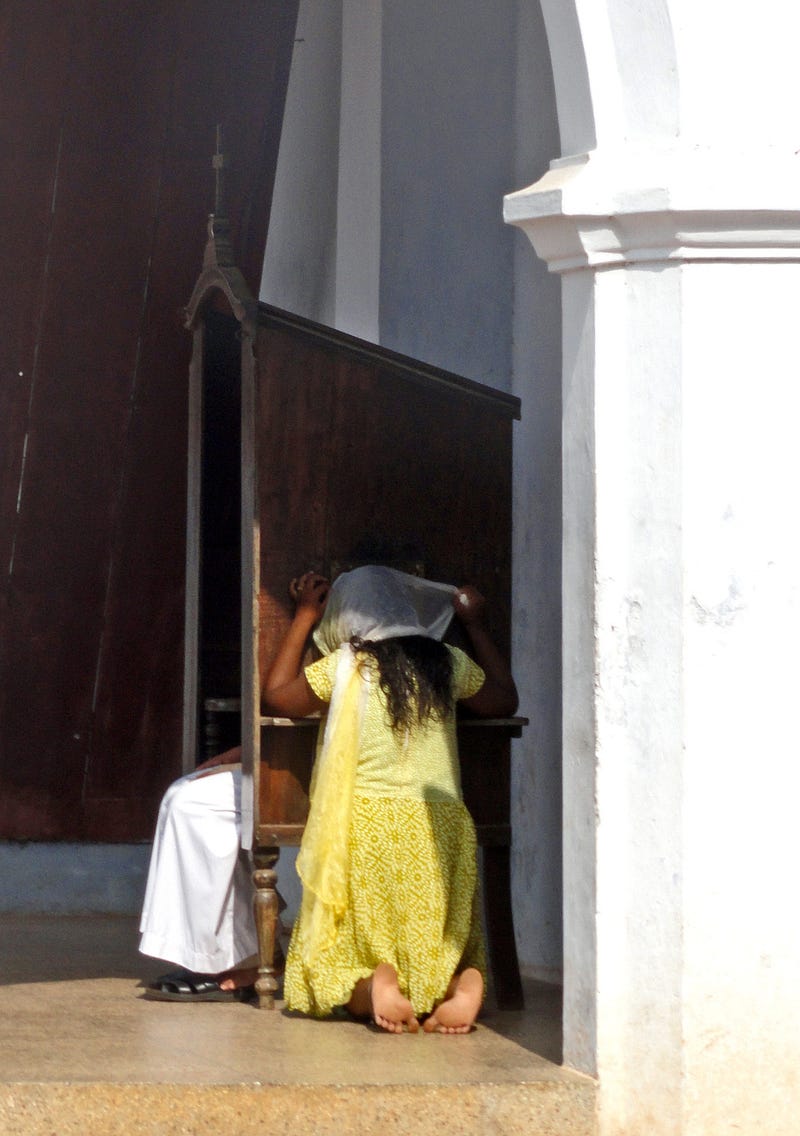
The confessional was actually set up outside the church. People would line up and get down on their knees in front of the confessional with the priest on the other side of the screen, but it was all open to anyone who walked by.
We docked outside the city of Alleppey, where a Hindu festival was underway at a nearby temple. After sunset, we heard the music getting louder and suddenly brightly lit boats sailed past, blasting their music, with people and huge marionettes dancing to the beat.
I hated for the journey to end and sat on the front deck for the two hour ride across Vambinardi Lake on the last morning. Watching the fishermen beginning their day at the break of dawn.
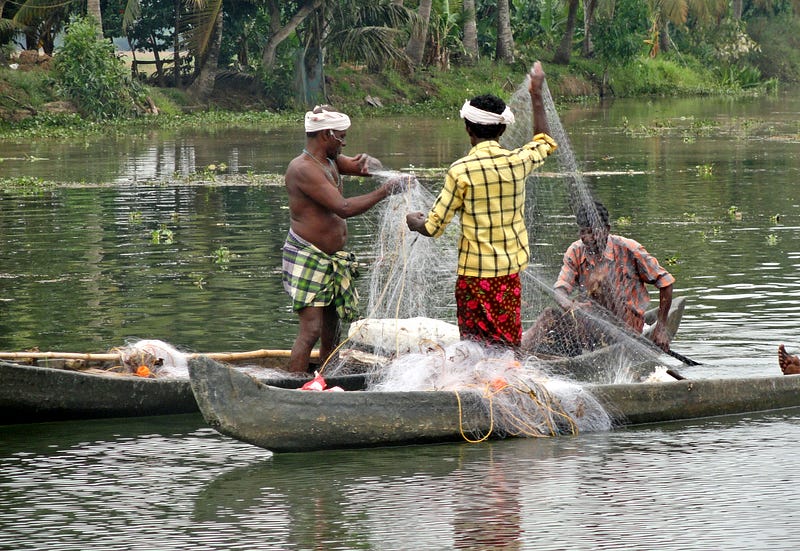
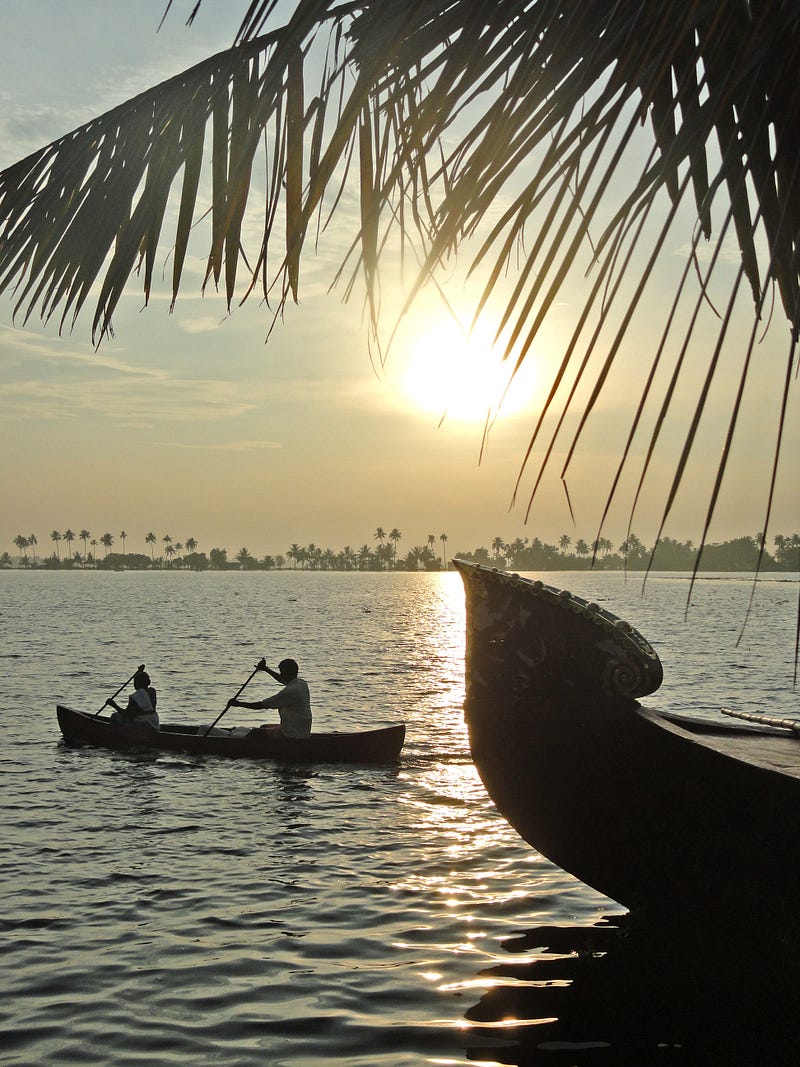
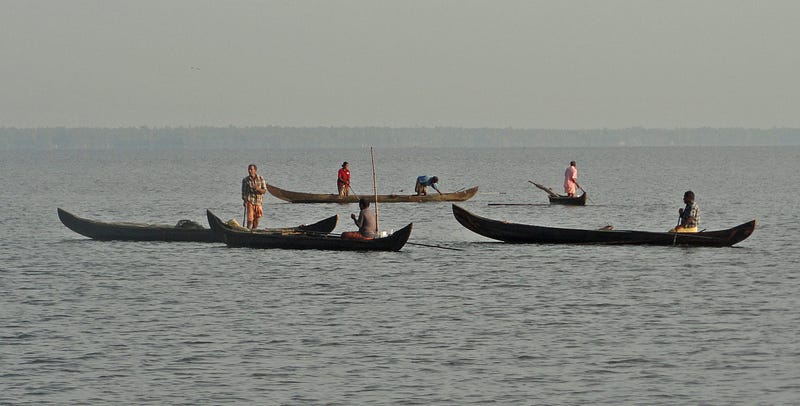
As we docked at our final destination of Thannirmukom, I bid farewell to the crew promising to see them again one day. But my Keralan journey wasn’t over yet.
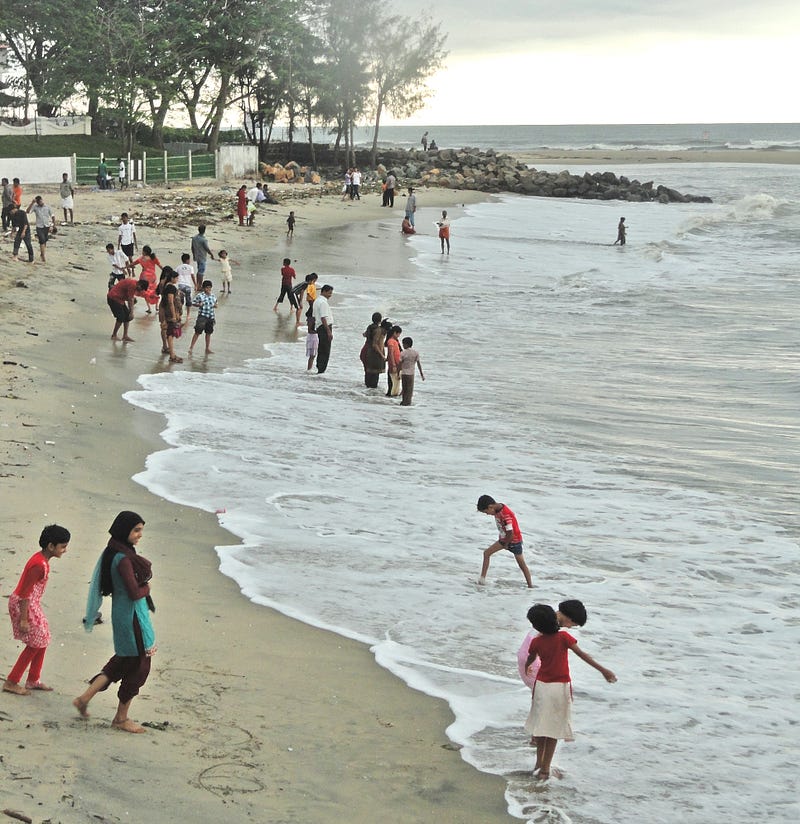
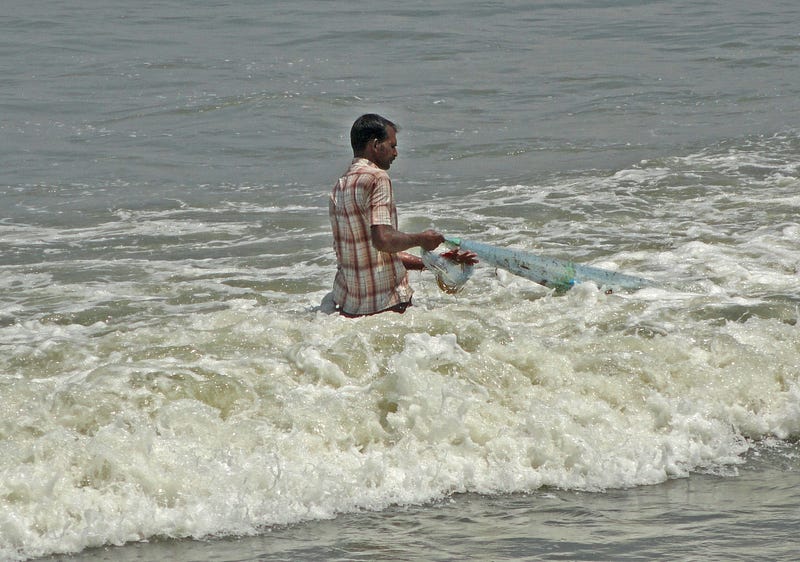
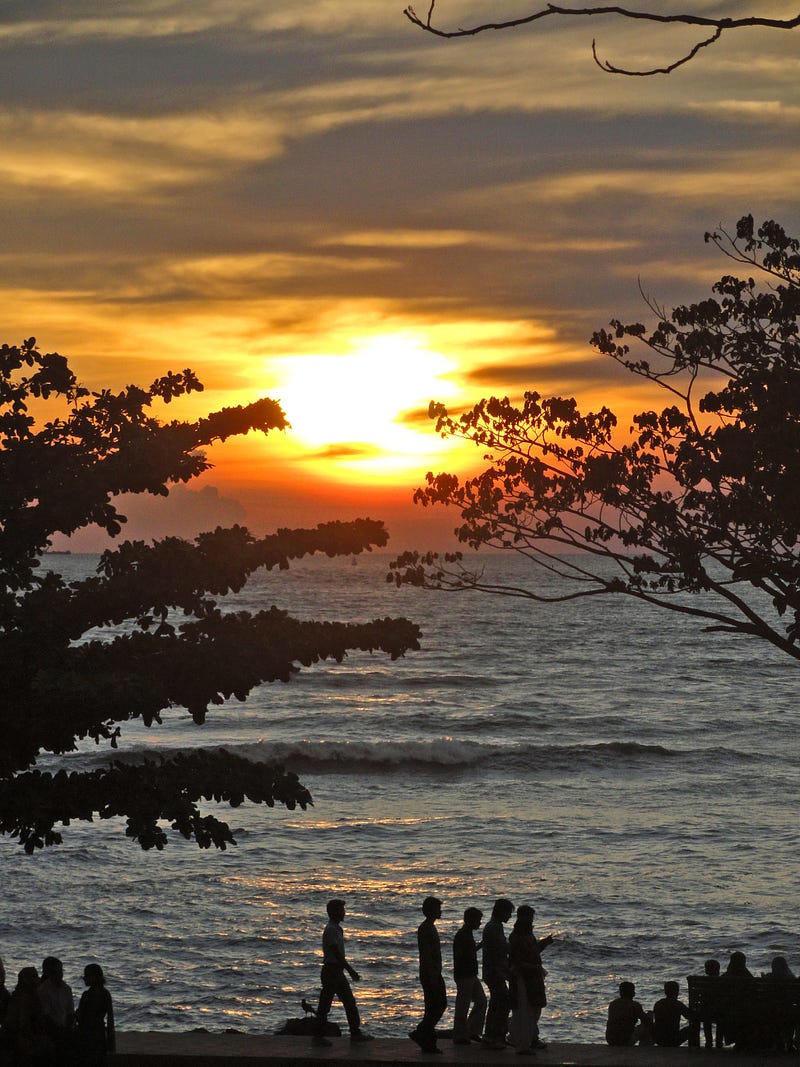
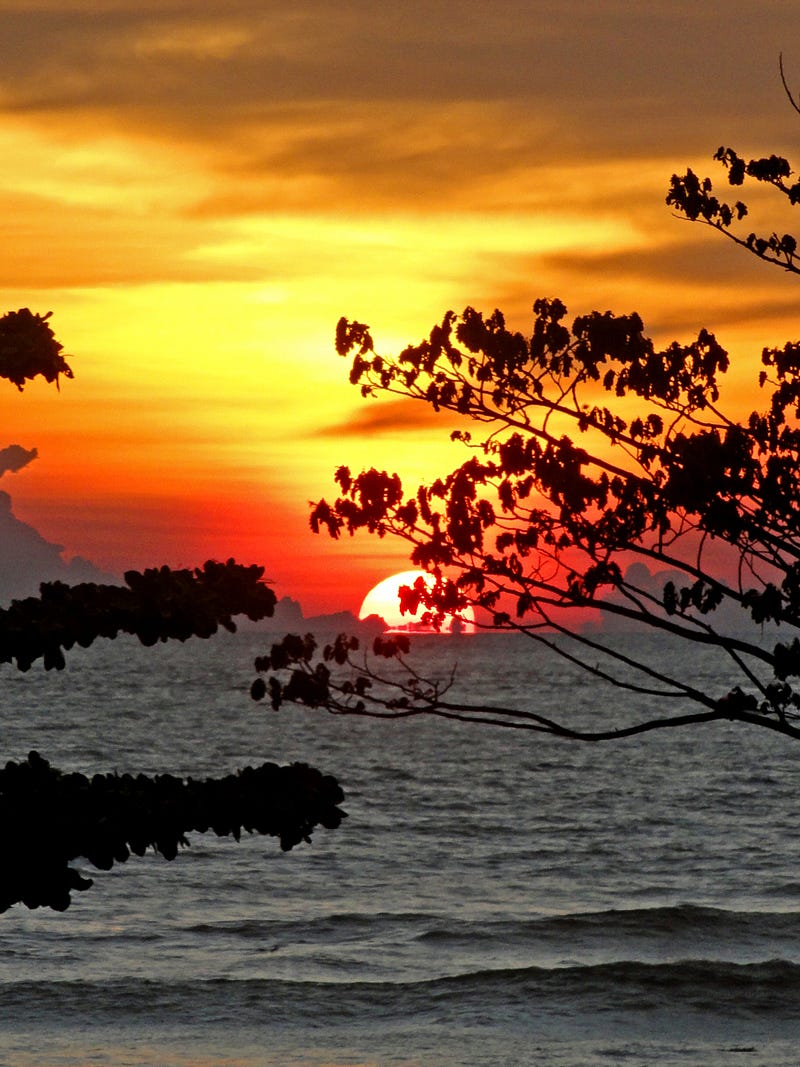
I had a car and driver take me to the city of Kochi, about 90 minutes away. I had decided to stay in the Fort area, an old part of the city where there are numerous mansions built by Portuguese and Dutch settlers hundreds of years ago that have been converted to hotels and guest houses. They have all been beautifully maintained and I really lucked out with the one I booked. Poovath Heritage Home Hotel is on the beach just steps away from the powerful surf of the Arabian Sea.
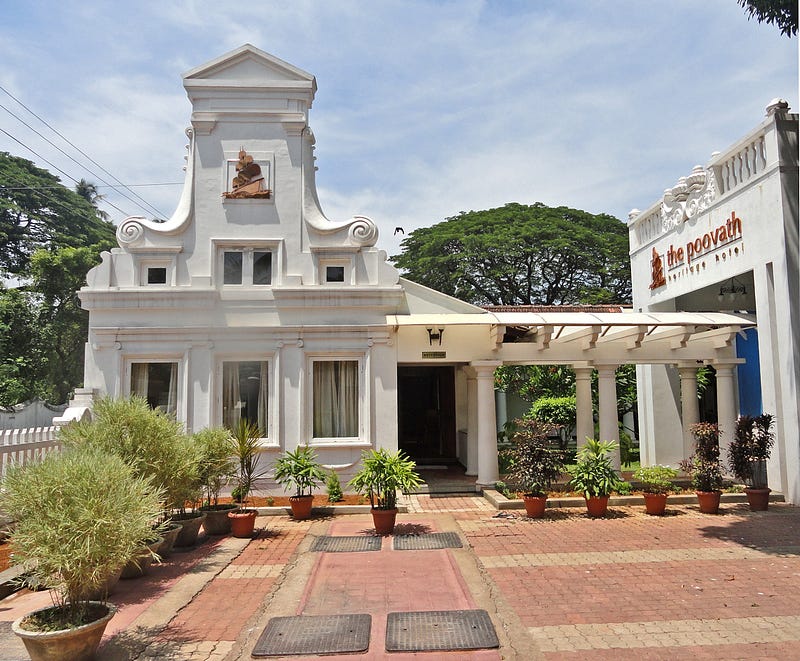
Despite its location, it also has a swimming pool. Swimming in the Arabian Sea is not advisable because of the powerful waves and strong undertow, so most people stick close to shore.
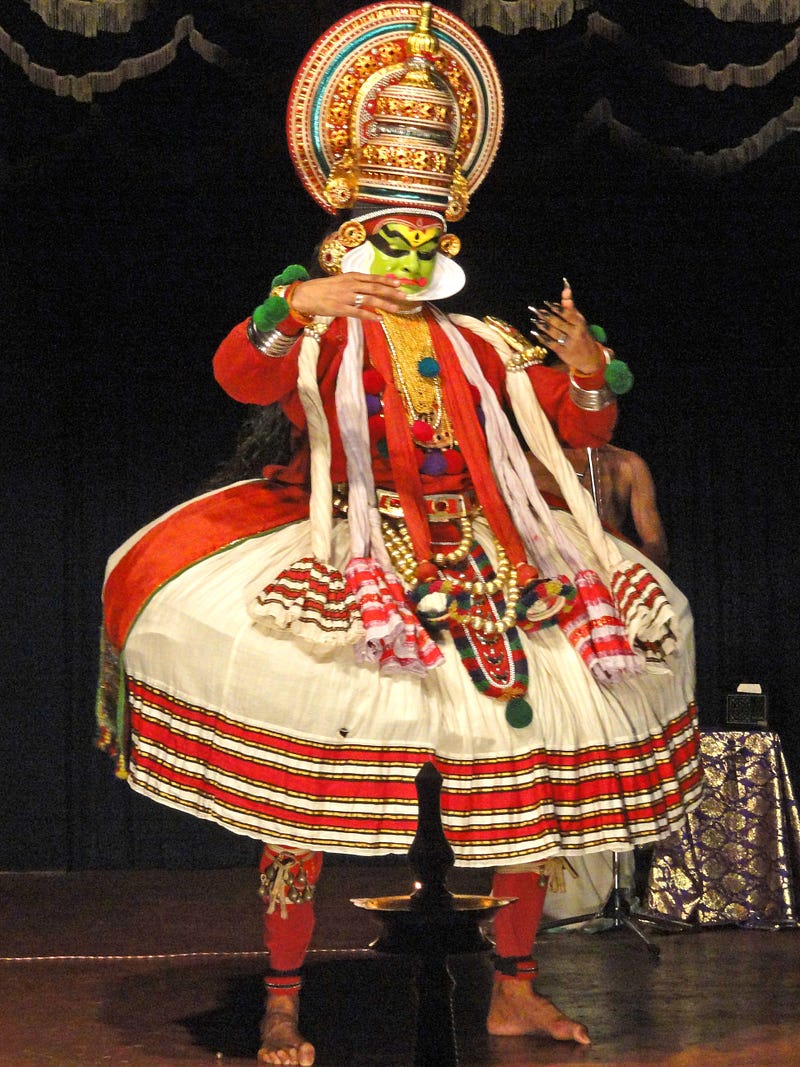
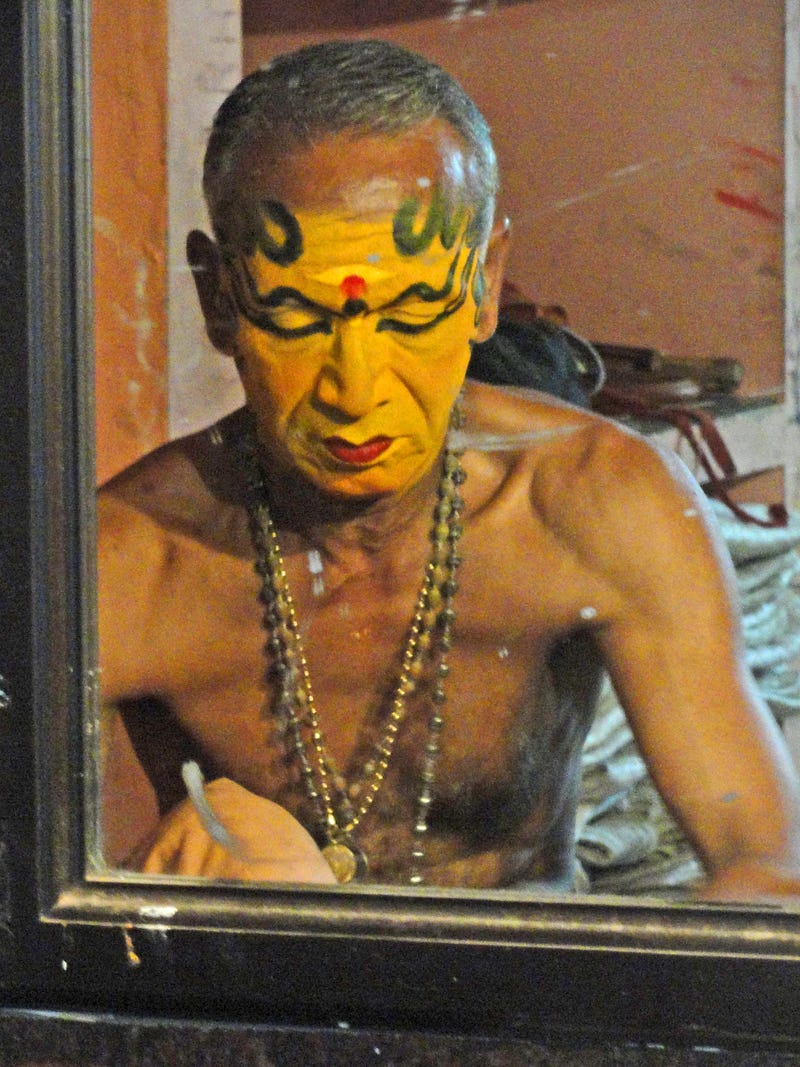
I spent one evening taking in some Kerala culture, watching a demonstration of Kalaripayattu (martial arts) and Kathakali (traditional classical dancing). Part of the show is the actual application of the makeup and I had front row seats for all of it.
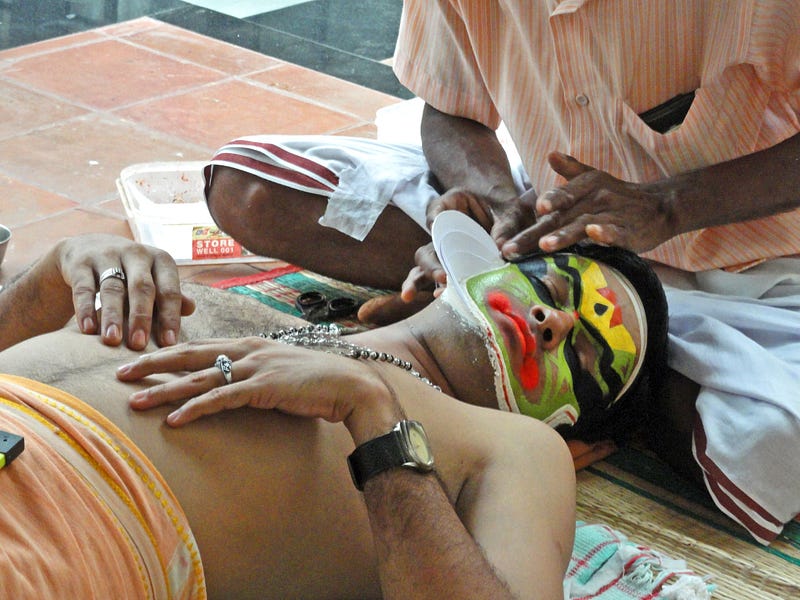
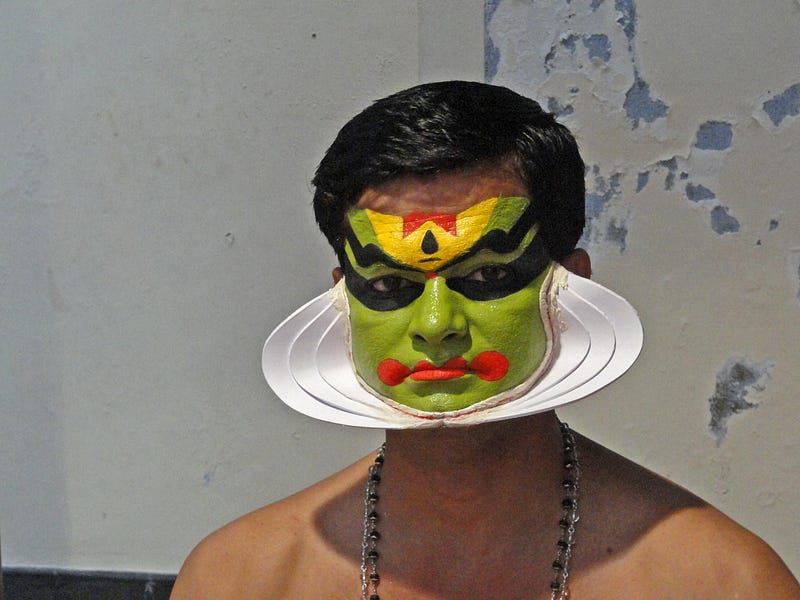
It was fascinating to watch the makeup process, especially since one of the characters was transformed from a middle aged man into a middle-aged woman for his role.
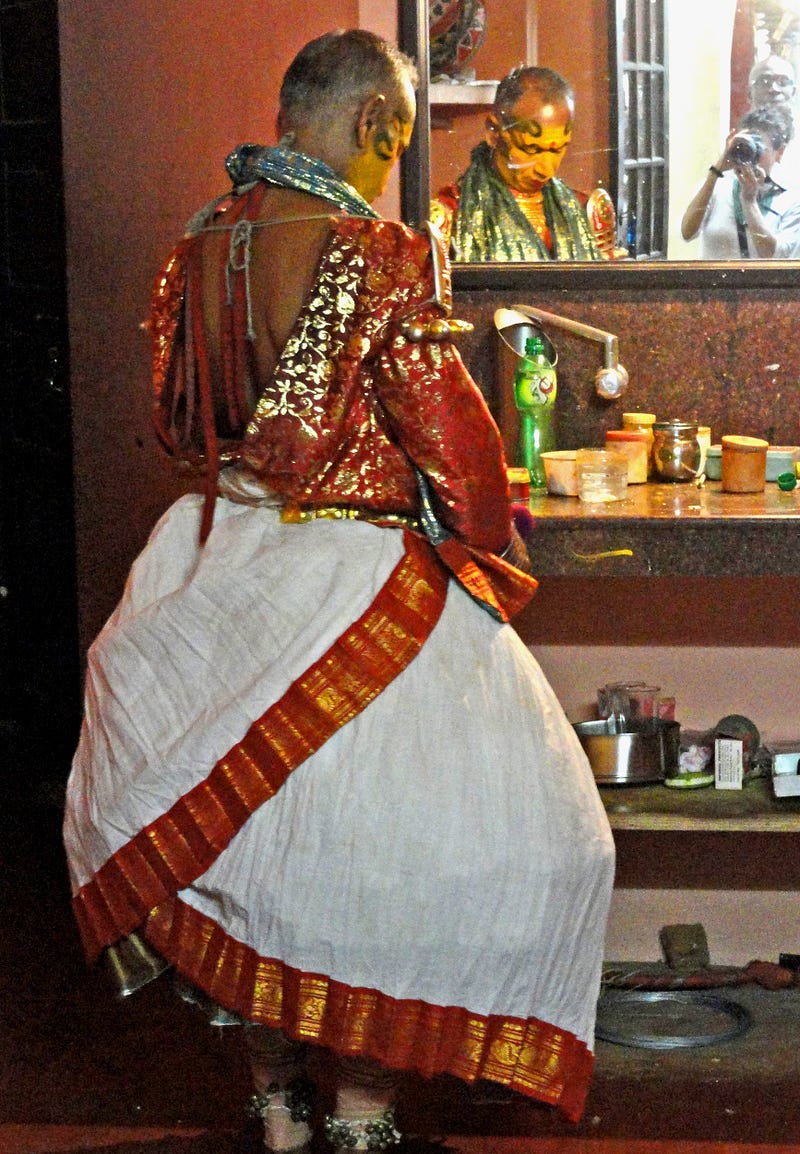
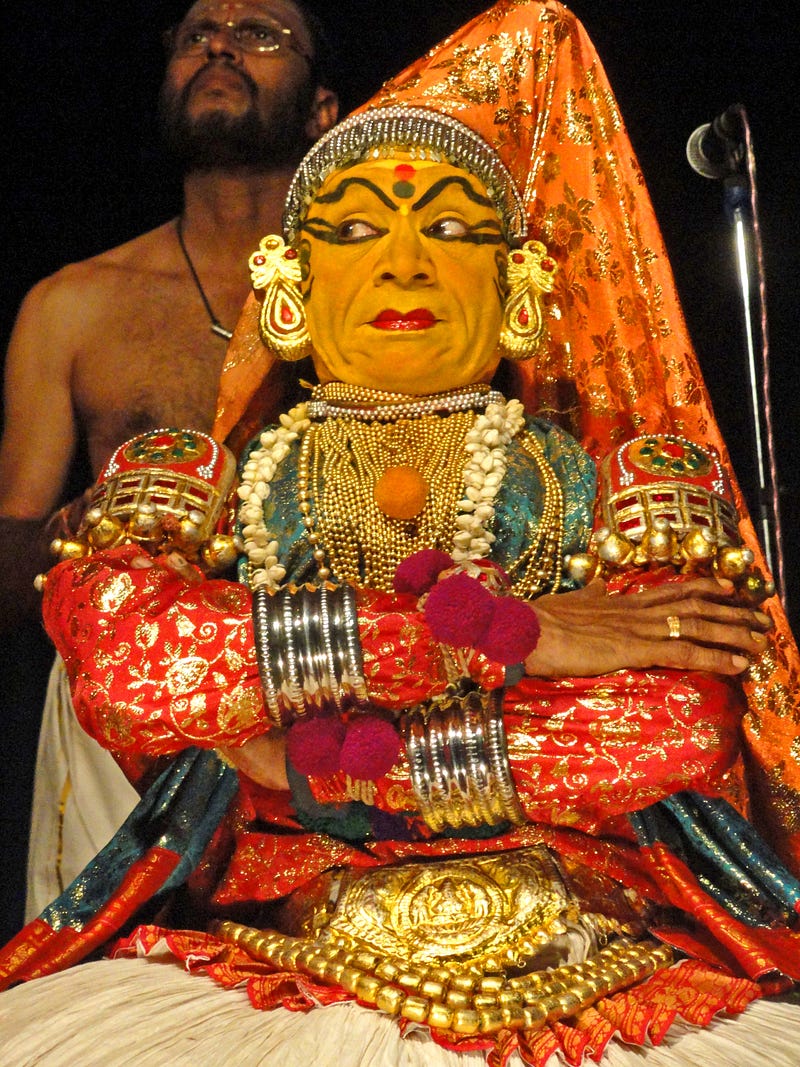
The costumes were spectacular and there was a young drummer onstage, who must have been about 10 or 12 years old, and was absolutely amazing… pacing the entire show with his drum beats.
The martial arts demonstration was fascinating as well, especially when one guy came onstage with two long metal sticks (like the bo sometimes used in karate)and proceeded to twist and twirl them with amazing power and speed, it was mesmerizing.
Kerala is definitely one of my favorite parts of India, and this was a perfect place to end my 3-month journey through such a magnificent country.
_______________________________________
You could read so much amazing content on Medium and it could be your next step in becoming a writer, for just a few bucks a month. And if you sign up with this link you will also be supporting my writing.


