
Creativity Is Intrinsic to the Very Nature of the Universe
We cannot separate ourselves from nature — we are a part of the whole
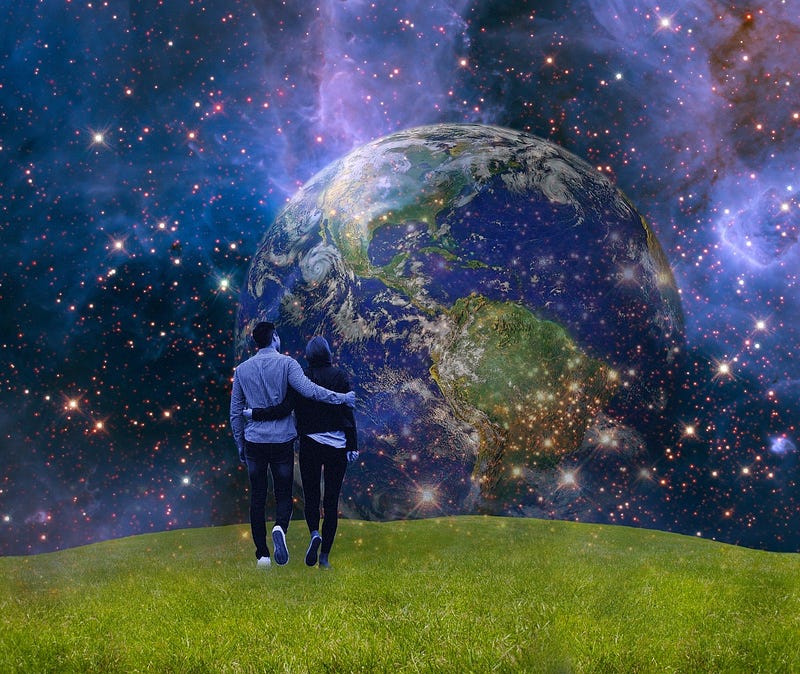
Western civilization has a predisposition to tame nature, to knock it into shape to serve their purpose.
They clear forests for mass cultivation, put up fences to define their borders, move indigenous people away from the environment in which they’ve thrived for generations, as if living in a hut, owning goats, sheep, and cattle and cultivating the land to grow their staple crops is a sign of backwardness!
Take the Khoi San, who were hunted and shot like wild animals and their children captured as laborers and slaves. The white settles saw them as primitive — an abomination — with bare-breasted women and men wearing only loincloths made from the skins of buck they had killed for food, spearheads, and clothing.
One book we had to read and study for English Lit in my final year of high school was Lost World of the Kalahari by Laurens van der Post. It opened my eyes to how humankind can live in ecological balance with nature — taking only what they needed.
After killing a buck or other animal, they would sing and dance to offer thanks for giving them sustenance. They passed down their deep knowledge of plants, their nutritional and medicinal properties, from generation to generation.
The Bushman lived on the southern tip of the continent for thousands of years, but because of so-called progress, they have lost their natural habitat.
Are we in danger of losing our connection with nature — thus, our creativity?
Many people live in urban areas, perhaps in a high-rise apartment, a concrete jungle of buildings, tarred roads and pavements, suffering from air and noise pollution.
It’s no wonder we love to walk in public parks, provided our neighborhood has one, or relax in our garden if we are fortunate enough to have one.
Why do many city-bound folks plan their holidays away in the country — camping or fishing, in the mountains or down at the coast? These outdoor adventures offer us the opportunity to rejuvenate, to recalibrate what’s important, to reconnect with our true nature in harmony with the flora and fauna.
In my corporate days, I spent at least two of my three-weeks annual leave away from home, preferably at the seaside as it wasn’t within easy reach of Johannesburg where I lived. (Hubby and I preferred camping or renting a self-catering chalet to staying in hotels.)
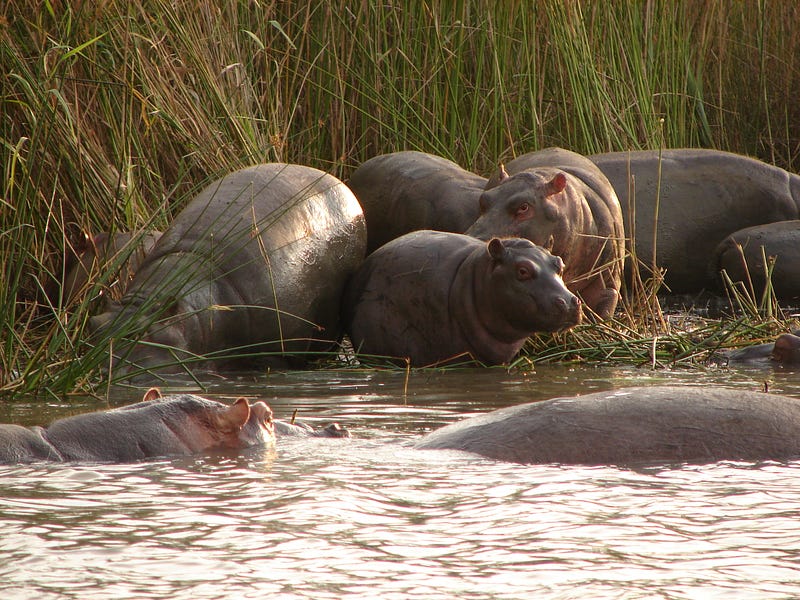
I would return home full of enthusiasm and vigor, ready to tackle whatever challenges may arise at work or in my personal life. The interlude of connecting with nature’s wonders removed the layers of stress which kill one’s ability to function with clarity and creativity.
“Scientists are finding evidence that being in nature has a profound impact on our brains and our behavior, helping us to reduce anxiety, brooding and stress, and increase our attention capacity, creativity and our ability to connect with other people.” — Jill Suttie https://greatergood.berkeley.edu/
What is creativity?
I used the example of my corporate career to illustrate that we shouldn’t limit our interpretation of creativity to a quality which only applies only to the arts.
Let’s look at some definitions to support my argument:
Word Hippo: The ability to use imagination to produce a novel idea or product that is useful to society.
Britannica: The ability to make or otherwise bring into existence something new, whether a new solution to a problem, a new method, or device, or a new artistic object or form.
Dictionary.com: the ability to transcend traditional ideas, rules, patterns, relationships, or the like, and to create meaningful new ideas, forms, methods, interpretations, etc.; originality, progressiveness, or imagination.
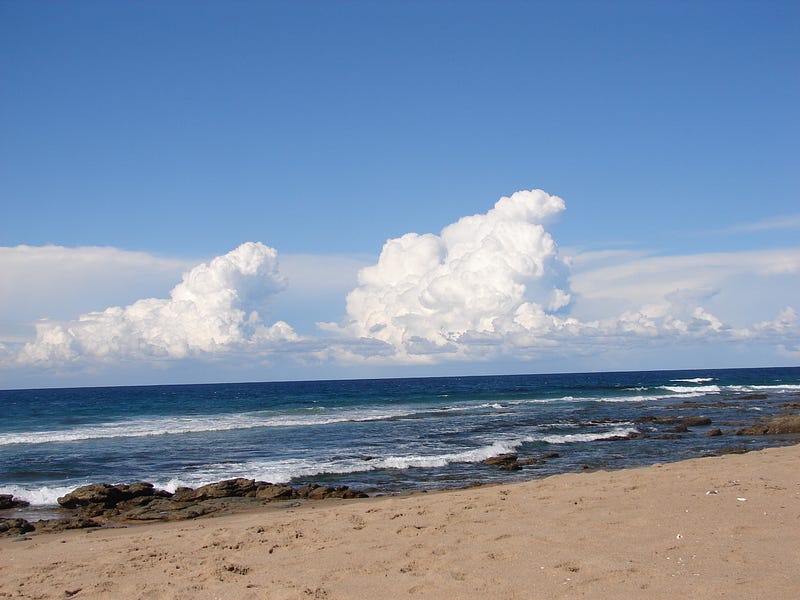
Nature as inspiration
In those far-off days in my 40s, holidaying in a natural environment relaxed me at a subliminal level. I didn’t consciously define the why and the how — just accepted and valued its effect.
My awareness of the impact of nature has heightened since I became a writer. Words are the tools of my trade and nature is my source of inspiration for creative writing, such as poetry.
(I leave nature at the door when I write articles on politics or social justice!)
The landscape where I now live in South Africa is harsh — dolomite rock, bush veld, and thorn trees. No gentle rolling hills. soft grass beneath my feet or babbling brooks. But this primal environment helps me seek the positive.
I can step outside and breathe in the mountains and valleys, cooler now in the early autumn air. In the late afternoon, I watch the swallows swooping and gliding — taking test flights before their long journey to the northern summer.
My small veggie garden feeds my self-esteem. Nothing is more rewarding than seeing spinach, peppers, parsley, and beans develop from seeds in a packet to food on the table. Nourishment for the soul and body!
Those moments spent fertilizing, weeding and watering remove me from the ever present reality of care-giving my hubby, although he’s less dependent on me now.
I can relax and write when he’s in his wheelchair diagonally opposite me in our small lounge — reading a book or watching the telly. He knows not to disturb me when I’m writing, but I also need to put quality time aside for him. I also encourage him to spend a few hours outside on our veranda, knowing how it helps him de-stress.
I doubt I could manage my present circumstances if I was living in the city. The presence of nature at my front door continues to feed my creativity and nurture my spirit.
As does music.
(Ha! You knew I was going to segue into that, didn’t you?)
This time, you won’t encounter melody lines or lyrics — only awesome drumming which combines traditional percussion instruments from around the world.
Awaken your primal nature to the rhythm of the universe!
Thank you for putting up with me!
My thanks also to Sahil Patel for making Reciprocal a source of eternal inspiration and friendship.
I invite you to read these pieces which will delight you:
Did you know you can join Medium for $5 a month? For less than a cup of coffee (or tea) you can access all stories and poems as well as publish and earn from your own writing.
Please click here to join via my referral link.


