
NATURE
Nature as Inspiration
Fuel for creativity
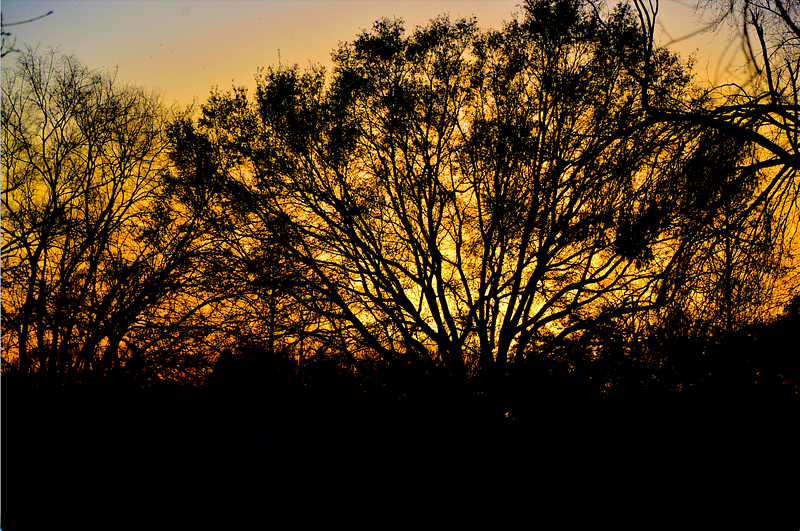
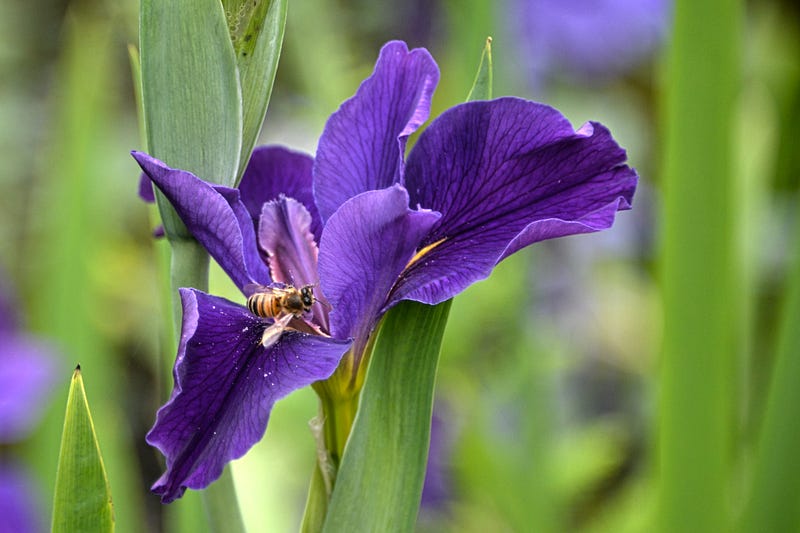
Nature speaks to my soul and fuels my creativity. It overflows with diversity, from the smallest fairyflies to the giant blue whales. It celebrates variety, from the tiniest Forget-me-nots to the giant Sequoias. Nature presents an array of shapes, colors, patterns, sounds, textures, smells, and even tastes, to stimulate the senses. Such diversity provides a rich palette of inspiration.
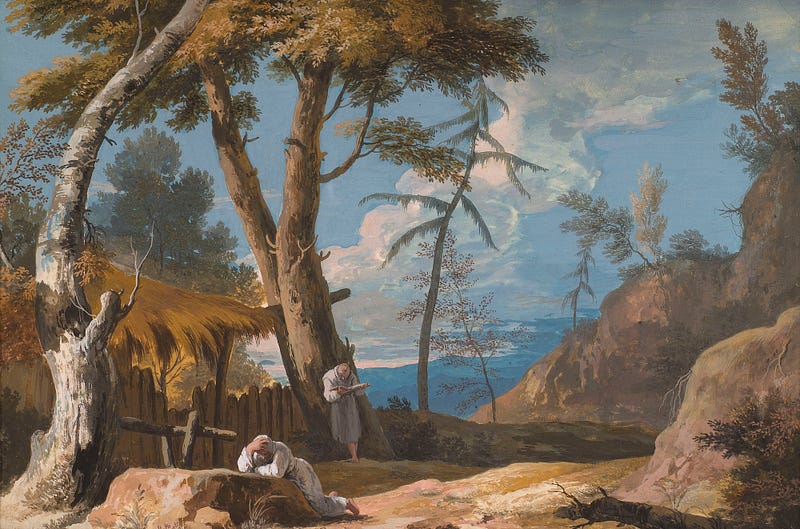
It’s no wonder the beauty and complexity of the natural world have inspired people for centuries. Vincent Van Gogh, Claude Monet, Marco Ricci, and countless other artists have created imaginative art from nature’s inspiration. Their individual styles capture unique interpretations of our world. Their art demonstrates that a single tree can be viewed differently by everyone who sees it.
Another aspect of nature that inspires creativity is the cycle of continual change. There’s a saying in Louisiana, “If you don’t like the weather, wait a day, it’ll change.” From the changing seasons to the lifecycle of plants and animals, nature is always in a state of flux. This sense of transformation encourages ever-changing works of art and literature.
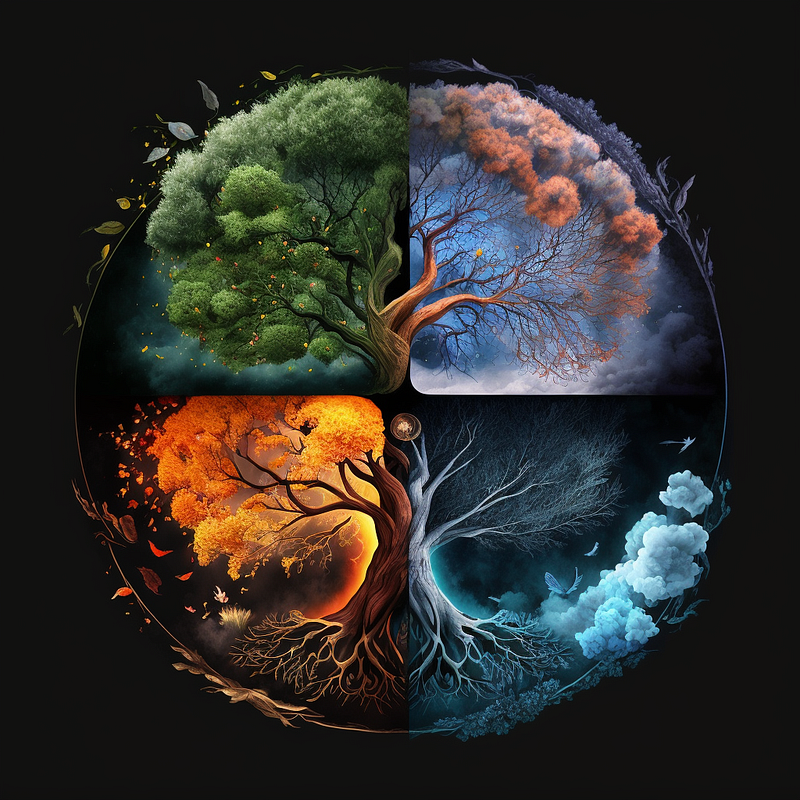
The musician, Vivaldi, wrote poems about the four seasons. Then he went on to write a musical score based on his poems. “The Four Seasons” is a compilation of four violin concertos that give musical expression to each of the four seasons.
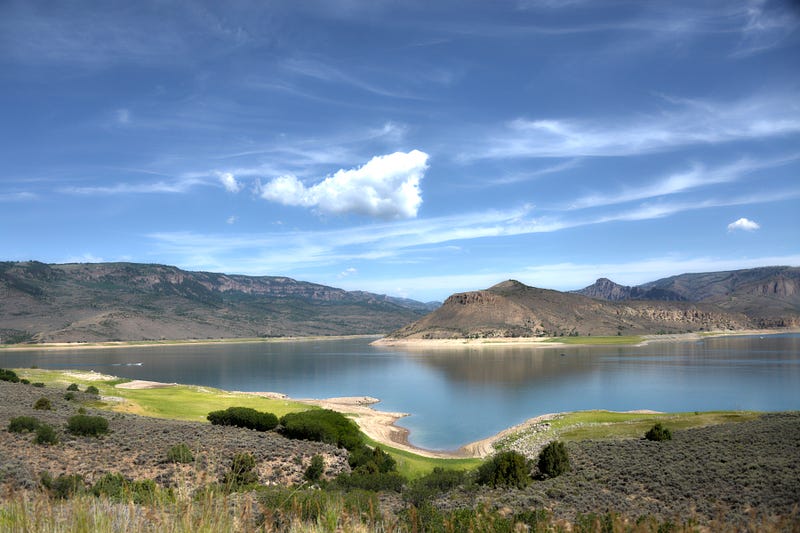
The balance of nature inspires creativity
Nature also presents a sense of harmony and balance. The way colors, textures, and shapes work together can provide a sense of calm and tranquility that can be translated into art.
Nature is also one of my greatest sources of renewal and rejuvenation, where my creative energy flows as freely as a river. Spending time outdoors helps clear my mind and open up new perspectives. This allows for fresh ideas and creative inspiration. I imagine this is why many artists and writers retreat to natural settings, such as mountains, beaches, or forests, to find inspiration for their work.
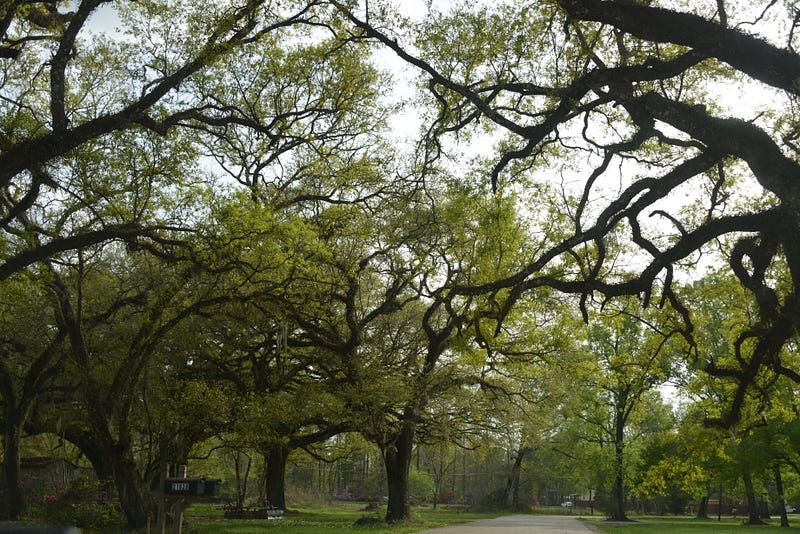
Nature-inspired literature
The intricate patterns found in a butterfly’s wings or the unique shapes of a tree can be incorporated into a painting, sculpture, or written work.
The writer, Henry David Thoreau, sought solitude and a greater understanding of nature. He built a house on the shore of Walden Pond, where he lived for two years, two months, and two days. It was during his time near Walden Pond that he wrote “Walden.” Another writer of that era, Ralph Waldo Emerson, owned the land at Walden. He wrote an interesting essay titled “Nature.”
One of my favorite nature-inspired creative works is Walt Whitman’s book of poems, “Leaves of Grass.” My father gave me this book in my senior year of high school. My parents always supported my poetry, my interest in literature, my affinity for nature, and all of my creative endeavors.
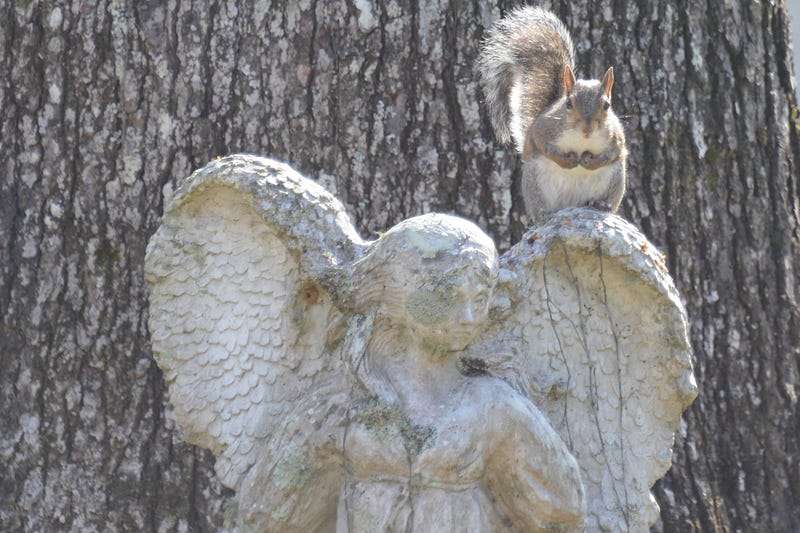
Nature provides me with a sense of connection to something larger than myself. This connection inspires me to explore themes of interconnectedness, spirituality, and the human experience in my writing.
I gain inspiration from the glow of the moon, the shapes in the clouds, and the smell of perfumed gardenias. I’m invigorated by the sensation of a soft carpet of grass beneath my bare feet in a calm meadow. The soft waves of the sea lapping upon my feet and the warm sand sifting between my toes have a unique way of stirring my soul. Nature leads me to pour out its beauty into poetry.
In conclusion, nature’s diversity, harmony, renewal, and connection all provide a rich tapestry of inspiration. By tapping into this inspiration, we can bring the awe and wonder of the natural world to our creative endeavors.
Some of my favorite quotes inspired by nature
“I went to the woods because I wished to live deliberately, to front only the essential facts of life, and see if I could not learn what it had to teach, and not, when I came to die, discover that I had not lived.” ― Henry David Thoreau, Walden
“We need the tonic of wildness…At the same time that we are earnest to explore and learn all things, we require that all things be mysterious and unexplorable, that land and sea be indefinitely wild, unsurveyed and unfathomed by us because unfathomable. We can never have enough of nature.” ― Henry David Thoreau, Walden: Or, Life in the Woods
“There is pleasure in the pathless woods, there is rapture in the lonely shore, there is society where none intrudes, by the deep sea, and music in its roar; I love not Man the less, but Nature more.” – Lord Byron
One of my favorite demonstrations of nature as creative inspiration is seen in movies. Weather elements are used creatively in a scene to establish the desired mood. A great example of this is the rain scene from “The Notebook.” I don’t think this scene would’ve had as much impact without the presence of a well-timed downpour of rain.
“The Four Seasons” poem by Vivaldi (English Translation)
La Primavera (Spring) Opus 8, №1, in E Major
I. Allegro — “Festive Spring has arrived, The birds salute it with their happy song. And the brooks, caressed by little Zephyrs, Flow with a sweet murmur. The sky is covered with a black mantle, And thunder, and lightning, announce a storm. When they are silent, the birds Return to sing their lovely song. II. Largo e pianissimo sempre — And in the meadow, rich with flowers, To the sweet murmur of leaves and plants, The goatherd sleeps, with his faithful dog at his side. III. Danza pastorale. Allegro — To the festive sound of pastoral bagpipes, Dance nymphs and shepherds, At Spring’s brilliant appearance.”
L’Estate (Summer) Opus 8, №2, in G minor
I. Allegro non molto — “Under the heat of the burning summer sun, Languish man and flock; the pine is parched. The cuckoo finds its voice, and suddenly, The turtledove and goldfinch sing. A gentle breeze blows, But suddenly, the north wind appears. The shepherd weeps because, overhead, Lies the fierce storm, and his destiny. II. Adagio; Presto — His tired limbs are deprived of rest By his fear of lightning and fierce thunder, And by furious swarms of flies and hornets. III. Presto — Alas, how just are his fears, Thunder and lightening fill the Heavens, and the hail Slices the tops of the corn and other grain.”
L’Autunno (Autumn) Opus 8, №3, in F Major
I. Allegro — “The peasants celebrate with dance and song, The joy of a rich harvest. And, full of Bacchus’s liquor, They finish their celebration with sleep. II. Adagio molto — Each peasant ceases his dance and song. The mild air gives pleasure, And the season invites many To enjoy a sweet slumber. III. Allegro — The hunters, at the break of dawn, go to the hunt. With horns, guns, and dogs they are off, The beast flees, and they follow its trail. Already fearful and exhausted by the great noise, Of guns and dogs, and wounded, The exhausted beast tries to flee, but dies.”
L’Inverno (Winter) Opus 8, №4, in F minor
I. Allegro non molto — “Frozen and trembling in the icy snow, In the severe blast of the horrible wind, As we run, we constantly stamp our feet, And our teeth chatter in the cold. II. Largo — To spend happy and quiet days near the fire, While, outside, the rain soaks hundreds. III. Allegro — We walk on the ice with slow steps, And tread carefully, for fear of falling. Symphony, If we go quickly, we slip and fall to the ground. Again we run on the ice, Until it cracks and opens. We hear, from closed doors, Sirocco, Boreas, and all the winds in battle. This is winter, but it brings joy.”
This has been my response to the Reciprocal prompt for the first week of March, “Nature Inspires Creativity.” I hope you’ve enjoyed it. I invite other writers to share how nature inspires creativity.
Thank you for reading.
Mia Verita, 2023
Thank you to all the hard-working editors of Reciprocal, Sahil Patel, Dr. Preeti Singh, and Yana Bostongirl, for hosting this story.
Thank you, Sahil Patel, for this inspiring prompt.
B.R. Shenoy shared this soothing story.
Hermione Wilds Writes shared this lovely story.
Mia Verita enjoys nature, photography, sketching, writing poetry, and sharing inspirational stories.
If you’d like to read all of Mia’s stories and those of other Medium members, you can join Medium using her affiliate link. She’ll receive a small portion of the membership fee at no additional cost to you.


_-_Landscape_with_two_Praying_Monks_-_RCIN_401439_-_Royal_Collection.jpg)