
Creativity in a Time of Contagion
All those tricks that kept us creative during the isolation of the pandemic? We may need them a while longer.
I’ve spent most of my life studying creativity.
Not in the academic sense. It’s been more of an in-the-trenches thing. Early on I landed a dream job in a great creative department. It didn’t take long to figure out my conceptual skills needed work if I was going to keep up.
My methodology was collaboration. I was working alongside the best. I looked for every advantage to watch and learn.
A lot of us writers are natural introverts. Our instinct is to hide away and try to get it all figured out before laying that precious idea on the table. I disciplined myself to do just the opposite. Jump straight into the deep end of creative sessions, so I could mind-meld with people who’d been doing it a lot longer than me. Learn to follow their nimble leaps of logic. Measure my work against their best ideas.
Working as a creative team was the secret sauce of my career.
Then it all came to a screeching halt.
The creative lock-down
A little over a year ago I got the email we all knew would be coming. “Bring your laptops home at the end of the day,” it said. And anything else that might be needed during the next two weeks. The office would be shutting down until this whole coronavirus thing got figured out.
Two weeks turned into 14 months and counting, reporting to my chair in the corner of a spare bedroom to start each workday. I’ve had to re-create a solitary version of the intensely collaborative creative process that always worked so well for me.
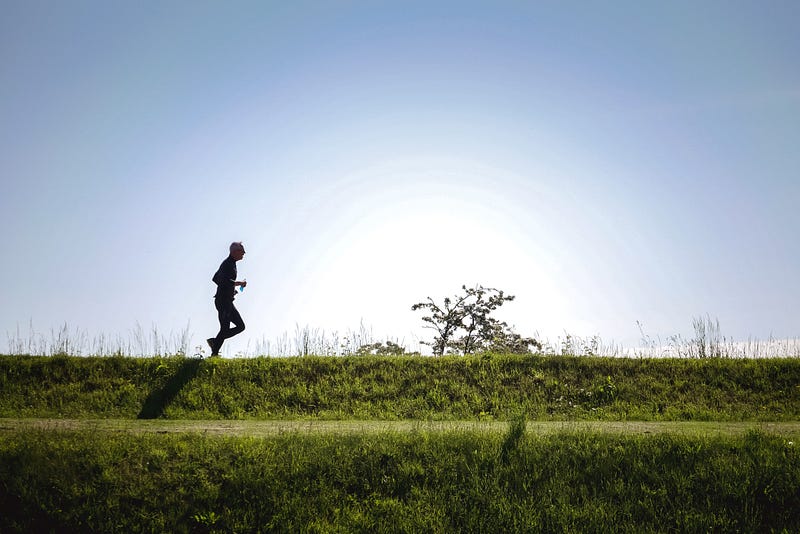
Mostly that’s meant distracting myself enough to keep my mind from spiraling inward toward that “hide-away” impulse, and finding creative ways to make my socially isolated world feel bigger. I go for runs. I go for walks. I keep a few sweet guitars close at hand. I take breaks to read great writing and remind myself what I’m measuring my work against.
I connect on Zoom and Microsoft Teams, as imperfect a substitute for brainstorm sessions in cramped, airless conference rooms littered with crumpled scraps of paper and old take-out food wrappers as that may be. I’ve learned it helps to keep the Zoom camera turned on, even on the disheveled days. Any small bit of human connection is the important part, more so than what actually gets accomplished on the call. It sends the mind spinning in a more productive direction.
Above all, don’t get stuck. Do what it takes to keep moving. Physically and mentally.
Finding fellow hermits
A few months into the pandemic I wrote that a good model for productivity in this locked-down, socially isolated environment might be fourth-century hermits. They might seem crazy to our way of thinking, retreating deep into the deserts and caves of their day. A few even lived their lives on top of pillars. But they remained engaged with society and were sought out for their ideas and wisdom, because they never let physical isolation hold back a wandering mind.
I predicted then that the pandemic would ebb and flow rather than reach any sort of definable end point. We would become a society in which some people and parts of the world got back to a relatively normal life, while others would soldier on with various adaptations of this hermit-like existence. So far that’s proven accurate.
It’s been a brutally hard year, and one should be careful about seeking advantage in misfortune. But fire renews the forest, as we’re often told. And the world needs all the creative thinking it can get right now. So here’s what I believe is the most interesting opportunity to come out of the pandemic. Right now working in a big ad agency creative department and being a solitary freelance content creator are physically the same thing. We’ve all spent too much time alone, staring at the wall and hoping for the big idea. We’re all craving some human interaction to fuel our thinking.
I’ve used that to make connections in ways that would never have occurred to me back when I was safely ensconced in office life. I’ve reached out to complete strangers to ask about an interesting angle on a project, and for the most part it’s worked. I’ve started some productive email relationships. Even in-depth Zoom conversations with people I never would have thought of contacting back when we all worked in offices.
Give it a try. Reply to articles on Medium. Find creative people you’d like to connect with on Linked-In. Don’t be afraid to ask dumb questions. You might be amazed who’s willing and even eager to share a little of their time right now, and what that inspires in your own work. Just make sure you bring an interesting, inquisitive mind to your side of the equation.
So now what?
You might ask if any of this even matters. Vaccines are going into arms. Cities are opening back up. Won’t we all be back to normal in a few weeks? All I can say is think back to this time last year. Just about everyone thought we were about to turn the corner on the pandemic. We weren’t even close.
As of this writing the mainstream media are picking up on what epidemiologists have been saying for some time. We’ve pretty much blown our chance of achieving some sort of herd immunity. In the U.S. it would require the sort of gung-ho collective effort that seems to have gone extinct after the Second World War. In the rest of the world it would require generous collective leadership from the rich nations — most of which can’t even get their own response sorted out. In other words, the pandemic is almost certainly not finished with us yet.
That’s one reason the new normal is going to be different from old one. At least some significant part of society will remain unwilling to venture too far out of their homes. The other is that if you know anything about large companies, you know they’re going to be exceedingly careful about opening things back up. That’s because they’re careful, and because in a lot of ways working remotely has turned out pretty well for them. No time wasted on commutes or gabbing around the office coffee pot. No need to pay for the coffee, let alone copious amounts of high-rent office space. The big companies I’m familiar with will be experimenting with different mixes of in-office and at-home work over the summer, and plan to come back in the fall with a new model for employees that looks nothing like the old one.
The take-away for those of us making a living from creativity — if you’re hunkered down waiting for things to come back to the way they were before you’ll end up left behind. We need to keep a portion of our creative brains working on ways to evolve, and adapt to a world that’s been spent spinning off in directions none of us could have seen coming at the end of 2019.
Creativity is as fragile as it is important. And it’s always about what comes next. So even as it feels like your world is opening back up, keep your eyes open for signs of the new ways that world will work.


