
Creative Placemaking: Using Arts & Culture for Urban Revitalization
Here’s how arts and culture can breathe life into derelict spaces.
A while ago, I published a piece about placemaking, an approach of urban planning and design that focuses on people. This idea is essential if we aim to make a place that people actually want to live in. If you’re unfamiliar with placemaking, you might want to check it out first:
In this piece, we’ll discuss one subtype of placemaking that I think you’ll be interested in, especially if you’re a connoisseur of arts and culture.
It’s called creative placemaking.
What Is Creative Placemaking?
ArtPlace America proposed the following definition:
“ […] the intentional integration of arts, culture, and community-engaged design strategies into the process of equitable community planning and development.”
Sounds simple enough, right? Using arts and culture to plan and develop a community-centered place. That’s creative placemaking.
There are four ways we can do this, according to Jamie Bennett:
I. Anchoring
We can establish arts and culture organizations as community institutions, which will contribute to shaping the neighborhood identity, attracting people, and supporting local businesses.
You know this one. Cultural landmarks like museums, amphitheaters, performing arts centers — places like these are all examples of anchoring.
II. Activating
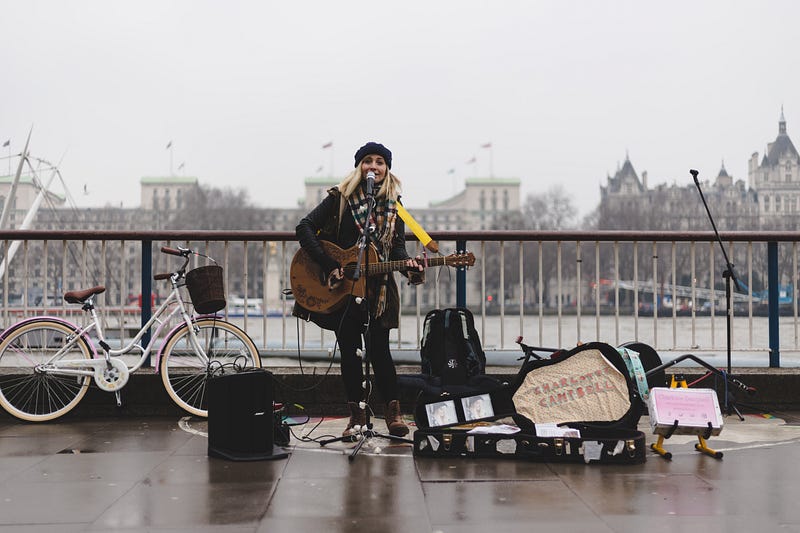
We can bring performance and participatory activities (mainly those related to arts and culture) to activate a space.
Have you ever seen an empty space that becomes crowded because of concerts or festivals? That’s activating. It doesn’t even have to be a big event. Simple everyday attractions like street musicians or flash mobs also count.
III. Fixing
We can ameliorate structural design problems, especially in abandoned or neglected spaces, by utilizing artistic and cultural resources.
This one is also quite common. Examples of fixing can range from things like signage or lighting, all the way to mural paintings and art installations.
IV. Planning
We can engage the community to take part in the planning and development process. This way, we will obtain valuable inputs and suggestions from the community themselves.
When planning is done properly, the placemaking will be carried out according to the actual needs and wishes of the people. This will minimize the need for fixing in the future.
Arts & Culture-led Regeneration
Creative placemaking is deeply intertwined with the idea of arts and culture-led regeneration, an approach of urban revitalization that focuses on leveraging artistic and cultural resources.
Some people make the mistake of leaving out arts and culture when planning a city. This is especially apparent in developing countries. Because, there, arts and culture are often considered secondary (or even tertiary) to basic problems like economy, healthcare, and education.
Why is this a mistake? Because, instead of an unnecessary extra, arts and culture can be a powerful central element that influences other areas of development, including the basic problems mentioned before.
Charles Landry, a world-renowned expert in creative cities, expressed in his book that arts and culture should be treated as the central idea in urban planning and development, not as a “marginal add-on.” Creative placemaking is one example of how arts and culture can spearhead urban regeneration, and help foster all aspects of the place and the community.
Creative Placemaking Case Studies
To illustrate this concept better, let’s learn from some examples of creative placemaking from some locations around the world. All of these case studies demonstrate how arts and culture can breathe new life into abandoned, derelict places.
I. M50 Art District
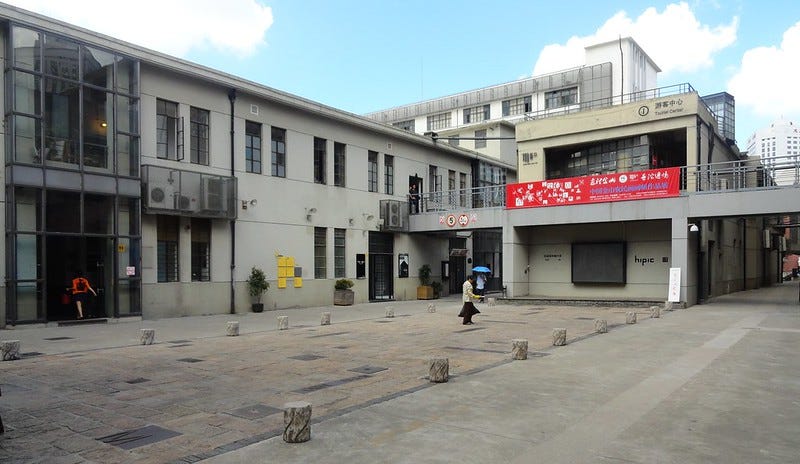
M50 Art District is located in Shanghai, China.
The name was taken from its actual address: 50 Moganshan Road. It was formerly known as a textile district, and was almost abandoned when the nearby Chunming Slub Mill discontinued production. Instead, it was turned into a center for contemporary arts, and as a result, it gets a second wind.
While the land is still owned by textile manufacturers, the factories and warehouses are no longer used for manufacturing. These empty spaces are then rented out for artists and creatives to be used as studios, galleries, and all kinds of artistic functions. Most of its areas are open for the public, with some private spaces here and there.
Now, M50 houses Shanghai’s up-and-coming artists, giving them a place to create new works and showcase them to the public. It’s definitely the place to go in Shanghai when you’re looking for artistic and cultural gems.
II. Collingwood Yards
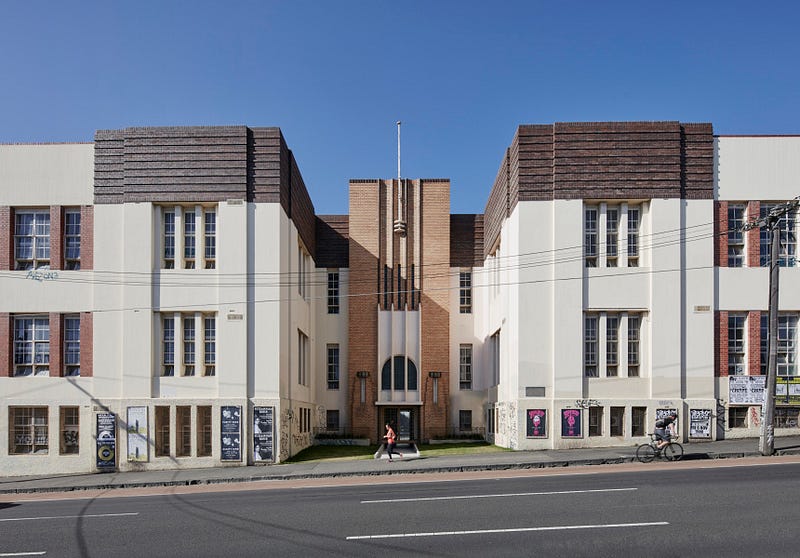
Collingwood Yards is located in an inner suburb of Melbourne, Australia.
This place has a long history. It used to be a courthouse (1853), Council Chambers (1860), and the Collingwood Artisans’ School of Design (1871).
One of its latest function was as Collingwood Technical School, an educational institution that was opened in 1912 until it was amalgamated with Preston TAFE in 1987. Education activities continued until 2005, then it was left empty for over a decade, although in 2013 there’s one section that was redeveloped for Circus Oz.
Only recently, it's rebuilt as Collingwood Yards. With affordable rents and structured support, it aims to provide a home for artists and creatives in the community. So far, there are around 50 tenants that vary from design studios, a radio station, a performance space, and more.
It’s actually not yet open for the public, but the first wave of artists have already moved into the spaces and begun their activities. While there’s likely to be some delay due to the pandemic, Collingwood Yards is planned to be opened for the public in stages throughout 2020.
III. M Bloc Space
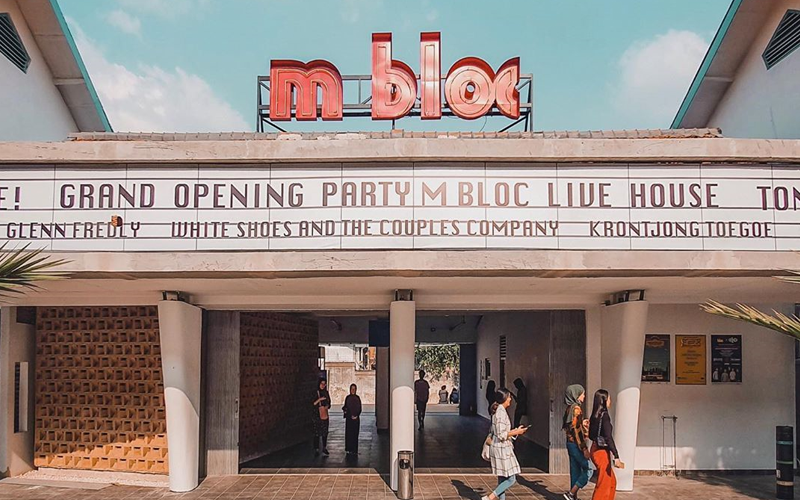
M Bloc Space is a relatively new place in Jakarta, the capital of Indonesia.
Situated at the heart of Blok M, near Jakarta’s newly operated MRT Station, the location of M Bloc is highly strategic and attractive. While it’s relatively young, merely a little more than a year old at the time of this writing, it’s already become popular among Jakartans.
M Bloc has a variety of shophouses that sell artistic and cultural products, an eclectic mix of eateries, and affordable event spaces. Unique activities would be held there almost every week, which ranges from mini-concerts to public discussions.
Before becoming the vibrant creative hub it is today, it used to be a residence for the employees of Perum Peruri (an Indonesian state-owned banknote printing company). The residence was left unused for several years, until it was revitalized and rebranded as a center for culture and creativity.
Final Thoughts
There are many other interesting creative placemaking examples around the world. In Australia alone, other than Collingwood Yards there’s an organization called Renew Australia, which leads placemaking projects all across the country such as Renew Wollongong and Renew Fitzroy Street.
However, most of the examples you’ll find on the internet would be from developed countries. Perhaps it’s because the concept of placemaking is also more developed in those places and the people are more aware of it. But that doesn’t mean developing countries are completely devoid of placemaking, as we’ve seen with M Bloc’s example in Indonesia.
Do you have other examples of creative placemaking that we should know of? Better yet, have you ever been personally involved in a process of creative placemaking? Feel free to share your story.
Wherever you are, let’s all initiate our own unique version of creative placemaking and transform the places we live in. Placemaking is a method to create people-centered cities, and as humans, aren’t we all naturally drawn to places with rich artistic and cultural value?