
Creational Design Patterns in Golang
In this article, I will introduce six creational design patterns.
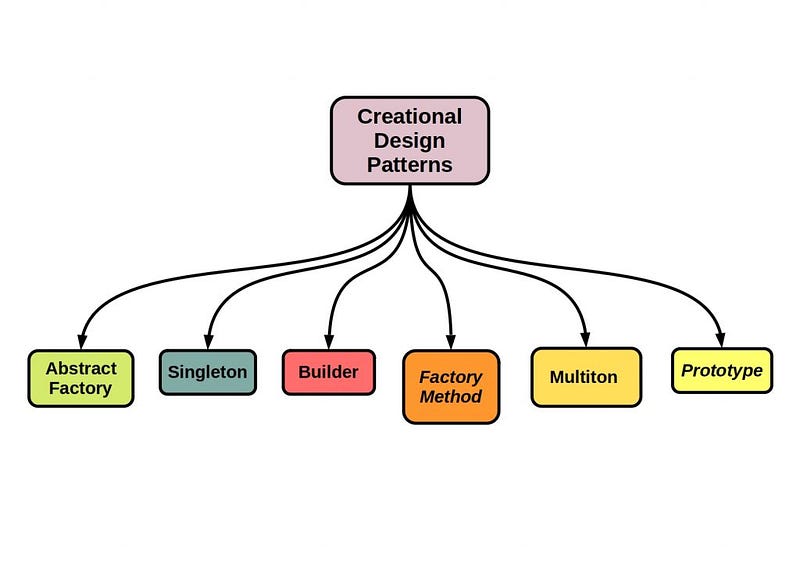
Creational Design Patterns provide various mechanisms to create objects and classes, which increase flexibility and code reuse. In Golang, these patterns can be implemented using the language’s features such as interfaces, structs, and methods. In this post, we will take a look at some of the most commonly used Creational Design Patterns, including Singleton, Builder, Factory, Abstract Factory, Prototype, and Multition.
- Singleton: The Singleton pattern is a creational design pattern that ensures a class has only one instance while providing a global point of access to this instance. In Golang, the Singleton pattern can be implemented by defining a private constructor and a public static method that returns the instance of the class. If an instance of the class does not exist, the method creates one and returns it. If an instance does exist, the method simply returns the existing instance. For more details please click here.
- Builder: The Builder pattern is a creational design pattern that separates the construction of a complex object from its representation, allowing the same construction process to create different representations. In Golang, the Builder pattern can be implemented by creating a builder struct that has methods to set the values of its fields, and a build method that returns the object being built. For more details please click here.
- Factory: The Factory pattern is a creational design pattern that provides an interface for creating objects in a superclass, but allows subclasses to alter the type of objects that will be created. In Golang, the Factory pattern can be implemented by defining an interface that specifies the methods required to create objects and creating structs that implement this interface. The factory function returns an instance of the interface. For more details please click here
- Abstract Factory: The Abstract Factory pattern is a creational design pattern that provides an interface for creating families of related objects, without specifying their concrete classes. In Golang, the Abstract Factory pattern can be implemented by defining an interface that specifies the methods required to create objects and creating structs that implement this interface. The factory function returns an instance of the interface. For more details please click here
- Prototype: The Prototype pattern is a creational design pattern that allows objects to be created by cloning an existing object, rather than creating a new object from scratch. In Golang, the Prototype pattern can be implemented by defining a Clone method for each struct that needs to be cloned and using the method to create a new instance of the struct. For more details please click here
- Multiton: The Multition pattern is a creational design pattern that provides a way to manage a limited class pool of instances to ensure only a specific number of instances are created. In Golang, the Multition pattern can be implemented by maintaining a registry of instances and using a factory method to obtain an instance from the pool. When an instance is requested, the factory method checks the registry to see if an instance with the requested identifier already exists, and if so, it returns that instance. If no instance with the requested identifier exists, a new instance is created and added to the registry. For more details please click here
Conclusion
In conclusion, Creational Design Patterns are an important tool for software developers, providing various mechanisms for creating objects and classes that increase code flexibility and reuse. Whether you are using Singleton, Builder, Factory, Abstract Factory, Prototype, or Multition, these patterns provide a way to structure and organize code to make it more maintainable and reusable. Golang’s powerful features can easily implement these patterns, making it a great choice for writing robust and scalable software applications.
The Creational Design Patterns provide a way to create objects flexibly and reusable. Understanding these patterns allows you to write easy-to-maintain, test, and extend code.
Click here to go back to Design Patterns in Golang
To view Creational Design Patterns in Golang, please click here.
To View Structural Design Patterns in Golang, please click here.
To View Behavioural Design Patterns in Golang, please click here.
To View Concurrency Design Patterns in Golang, please click here.
To View Microservices Design Patterns in Golang, please click here.
Level Up Coding
Thanks for being a part of our community! Before you go:
- 👏 Clap for the story and follow the author 👉
- 📰 View more content in the Level Up Coding publication
- 💰 Free coding interview course ⇒ View Course
- 🔔 Follow us: Twitter | LinkedIn | Newsletter
🚀👉 Join the Level Up talent collective and find an amazing job
Stackademic
Thank you for reading until the end. Before you go:
- Please consider clapping and following the writer! 👏
- Follow us on Twitter(X), LinkedIn, and YouTube.
- Visit Stackademic.com to find out more about how we are democratizing free programming education around the world.