
This is How I Broke Out Of Stress Loop
Effective Way To Avoid Stress

Non-members can read here for free.
What is Stress? To me, an individual who has grappled with my fair share of waves of stress, I would describe it as the relentless fear of the unknown. Stress typically stems from the apprehension of future events, elements beyond my sphere of control. In most instances, the subjects of my stress were dire scenarios that I anticipated which seldom materialized as catastrophically as initially feared, if at all.
Allow me to highlight this with an example from my stay in the United States. Having held an H1B visa, an essential document for non-citizens working in the USA, I found myself in a very stressful situation in my last year of stay. I had applied for a visa extension, and as fate would have it, the process proved to take much longer than anticipated, plunging me into a world of stress and uncertainty. I was stressed because a visa rejection would lead to a swift departure from the country. Imagine the feeling when the life you had painstakingly woven over five years, unravels before your eyes. Ultimately, I did find myself in that exact situation. However, today, nearly five years since then, I’ve successfully crafted a new existence in Australia and even attained Australian citizenship in April of this year. It did not turn out to be as bad as I had expected, rather I am having the best time of my life.
We Are Wired To Think The Worst
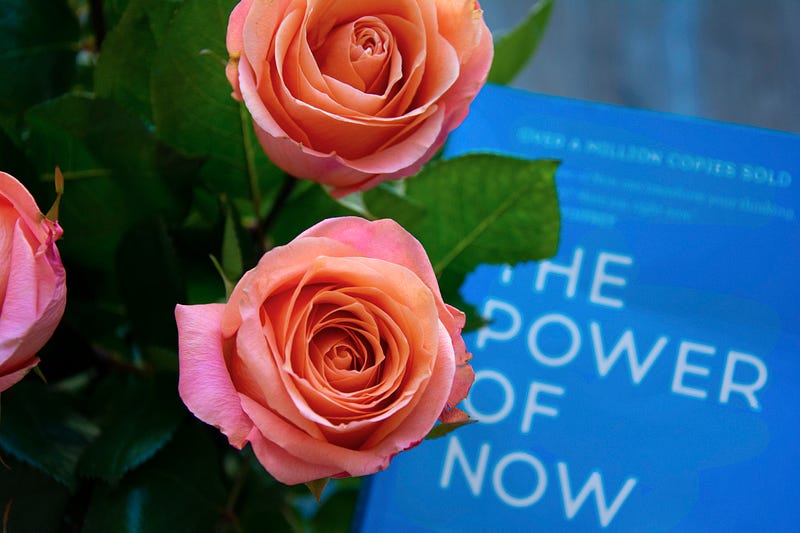
‘Power of Now ‘ a book by Eckhart Tolle, delves into the fascinating workings of our minds. It explains how our brains are naturally inclined to focus on the worst-case scenarios, a trait passed down from our distant ancestors. These remnants of our prehistoric past are from the time when making one wrong decision could mean life or death. In those times, our ancestors were nomadic, hunting for food and gathering resources. Living in the wild meant constant exposure to various dangers. Just like a deer taking a drink by a stream, we, too, were always at risk of being hunted down by predators.
In many ways, our ancient minds have remained relatively unchanged. When we find ourselves with idle moments, our thoughts often wander to the future. Even the slightest hint of uncertainty can trigger our brains to magnify it into a looming catastrophe. This tendency to overthink, especially about things beyond our control, is a major source of stress. The key to avoiding this stress trap is practicing mindfulness and grounding ourselves in the present moment.
If you break down life into past, present, and future, it becomes evident that the only present within our grasp is the present moment. The past is a closed chapter, done with. The future, on the other hand, remains beyond our influence. It’s the present, the here and now, where we hold the power to make a difference.
Staying Engaged With Activities

Stress often creeps into our lives when we find ourselves lost in our thoughts. It’s a state of mind, as I’ve come to realize, that often takes hold when there’s a void of activities to engage us. In such moments, my remedy is to immerse myself in purposeful pursuits, whether it be through diligent work, the act of blogging, or the immersive world of gaming. By occupying our minds with meaningful tasks, we can often stop overthinking. Consider, for a moment, the last time you had two thoughts at the same time. It is almost impossible to think about two things simultaneously. This, in essence, holds the key to finding peace amidst the storm of stress.
We just went through the worst pandemic since the Spanish Flu. For many of us, it changed the way we interact with the world. It hit many financially and mentally. Loss of a job hits the mental health first and then the financial. This pandemic locked us in our houses, with little social interaction. Idle time often causes more stress as we have nothing else to do. In such times of uncertainty, when all hope seems lost, we should remember, this too shall pass.
Practicing mindfulness

Embracing the present is the key to happiness! Mindful meditation is a practice aimed at taming our ever-active minds. The goal of meditation isn’t to empty your mind of thoughts but to detach yourself from them. It’s about observing your thoughts without immediate reactions, letting them flow freely. Mastering this skill of detachment from your thoughts forms the foundation of mindfulness. When you shift from being a constant thinker to a detached observer, you gain the ability to let go. This level of mental control is the initial stride toward a stress-free life.
Achieving this sense of detachment can be quite challenging, and it’s easier said than done. This is where seeking guidance becomes crucial. Connect with individuals in your network who have a substantial meditation practice, especially those with years of experience. They can offer valuable insights and support. If you don’t have such connections, don’t worry. You can explore online resources, such as YouTube, where numerous YouTubers share their knowledge on mindful meditation.
Being in the present
It’s being here now that’s important. There’s no past and there’s no future. Time is a very misleading thing. All there is ever, is the now. We can gain experience from the past, but we can’t relive it; and we can hope for the future, but we don’t know if there is one.
George Harrison
Being present doesn’t imply that we should abandon our plans. Planning is important, but that’s where it should end — as a plan. Planning means precisely outlining the steps needed for a better life. You can plan for a presentation on your project and strive to make it the best one. However, the moment you begin fretting about how the client will react to it, you lose touch with the present moment. The only thing you can control is your current effort on the project, so focus on that. Unnecessary thoughts about how your work will be received are what can lead to stress. Embracing the present without resistance is the path to keeping stress at bay.
The acceptance of the present and realizing what is it that you can or cannot control is the first step to living a stress-free life. I have been trying to do so for a while, and can’t say I have been entirely successful, but I think I am getting there slowly.
Conclusion
The best way to avoid stress is to be connected to the present at all times. Stop worrying about what was or what would be, and ensure you are giving 100% to what is. Following this will give you control over your thoughts like never before, and in the end what is Stress if not just your thoughts?
If you liked this story please consider supporting me by buying me a coffee to continue on this journey as a writer. But only if you got value out of this one. You can also share this with your loved ones if this is worthy of being shared.

If this content resonated with you at all and helped you, please follow me here, and join my journey as a writer by subscribing to my newsletter so I can visit your mailbox, once in a while.
You can also follow my publication below with my content properly categorized. Thanks a lot for dropping by.


