
Cooking With No Electricity
How do you bake in rural Africa?
In every country I have travelled to, somehow, I have found the opportunity to share some of my Australian culture with those I live with. Baking in different settings has sometimes proven difficult, but it has always brought joy.
From ovens that sound like they are going to blow up to not being able to get the right ingredients, part of the fun has been figuring it all out.
When I lived in rural Africa, all of our electricity ran off solar panels, which meant that cooking facilities were limited. A BBQ-sized propane bottle cost about $200 USD (it had to be flown in from Kenya)
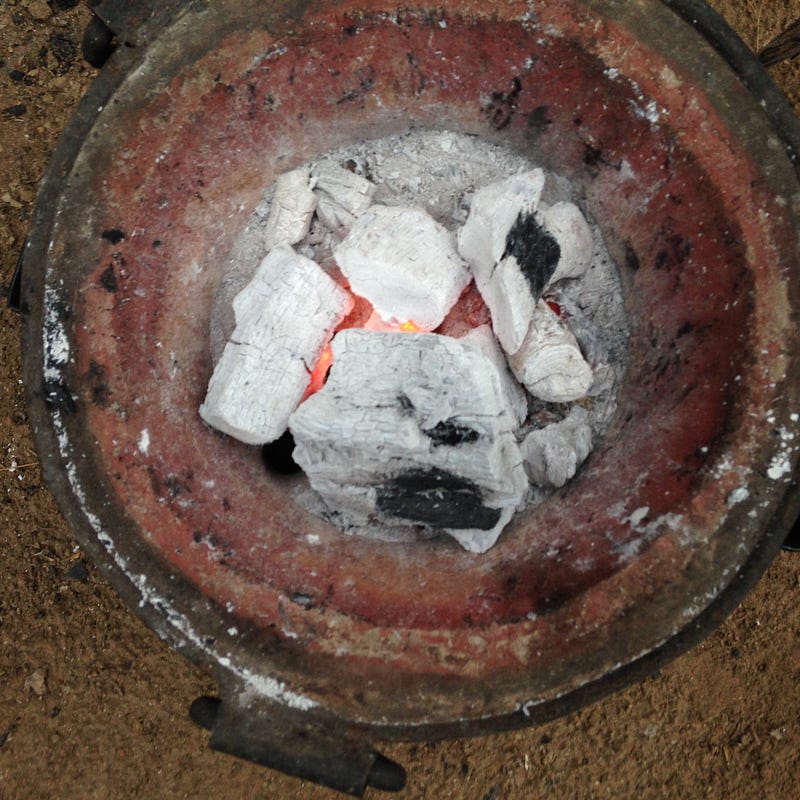
Most of the time, I used charcoal as it was much cheaper. It meant that the cooking time was longer, and I felt like I continuously had black streaks on my face; however, part of me enjoyed the simplicity.
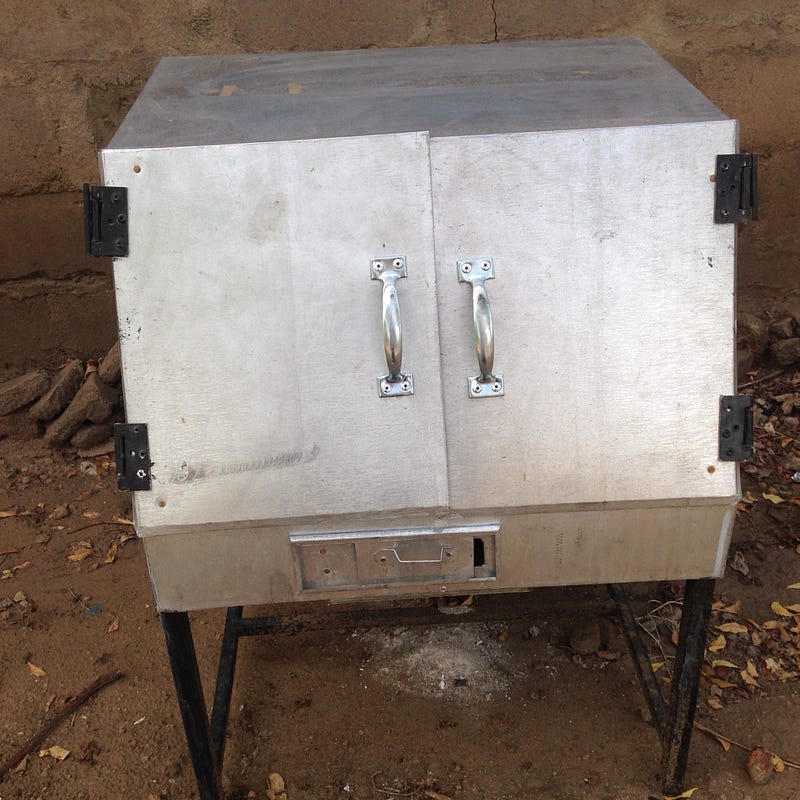
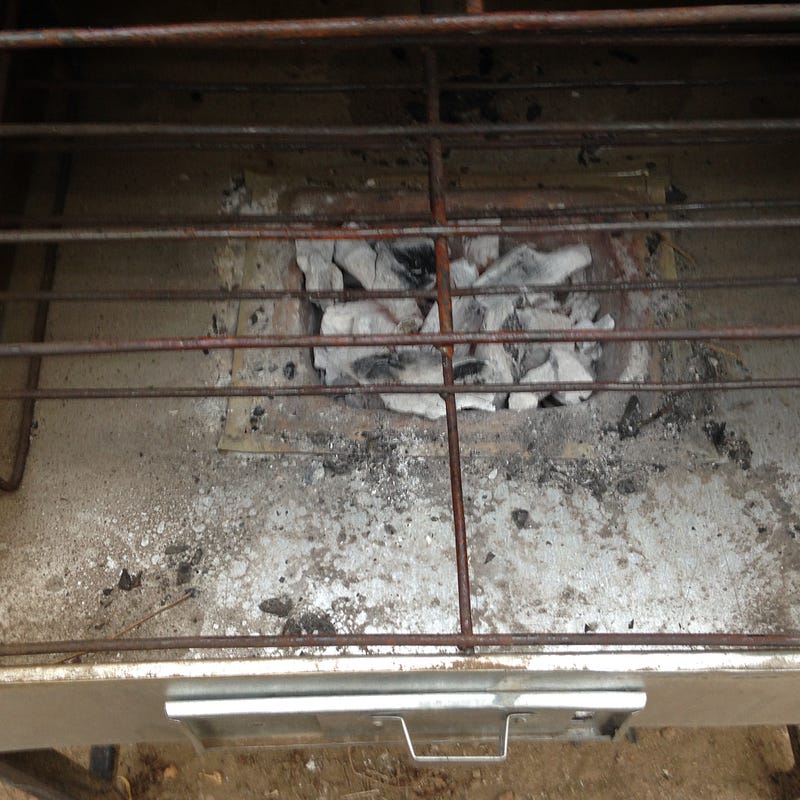
A friend of mine had a charcoal oven which, while it didn’t have a thermostat and didn’t always heat evenly, worked pretty well for cakes and muffins.
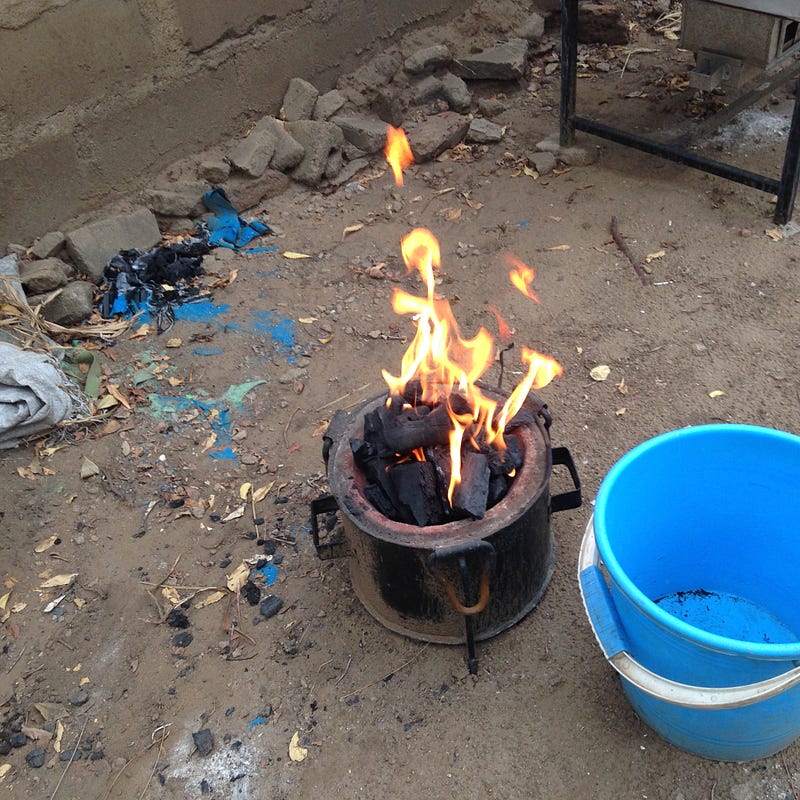
The process was a little more time-consuming. First, you had to light the charcoal.
Then, there needed to be an accelerant to get it going but also something that burned slightly longer so the charcoal would light.
Over time I learned that paper with a little bit of candle wax worked best, although some people did use things like leftover jet fuel or petrol (you needed to be extra careful with where you were standing, though)
Once the coals were hot in the oven, they went, and you had to wait for them to heat.
I never managed to get crispy biscuits/ cookies, but I think that was more due to the margarine, and possibly the oven took longer than regular conventional ones.
It’s amazing what you can make, and Australian classics like ANZAC Biscuits and lamingtons (known to my friends as chocolate coconut things) were a great hit.
Needing to adapt to different cooking environments changed how I viewed cooking and allowed me to be more creative and understand the science behind why certain ingredients are included.
It was impossible to find eggs, and when we had them, the idea of using them in a cake seemed such a waste so often that I used either egg replacement or custard powder.
Likewise, butter was non-existent, and the use of horrible margarine known as Blue Band (if you have spent time in Eastern Africa, you will recognise it), unfortunately, was common.
I love that I have been able to share some of my Australian culture with international friends, which has allowed for some fascinating conversations.
When I left Africa, I took some cookies/biscuits to the clinic where I worked for some staff. It was a great hit; one staff member wanted to know if I could send them some for Christmas.
The postal service there was non-existent, but knowing the story of how the ANZAC biscuits came into existence, they probably would have lasted the trip.
Maybe one day, I will find myself in a situation where my fire lighting and cooking skills will come in handy, but for now, I am thankful to be living somewhere with running water and electricity.
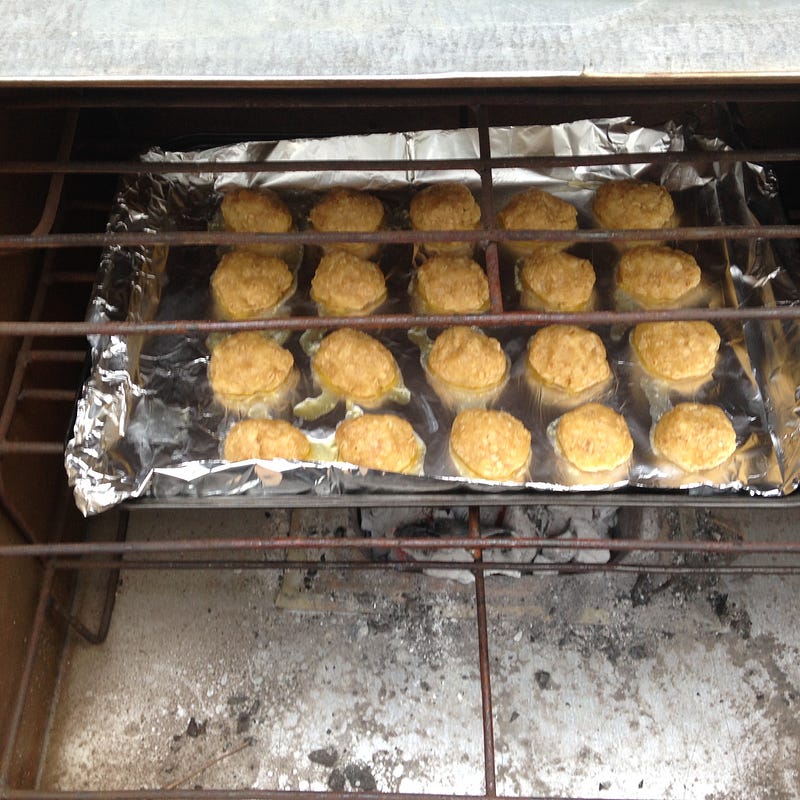
It has also been quite fun going through old photos and reliving travel memories, I hope to be able to share more with you.
If you enjoyed this story, here is another one about my time in rural Africa.
Melissa is passionate about building authentic and supportive communities to empower people to live physically, mentally, and emotionally healthy lives.
You can email her at [email protected] or find her on Twitter and Instagram
Subscribe to Medium through my referral link (I will earn a small commission) to get full access to my writing plus thousands of others! Plus sign up here to get my articles by email!