
Content is the New Black
Here’s how the pleasure economy is changing the rules of engagement for digital creators and entrepreneurs
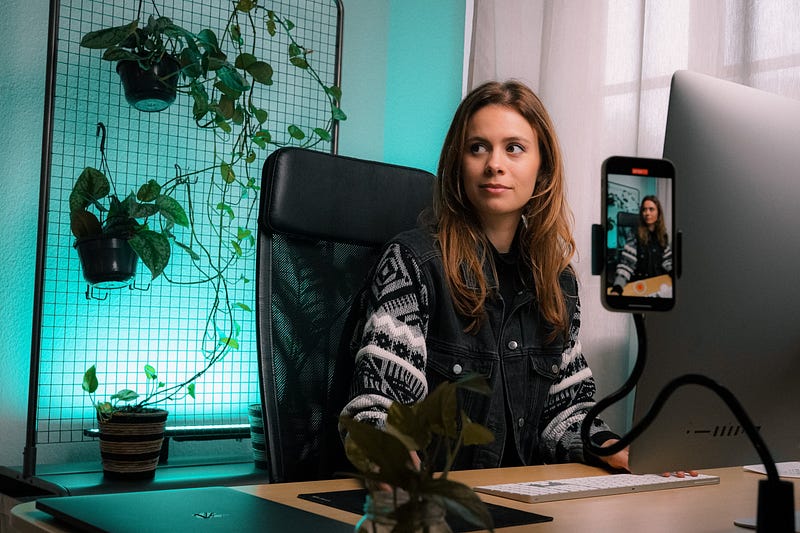
Today’s digital businesses must appeal to a broader consumer base than ever before.
We live in a pleasure-focused society, where people are increasingly not just buying products they need — but experiences they want as well.
The term was coined to describe a growing sphere of activity outside the traditional economy that exists solely to satisfy people.
The pleasure-centered economy creates experiences that are more enjoyable as they are tailored made to our needs and desires.
It’s about taking our need for variety one step further than necessary without making any serious sacrifice in terms of effort or personal cost as opposed to the principles set in stone by the Industrial Age.
Hence, the new digital economy is based on creating more value through user experience (UX) rather than product features alone. Let’s look at how these changes are affecting your business and your content marketing strategy today.
How the pleasure economy is changing content
The pleasure economy is changing how we think about content in several ways.-
The rise of experiential content
As the digital economy transitions from shopping to sharing experiences, brands focus more on how their products make people feel and less on their appearance. This shift creates new opportunities for brands to create highly personalized experiences.
The rise of immediacy
With the immediacy of digital content comes an expectation that that content should be as short or as long as possible — this, however, doesn’t always make sense when it comes to creating content that drives long-term engagement and value.
The rise of a selective audience
As the digitization of media continues at a rapid pace, it’s becoming increasingly common for audiences to be able to choose what and when they want to consume. This leads to the rise of “consequence-free curation,” where audiences are encouraged to share content relevant to them and their interests.
How content creators are taking advantage of the pleasure economy
The rise of the pleasure economy has created a space for creators to produce engaging content without the pressure to drive bottom-line results.
Creating a sense of community
The proliferation of social media has created a sense of community around brands. Brands can now create a sense of community by encouraging conversation between their customers and providing helpful content.
Creating a sense of adventure
The rise of virtual and augmented reality is transforming how we experience the world and create content. Content creators can now take advantage of these new platforms to create experiences that are far more immersive, interactive, and engaging.
How media companies should respond to the pleasure economy
Content is at the heart of the digital economy, and no company bears this responsibility more than media companies. Content is what drives people to your product, brand, or website. It keeps them coming back for more and even recommending it to their friends and family.
With the popularity of over-the-top (OTT) streaming services rapidly rising, media companies must adapt their business models to ensure they’re offering their audience the best experience possible.
Embracing the experience economy
The shift from selling to consuming products has created the need for a broader range of content, including experiential content, curated experiences, and longer-form storytelling. In response, media companies should look to create an experience more about the experience itself than the product.
Adapting business models
With the rise of OTT and subscription services like Netflix, it’s no longer as important as it once was to drive substantial viewership numbers. Instead, media companies must focus on providing their audience with the best overall experience possible.
How streaming services are changing the rules
With the rise of streaming services, the rules of content creation have changed dramatically.
Breaking the rules
The most popular streaming services have broken many of the rules that have governed traditional media. For example, the success of Netflix and YouTube has demonstrated that even the most conventional forms of content can thrive in a digital environment.
Breaking boundaries
The most successful streaming services have been those that have pushed the boundaries of traditional content.
Final thoughts
The digital age has changed the way we consume content. We no longer have to wait for newspapers and television shows to be released in our local paper or on our television. Now, we can get everything from the comfort of our homes at any time of day.
Content creators are now selling their entertainment directly to consumers instead of through traditional media channels with advertising and subscription fees as middlemen.
- This shift has altered how creators make money, changed the rules of engagement, and created a new standard for user experience and value proposition.
- The rise of the pleasure economy means content is becoming more interactive, immersive, and personal — without the need to generate a bottom line.
- It has created many new opportunities for brands, content creators, and media companies to expand their reach and create bigger, more memorable experiences for their audience.
This is an excellent time for brands and content creators to take advantage of the evolving digital economy. The more prepared you are, the better off you’ll be.
References:
Shulzhenko, V.I., et al. (2021). The Economy of Pleasure in the Era of Posthumanism: About the Metamorphoses of the Human Potential of the Near Future, vol 198. Springer, Cham.
Read more about this topic on Start it up:


