
How Creators Can Level the Playing Field in the Permissionless Pleasure-Centered Economy
Is it time for you to change the game?
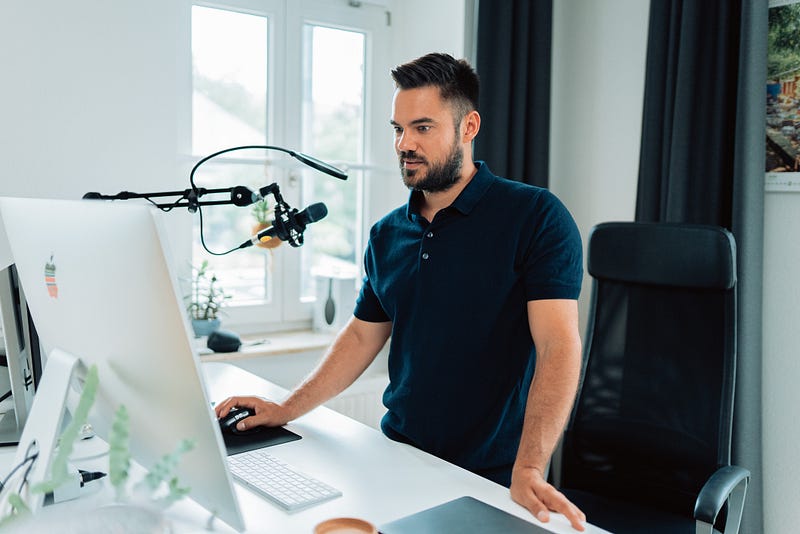
Today, creators and digital entrepreneurs are finding new ways to market their work and build their brands outside the traditional business ecosystem.
With the rise of Web3, individual creators are gaining access to various opportunities that were once only available to large brands and corporations.
The highly decentralized nature of the permission-free, pleasure-centric, new economic paradigm will foster a generation of indie entrepreneurs that will be part of the backbone of a more diverse and equitable society.
For now, our world is still dominated by the large-corporation model, which has its roots in the industrial age and was built on the backs of those who, to this day, don’t have access to even the most basic civil rights.
This pleasure-centered economy is often called the creator economy because it’s built on content created by individuals and small businesses rather than large corporations.
With the rise of social platforms like YouTube, Instagram, TikTok, Twitch, and blockchain-based marketplaces like Rarible, Opensea, Foundation, or Gitcoin, creators now have more ways to showcase their unique talents and share them with a global audience.
Digital content businesses are booming as they enable creators to earn money directly from their content while generating additional revenue streams supporting their monetization goals.
The advent of Web3 has inspired a group of Portuguese creators, influencers, digital entrepreneurs, and semantic web disruptors to form a guild and tackle the new creator economy head-on so that we all can thrive and profit from what lies ahead.
I’ve been sharing all the findings and insights from our webinars in a series of articles. Please stay with me as I take an insider’s look into the digital revolution coming our way.
The Web3 Revolution: is it time to change the game?
The emergence of massive e-commerce platforms such as eBay or Amazon created several challenges regarding ensuring a level playing field among all sellers within a Web2-based marketplace model.
Working with these large companies has made it easy for you to start selling goods online without having any overhead costs associated with running an inventory or fulfillment center.
However, this marketplace cartelization also makes it difficult for other small businesses or solo entrepreneurs who wish to compete against these prominent players due to factors such as marketing budgets, brand recognition, or distribution channels.
A new creator economy is emerging that reinvents how creators, manufacturers, and consumers interact. It’s an economic revolution driven by digital technologies that have transformed the marketplace from one based primarily on physical goods to one based on services, non-fungible tokens, and a vast array of digital products.
This new ecosystem creates opportunities for small companies and individual creators to sell products directly to consumers. The primary challenge for this new ecosystem will be driving greater transparency within a permissionless and decentralized marketplace.
A new generation of entrepreneurs is leveling the playing field
The digital economy is changing the way we live and work. Digital technologies enable us to access information, communicate with others, and do business on an unprecedented scale.
Innovation also enables creators to build new digital businesses that span entertainment, media, commerce, software development, and more.
Nowadays, creators use digital technologies to create original content that specific people or businesses can own. This shift in the way industries operate is being fostered by what is known as the semantic web or Web3.
In return for their output, creators receive compensation that lets them continue creating new content for the public.
Digital technology has made it easier for creators to distribute their content in a manner that directly benefits them financially through advertising revenue, paid subscriptions, or selling use rights over their original works (e.g., gaming apps).
On the other hand, creators understand that today’s consumer values authenticity over ownership and experiences over things.
The same goes for today’s consumer brand loyalty isn’t about owning or showing off your favorite brands but instead engaging with them regularly whenever they release new content or functionalities that you want to use again and again (i.e., recurring engagement).
The need for a new business paradigm
Creators must invest in creating value for their stakeholders. Consumers are looking for experiences over ownership and authenticity over marketing.
This new consumer behavior is forcing entrepreneurs to look at their role in the value chain and see if they can take advantage of new enterprise models that actually reward creatives for their work.
Creators will have to provide authentic experiences for their clients and stakeholders. Consumers want to feel connected to the brands they engage with but don’t want to feel like they are being preached to.
Hence, there are a few risk factors individual entrepreneurs should keep in mind when considering how better to serve the public in the creator economy.
Investing beyond the ad-supported model
Digital entrepreneurs will have to look beyond the ad-supported model and more toward an approach that models the relationship between creators and their audience.
Today, entrepreneurs are accustomed to looking at the consumer as the primary revenue driver of a brand’s business model.
The problem with this is that the consumer doesn’t always have the same value propensities as a brand’s core stakeholders. Therefore, a brand’s strength is often attributed to the consumer’s weaknesses.
As the paradigm shifts to consider the audience as the true stakeholder, the model will shift from a one-way relationship between creators and the audience to a two-way flow channel.
Creators need to focus on value in the pleasure economy
Creators must consider their brand relationship with the public as a two-way partnership. Consumers are expected to actively participate in the partnership by actively seeking, consuming, and investing their time and money with brands in return for value.
As an entrepreneur, you must meet your stakeholders’ needs by creating valuable experiences that are authentic, relevant, and consistent.
To ensure this partnership remains strong, stakeholders must feel like they have a voice in the business model that is generating profit for the brand.
Final thoughts
The new Web3 business paradigm connects creators and consumers and responds to the public’s desire to engage with their products or services in new ways.
Digital entrepreneurs must develop a more creative approach and move beyond selling advertising services to their stakeholders. On the other hand, creators need to adopt an entrepreneur’s mindset to meet their stakeholders’ expectations.
Suppose you want to succeed as a creator in the new semantic web model and be part of the revolution that will level the playing field. In that case, you need to become an expert in your area and understand the importance of engagement for audience development.
You’ll have to break the rules and engagement and always strive to reward your stakeholders and promote general consumer satisfaction.
Welcome to the pleasure-centered economy. Is it time for you to change the game?
⭐️ Sign up through this link. Support your favorite platform and its talented authors. You’ll boost our community’s success and support my work with a small commission, all while gaining exclusive perks and benefits as a member.


