
Connection- We Need It More Than Ever

We are all so much together, but we are all dying of loneliness.
Albert Schweitzer- theologian and philosopher
My mother died in January, and it hit everyone hard. She was the glue that kept our family together, and suddenly, she was gone. I still think about her all the time. But recently something my son said struck me, and it made me think about the things that she did to make others feel special. Things that most of us enjoyed but don’t do ourselves anymore. And what a shame it is that as technology has changed our lives, the most part for the better, how the disconnections from other people have become more significant.
Because my mother lived in another state, my son wouldn’t have seen her on his birthday. But she never ever forgot to send a card, and it was also highly unlikely that it didn’t come early. She was very serious about not wanting anyone to think she didn’t remember them. Because of the internet, the cost of postage and greetings cards, fewer and fewer people are sending physical cards anymore. But Mom, she had a list on her refrigerator of everyone’s birthday and made sure she never forgot. She sent cards to close and extended family, co-workers, people she knew from church, and friends.
The cards didn’t have to include a lot of writing. They just felt good because she remembered you and went out of her way to let you know.
Emails and social media are how most of us say happy birthday now. We get notifications and send short birthday wishes in front of everyone else the person knows. It’s nice, but it’s not the same. There’s something fun about getting a physical card. Maybe it’s the extra effort spent to get it to the recipient. That they went to the trouble of going to the store, handwriting a message and mailing it.
Technology has amplified loneliness
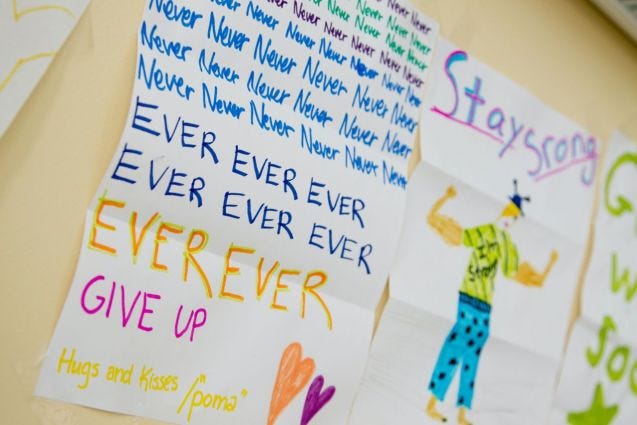
I wrote a post last year on young people attempting suicide, which you can find below. But it’s not only happening to teens; it’s now older people as well. And not surprisingly, studies are pointing to loneliness as a major reason. How is it that technology that has given us contact with more people is making people lonelier than ever before?
Being online seems to create a false sense of connection. While it feels good momentarily to get a lot of likes, it doesn’t stick with you for very long. The next time something is posted and not as many (or nobody) notice, people instantly start to feel insecure about themselves and their relationships.
As this article in Psychology Today points out, when we simply scroll through social media feeds and see what is going on in people’s lives, we further feel alone. But by interacting through comments and starting up conversations, it provides a stronger connection. That connection is mutually beneficial for you and the person you’re connecting with.
COVID-19 shone a light on the importance of face to face connection
Think about the last time you were out at a restaurant, and you looked around. How many people in that restaurant were looking at their phones instead of talking to each other? I bet you saw young kids sitting with a tablet or phone watching a show, so they “behave.” That’s what our reliance on electronic devices looked like before the virus.
The Coronavirus has shown us that we still need the face to face contact for connection. Having to stay away from others has made us miss seeing and hugging our friends and loved ones that don’t live with us. Many people are even missing the people at work that they used to feel they could do without.
Saddest of all is the people that are losing loved ones to this deadly virus. I was very lucky that I got to see my mother before she passed. Although we kept hoping she was going to get better and go home, I’m grateful that I had one last month to spend all of my time with her before she was gone.
But the virus has taken that away from so many people now. If they live separately, they can’t see the person before they are gone. If they are lucky they are getting to see them on video from the hospital. But many can’t even get that.
I can’t imagine the unbearable pain of losing someone in this way. So if you know or hear of someone that has experienced a loss from the virus, take extra care of them and allow them more time to grieve. Help them to connect to a grief counselor or grief group via video chats. Or simply be there for them when they reach out to you. You can’t possibly know how much those simple steps might mean.
What can we do to improve connection:
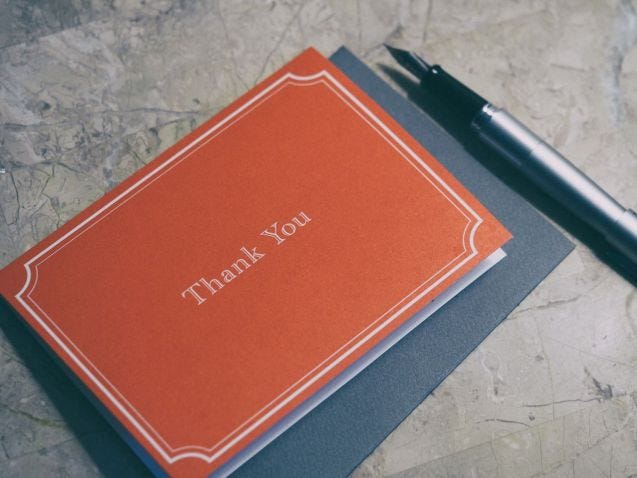
You can improve the connection with others through simple actions. Buy a box of inexpensive generic cards, so you have them on hand for any occasion. Make yourself a list of everyone’s birthday and other special dates. You can put them in a calendar, but you will have to update the calendar every year.
At the beginning of every month, set aside a little time to write short notes in the cards that will go out for that month. Put stamps on the envelopes, and they are ready to send out at least a week before the date they need to arrive.
Go one step farther and pick up the phone and call them. Check-in on how they are doing, ask about them, reconnect again. Especially if you don’t live near them.
Reconnect more often
Turn off the television and put away all electronic devices at shared mealtimes. Play board or card games. Do a puzzle together. Talk about your week, work, school, etc.
All of this may seem pretty basic, but it’s not anymore. It’s so easy to fall into the habit of not keeping in touch and maintaining our connection. But when someone is gone, it’s only then that we realize how badly we want that time with them back.


