
Congressman Alcee Hastings-Celebrating the legacy of an Activist
A longtime Florida congressman dies at 84 years old, RIP
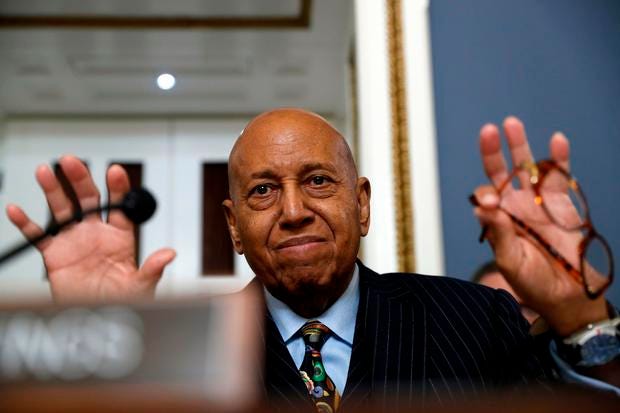
Representative Alcee Hastings became known as one of the fiercest longtime liberalist who lived a life championing equal rights and justice for all even in the midst of being dogged through his career that put a slow halt to his fast-climbing judicial career due to an impeachment. Mr. Hastings’ voice was loudly heard during the House Rules Committee hearing on the impeachment of Former President Trump, on December 17, 2019.
He lived as he died with determination to make a difference with every breath of his being for equal justice, practically unstoppable even until death, aka a fighting spirit who dedicated all to humanity. He exemplified respect for humanity and demanded that all people deserved equal respect. His belief, “progress and change can only be achieved through recognizing and respecting the humanity of all mankind.” He was an outspoken critic against injustice and a voice for the unheard. Also known as an advocate for minorities, a defender of Israel and voice for LGBT community, immigrants, women and the elderly while being or holding a senior posts on the House Rules Committee and the Helsinki Commission. Within this capacity he was able to do outreach to other countries on a variety of multinational issues, with a commanding and dominating voice, even in the face of the constant reminder of his impeachment that became a nagging footnote as it somewhat affected his rise in leadership and as a statesman.
Even in the face of much seniority, Mr. Hastings’ past lived in his present and future as he was denied the role of chairmanship of the House Intelligence Committee in 2006, but he held steadfast with determination to continue his fight and not be discouraged by naysayers with the intent to silence him. This resolve could be heard in his words, “Sorry, haters, God is not finished with me yet.” A testament to his popularity, from his mostly democratic district, he garnered 80% of the vote in the November election.
Mr. Hastings was born September 5, 1936, in Altamonte Springs, Florida and was raised in humble beginnings where his mother was a maid and his father a butler in the Black Orlando suburb. After high school, he attended Fisk University and Florida A&M, thereby earned his law degree which spearheaded his private practice where he took on civil rights cases pro bono. Wanting to continue to make a difference in society, he made an unsuccessful bid for the Senate in 1970, then earned a state judgeship. In 1979, former President Cater name Mr. Hastings to the federal bench, the first Black person to hold a federal judgeship in Florida since Reconstruction.
As a harsh critic of the late President Reagan during a rally in 1984 where Jesse Jackson was bidding as a presidential candidate, many challenged him while being a sitting judge would speak such harsh words was not in his best interest as it showed him being impartial. Mr. Hastings saw nothing wrong with his words of expression and later stated that he spoke out because he was a citizen first and foremost and he had the interests of a great number of the under privileged at heart. He stated, “I think it’s better to have public officials express themselves. I don’t think being a judge means I’m neutered.” Regretfully, his outspokenness begun to derail his judicial career, as he became the first sitting U.S. judge tried on criminal charges. Also, Mr. Hastings found himself caught in some bribery scheme with another Washington lawyer, William Borders Jr. who was convicted and sentenced to five years, as he was acquitted as he state that Mr. Borders acted alone. His behavior was yet being questioned again and again pertaining to his ethics. The House impeached him in 1988 and the Senate convicted him in 1989.
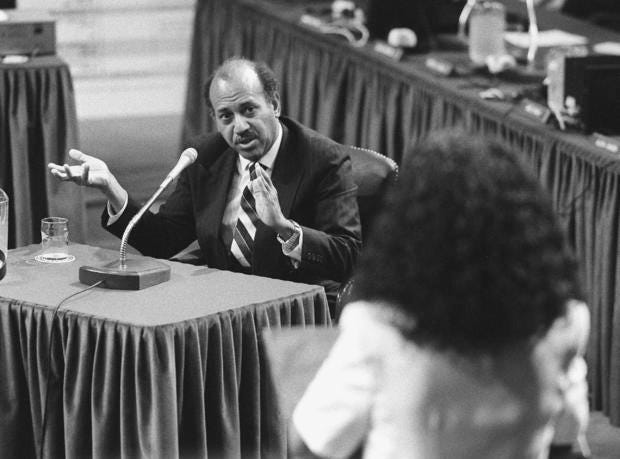
These impeachments were overturned as it was stated that Mr. Hastings did not receive a fair trial via a 12-member panel instead of the full Senate, but his exoneration was short-lived. His saga continued, as the Supreme Court decided 7–2 that courts could not second-guess the Senate’s power to remove federal officials from office. Mr. Hastings always said that God was not through with him yet went on to win a seat in Congress in 1992 as he was installed by the very same body that had impeached him. His career was lightly marred by accusations of sexual harassment lawsuit that he was cleared from due to no credible evidence.
Mr. Hastings summarized his climbs and temporary falls, “I’ve enjoyed some of the fights, and even the process of being indicted and removed from the bench, and all of those are extraordinary types of circumstances that would cause lesser people to buckle. I did not and I have not.” Mr. Hastings, a champion of humanity, died of pancreatic cancer as he was diagnosed two years ago. His death, lowers the Democrats’ majority to a scant 218–211 in the House. May Mr. Hastings rest in peace, now God has called him home because he fought the good fight, aka “Good Trouble” and his work is now done on earth. RIP Congressman Hastings
For additional reads:


