
Combo Your Headline With The Right Picture to Earn Commas
Hogan Torah’s new 2022 Sharethrough headline analyzer guide and how to find the best pictures
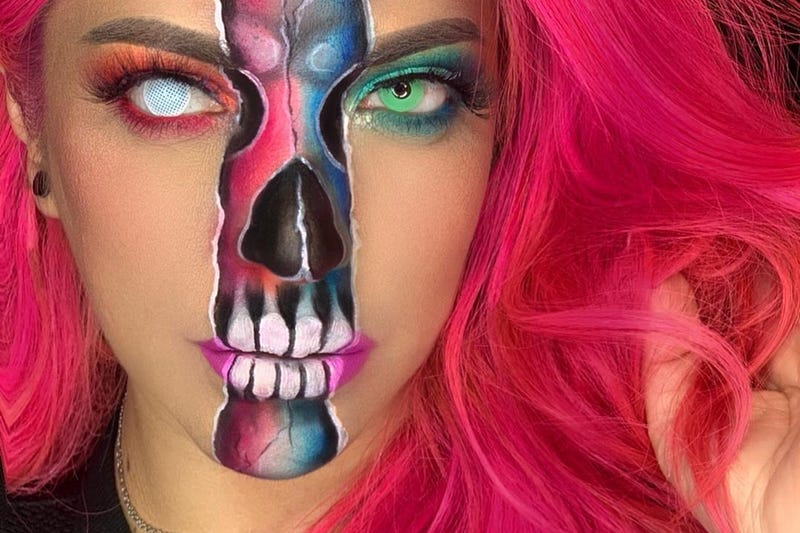
The biggest mistake I see new writers make on Medium is putting all their effort into their story and treating the title and pictures as an afterthought. When members scroll in the app, they see your name, the title, and a feature picture. It doesn’t matter what you spent hours writing if your title and picture don’t attract attention.
The title is a Medium stories most critical component. A good title gets the readers attention, tells you what the story is about, but leaves them wanting more so they click. The words you use and the order you put them together determines if your story will be a success or if it spends it’s time in obscurity.
It doesn’t matter how good the story is, if the title sucks no one will read it.
To get the readers attention you need an eye-catching photo that hasn’t been used a billion times. Don’t use the Unsplash widget! I’ll tell you why and show you where I go to get the best pictures that will make your story pop.
At the end I’m going to explain how to find photos that combine with your title to give your story a superman push resulting on more eyes on your work.
Headline
Most writers new on Medium have never written a title like this. Writing a title for a book is not the same as a headline for a story. My early Medium headlines were not good. My stories were great but no one knew I existed.
That all changed when I figured out how to use the headline analyzer’s data to correctly predict if a story was going to be a success based on the title.
The Sharethrough Headline Analyzer
Forget trying to learn something intangible, let AI figure it out. We’re living in the 21st century. Let the robots look at it.
Sharethrough is an AI assisted marketing company. They offer this for free to show the world they know their stuff. Sharethrough is purposely vague about how it works. There’s very little documentation and what there is is filled with jargon and acronyms I don’t understand. According to Sharethrough:
The Headline Quality Score is based on a multivariate linguistic algorithm built on the principles of Behavior Model theory and Sharethrough’s neuroscience and advertising research. The algorithm takes into account more than 300 unique variables, including EEG data and Natural Language Processing, enabling your native ads to capture attention, increase engagement and deliver a stronger impression.
I understood none of that but it sounds neat.
While researching a story I was writing about headline analyzers being garbage, I tested my most successful stories against my least successful and realized the Sharethrough headline analyzer does work remarkably well if used correctly.
This headline analyzer is as close to anything I’ve found that gives a clue to how the platform works. It’s correct 97% of the time. I assume Medium’s AI works much the same way. Let’s look at this title.
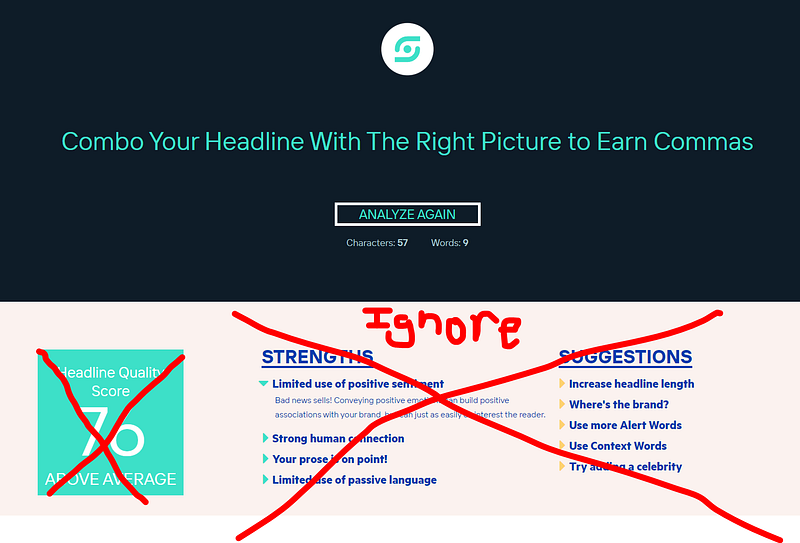
Ignore the first data it gives you. The strengths and suggestions are referring to a different kind of headline that I’ll explain. This is not specifically made for Medium.
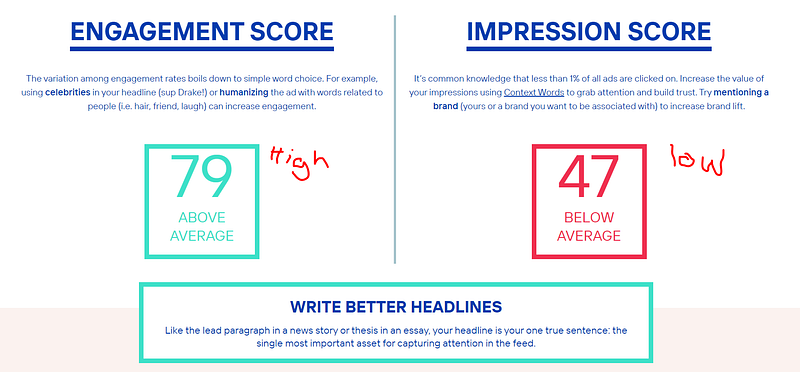
Engagement score is everything. That’s how likely someone is to click on the story. That’s the number that matters and you want it to be as high as possible.
Impression score refers to the impression of your brand someone gets when they read the headline. It’s more for Facebook ad titles than stories on Medium. It doesn’t matter what they think of you, you need them to click! And having a negative tone in the title get’s clicks and will lower your impression score. A lower impression score is more eye-catching. So my 79 engagement and 47 impression is a very good score.
But if I got an 85 engagement and an 80 impression I’d go with that. Engagement is always the more important number, don’t worry about the impression score unless it’s to decide between titles.
I wouldn’t publish a title that gets under a 65 engagement. 70 is good enough to stop there. 80 is going to do well. above a 90 you may go viral. Remember the shorter the title the better.
Where most writers go wrong with the headline analyzer is trying to add all of the suggestions to their original title to get a higher score.
Don’t do that. If you get a low score, re-write your headline instead of adding to it. Otherwise you end up with something like:
Seven Reasons All The Greatest Writers in The History of The World Aren’t Afraid to Always Choose Powerful Headlines to Alert John Cena’s Eyes Attention
Which gives me an almost perfect score.
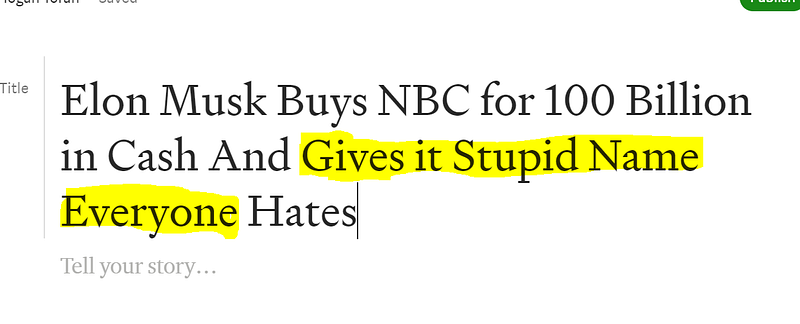
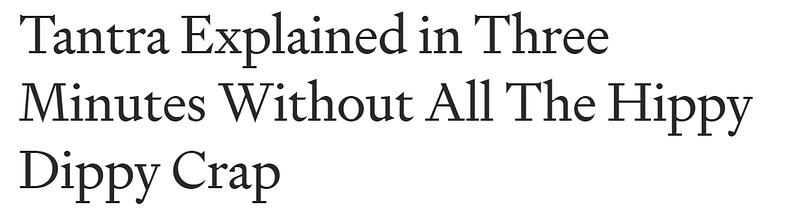
However, the story proved to be one of my worst performing stories ever. A paragraph length title might work elsewhere but on Medium you want your title to be between 45 and 75 characters. Or between the two lines below when writing on desktop.
- Be sure your title tells people what they’re about to read. It doesn’t matter how high the Sharethrough score is if people don’t know what the story is about they won’t click.
- Don’t try to write a headline using the analyzer. What I mean is don’t add words to the headline analyzer. The goal is to get the highest score using the least amount of words. If your first headline does a low number write another headline from scratch.
- Don’t overdo it with the adjectives. One or two is fine.
- Numbers and asking why is played out. It works but creativity works better
- Get cleaver, get silly.


Pictures
A good picture will help your story more than a bad picture will hurt it. Still, putting time and effort into your picture is worth it. First and most importantly:
Never use the Unsplash widget built into Medium. The pictures in there haven’t been updated since they added the feature. Everyone uses them. Doesn’t matter how far back you go, they’re all played out and sucked in the first place.
Your picture should be no less than 1300px wide with 2000px or larger suggested. The larger the better but the larger the picture the slower it will load. Medium uses a 3:2 format for displaying your story in the feed. Try not to use long pictures or trim them into 3:2 horizontal format.
I’m not opposed to using a picture of yourself, but make sure the picture is of good quality and well lit. It should look as good or better than the stock photos.
Pexels
Get your pictures from Pexels. They’re the newest license free stock photo site and the best. Create a profile and it saves your likes. They have the most new pictures added daily, their search is awesome.
Create your profile then start browsing and liking pictures. I always start with the new pictures. I let my mind go blank and I scroll. When something catches my eye, I press like. If you find a picture that’s been liked more than 1k times it’s played out. The first 40 in any search have been used to death. Scroll down before you start liking.
Another important thing is how it will look on a cellphone. It might look cool on your desktop but when people on a phone see it they’re looking at static.
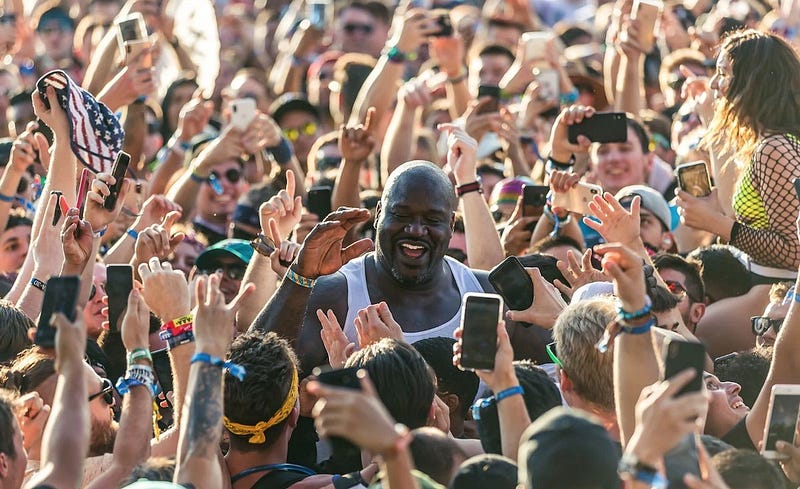

You want to use a light picture. Shadows are bad. These pictures would be great if they weren’t so dark. Try to avoid pictures that are more than 50% dark. Black and white is fine but again, not more than 50% dark. They never do well.
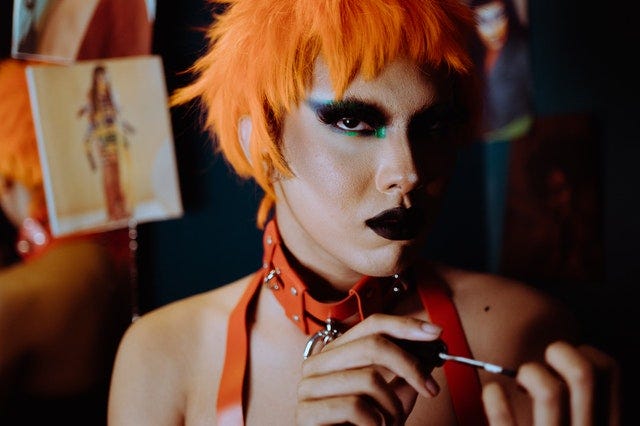

I like the other colors and it scales okay but the dark kills it.
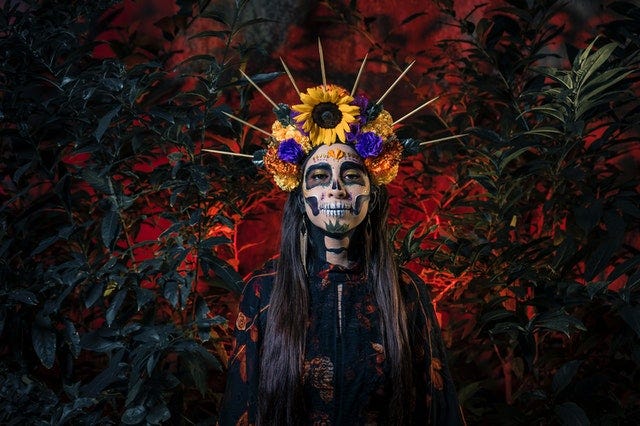

Perfect example of a picture that looks amazing on a desktop but like a pimple on a phone. Too dark.
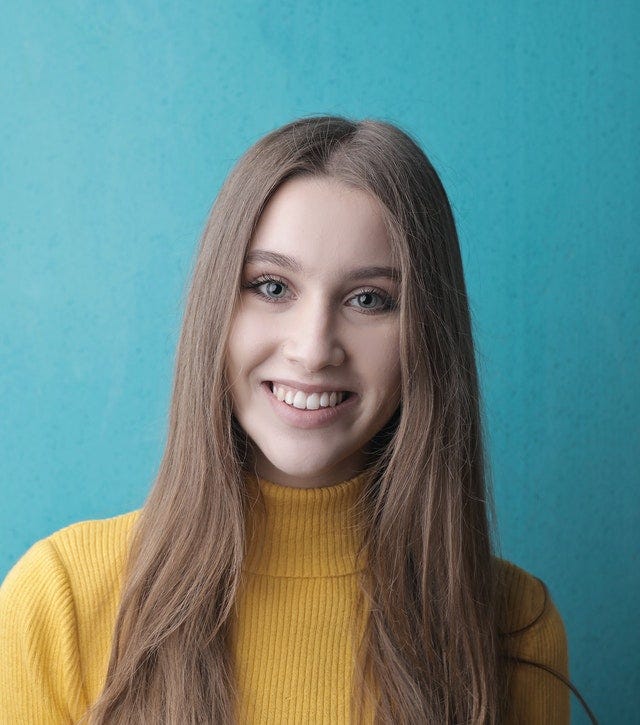

It’s a bright picture but it’s not 3:4. I use the photos program in windows to crop this picture to the correct ratio and choose where I put the focus.
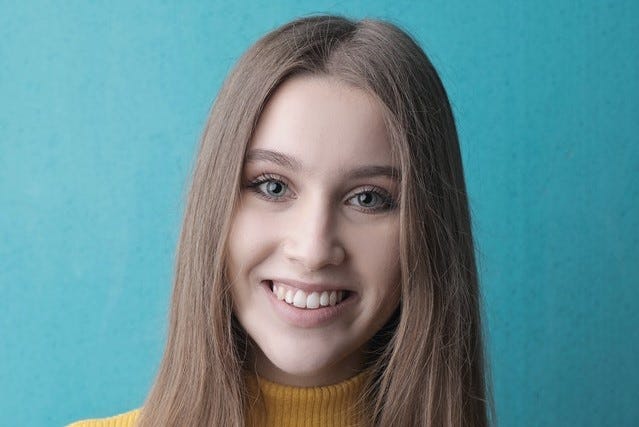
Don’t use long photos for your feature photo. If you must use long photos, you will need to change the focus of the picture. Hold down alt and click the mouse button in the edit story screen to change the focus.
Best pictures are pictures of faces of striking looking people taken up close. Pictures of one but not more than two people. Lots of bright colors. Ethnicity and sex is irrelevant it’s all about attitude. Black people do not count towards the 50% dark ratio. Don’t be silly.
You find better pictures when you’re not looking for specific pictures. Try to have a stash to choose from.
Your picture doesn’t have to have anything to do with your story. If you are writing about writing. Don’t. If you must don’t use a picture of writing accessories.
Download GIMP and start watching YouTube videos on how to use it to create whatever you want. It’s like Photoshop but free and less confusing.
The picture should look modern. The clothes should be modern. Bungirl has aged out. She was my go to two years ago. Today the style is aged. It looks like an old picture.
If you find a picture that looks really cool that breaks all these rules, use it. What do I know? Really cool pictures trump all.
Don’t use inanimate objects. No neon signs. Never use a desk, or pencil and paper, and for the love of god never, ever, ever use a typewriter.
Headline picture combos
These are the hardest to hit. There’s no doing these at will. It happens when it happens. It can boost a story like crazy when you hit one.
To increase the chance you hit one I recommend looking for pictures separate time from the story. When you look for pictures you should always be looking for good pictures, not just the one story you’re currently looking for. Log in to Pexels, save your likes, after you write a story you have hundreds to choose from.
Let me show you.
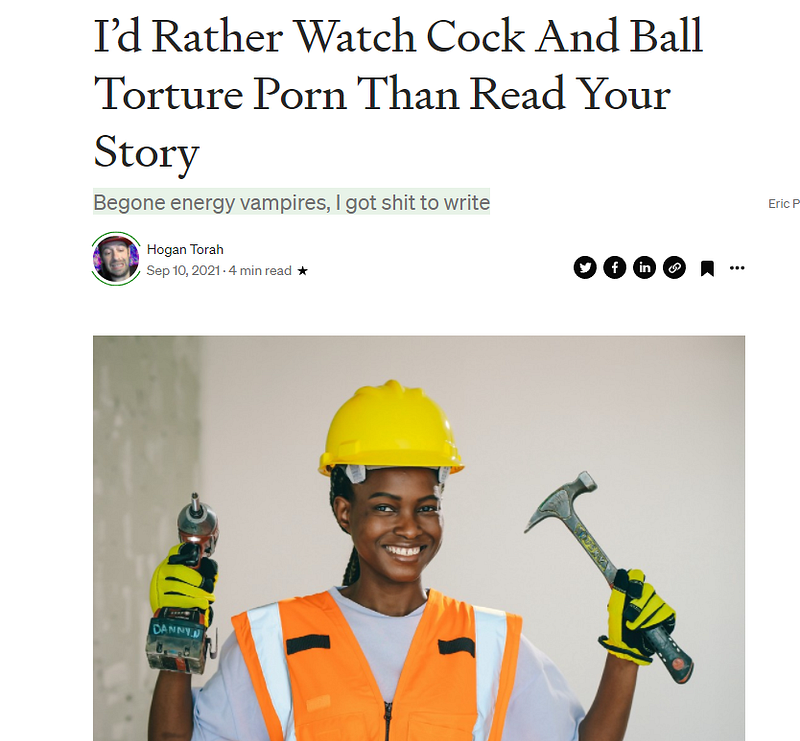
I wrote the headline first. I had seen the model a month before and liked the picture. I had nothing to use her in then, but I liked the picture. As soon as I saw it together I knew I hit a combo. Over 3k claps and counting.
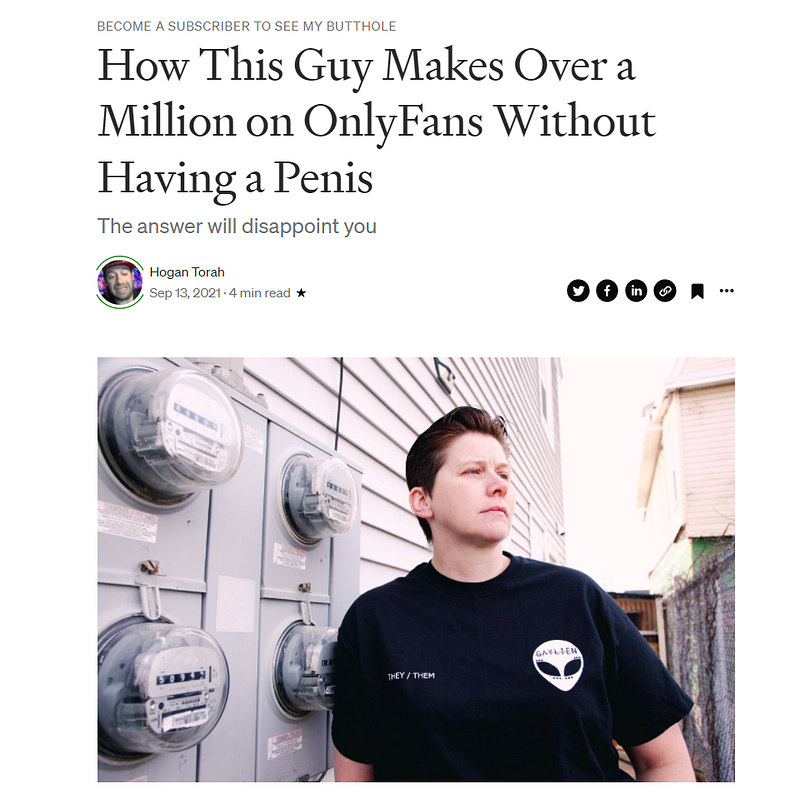
I got really lucky on this one. The whole story revolved around a woman who looked androgynous or butch. I typed in butch to pexels and there she was and pictures of her doing a ton of other stuff that was perfect for my story. That’s a combo.
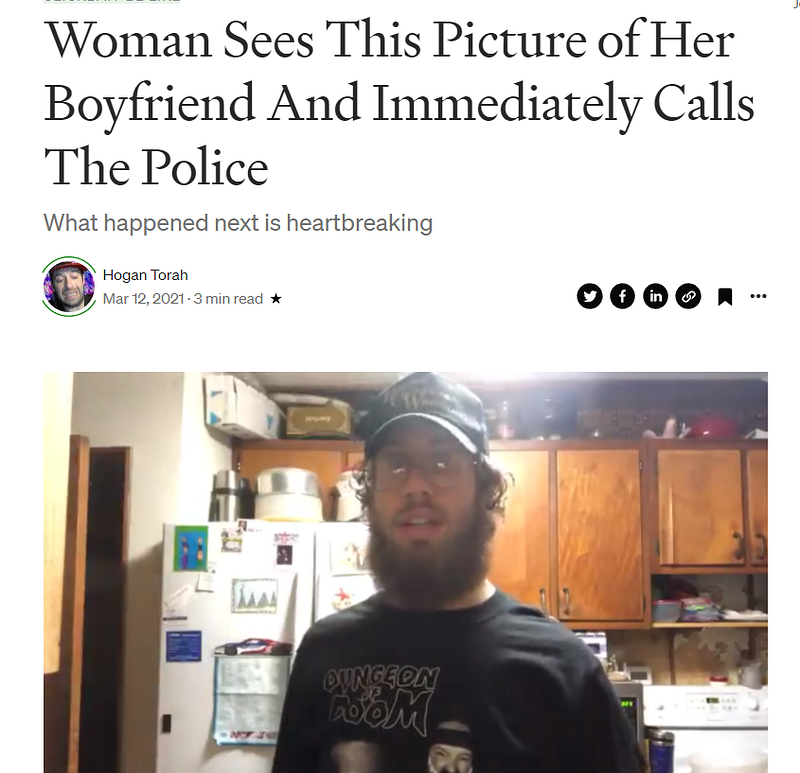
This breaks most of my rules but it worked. That’s my friend Emil Jay. Some dude from Jersey I found on Twitter. I liked his esthetic and his review videos. I asked if it was okay if I put him in my stories. He said sure. This story has 17k hits and earned 1,300 to date. I told him he was a star when I first saw him and today he’s the voice of GCW wrestling.
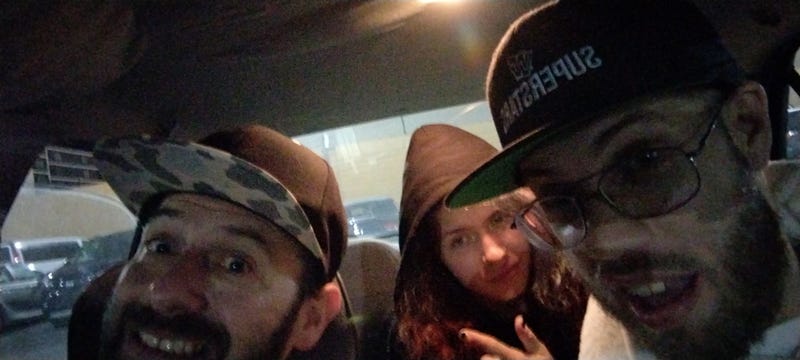
Here’s a link to my favorite picture stash in Pexels.


