avatarErika Burkhalter

Free AI web copilot to create summaries, insights and extended knowledge, download it at here

3073

Abstract

/cdn-images-1.readmedium.com/v2/resize:fit:800/1*D3w3yqODQzuXaC8tCWHwEQ.jpeg"><figcaption>Showy Mexican Milkweed needs to be cut down in December and February. Photo ©Erika Burkhalter.</figcaption></figure><p id="5ffa">Daisies, also, danced across the garden until just a few weeks ago. Planted by a handful of seeds thrown to the moist earth several years ago, they have figured out exactly which spot of garden they most prefer. It doesn’t really matter to them, or to me, that they were originally supposed to grow in the “decorative” part of the garden, but that they (maybe somewhat like an opinionated teenager) have decided that their place is right in the middle of a section of groundcover.</p><figure id="fbe3"><img src="https://cdn-images-1.readmedium.com/v2/resize:fit:800/1*Ozciv06aV0TBIOBiVWWE0w.jpeg"><figcaption>Summer Daisies grow wherever they like, on their own terms. Photo ©Erika Burkhalter.</figcaption></figure><p id="bfa6">The Fireworks Gomphrena reached for the sun beside purple scabia, hollyhocks, foxglove and Calla Lilies in my very bright front yard.</p><figure id="3e65"><img src="https://cdn-images-1.readmedium.com/v2/resize:fit:800/1*iIVbgqsrG-mgY9DsRnHTkw.jpeg"><figcaption>Fireworks Gomphrena. Photo ©Erika Burkhalter.</figcaption></figure><figure id="efdb"><img src="https://cdn-images-1.readmedium.com/v2/resize:fit:800/1*lI_RcXNcWrGmcNT5pdczqQ.jpeg"><figcaption>Calla Lilly. Photo ©Erika Burkhalter.</figcaption></figure><p id="edcd">Our little espaliered apple tree produced more fruit this year than it has in its five-year lifespan. It’s too bad that the racoons were the recipients of the bounty. But I suppose the raccoons deserve the apples as much as I do. They are highly intelligent little problem solvers. I have a vision of them having a party one night, feasting on apples and birdseed (which they also steal, despite all of my, apparently, not-so-brilliant plans to thwart them).</p><figure id="6db0"><img src="https://cdn-images-1.readmedium.com/v2/resize:fit:800/1*uQwZAZj2iVhG2Y3QYWbjIA.jpeg"><figcaption>Apple Blossom. Photo ©Erika Burkhalter.</figcaption></figure><p id="62fb">We watched the <a href="https://readmedium.com/iris-jacquesiana-a-heritage-iris-from-1839-487b12a075f">irises’</a> papery petals catch the glow of many a sunset this summer too. Their fuzzy yellow tongues seemed to lap up the warmth of the rays. And they flared their purple skirts on the breeze.</p><figure id="c571"><img src="https://cdn-images-1.readmedium.com/v2/resize:fit:800/1*bfdLEa3fXtqCPhcCTeTAHg.jpeg"><figcaption><a href="https://readmedium.com/iris-jacquesiana-a-heritage-iris-from-1839-487b12a075f">Iris Jacquesiana</a>. Photo ©Erika Burkhalter.</figcaption></figure><p id="82a1">This time of year, dense fog blankets the hillsides many mornings, but burns off to hot and humid afternoons. The Dahlias are still thriving. The bees still flock to the fussy Borage.</p><figure id="0c0d"><img src="https://cdn-images-1.readmedium.com/v2/resize:fit:800/1*jU9aB-4TosOOqKkGREfaow.png"><figcaption>Borage. Photo ©Erika Burkhalter</f

Options

igcaption></figure><p id="1997">The Lilies of the Nile are done. I have harvested their seeds and sprinkled them on top of the hill, in the dappled shade, where I do not know if they will thrive, but I have high hopes.</p><figure id="0d0b"><img src="https://cdn-images-1.readmedium.com/v2/resize:fit:800/1*AlIPwYLB0Yb91SS119v-5A.jpeg"><figcaption>Lily of the Nile. Photo ©Erika Burkhalter</figcaption></figure><p id="13ca">The hydrangeas, or “Grandmother Flowers,” as my Louisiana husband calls them, are fading back to green, as they do this time of year.</p><figure id="0ae8"><img src="https://cdn-images-1.readmedium.com/v2/resize:fit:800/1*ZHq9-iV5SeeEnobyUSG0iw.jpeg"><figcaption>Hydrangeas. Photo ©Erika Burkhalter.</figcaption></figure><p id="0bb3">Fall is upon us. The nights are shorter. The days linger in soft warmth, and fade, more quickly, to periwinkle sunsets. The parrots, who cannot fly in a straight line, meander in chattering cliques, squawking about their day, passing over our house a bit earlier as they fly into the pinkening western sky.</p><p id="46ff">This time of year, like the Love in a Mist seedpods incubating next year’s flowers, seems to be a time of creation. It is not a time to rush, but rather a time to slow down and smell the roses, to inhale the musty moss, to breathe in the foggy, misty mornings…a time to gather moments of introspection and reflection.</p><p id="3a71">I hope you take the time to enjoy it!</p><p id="d44f">Erika Burkhalter is a yogi, cat-mom, photographer, and lover of travel and nature, spreading her love and amazement for Mother Earth’s glories, one photo, poem or story at a time. (MS Neuropsychology, MA Yoga Studies).</p><p id="4d25">I hope that you enjoyed this glimpse into a fall moment in a “sort-of-wild”, Southern California garden.</p><p id="948a">You might also enjoy:</p><div id="df22" class="link-block"> <a href="https://readmedium.com/above-the-arctic-circle-fd662cc76677"> <div> <div> <h2>Above the Arctic Circle</h2> <div><h3>Kayaking in Tromsø, Norway</h3></div> <div><p>medium.com</p></div> </div> <div> <div style="background-image: url(https://miro.readmedium.com/v2/resize:fit:320/1*vEedVSAl9An3ojZj-1y5WA.jpeg)"></div> </div> </div> </a> </div><div id="089d" class="link-block"> <a href="https://readmedium.com/the-blossoming-of-a-prickly-pear-6abf563ba727"> <div> <div> <h2>The Blossoming of a Prickly Pear</h2> <div><h3>Such Delicacy Amidst the Thorns</h3></div> <div><p>medium.com</p></div> </div> <div> <div style="background-image: url(https://miro.readmedium.com/v2/resize:fit:320/1*20NMgu_oGvz6XM2AcQyBPQ.jpeg)"></div> </div> </div> </a> </div><p id="84c4">Story and photos ©Erika Burkhalter. All rights reserved.</p></article></body>

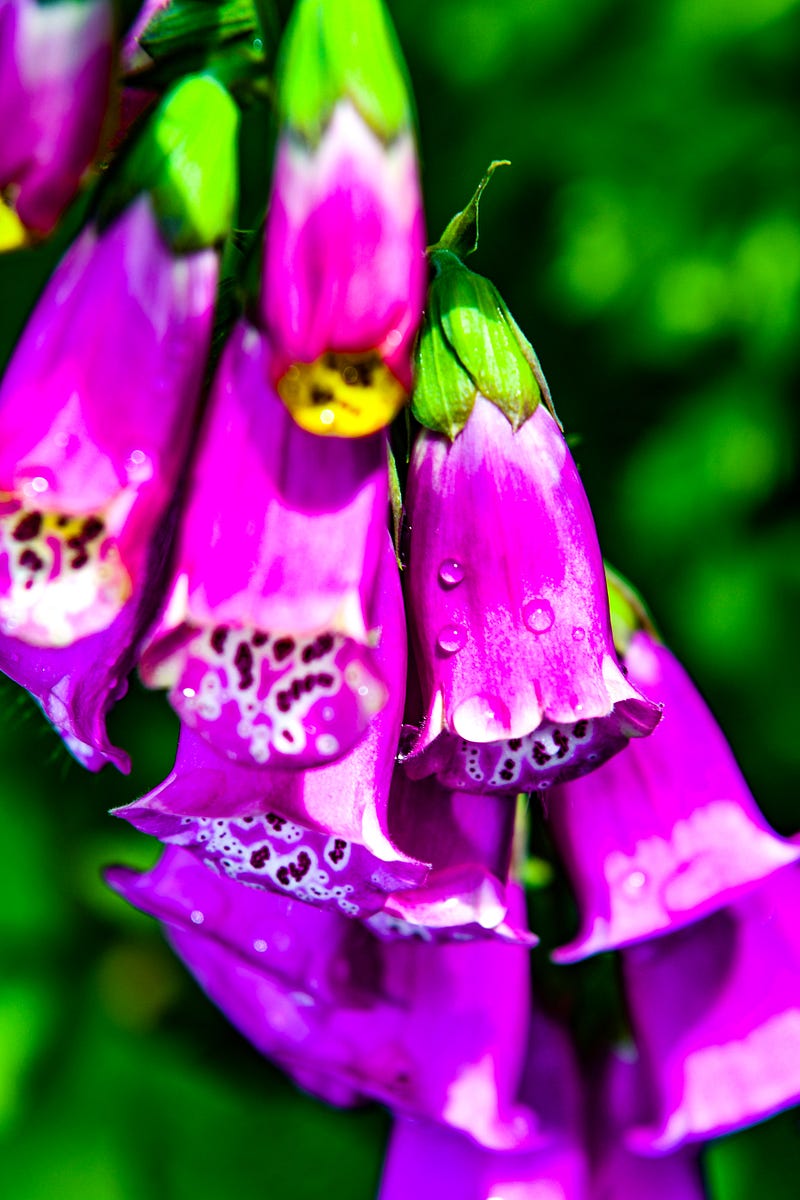
Foxgloves and dewdrops. Photo ©Erika Burkhalter.

Colors of California

Fall Transitions

As the sun begins to shift, casting longer shadows over my garden and scorching the seedpods still clinging to the drying stems of some of my summer flowers, I also feel a shift within myself. This time of year has always felt like a time for both new growth and for lingering moments of introspection. At the height of summer, poppies and Ranunculus teased the bees and butterflies with their showiness. But, as fall begins to creep into the edges of my perspective, I notice the shift towards heavier-stemmed plants and, also, a sense of preparation, both in the flowers and in myself, for the upcoming shorter days.
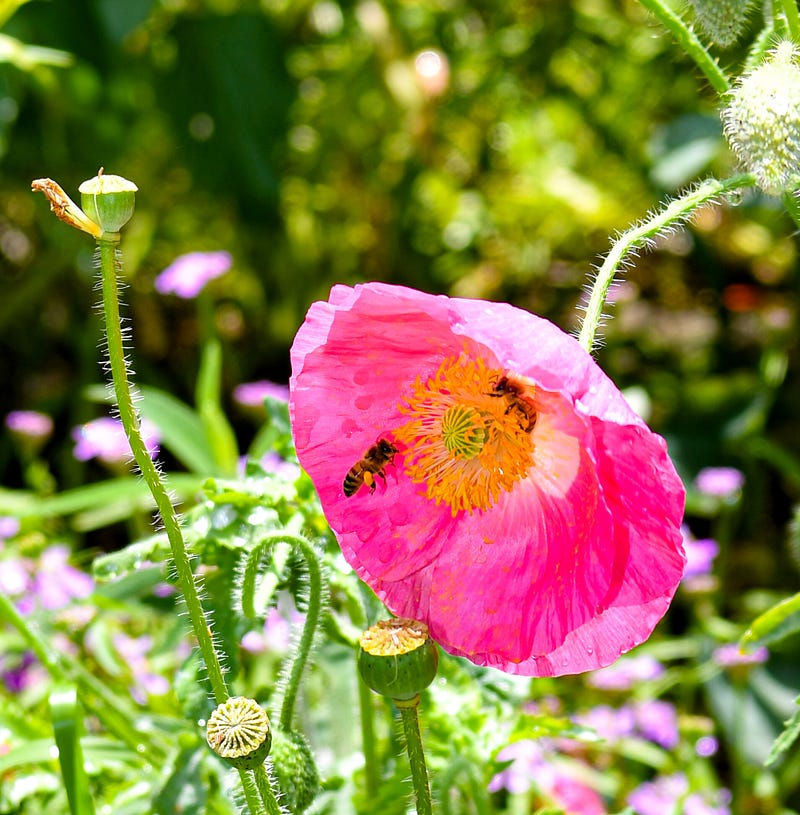
Summer poppy teasing the bees. Photo ©Erika Burkhalter.

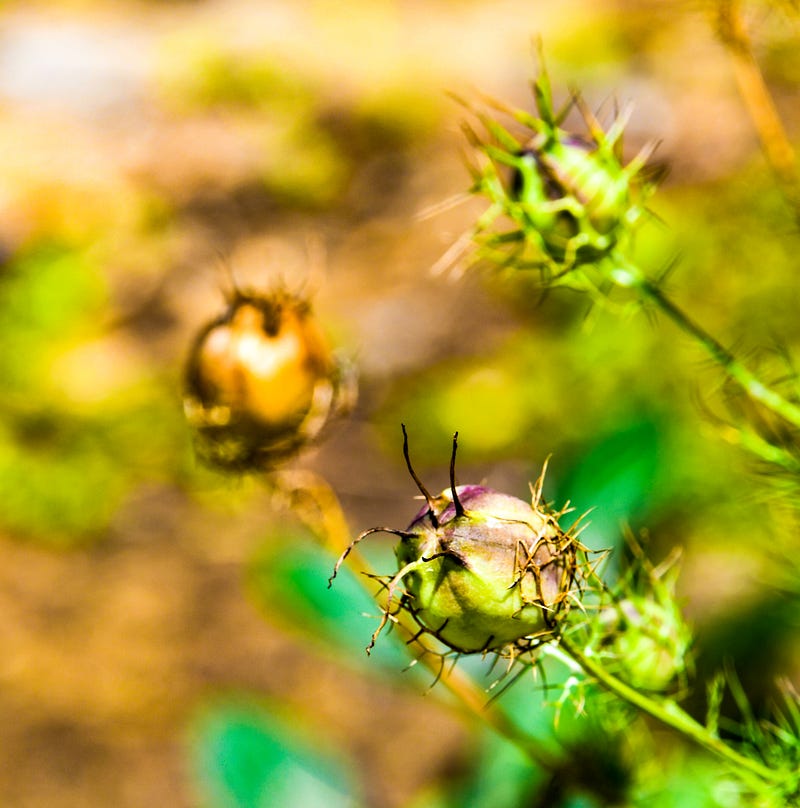
Summer flowers are flashy, exploding with color, dancing over delicate leaves. The lacy “Love in a Mist” hovers, like a cloud of purple, at knee-height for most of the season. But now, most of the life force has been drawn back into brittle shells, cradling next year’s seeds. I find these striped wombs of creation to be almost as beautiful as the flowers themselves.
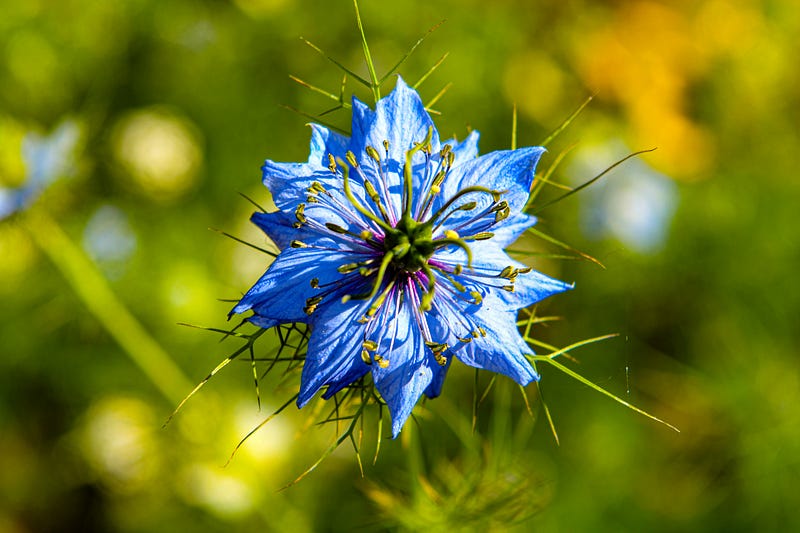
Love in a Mist. Photo ©Erika Burkhalter.
“Wombs of Creation,” Love in a Mist Seed Pods. Photo ©Erika Burkhalter.

The pink milkweed was lovely this summer too, tiny pink firecrackers exploding from pale green stems. The monarch butterflies were drawn to it all season. Milkweed is one of the only plants which Monarchs, who are endangered now because of all of the pesticide use, can lay their eggs on. It is the perfect food source for the newly-hatched caterpillars.
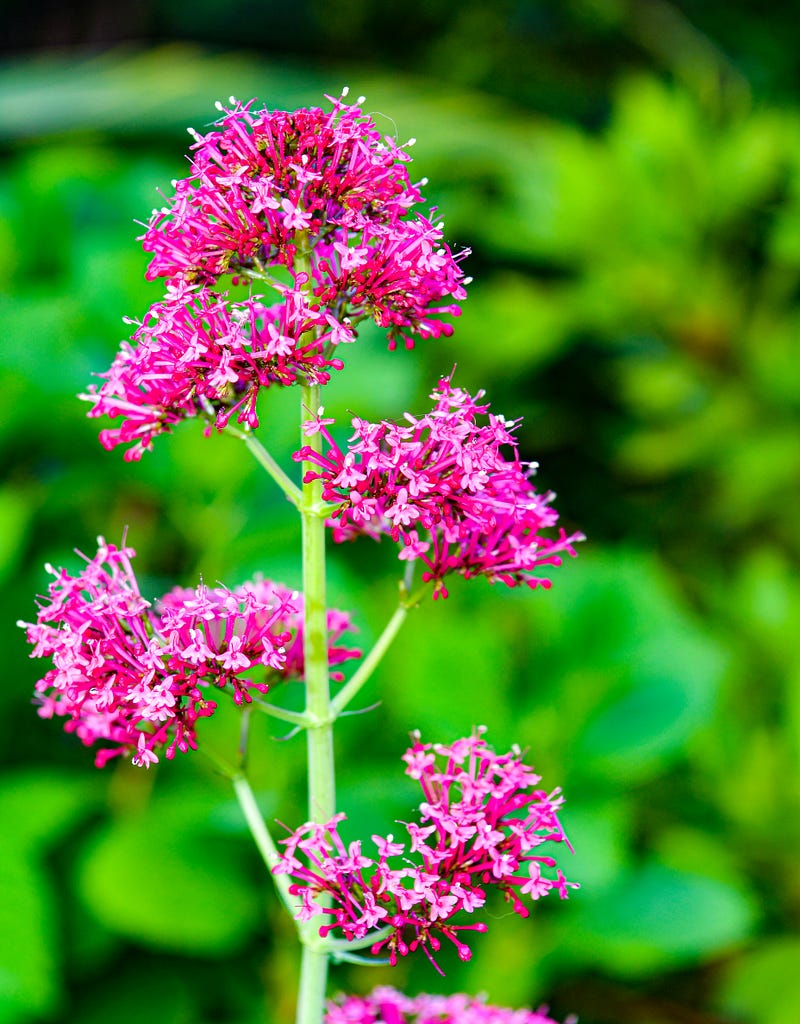
Pink Milkweed. Photo ©Erika Burkhalter.

Many native species of milkweed exist. I only this year learned that the showy yellow and orange Mexican milkweed (Asclepias Curassavica), which is the one most commonly grown, needs to be cut back to the ground in December and February because it does not naturally die back to the earth, as other types do. When left to overwinter, it can harbor microscopic protozoans which can sicken the caterpillars, who eat them in the spring.
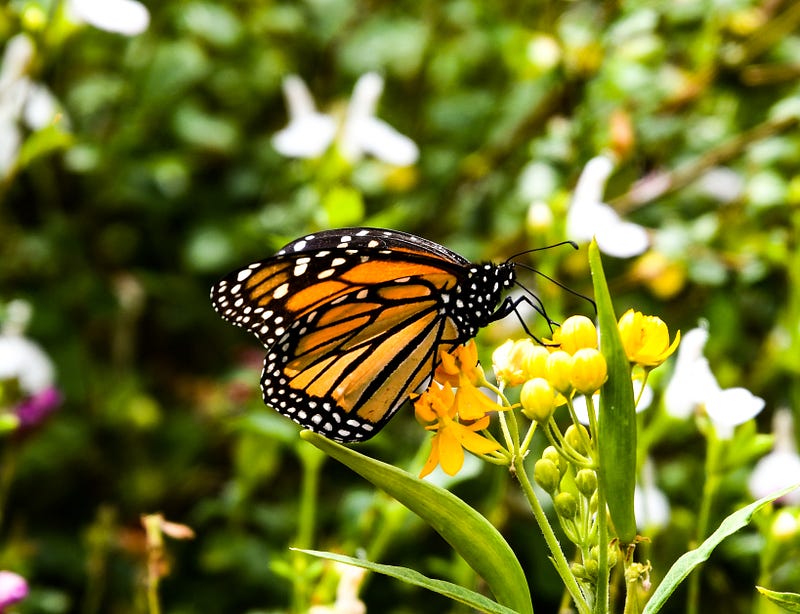
Showy Mexican Milkweed needs to be cut down in December and February. Photo ©Erika Burkhalter.

Daisies, also, danced across the garden until just a few weeks ago. Planted by a handful of seeds thrown to the moist earth several years ago, they have figured out exactly which spot of garden they most prefer. It doesn’t really matter to them, or to me, that they were originally supposed to grow in the “decorative” part of the garden, but that they (maybe somewhat like an opinionated teenager) have decided that their place is right in the middle of a section of groundcover.
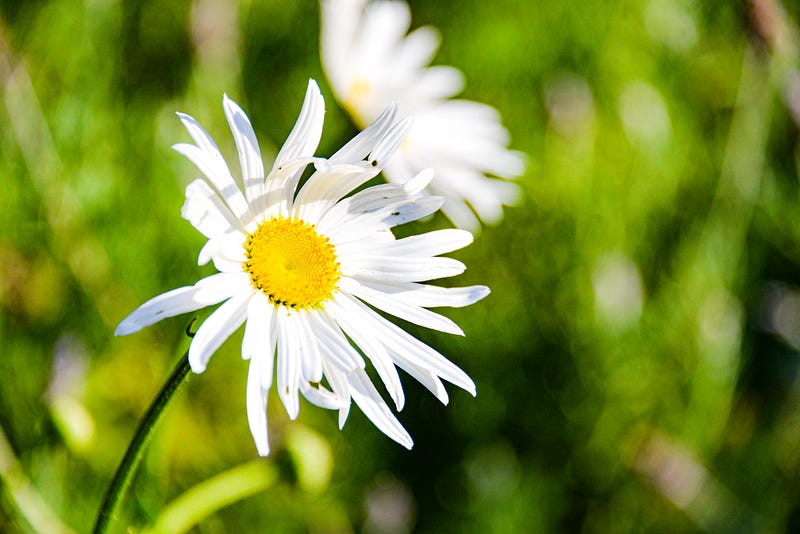
Summer Daisies grow wherever they like, on their own terms. Photo ©Erika Burkhalter.

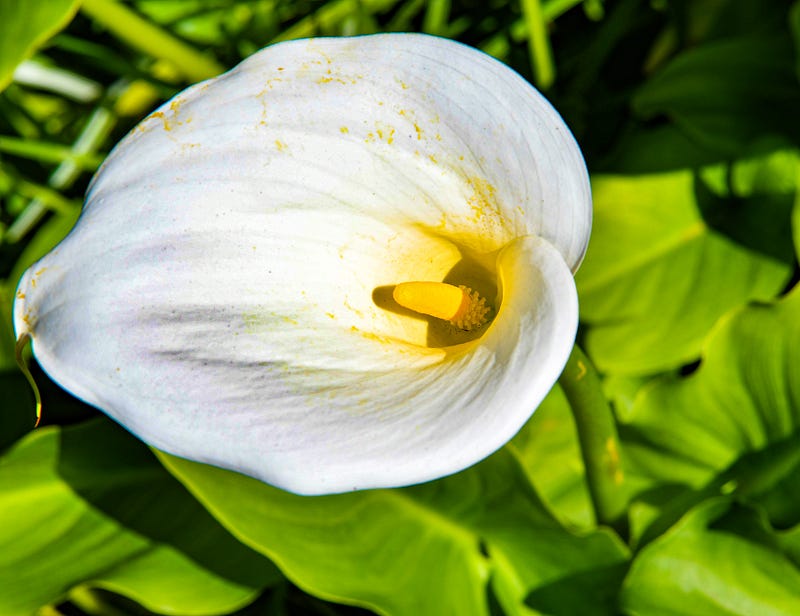
The Fireworks Gomphrena reached for the sun beside purple scabia, hollyhocks, foxglove and Calla Lilies in my very bright front yard.
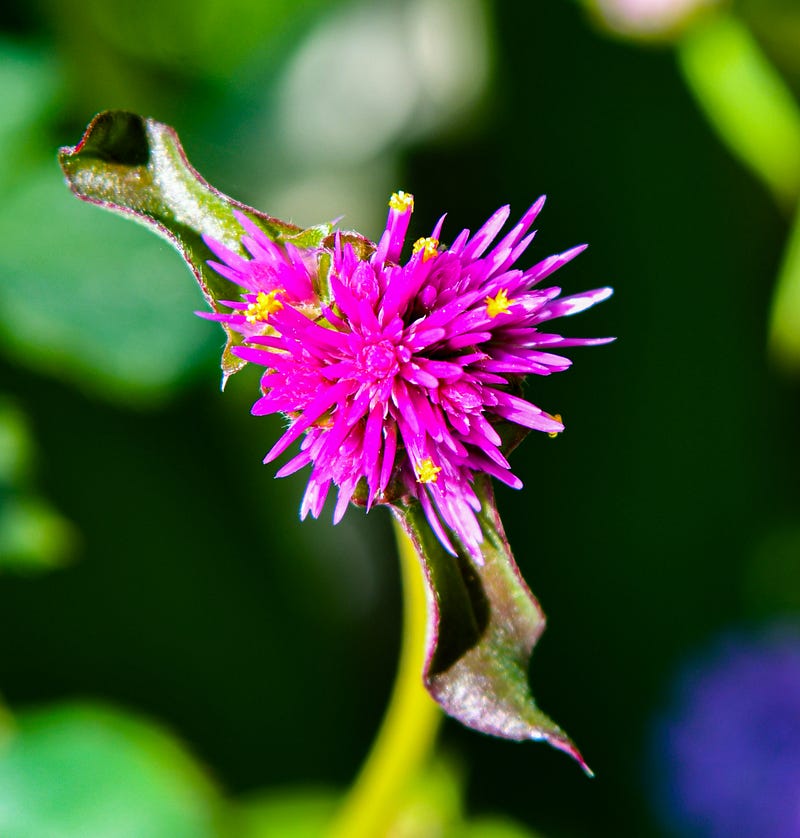
Fireworks Gomphrena. Photo ©Erika Burkhalter.
Calla Lilly. Photo ©Erika Burkhalter.

Our little espaliered apple tree produced more fruit this year than it has in its five-year lifespan. It’s too bad that the racoons were the recipients of the bounty. But I suppose the raccoons deserve the apples as much as I do. They are highly intelligent little problem solvers. I have a vision of them having a party one night, feasting on apples and birdseed (which they also steal, despite all of my, apparently, not-so-brilliant plans to thwart them).
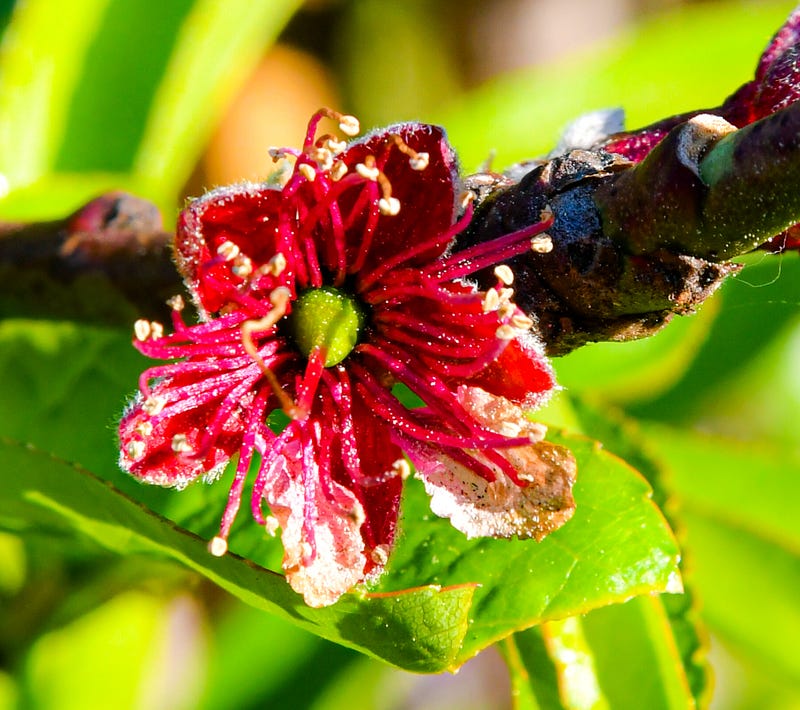
Apple Blossom. Photo ©Erika Burkhalter.

We watched the irises’ papery petals catch the glow of many a sunset this summer too. Their fuzzy yellow tongues seemed to lap up the warmth of the rays. And they flared their purple skirts on the breeze.
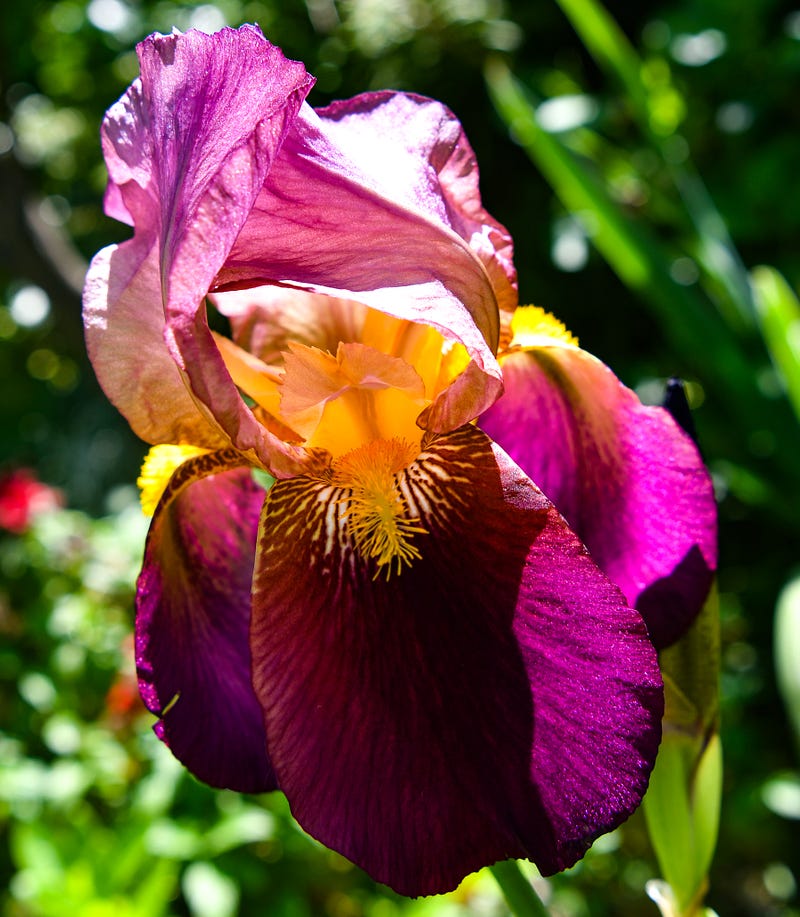
Iris Jacquesiana. Photo ©Erika Burkhalter.

This time of year, dense fog blankets the hillsides many mornings, but burns off to hot and humid afternoons. The Dahlias are still thriving. The bees still flock to the fussy Borage.
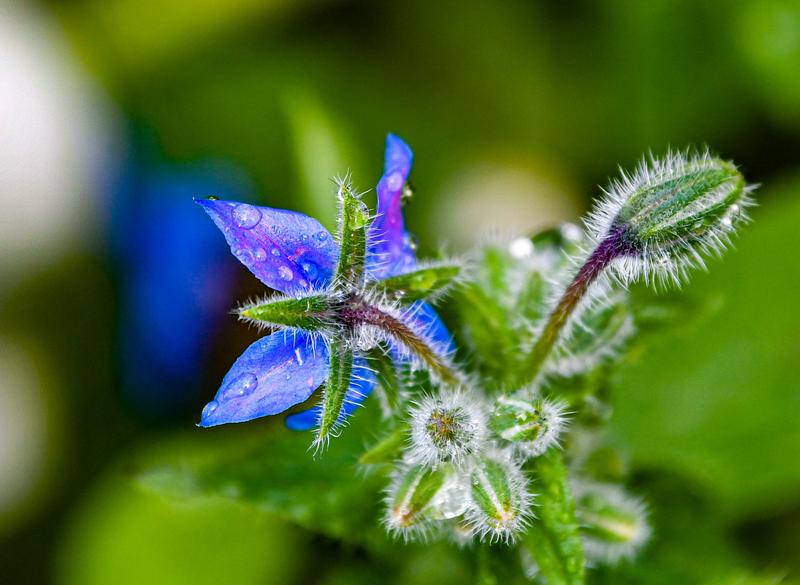
Borage. Photo ©Erika Burkhalter

The Lilies of the Nile are done. I have harvested their seeds and sprinkled them on top of the hill, in the dappled shade, where I do not know if they will thrive, but I have high hopes.
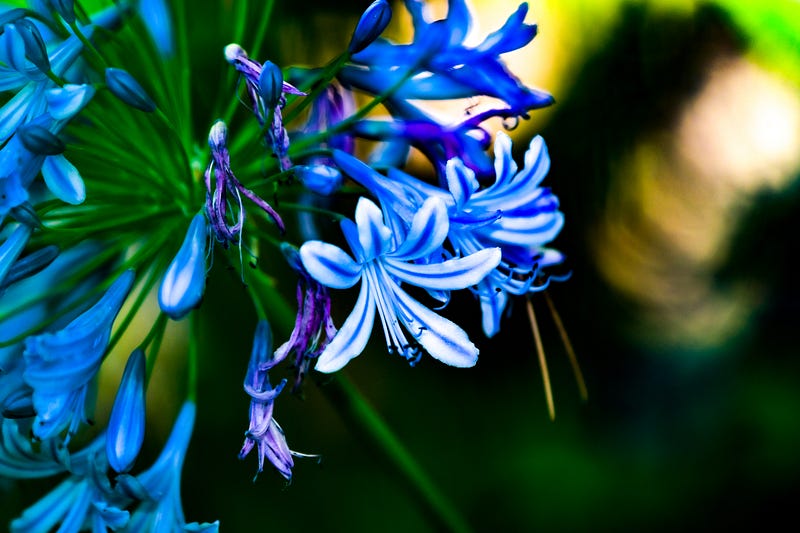
Lily of the Nile. Photo ©Erika Burkhalter

The hydrangeas, or “Grandmother Flowers,” as my Louisiana husband calls them, are fading back to green, as they do this time of year.
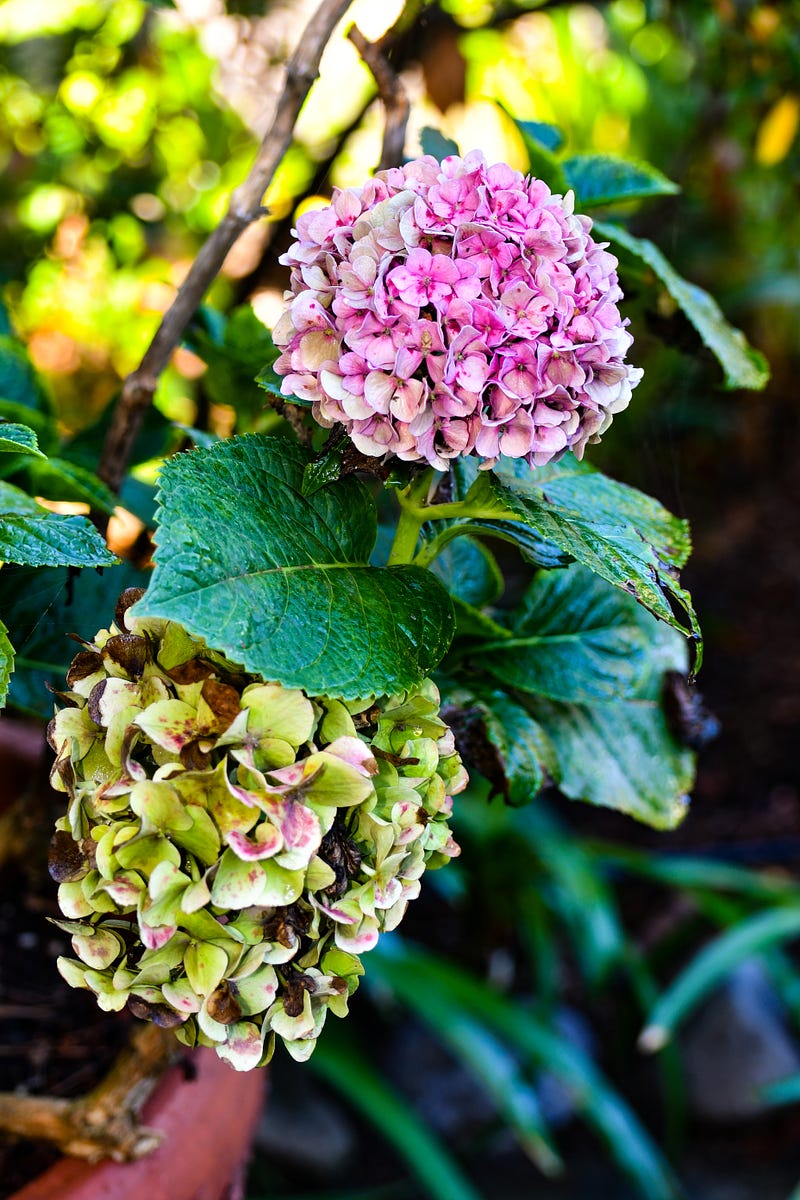
Hydrangeas. Photo ©Erika Burkhalter.

Fall is upon us. The nights are shorter. The days linger in soft warmth, and fade, more quickly, to periwinkle sunsets. The parrots, who cannot fly in a straight line, meander in chattering cliques, squawking about their day, passing over our house a bit earlier as they fly into the pinkening western sky.

This time of year, like the Love in a Mist seedpods incubating next year’s flowers, seems to be a time of creation. It is not a time to rush, but rather a time to slow down and smell the roses, to inhale the musty moss, to breathe in the foggy, misty mornings…a time to gather moments of introspection and reflection.

I hope you take the time to enjoy it!

Erika Burkhalter is a yogi, cat-mom, photographer, and lover of travel and nature, spreading her love and amazement for Mother Earth’s glories, one photo, poem or story at a time. (MS Neuropsychology, MA Yoga Studies).

I hope that you enjoyed this glimpse into a fall moment in a “sort-of-wild”, Southern California garden.

You might also enjoy:

Story and photos ©Erika Burkhalter. All rights reserved.

Photography
Short Story
Nature
Climate Change
Travel
Recommended from ReadMedium