
Color Theory
Color Theory: Impossible colors can only be seen under special circumstances.
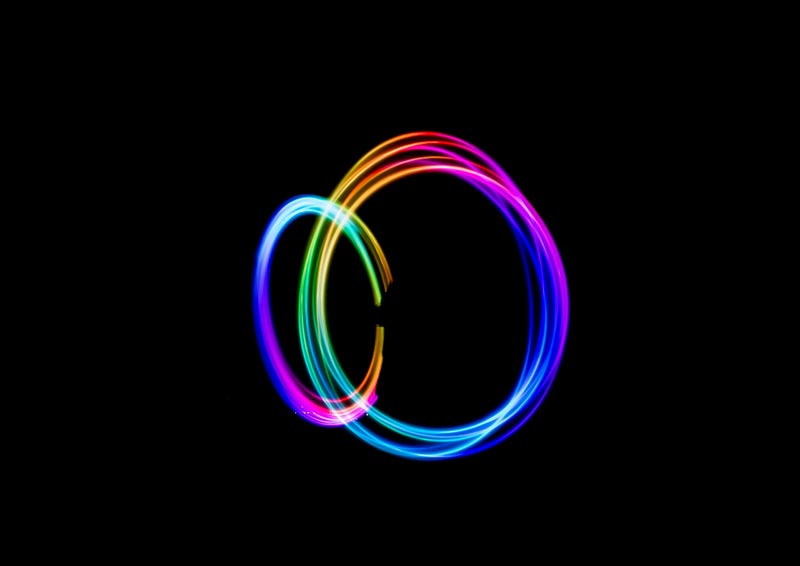
The way that people perceive color is related to light and the physical structure of their eyes which is then processed in the brain. And because people have different types of vision, some people have been known to report seeing a color that is beyond average perception.
We call these impossible colors.
Impossible color is a type of color theory, defined as colors that can’t normally be seen, related to complementary colors, color temperature, chroma, monochromatic color, and saturation.
A few examples
Complementary Colors
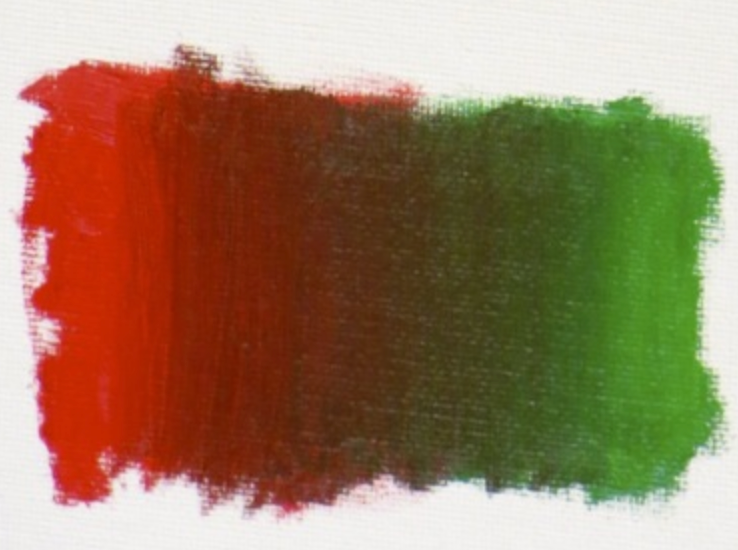
If two colors on the opposite side of the color wheel (complementary colors) are mixed together, they will cancel each other out and make a greyish brown color. However, if you look at these colors very closely, you may be able to see tiny flecks of both colors.
Reddish-greenish, for example, looks grey to most people, but there is a way to bring out the color too. Stare at it and then look away at the two primary colors and look back at the mixture and you might be able to see color.
Impossibly Dark
Staring at a color creates what is called an ‘afterimage.’ This is an optical illusion where the eye’s cones are overexposed to light and then when you look at something else, you see the opposite color.
For example, if you stare at a blue screen for 30 seconds and then look at a white piece of paper, you will see an orange-yellow color. The darker the blue, the more vibrant the afterimage will be.
Impossibly Bright
Have you ever seen a light so bright that it hurts your eyes? This is because when you look at something very bright, your eyes try to protect themselves by narrowing your pupils.
However, there are some colors that are so bright that they can cause your eyes to bleed. These colors are so bright that they can actually kill you if you stare at them for too long.
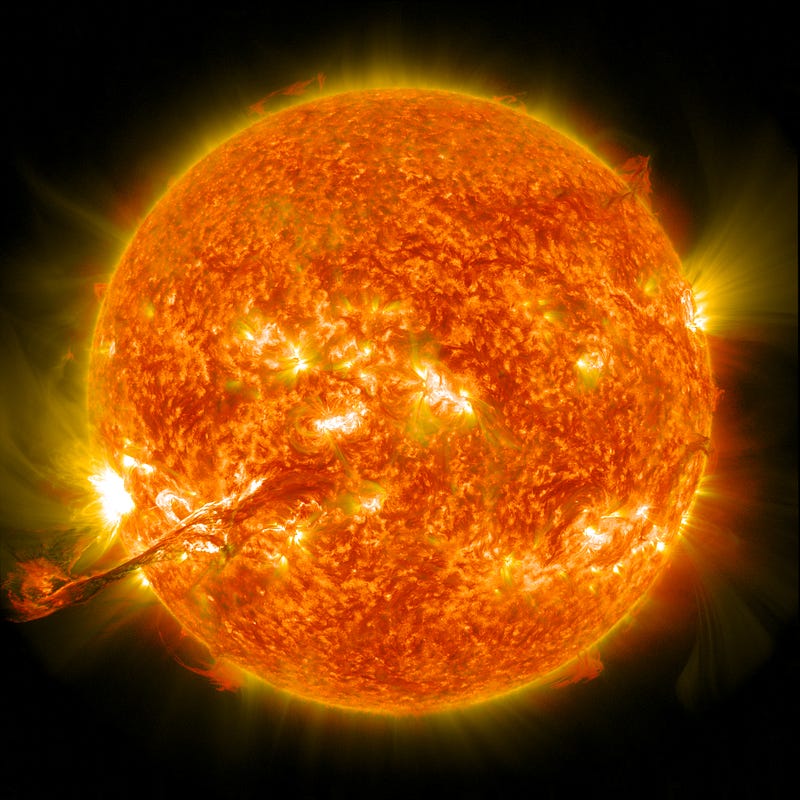
One example is blue light. Blue light is a type of light that is emitted by screens, such as phones, computers, and TVs. Too much blue light can damage your retina and cause blindness.
Another example is UV light. UV light is a type of light that is invisible to the naked eye but can be seen with special equipment. UV light is very harmful to the skin and can cause cancer.
Impossibly Rare
There are some colors that are so rare that they can only be seen under special circumstances.
One example is alexandrite. Alexandrite is a type of gemstone that changes color depending on the lighting. In natural light, alexandrite looks green, but in artificial light, it looks red.
Another example is a chameleon. Chameleons are lizards that can change their color to match their surroundings. Chameleons do this by controlling the pigments in their skin.
Impossibly Colorful
Some colors are so colorful that they don’t seem real.
One example is turquoise. Turquoise is a blue-green color that is named after the gemstone of the same name. Turquoise is often used in jewelry and art. Its color can be explained as a combination of blue and green pigments, and the reason it doesn’t seem real is that it is not a pure color.
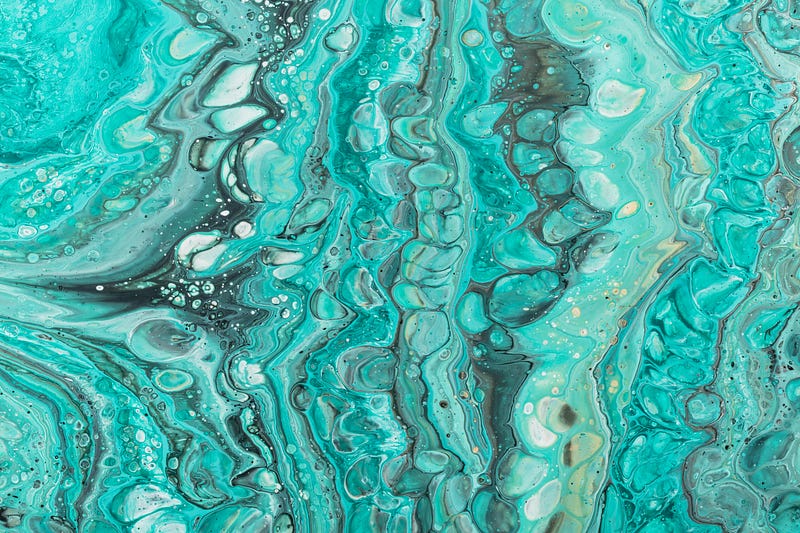
Another example is opal. Opal is a type of gemstone that has a rainbow of colors. Opal is created when water seeps into rocks and evaporates, leaving behind a colorful Mineral. It can be known as an ‘impossibility color’ because its colors are so bright and intense that there is often no one way to describe it.
The reason why designers and colorists care about these variations and outlier color circumstances is that they can be used to create special effects. And, in some cases, these impossible colors can be useful for color correction.
For example, if a video has too much blue light, a colorist can use an impossible color to correct it. Or, if a photo is too dark, a colorist can use an impossible color to brighten it.
In conclusion, impossible colors are colors that can only be seen under special circumstances. Some of these colors can also be harmful to the eyes or skin. However, these colors can be used to create special effects.
Color Theory: There is more than one set of universal Primary Colors — debunking the myths.
If you’ve enjoyed my writing, please consider supporting me by becoming a Medium Member, accessing unlimited Medium articles. Follow the link to subscribe for $5 a month or $50 per year. Thank you!


