Coffee vs Climate Change
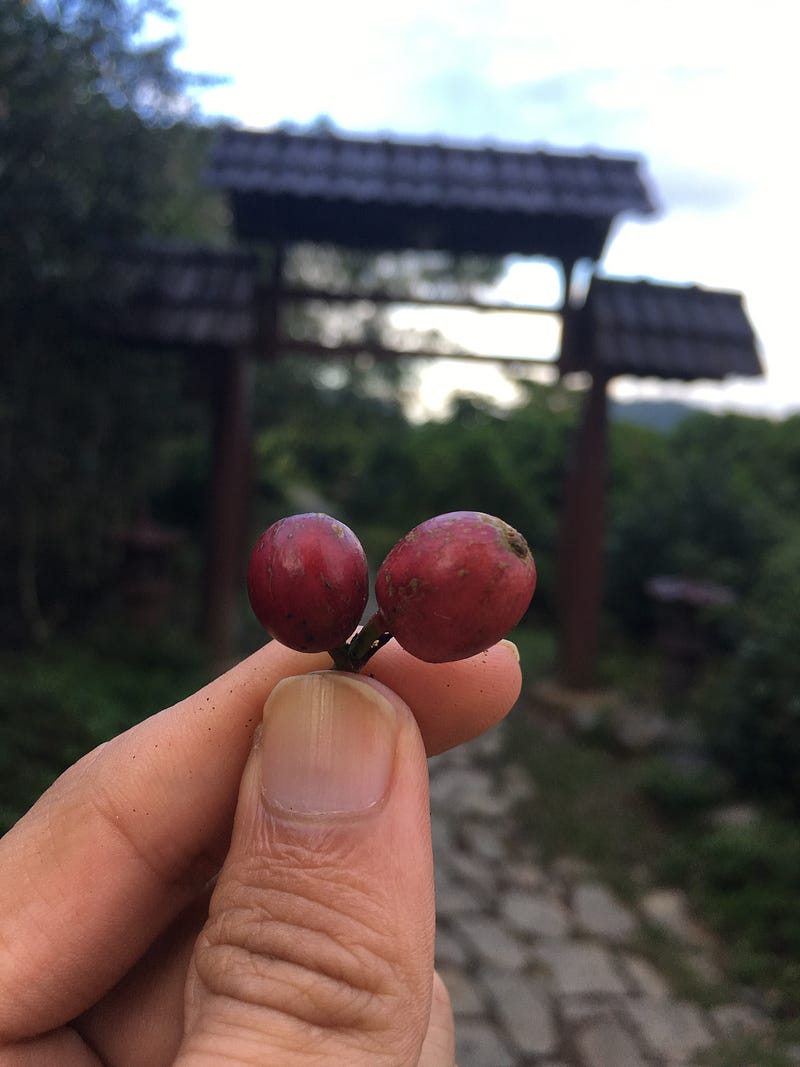
“It’s warm and rainy today. Coffee trees are flowering, if it’s too wet flowers will rot before giving fruits. In December, it should be cold and dry, the weather is becoming weird recently…”
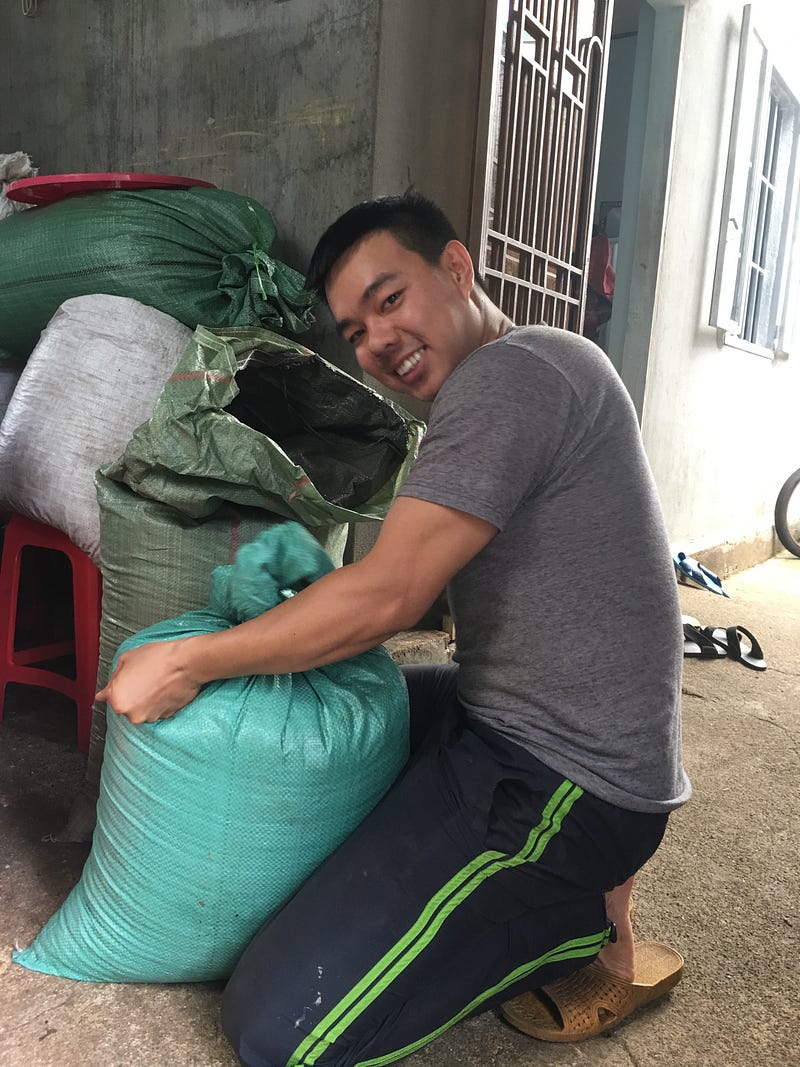
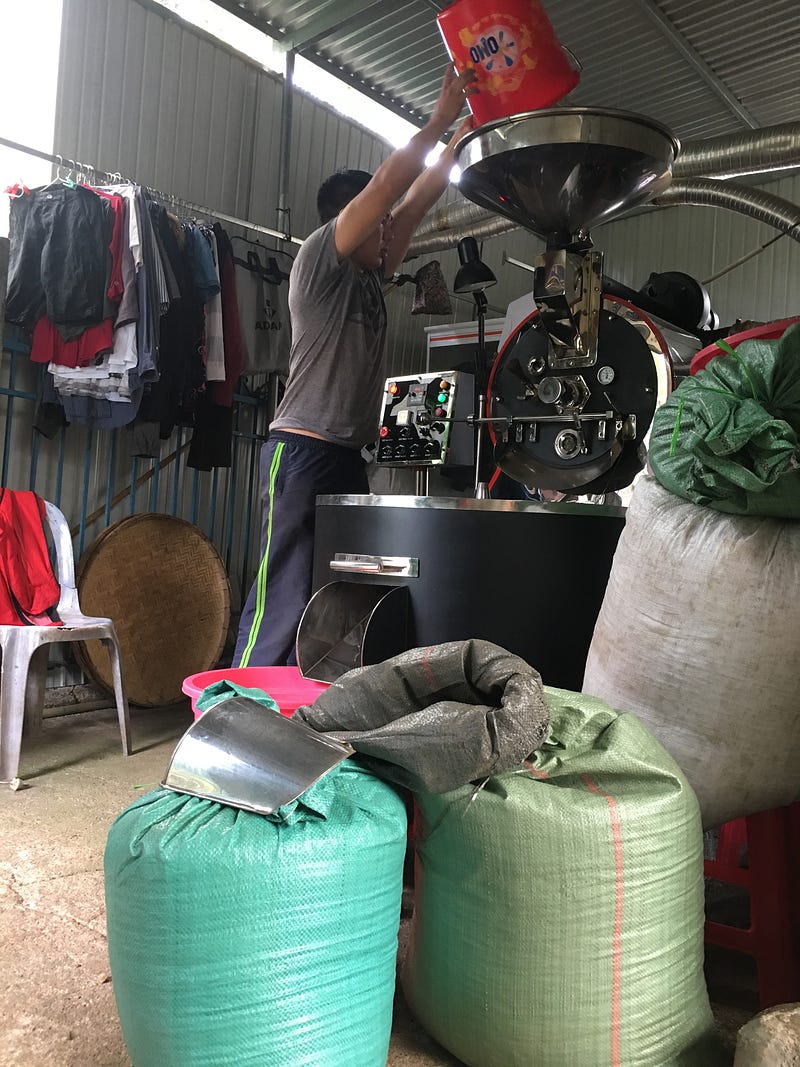
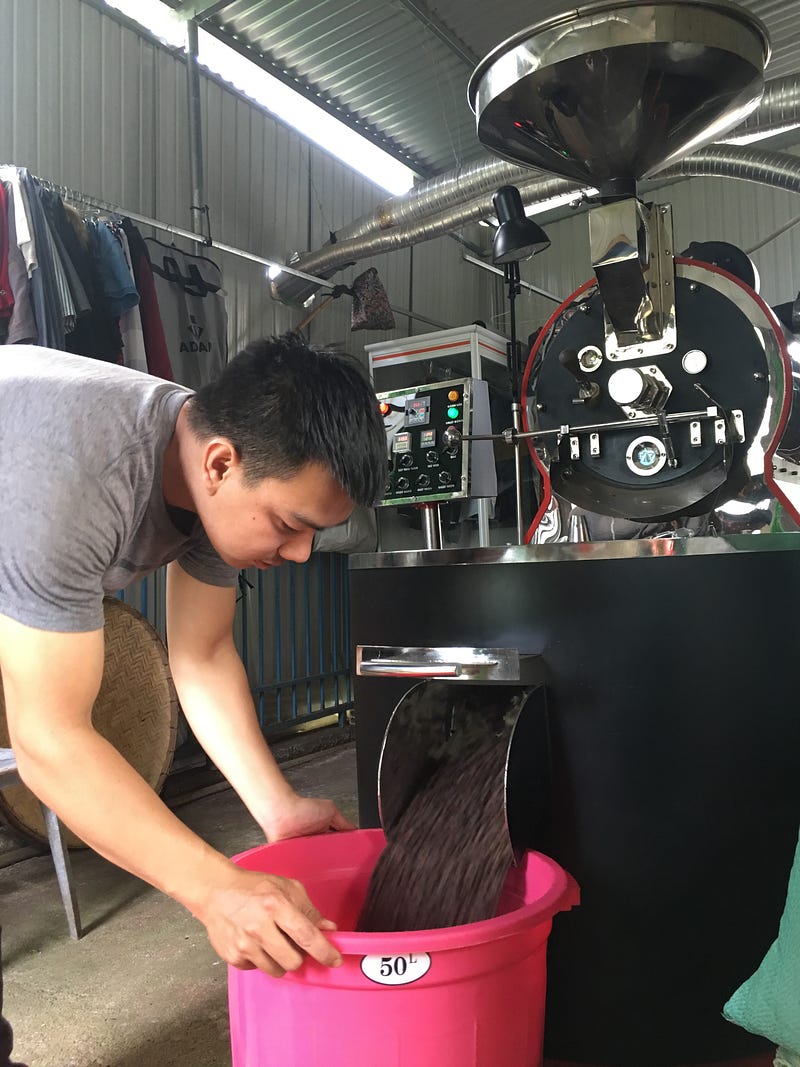
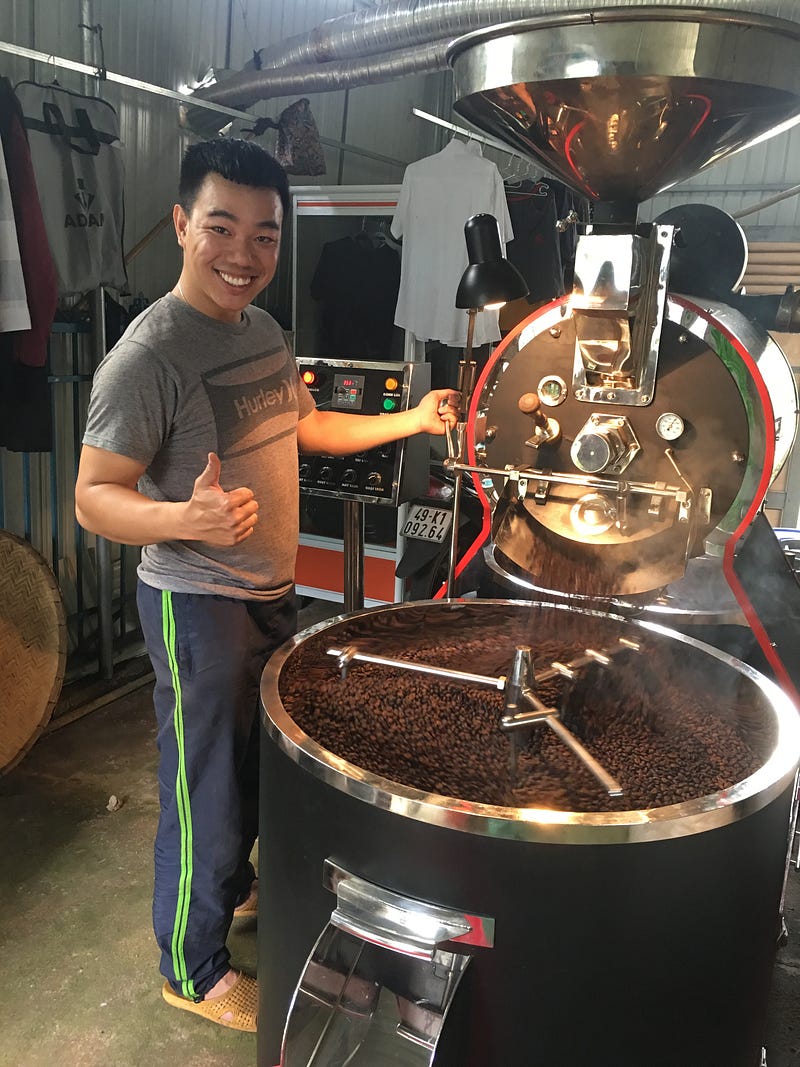
My brother is a middleman in the Central Highlands of Vietnam. He buys coffee to farmers, roasts it and sells it to coffee shops and retailers in Vietnam. He was worried.
Coffee is an important cash crop in Vietnam. Important in volume but also in the number of smallholder farmers relying on it to make a living. There are about 25 million producers relying on coffee yield to make an income in Vietnam; this income is needed to send their children to school and buy food or medicines.
In the past decades, coffee has largely contributed to the development of rural areas especially in the central highlands of Vietnam, in the provinces of Dak Lak, Dak Nong, Gia Lai, Kon Tum, Lam Dong, as well as in the poor Northern provinces like Son La and Lao Cai. Farmers have learnt the procedures to dry coffee, package it and sell it to international markets to earn a consequent income. While the world most appreciated coffee is the Arabica, Vietnam mainly grows and sells Robusta, another species of coffee more tolerant to high temperature and humidity. The suitable climate and soil conditions as well as the abundance of land and manpower have allowed Vietnam to become the second world exporter of coffee after Brazil, selling Robusta all around the globe to supply instant coffee producers.
Vietnamese coffee is grown intensively in monoculture systems, where coffee plants are planted in dense rows and completely exposed to the sunlight. This system ensures a high yield and thereby a high income for farmers. However, the quality of the coffee is reduced by the fast ripening of the fruits under direct sunlight. In a monoculture, farmers must apply large quantities of fertilizers and pesticides to control pests and maintain the plant healthy. These artificial chemicals pollute the soils and the water. Under direct sunlight coffee trees need a lot of water which is often pumped from underground reserves. For these reasons, the intensive coffee system is unsustainable.
Over time, the production of coffee in monoculture has eroded the soil and exhausted the underground water reserves, bringing coffee yield down. In addition to the ongoing environmental degradation, climate change makes the weather unpredictable. For example, heat waves create droughts, rainfall are more intensive and occur on a different pattern, extreme weather events happen more often. Environmental degradation and climate change are a threat to coffee production and therefore to millions of coffee producers in Vietnam.
Business as usual is not possible and coffee producers in Vietnam must change their unsustainable practices into more environmentally friendly agricultural technics. This includes reducing the use of pesticides and fertilizers by using organic and self produced alternatives. For example, many farmers do not know how to make compost and just throw food waste and livestock manure away. As for handling artificial fertilizers and pesticides, farmers follow the rule “the more the merrier” causing the environmental pollution we mentioned earlier. Farmers must receive training to better manage the inputs they apply to their coffee field. Water management training should also be included to the curriculum, so farmers do not exhaust water reserve during the dry season and develop a reasoned irrigation system.
Agroforestry, an agricultural system where trees are planted between the rows of coffee, is an innovative solution allowing coffee producers to be more resilient to a changing climate. In non-optimum conditions, shade trees regulate the field microclimate and make coffee trees more resistant to temperature change or extreme weathers. For example, in an agroforestry system the temperature is on average 6 deg.C lower than in a monoculture.
Agroforestry has existed for thousand years; however, it was recently forgotten due to the intensification of the agricultural system and the promotion of monocultures. Farmers in poor rural areas do not know how to use trees to improve the quality of their coffee cherries. They are even less aware of the importance of shade trees to regulate the microclimate and prevent crop failure. By promoting agroforestry and sharing the knowledge about shade tree management, farmers can become open to change and willing to shift their coffee system into a more diverse and sustainable system.
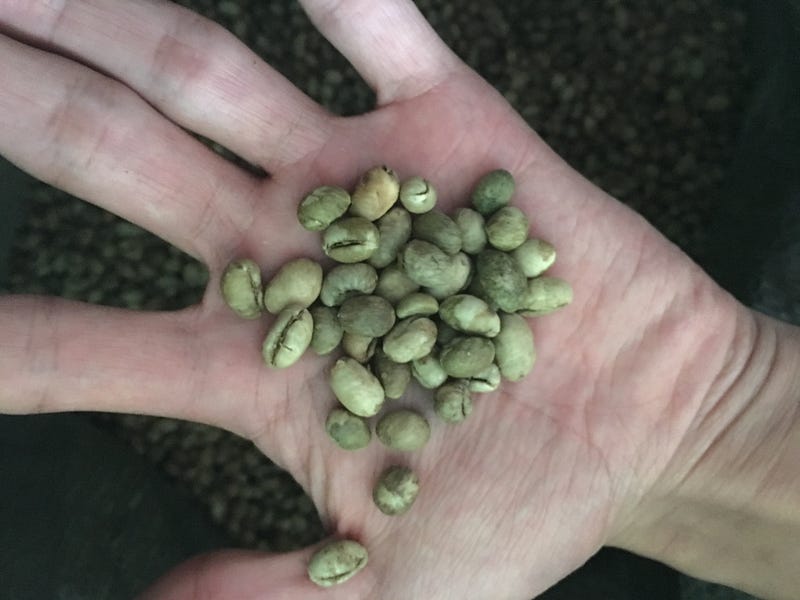
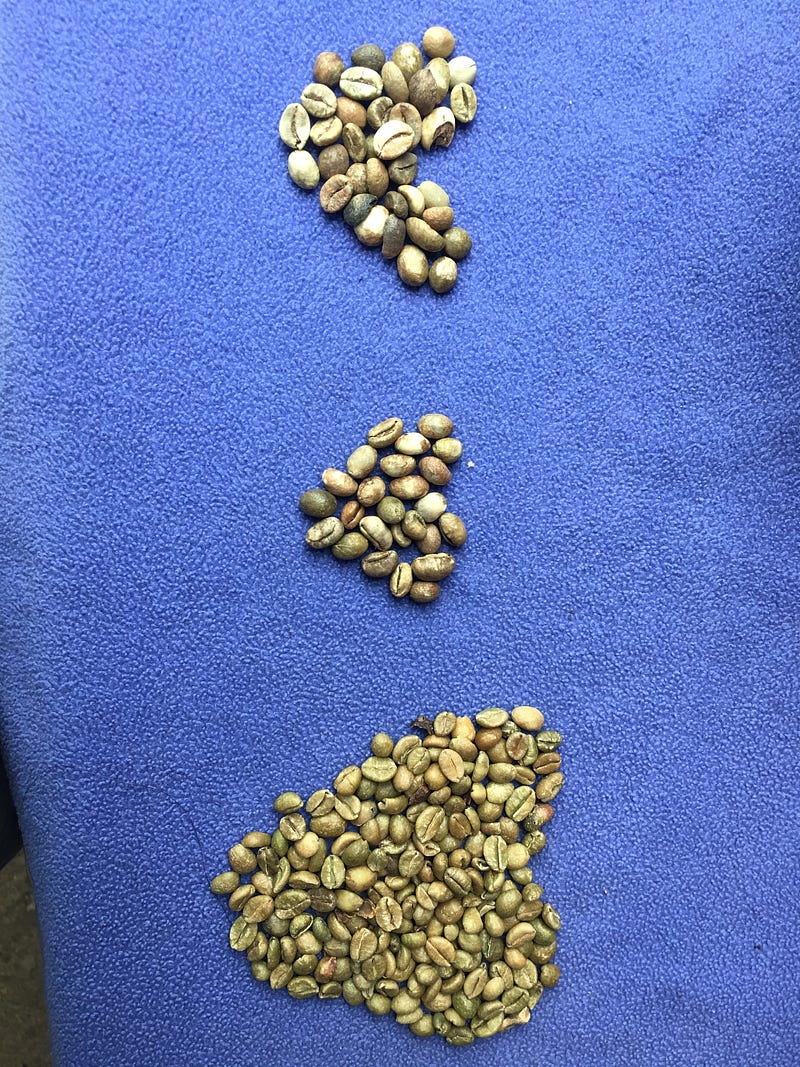
In an agroforestry system the coffee production is lower due to the lower number of trees per ha and to the lower number of fruits per tree, however, it is still advantageous for farmers to grow coffee under shade. Coffee fruits under shade take more time to ripen which gives them time to develop the molecules responsible for the coffee aroma and flavour. This increase in quality can create an opportunity for coffee producer to reach higher value market and thereby improve their income.
Other practices from organic agriculture can be implemented like intercropping because putting different crops between coffee rows has various advantages. First, it provides a new source of food or income to farmers. Second, intercropped plant can repulse pests from coffee trees and serve as a natural pest control. Third, the intercropped plants are beneficial for the soil, they protect it against the rain, and can fix nitrogen. Farmers should learn the different functions of plants to know which one to intercrop with coffee. For example, groundnut is often used to fix and enrich the soil with nitrogen.
By bringing more complexity in the coffee monoculture, there is an opportunity to improve farmers’ livelihood and decrease the pressure on the environment. With an increased knowledge about the agroforestry system, coffee producers can better adapt to climate change with a more resilient coffee field, a diversity of food sources and a lesser reliance on external inputs.
As my brother and I came back home from the New Year festivities, he told me, “the firework this year was not good, it lasted only 10 min. When the government organizes a long firework, it means the year was good for coffee. This year was bad.”