
Coastal Terrain — Where Land Meets The Sea
Globetrotter’s February Challenge — how much I love the convergence of land and sea
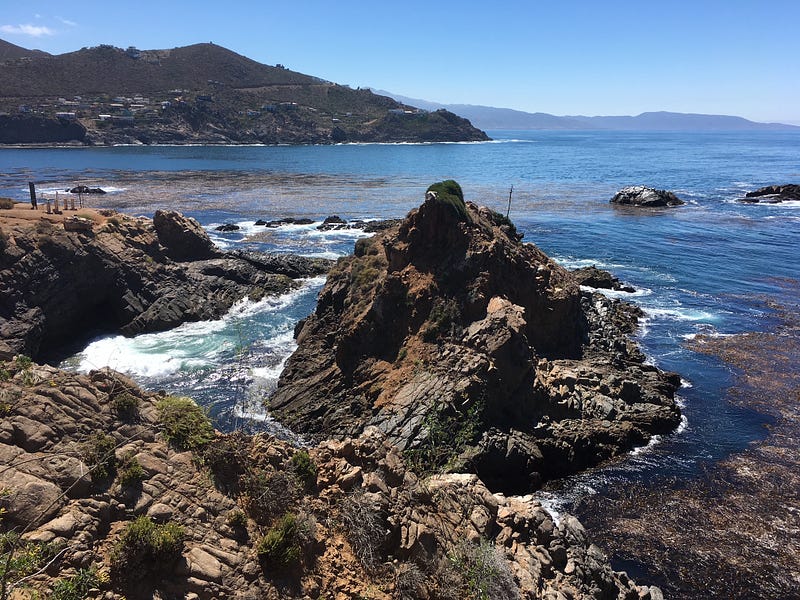
The February Globetrotter’s Challenge provides a wide variety of possible subjects since the world has incredible diversity in landscapes and natural features.
Some of the stories already written show this to be true. And it’s exciting for me to think of the possible stories coming.
Here is a link to the original challenge with guidelines and suggestions from Anne Bonfert.
During the first half of my adult working life, I was a sailor, and I arrived and departed the countries I visited by sea.
So the coastline was my first view of each country.
As a result of my love of the oceans, I decided to write about the terrain of coastlines.
Although the examples for this story will be Pacific Coastlines I have visited in more recent times. From Mexico to the U.S. to Canada, there is an amazing variety of coastlines to explore and soak in the sea air, the sounds of seagulls and watch the glorious sunsets over the Pacific Ocean.
The point where land meets the sea is undoubtedly diverse.
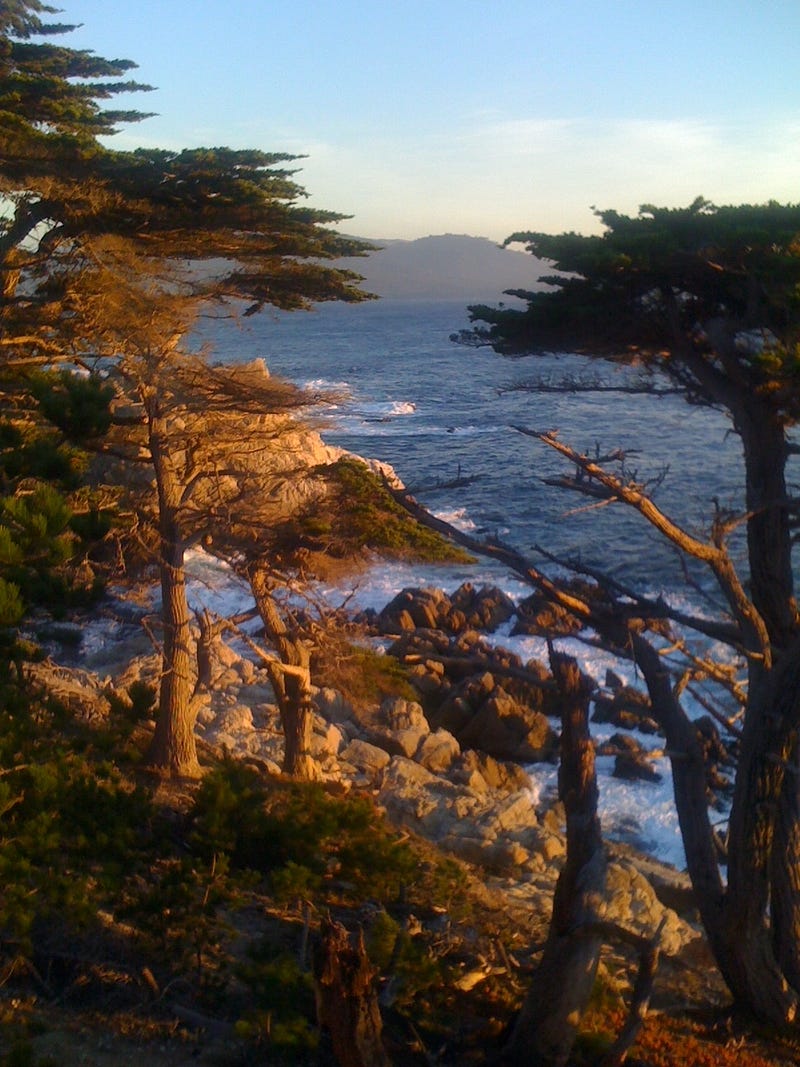
There are cliff walls, bluffs, rocky shores, sandy beaches, blow holes, natural bridge formations, fjords, volcanic rocks, jungles, and even deserts that border the oceans and seas.
Throughout the world, so much variety is provided by nature along coastlines.
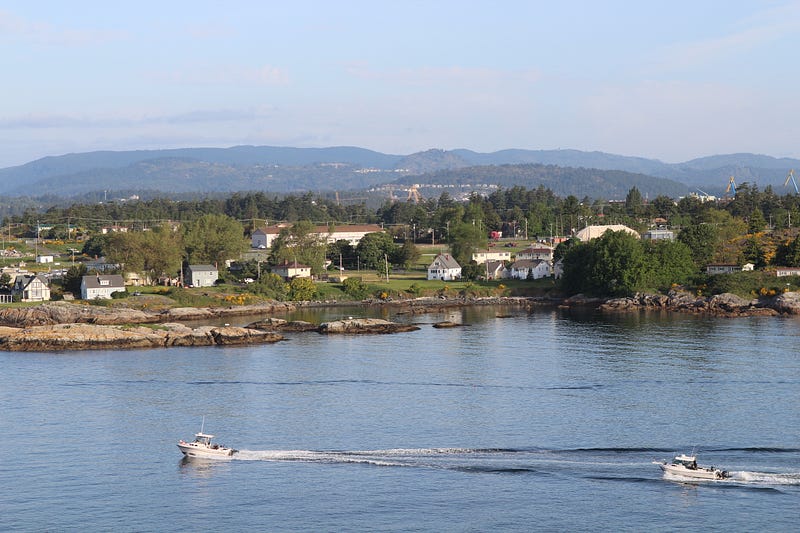
The effect of erosion and the constant interaction of waves and land is a powerful thing. During storms — the powerful effects of the always-changing shape and features where land and sea merge and shake hands are evident and awe-inspiring.
It seems as if it’s a constant battle of will, of who will win.
Will land win over water or does water win over land?
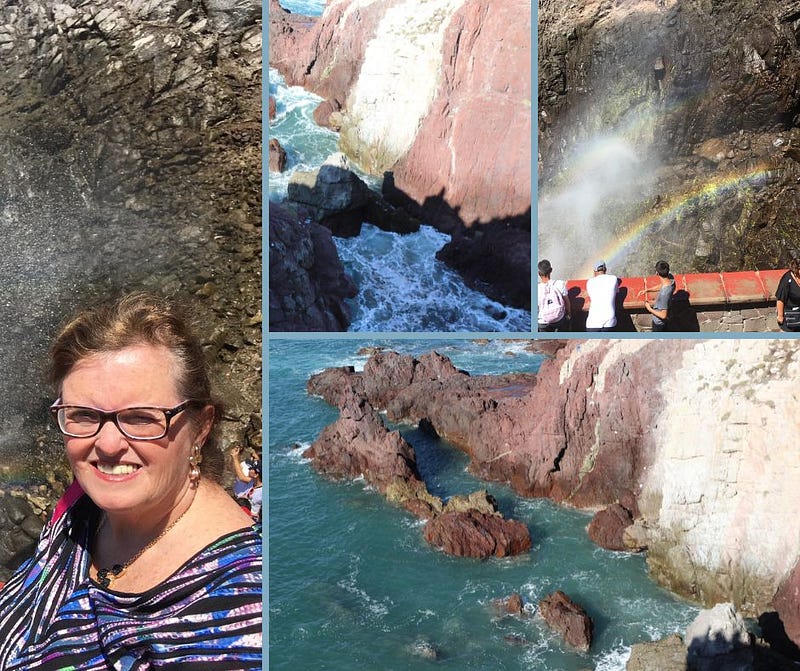
Located 17 miles south of Ensenada is the La Bufadora, a natural blowhole that erupts in an amazing marine geyser shooting as high as sixty feet.
La Bufadora is the second-largest marine geyser in the world. The first is located in Oahu, Hawaii.
Sandys stayed a safe distance and remained dry, I was soaked with salt water, which actually felt refreshing on a hot day.
This marine geyser is caused by ocean waves being forced into a partially submerged sea cavern, causing great amounts of air and water pressure to build. The air and ocean water is expelled through the only exit, launching water several stories into the air.
Not only is the water spray spectacular to watch, but there is also a thunderous noise as well and a constant rainbow for visitors to enjoy.
The eruptions occur about every fifteen seconds.
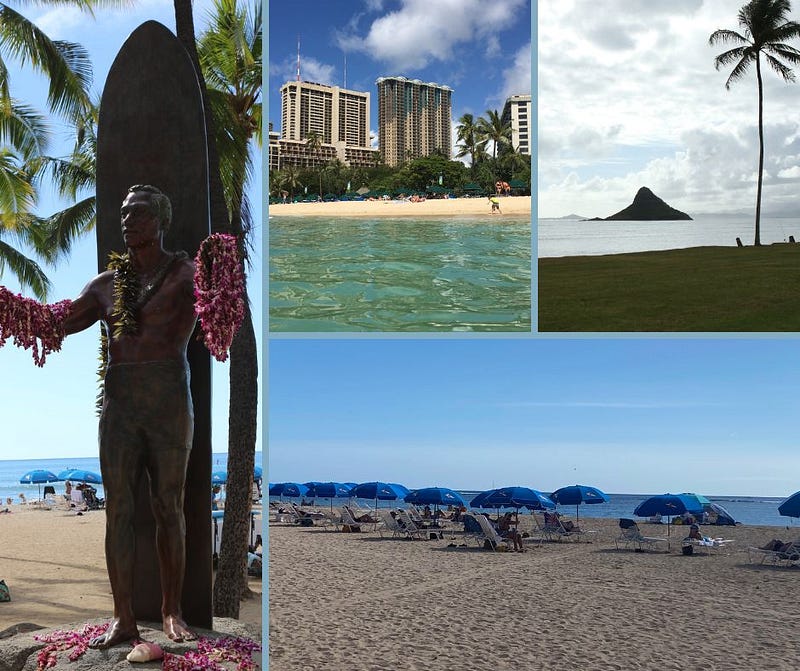
Land meets the sea in Hawaii from all four corners.
Hawaii is known worldwide for its famous beaches. Every type of beach you can imagine from fine white sand to black sand that sparkles in the sun to red sandy beaches.
There are romantic bays, beach parks for the family, and places to people-watch the afternoon away.
But there are also remote locations where you can explore uninhabited beaches, rocky shores, ragged volcanic rocks, and jungle shorelines.
There is a constant movement of water and wind. There is wildlife under the waves, at the water’s edge, and in the air gliding on updrafts and swirling air currents.
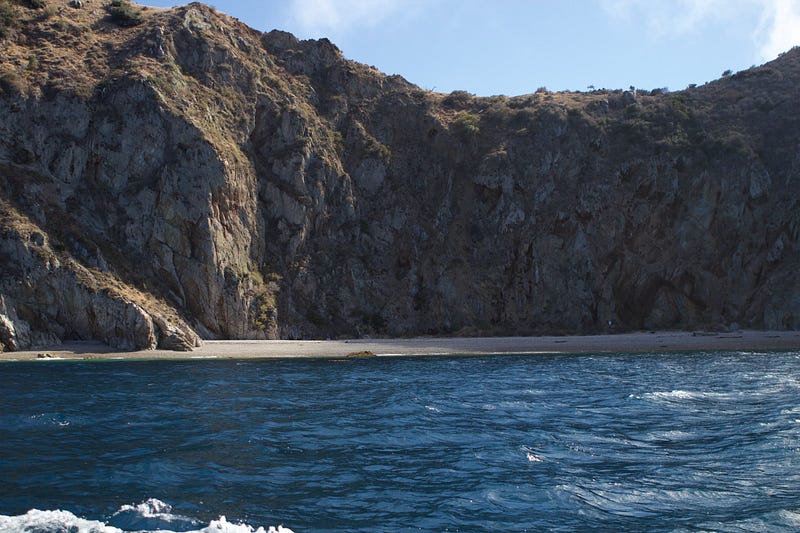
But, if you want a really private beach where the ocean meets the land, it’s hard to do any better than this one. It's a small crescent-shaped white sandy beach surrounded by high cliffs. Very private.
It’s located on the south side of Catalina Island, off the California Coast.
The only way to reach it is by boat. It’s located about halfway between Avalon and Two Harbors.
The ferry will not stop there, so you would have to rent a boat.
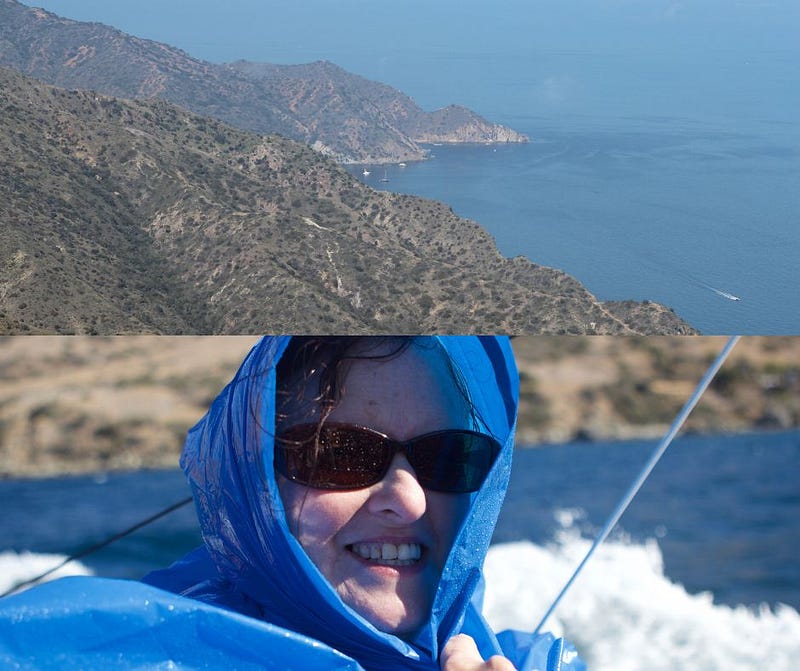
Catalina Island is mostly uninhabited with only two towns, neither very large.
The island hosts a wide array of animals, ranging from majestic bison to diminutive foxes and from massive blue whales to agile dolphins.
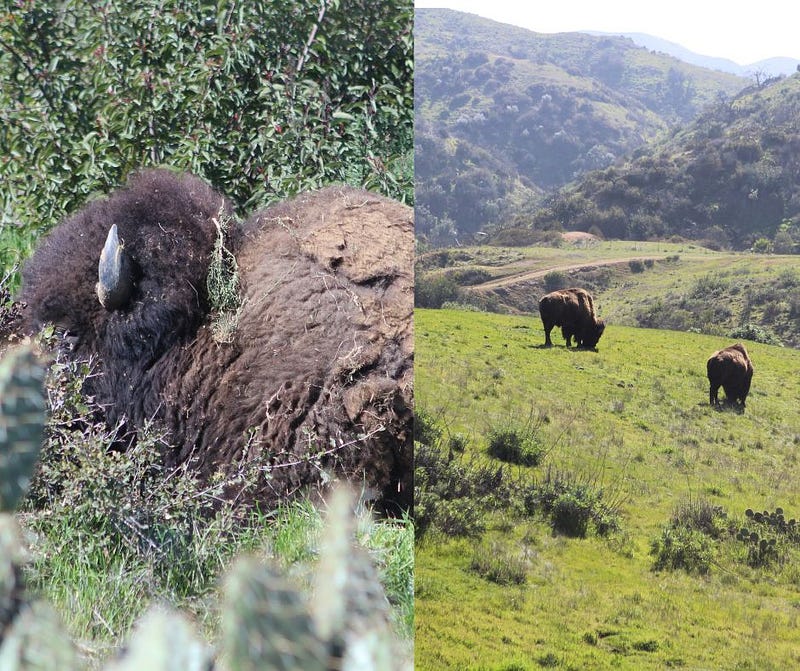
One of the most iconic Catalina animals was brought to the island for a movie in the 1920s. North American Bison were shipped to the island for an appearance on the silver screen. Although the scenes with the bison landed on the cutting room floor, the bison on the island thrived, becoming part of Catalina culture.
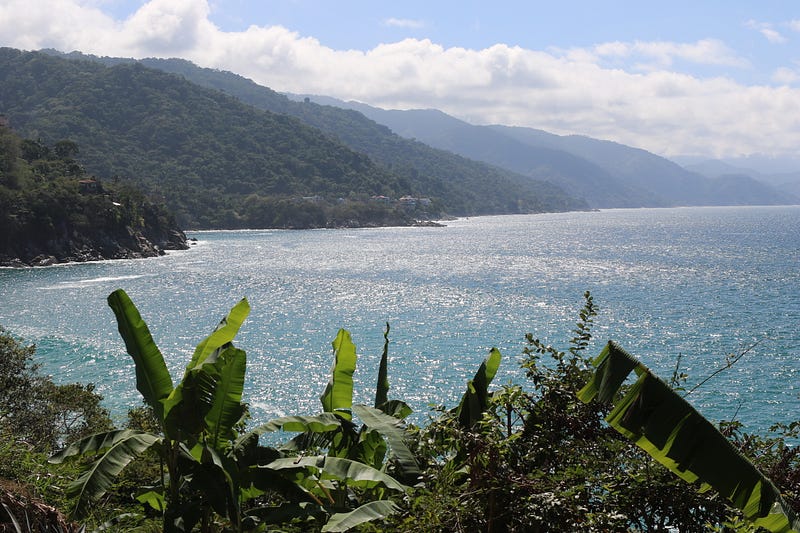
From the desert island of Catalina back to Mexico, but much further south where the jungle is thick right down to the water's edge in places.
While there is the occasional sandy beach, the majority of the shoreline is rugged rocks and a thick jungle.
But beware of the venomous bite of the Mexican Bearded Lizard. And they are everywhere.
You will also find the Green Iguanas and the Spiny-Tailed Iguanas in plentiful numbers here as well.
The hills and beach on the left side of the above picture are the film location for “Night of the Iguana,” which was filmed with Richard Burton and Ava Gardner.
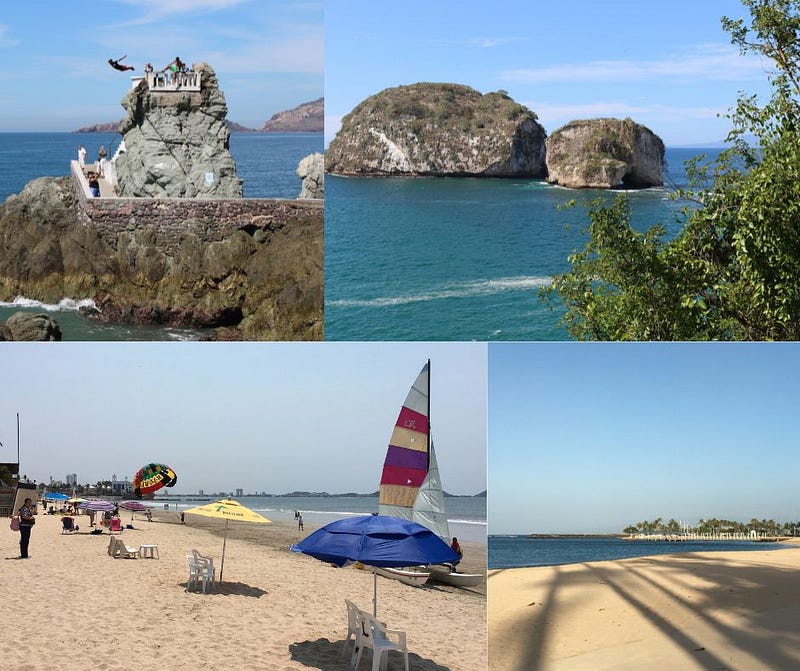
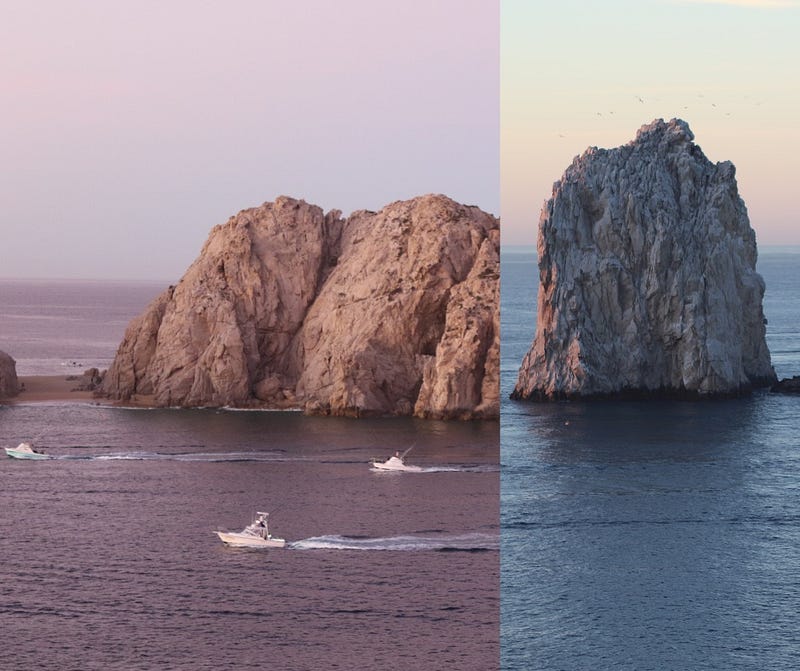
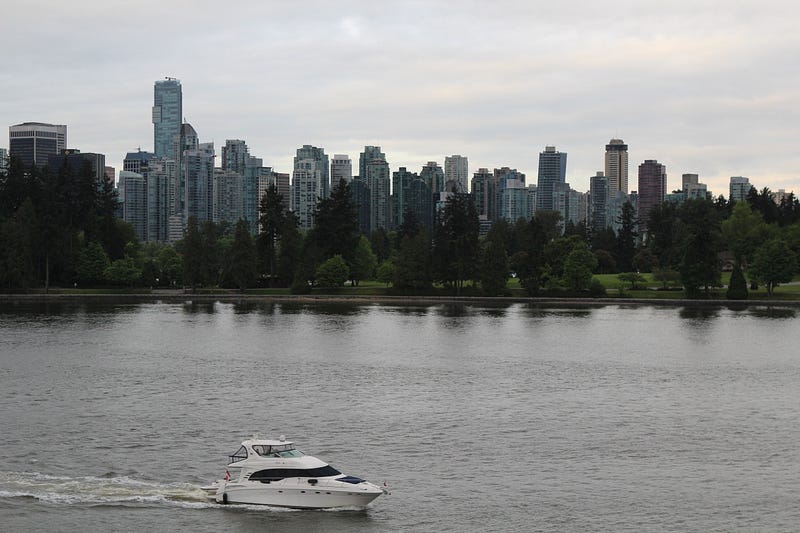
While cities built where the land meets the sea are not natural terrain, I had to include just one picture of a city by the ocean, since there are so many around the world.
Vancouver, Canada — in my humble opinion is one of the prettiest cities located at the water's edge.
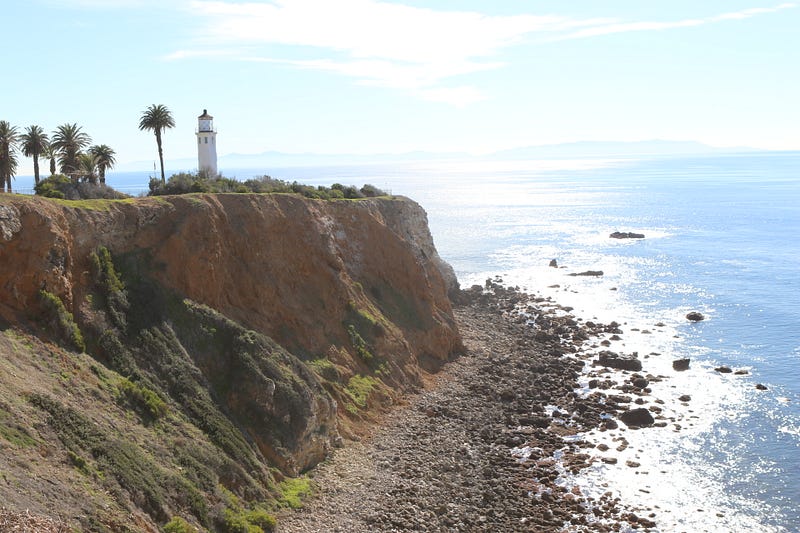
Lighthouses are also not natural terrain, but they take advantage of the natural terrain to increase their reach out to sea.
They are such a common sight where the land meets the sea.
The bluffs here are slowly being reclaimed by the sea where water is winning the battle against the land.
Amtrak is having to move railroad tracks up the road due to the seas reclaiming the land as bluffs continue to erode and fall into the pacific ocean.
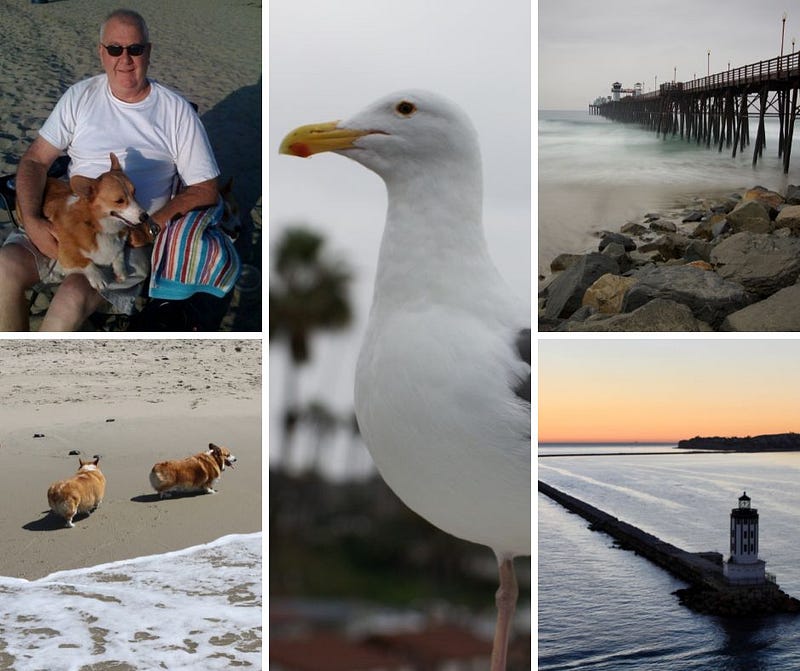
But closer to home, the ocean calls my name.
If I let too much time go by without a visit, I have withdrawals and must visit the places where the land meets the sea.
A trip to the terrain of a coastline clears my head and rejuvenates my soul.
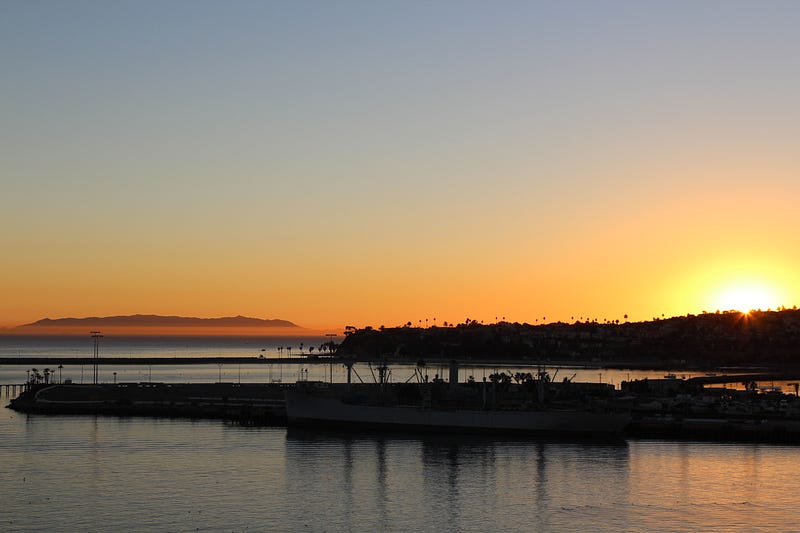
I can go to the exact same spot on different days and find a completely different view and feeling. Crashing waves or glass smooth water, raindrops making an intersecting pattern of circles, or dolphins riding the waves in play.
Fog and coastal marine layers move and flow with the visual of a lava lamp but with air.
I’m awestruck by the beauty of the water glistening in the sun, the merger of water, sky, and land. The feel of the soft, warm sand, the sounds of the waves, and seagulls crying are like music to my ears.
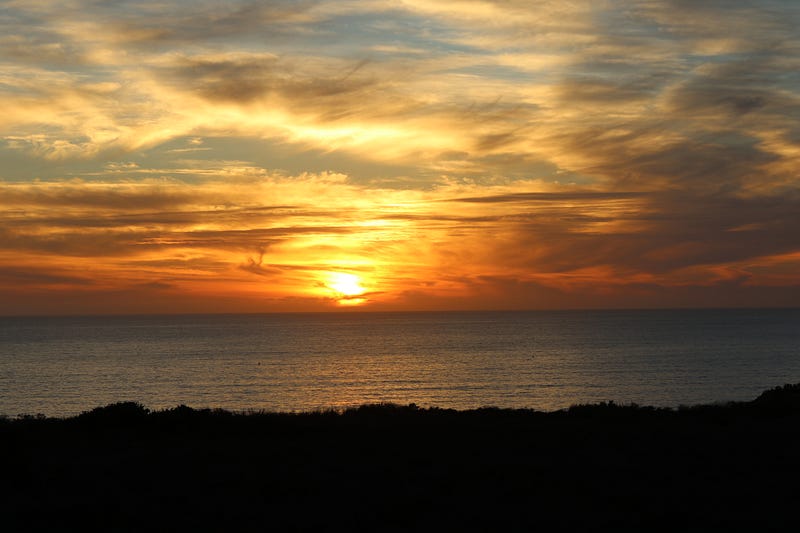
By the end of the day, as the golden colors of a Pacific sunset reach deep inside me, I’m at peace and rejuvenated.
Find your happiness and go to the places where the land and sea meet.
Here is another perspective from a Globetrotter writer on the Pacific Coast of Mexico, which I enjoyed from Jo Muller.
Here is a very diverse look at the world's terrain by Jillian Amatt - Artistic Voyages from Globetrotters for the February Terrain Challenge.
A beautiful story about Hawaii, which includes the Nakalele Blowhole by Michele Maize below, also a Globetrotter editor.



