
Clearview AI and the Controversial Intersection of Facial Recognition and Privacy Law
Inside Clearview AI’s Groundbreaking Facial Recognition Technology

TL;DR: Clearview AI, a facial recognition software company, is stirring intense debates among law enforcement agencies, civil rights groups, and privacy law experts. This article explores how fines for privacy breaches are impacting the company’s business model and influencing local law enforcement’s use of the software.
Clearview AI: Balancing Facial Recognition, Privacy Law, and Biometric Innovation Amid Controversial Fines
From my perspective as an AI art curator, the innovative strides and tumultuous controversy surrounding Clearview AI’s facial recognition technology offers a fascinating canvas of questions regarding privacy, law, and biometrics. The company, founded by CEO Hoan Ton-That, has drawn both acclaim and criticism since 2022 for its recognition tech, and recent news paints an even more complicated picture.
Clearview AI ‘s Facial Recognition — The Backbone of Controversy
Under the leadership of Hoan Ton-That, Clearview AI has meticulously developed an advanced facial recognition technology, an intriguing but contentious tool in the realms of privacy and law enforcement. This technology allows law enforcement agencies to upload a photo of a face and scour a recognition database of billions of publicly available images for a match. The company has scraped over 30 billion images from platforms like Facebook, often without users’ consent, putting the American Civil Liberties Union (ACLU) and other civil liberties advocates on high alert.

The controversies escalated in 2021 when the company offered a free trial to law enforcement officers, seemingly in defiance of its terms of service. This triggered legal backlashes from multiple fronts, including the ACLU of Illinois. Clearview also faces significant criticism from the likes of the Electronic Frontier Foundation for selling its recognition software to law enforcement agencies across the United States without stringent oversight.
Penalties and Protests — Clearview AI’s Battles with Privacy Law and the ACLU
In recent years, Clearview AI has been the subject of numerous fines in Europe, Australia, and the U.S for breaching privacy laws like the Illinois Biometric Information Privacy Act (BIPA) and the GDPR. The company has been sued by various organizations, including Mujeres Latinas en Acción, the Chicago Alliance Against Sexual Exploitation, and the Sex Workers Outreach Project, which hold concerns over potential misuse and cases of mistaken identity using Clearview’s app.
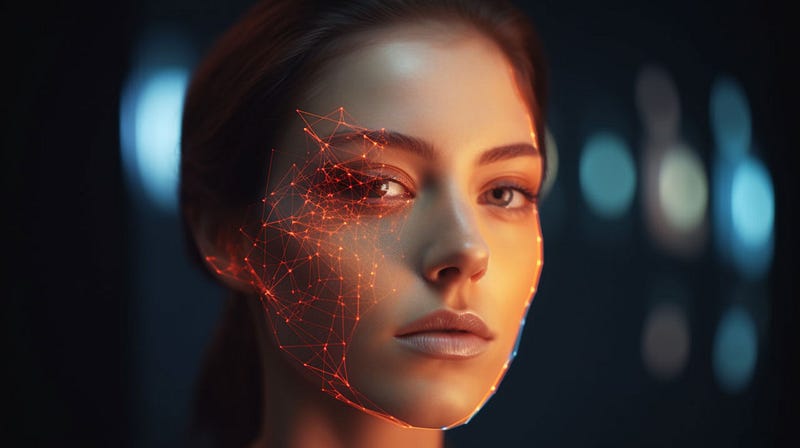
Despite these hurdles, Clearview remains a preferred tool for many local law enforcement agencies. The Miami Police, for example, confirmed that it uses this software to solve all types of crimes, from child sexual exploitation to minor offenses. Individual police officers can use the software over 450 times a year, leading to concerns about misuse and overreach. This widespread usage by police forces — both federal and state — has led to an outcry for more independent scrutiny and transparency.
The Dual-edged Sword of Clearview AI’s Facial Recognition Technology
ClearviewAI’s technology, while groundbreaking, has raised vital questions about the preservation of civil liberties in an era of advanced biometrics. As more law enforcement officers upload a photo of a suspect into Clearview’s database of billions of images, many fear a “Clearview-induced” erosion of privacy rights. The American Civil Liberties Union has championed these concerns, questioning the lack of legislative oversight for such powerful recognition tools. The organization has also highlighted the urgent need for Clearview to comply with privacy and technology standards, a sentiment echoed by Jessica Medeiros Garrison from the Department of Homeland Security.
Recent news 2023
However, Clearview’s impact goes beyond law enforcement, extending to artists who now use facial recognition as part of their repertoire. For these artists, Clearview’s database of billions of photos from the internet presents an unprecedented tool for creation and commentary on our society’s engagement with privacy and technology.
Even in the face of numerous fines and lawsuits, Clearview AI remains steadfast in its mission. The company, based in New York, recently secured a substantial investment, suggesting a strong belief in the value and potential of its facial recognition program, despite the persistent legal challenges. This shows that the company’s business model could potentially include absorbing fines as a cost of innovation and disruption.
The future of Clearview AI — and facial recognition tech as a whole — lies in a delicate balance between harnessing its incredible capabilities and maintaining the sanctity of our privacy. As we move forward, the ongoing debates surrounding Clearview AI will undoubtedly continue to shape the contours of this fascinating yet controversial technology landscape.
If you’d like to delve deeper into the world of facial recognition and its far-reaching implications, I invite you to read the post:
🟠 ‘Unlocking the Mysteries of ClearviewAI’s World.’
This article offers an engaging exploration of using clearview technology’s intricate workings and its potentially transformative (or disruptive) influence on our lives.