
Seeking Its Heart and Soul from an Old Poet
City Invincible: A Song of Camden
Free Verse
I.
I am looking for you from the train window — Rattling toward you — With that tat-tat-tat-tat-tat rhythm — Interrupting the irregular beats of my Modern American Verse Straddled across my thigh.
But I can’t read Modern American Verse now. Are you kidding me? Billy Collins. Donald Hall. Louise Gluck.
I have no time for you now — modern poet-angels.
The urge is too dear. The dark is too abiding. The avenging angels are gathering. To move forward — I drift back to your original energy.
Through that grimy window of the train where I am safe — I close the medicine cabinet on my drug of choice — And gaze with sober, original eyes — As I dry swallow the medicine of your lines.
II.
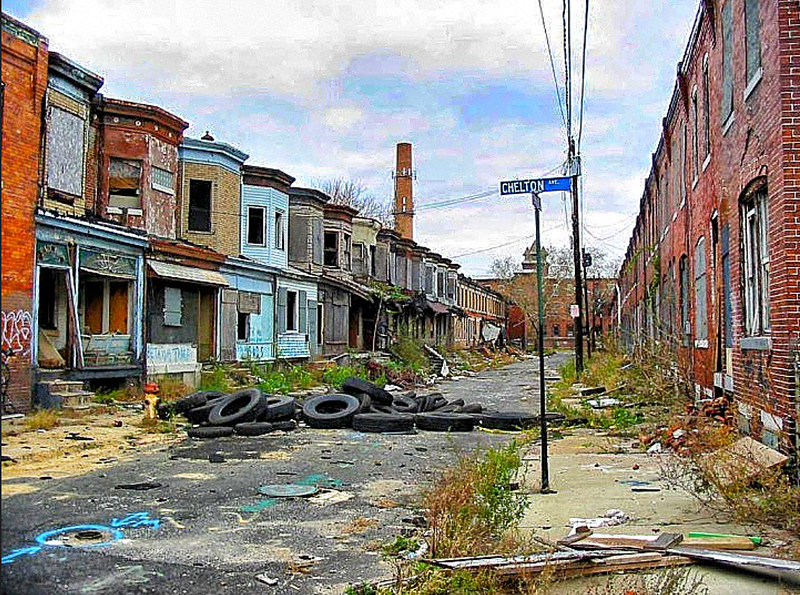
Out there I see the horrors of our own war-ravaged St. Lo — Our own modern bloodied lanes of Antietam and Gettysburg — The bodies no longer stacked so carefully — All at once in one day or three. Our charred remains of Dresden. The skeletal outlines of Coventry. The evaporating ghosts of our Hiroshima.
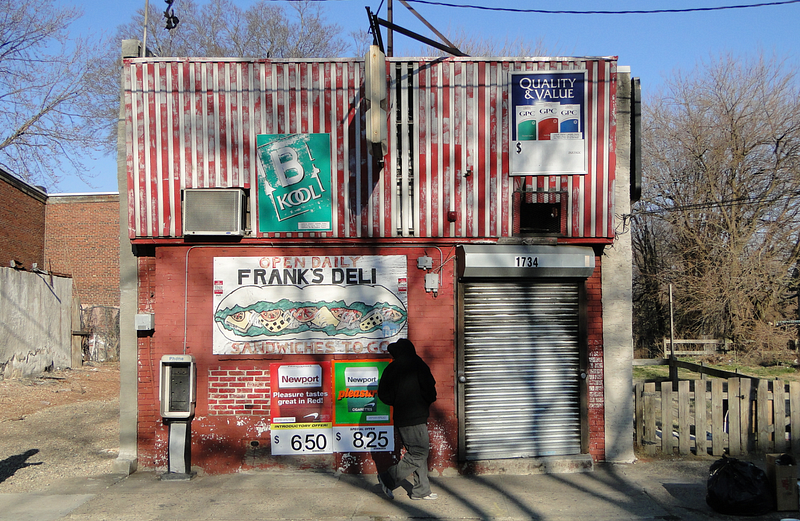
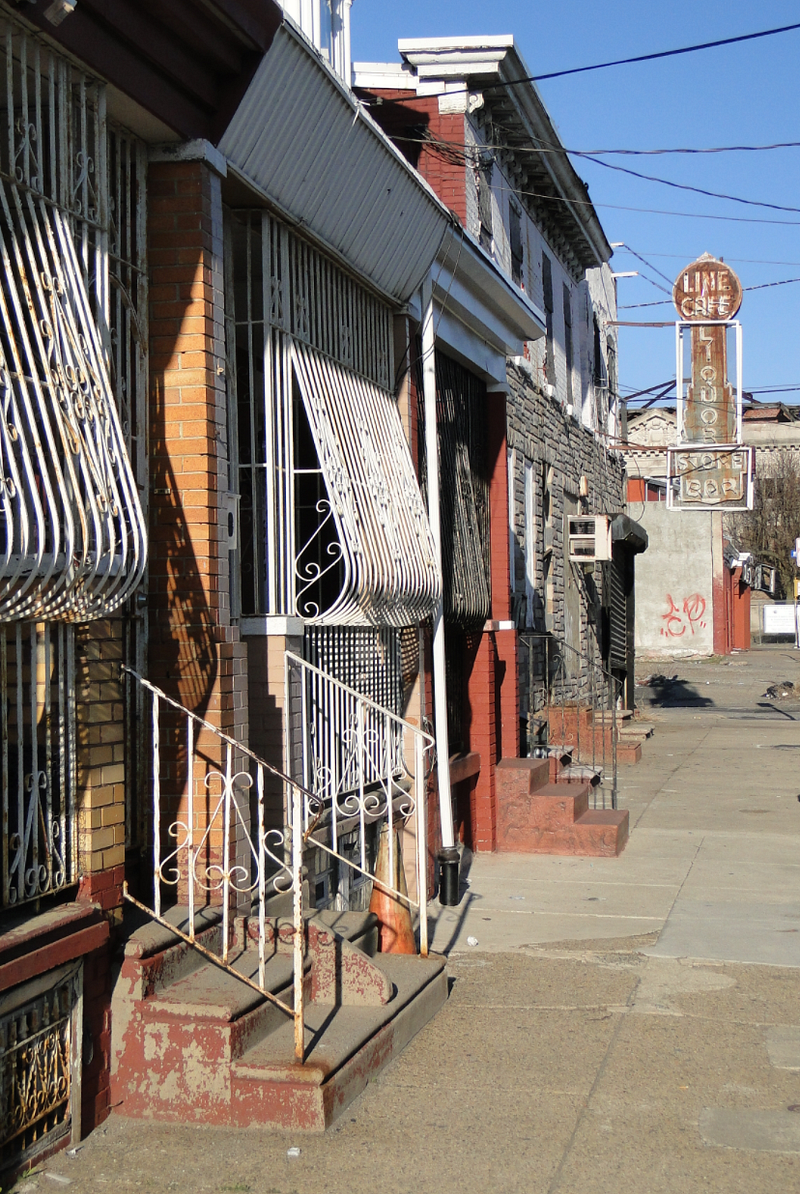
The outlines of chop-shops with tire-towers and wire-barbed — Those tireless Rest in Rust Fords and Broken Bonnets And Back-Seat Sex Parlors — Where Anything Goes for the small price of a generous donation.
III.
Am I right? I see the Asian take-out boutiques — The restless boys in baggy clothes — Huddled for warmth — Brotherhood and Sisterhood against death that breathes With brutal serenity on the flames That lick at the Four Coroners of Humanity.
The Fair Trade Winds or That Dream never quite reach The Doldrums here — Where the City decays not from German bombs Or al Qaeda hate — Or from American Apache War Machines — But with something more destructive, elusive — Inhuman, unforgivable —
What could that something be? Could that be plural?
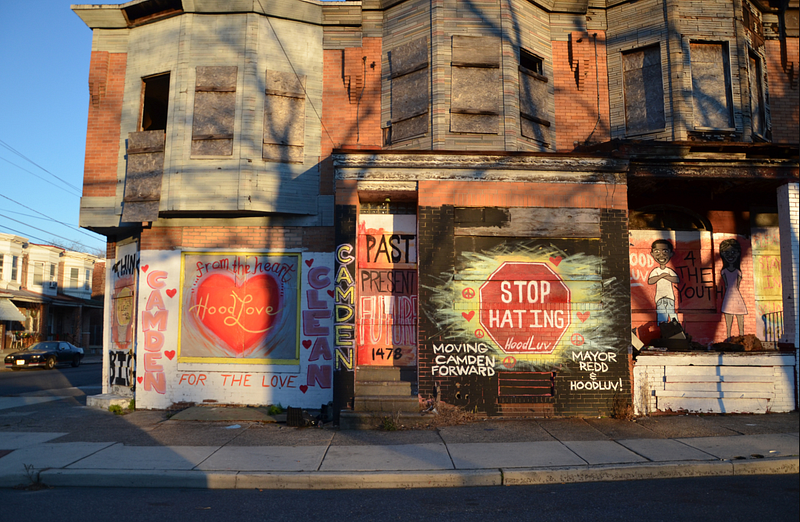
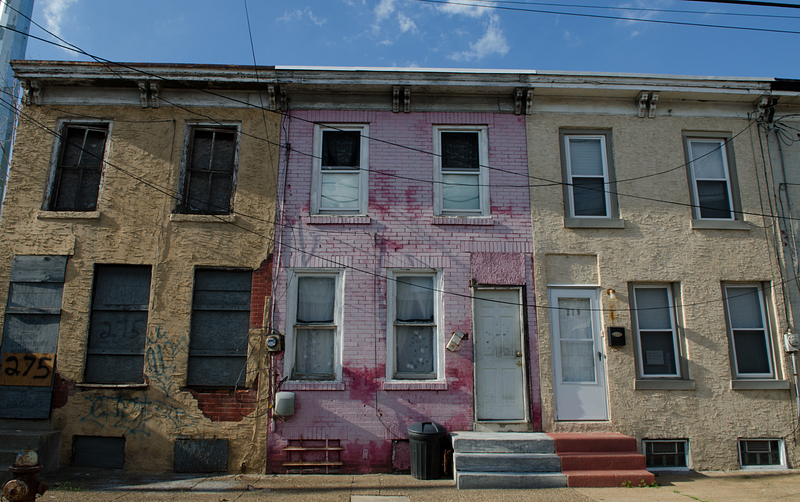
I am looking for you in the crumbling buildings — The wandering, restless civilians amidst The bric-a-brac paraphernalia Of Naked Lady Libertine without sandals or shoes — Without Her light — Her robe — Without Her panties, standing alone — Shivering naked on the Cement Canals and Concrete Viaducts Of Haddon Avenue, Mt. Ephraim Avenue — Martin Luther King Boulevard, and Kaighn Avenue.
I watch as these restless souls step over Her As She’s passed out on the curb — The bile, the saliva, oozing from Her mouth — So tired of standing so long and so neglected — Her flame long extinguished.
I am powerless. Like you, poet — “I stand, see, and am silent.” I cannot help them as they defile Her with cell phones — Broomsticks, Converse sneakers, clubs, and sneers.
IV.
I cannot do what you had done for many. Who needed your voice, your words, your hand, your tears — To baptize away the blood that coagulated around torn tissue and conscience.
I am no prophet. I am no nurse. I am no poet angel or stately orator. I’m no politician who politics from the safety of the State House In air-conditioning sanctity — A few thousand souls in air-conditioned millions — Hermetically sealed from the reality of the millions — Who toil and work in the wreckage of post-Industrial America. “Heal thyself” is easier from foaming hot baths and Senate health care. “Self-reliance” is easy when walking leisurely across the golden plate — For yet another tally, another run, another score, another share — When so many are barred and born far from luxury stadium seating.
V.
I can only see from the shaking train. In this city where I was born and lived when mighty young — And escaped with white parents — Thanks to Color Zones and Red Lining Federal Loans.
Who can smell the hunger from the baby’s mouth that drains the dregs From that once blue bottle? Who can hear the nightmares of the child? Who dares not run for milk for fear? Of cannon cross-fire or scatter-shot, from the neighbor.
VI.
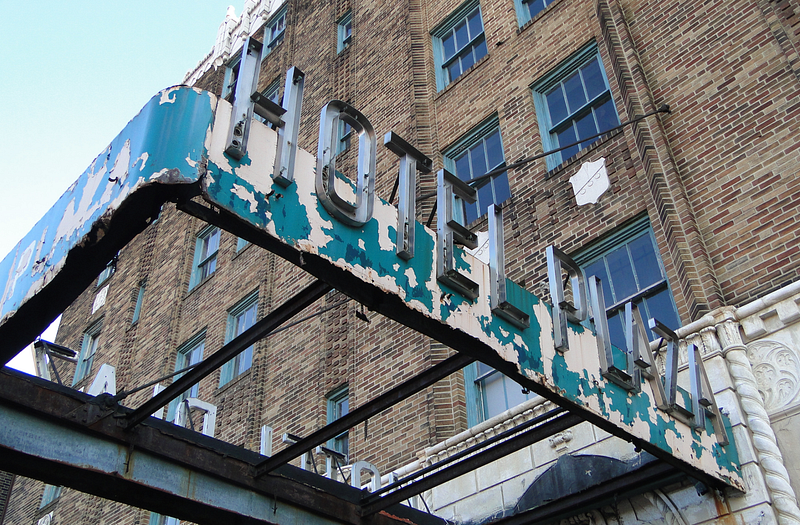
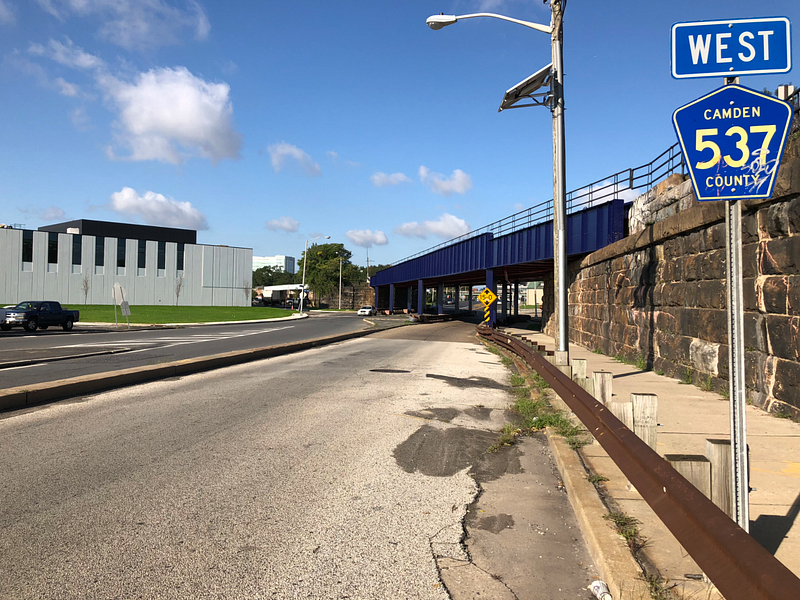
I cannot taste the Kung Pao chicken That drips in the drains of all-night halfway houses. I cannot touch the cracked hands of the homeless Who wander the environs of Rand Street — Where I once lived — In that one picture of me by the open window — Was I trying to escape, even then, that picture now lost?
By the Transit Station for the hope of a handout From a rushing Rutgers commuter student — or from a comatose XTU concert attendee Who woke up all blazed and Bedraggled without his pants and humility.
I cannot fathom the thousand and one miseries In a city so ravaged and so forgotten and so close. In your city — Where you said, the city was originally an accident. “But I shall never be sorry I was leftover in Camden. It has brought me blessed returns.”
Just how many have been “leftover” now?
Who can kiss these children goodnight? Can we still count them as children?
VII.
That’s why I’m looking for you.
I’m looking for answers that will save not just the city — But for ourselves in this circus of accusation and annihilation When we offer Congratulations When we Destroy one of our own Brothers, red and blue — Black and white and brown, on the streets — On CNN and FOX, and on the Capitol steps.
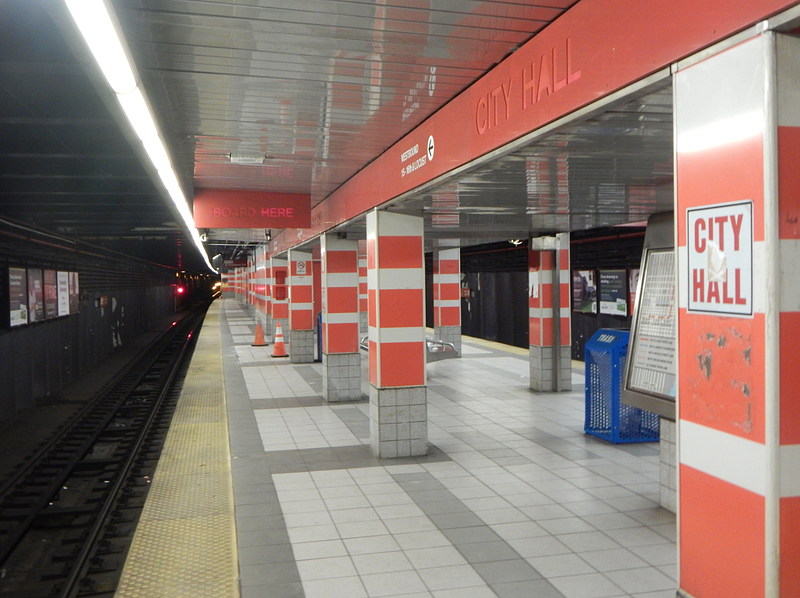
I see the horrors from the train, but now I get off the train at City Hall. My appointment in Philadelphia can wait. I walk as one unacquainted with the day — The sights as foreign to me as Bangkok or Katmandu. Yet this is the city of my birth, the city of your death — And we share a bond more than just our name — and yet I am a stranger here. I look strange here. A visitor from another planet.
There was no strangeness to you, anyway, was there? All were your brothers and sisters.
Didn’t you cradle the prostitutes in your arms? The drug addicts, the crazed, the sterile, the hustler — The lawyers, the doctors — The mothers of masons, the fathers of freeloaders — The wrestler of roughs?
And were you not shocked at the silence? As Wilde said — “Nothing human is alien to me.” But was Oscar Wilde a liar?
Am I that limited in sense experience? Here, everything is alien to me. Could this be my state? My country?
A city just a few zip codes across the universe From the leafy address of my own home Where my girls sleep soundly after reading the classics — or a poem by you, oh, sweet, Bearded-Bard, And after praying to a God they know exists Because comfort and security Have always Reigned down with kisses gentle and Nights of good hugs.
VIII.
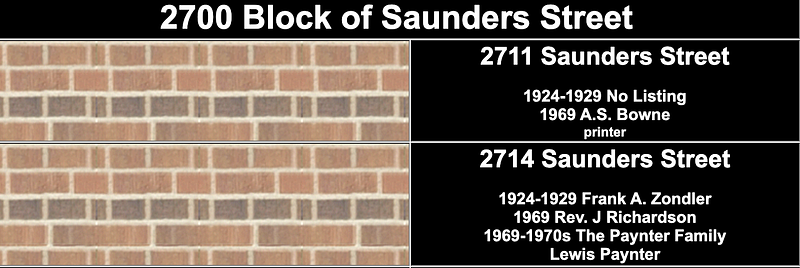
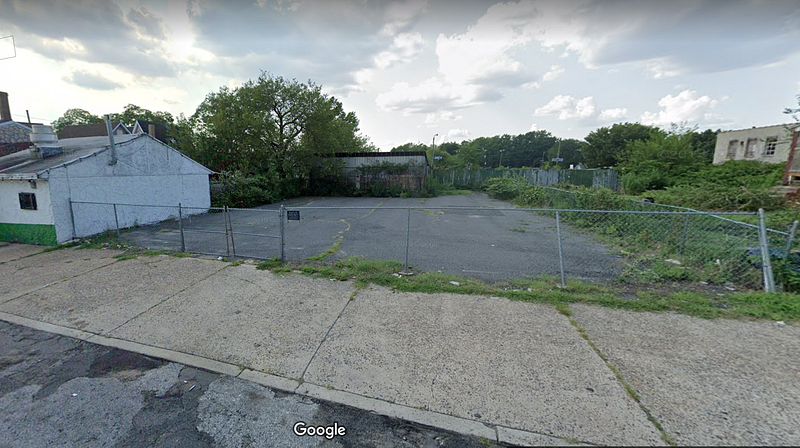
I walk nervously down 5th Avenue to East Camden To the home where my dad lived as a child and young man — To that old printing shop that smells as real now as it did then — Redolent of the smoke and the fire of the Industrial Age — When men with rusty hair in rolled-up, dingy shirts smoked cigars or pipes With cracked hands and black-tipped fingernails in concrete bunkers — Back then Pop Pop’s shop seemed liked hell to me. The sounds of the press. The omnipresent blackness of ink, Smudging the pallor of Pop-Pop with that pipe. And there is my father, slim, short, acne-scarred — Handsome in his naiveté, working instead of playing ball — Dreaming of freedom from the rigors of the printing press — The press his Sisyphean boulder that he will shoulder for his entire life. And perhaps he should have been happy with that burden — That gift, of a chore that allowed him to pay the bills — And the child support. And here I am typing, a writer, and there is no smell of ink — Or sweat of work and toil.
IX.
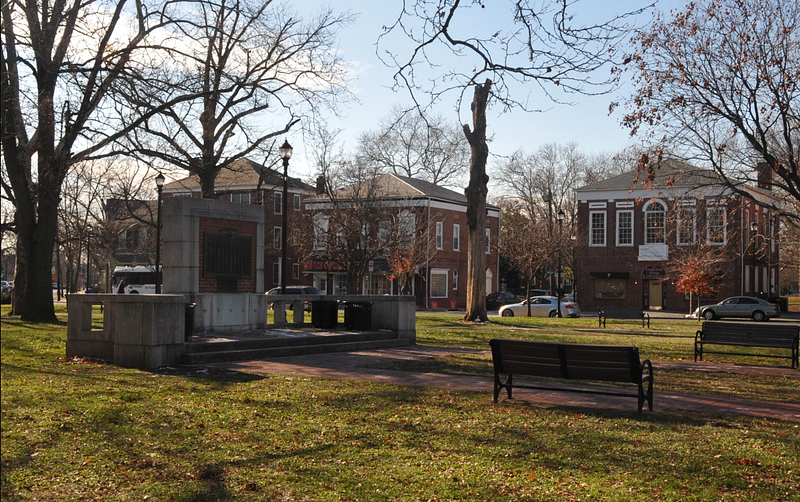
I pass by Northgate Park. The flotsam and jetsam of Modern America that befoul The grass that you glamorized As the Democratizing Emblem of the Land — Kentucky bluegrass, Bermuda, Fescue, St. Augustine — Brown-no-longer Milky Way wrappers, Marlboro packs — Dull yellow Whopper paper — Dented Sunny D bottles and milk bottles and soiled baby diapers — Now the foul spirits of week-old whiskey drip from discarded bottles. Colt cans with must and broken lager scatter amongst the grass — Mosquitoes multiply in the fetid pools of tossed tires — Underneath the willow that looks much more haggard — Than Ralph Waldo Emerson intended in his sweeping prose of Nature. A million tiny grasshoppers scatter with each footstep — Or am I The Will of Zeus dislocating and disorientating the locusts?
X.
The tennis courts have not heard the wrack of a racket for decades – Only the cracks of time filled with ragweed and Nature reclaimed. I see no youth on the swings. I see no romance on the park bench with a boy blushing. Is there any blush left here to blush? Such innocence? Slipping his hand to a tender maiden? I see nothing in the park that connotes a park. It’s as if the word here has taken an Orwellian spin Around the broken tire swing — And we have entered the Ironical world That Miranda would have dreamed — If she dreamed in nightmares. Oh, Brave New World! But I know you, poet-of-my-America, must still be here.
XI.
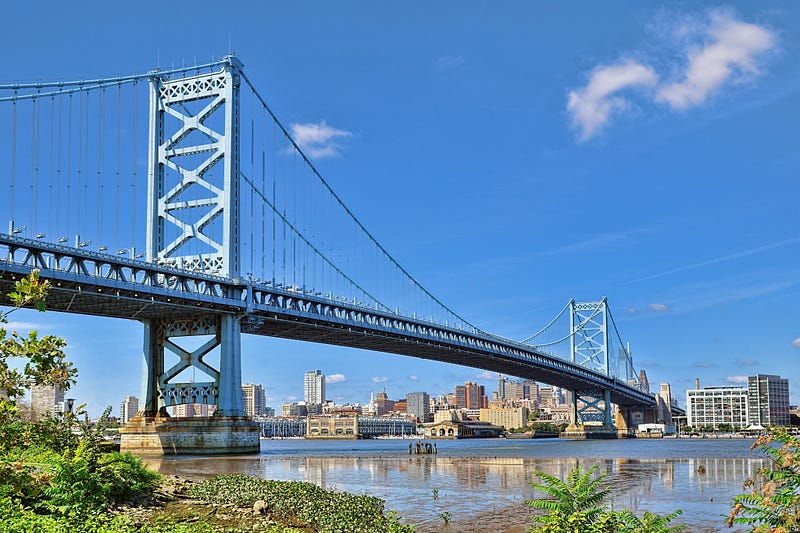
I am looking for my father in the streets of the 1950s now — Walking home from Woodrow Wilson. The Ben Franklin Bridge has long been opened — Like a syringe draining the vein of jobs to that addict across the Delaware. The Walt Whitman Bridge will also open — Draining more Aqua Velva Veritas from this place you called home — Draining trained workers and talent and money — And the children of tomorrow’s children to The City of Brotherly Love — And to the fashionable Zip codes beyond — To nurture children like my sweet girls That will attend Newsweek’s Top Schools Without fear and learn and attend college and build lives. But the print shop is gone.
XII.
I am a nervous white face, unarmed and powerless. My only power comes through in a torrent of nerves and words. And I am that stranger in a strange land. I am not here to buy the white nectar of Nepenthe or the speed of Mercury. My drug is poetry — the poetry of understanding — The poetry of empathy — The poetry of motivation —
Oh, how quaint and endearing. Poetry, after all, cannot fill the body with fruit and fiber Or eradicate the cockroaches from the cracks In your bedroom, as you study with crack crack-crack — The smack of gunfire from the fire escape Where yet another one of your classmates Lingers in a pool of wasted spirits.
Who will wash his hands in his blood? Who will show me their fingers dripping in blood? Who will bring me a washbasin? Who will weep over your grave, already strewn with weeds and debris? Who will remember you when you are gone? How could the love that made you not keep you? Is it even love that makes us?
I am not here to cover the story of yet another murder. I am not a social worker. I am not a teacher who enters The Fifth Circle of Dante To do my duty for The Common Good and God.
I am not righteous. I have no faith except the faith of the Word — My faith in You — And in the Everlasting Divine of What I Touch, I Make Holy — Just like you instructed me. I am not here to take photographs for Life magazine About a third-world country — my country.
I am here as an archeologist, perhaps — Finding clues of what you may have left Behind — a chalice, perhaps, from the Last Supper, your last supper — Everlasting life is nice, but what of this life? Wouldn't a safe life during this life be heaven, too? That I could fill and deliver to the rudderless masses Whose only dream is to make it through the next hour, the next day.
XIII.
Along State Street, I see old folks, friendly all, sitting on stately decayed Porches in frayed lawn chairs, debris that has long been washed up On the beach, and who seemed content to stay And dream of the water that used to nourish them. But I do not talk to them. But I’m sure you would, old-poet. The houses here seem nicer than ones I know I’ll soon encounter. I nod and they say, “Good morning,” And in that smile, I see a seed of you.
Perhaps that’s all it takes, a seed, a smile. But the seed is only potential and not perennial — A forest locked within solid walls of fiber-thinness.
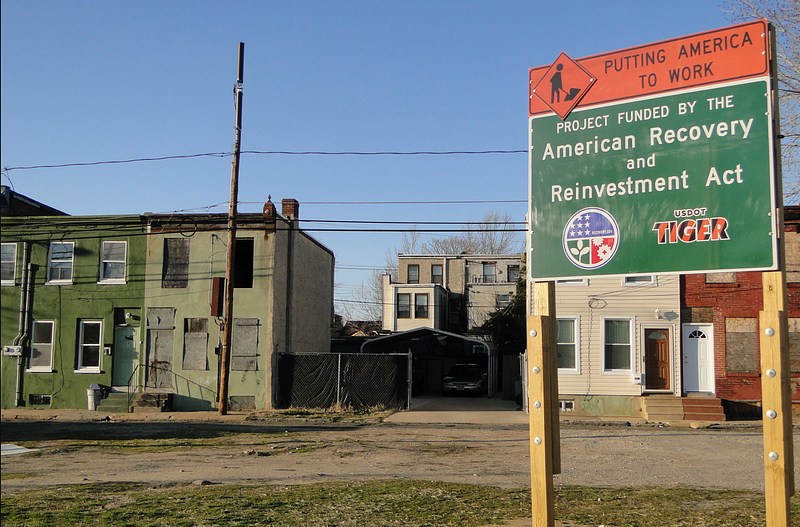
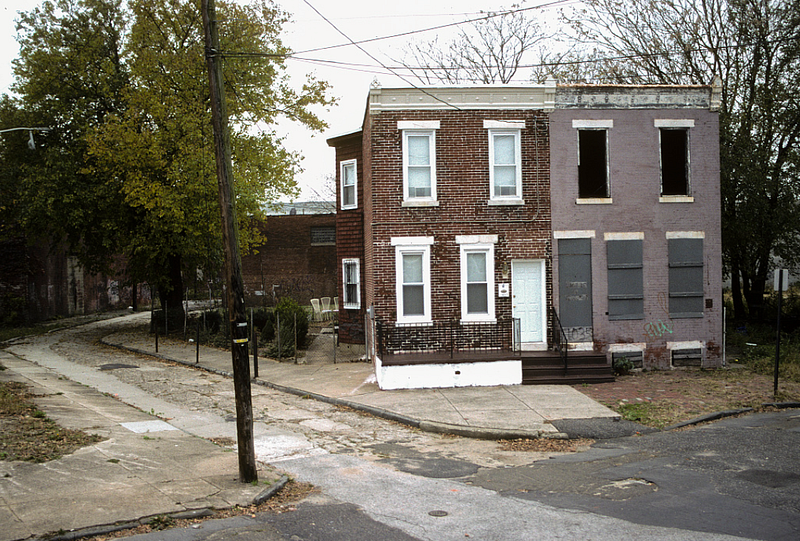
I turn north and pass along Bailey Street. I pass by a burnt-out building — The limb of an oak violating the sanctity of a shattered window. The roots of a huge maple dismantle the front porch of one home. I kick scattered glass that reflects a million suns. Can even that be beautiful? The tattered remains of yellow police tape Flutter in the breeze like ribbons from a birthday party.
I see a woman on the stoops of crumbling concrete steps — Nursing a baby in a pink blanket. She can’t be more than sixteen. She should be at school, studying Calculus — Reading Hamilton's “The Federalist Papers” — Writing her own papers concerning Loose Constructionalist and Strict Constructionalist Constitutional Theory. And perhaps if she had been born in a better Zip Code — She would be on the debate team winning against Princeton — Or championing the rights of Syrians in Model U.N. at Rutgers — Winning scholarships with dreams of diplomatic ventures across the world. But her face at sixteen already seems drained and old. She needs the cup that touched your lips. She needs some chalice of something holy other than the air of prayer! She needs robins that sing outside her window. She needs the green grass underneath her feet. She needs bananas and whole grains And chickpeas pureed with tahini and olive oil and garlic To make a balm that will soothe her belly. She needs tools — but all she has are her small hands — Her tender breasts for her child — And a fifth-grade education and dreams that she cannot dream Because she doesn’t even know such dreams exist — Except on television and in movies she cannot afford.
Study — stay away from the bullets! Concentrate — stay away from the crime! Be self-reliant — raise yourself right when the world is wrong. Have dreams — even when life is a nightmare.
She does not see me. She only looks into the eyes of her baby. And what does she see in those eyes? What songs could she sing to her soften her child to make the child hard? What life will the child inherit? What country will that child enter? A child going forth — Negotiating a tightrope of silicon and fiber a mile high with no net. In her horror, she must think that the world is abortion — Or an unsuccessful abortion was to live without life — And hope is much worse than simple blackness — A void that was never even conceived. And God is either impotent Because He cannot save her from misery Or malevolent because He could intervene But keeps His hands away, making other Worlds — Declaring, “Feed yourself — Fools! I am done here.”
XIV
I pass through the city as one unobserved — And yet my strangeness here must be as strange As if I possessed purple skin. I hear the bass and the beats and all the slithy-toves — And Goo-Goo-Go-Joop And shish-boom-bah as I walk through the streets. It is loud and strange — like a world language With a different score. Wondering when a car will stop and ask me to get in. Or stop and ask if I want some Lady Gaga Or Happy Horse or Yellow Submarines. Or stop and ask, “What are you doing here?” But they don’t see me as acutely as I believe I see them. I am a ghost to their reality. I expect to be knifed or kidnapped or robbed — But why must I believe I am that essential?
I am inconsequential. Just like you are inconsequential to the toil of daily living. Am I an entrepreneur? Am I offering jobs? Am I offering a way out? Is this rambling poem a cop — out?
XV
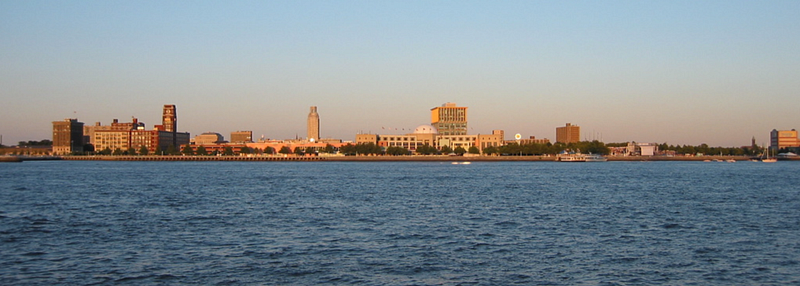
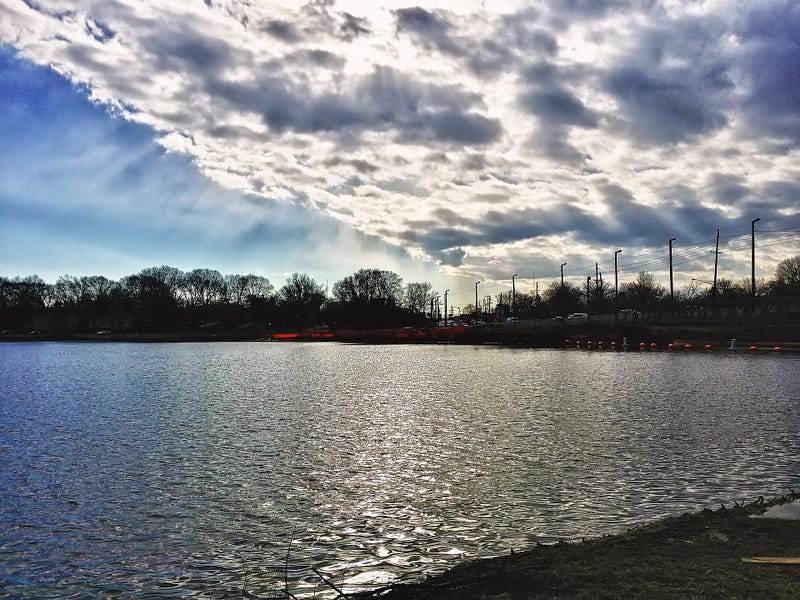
Crossing the bridge on State Street — The creek below and the Delaware River close — The trees and the open space — An oasis that quickly transports me to a fantasy Arcadia — I feel the need to deliver The Good News — The news of Educated Mind.
As a Great Educator of Youth — I want to hand out boxes of Baldwin and Ellison And Hughes and Hainsberry and Cullen and Claude McCay and Paul Lawrence Dunbar and Alice Walker and Toni Morrison and Pablo Neruda and Carlos Fuentes.
I want to teach underneath that elm over there About Community and Self-Reliance and Plato — The Oversoul and Cato — the Transparent Eyeball and Poe’s Fortunato. But how could I teach The Invisible Man When I have always been Visible? — and who the fuck am I kidding?
And what really do I know of rivers deep — Of The Middle Passage — The Life of Olaudah Equiano, the narrative of Frederick Douglass — The confessions of Nat Turner — And the beats of the Harlem Renaissance? I have the News of the World — And the keys to freedom — But who wants to listen to me? Who am I? If the world never listened to you, old, dead poet — Who would want to listen to me? Did your poems stop the bullets at Manassas?
XVI.
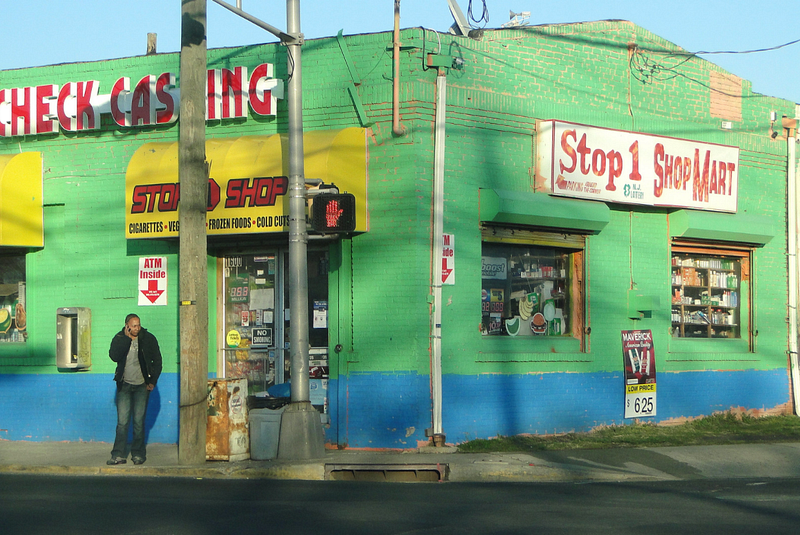
I head north along River Avenue through Cramer Hill. To my right is more Industrial Blight — a huge field of brown. In two hundred years perhaps Romantic Poets will linger About the decayed walls and climb through the rambles and the vines And write rhymes to Old Tymes and paint soft golden tones Like Turner and call it “Cramer Hill, Restored” Like modern-day graffiti artists.
In the streets, I pick up the headlines on discarded newspapers — Wind-pinned against aluminum fences — Flattening out the papers against my leg I read —
“Two Grisly Child Murders Prompt Crackdown on PCP” “Camden Man Gunned Down on City Street” “Attack victim remains upbeat after the violent incident” “Authorities Identify Victim in 1 of 3 shootings” “Camden School Board Votes Down All Hope Proposals” “4 charged with animal cruelty in Camden” “Slaying continues Camden’s record homicide pace” “Camden man dies, shot multiple times” “Camden Man sentenced for double slaying” “Students hurt in Camden school bus crash” “Was wet behind Camden attack” “Mother decapitates her son”
Do I need to read that Camden is one of the country’s poorest cities? Most dangerous city? Why do I even read the news? These Headlines of Tears? Didn’t you say that News was Old Ladies at their Tea? Or was that another poet?
XVII
I head down 27th Street. I cross over Conrail train tracks. I wonder, in a fit of despair, whether it would be better for a vast Diaspora — To order the eviction of every resident and child in a modern-day Trail of Tears with cash in hand to relocate to other sections of America Where there are fewer murders and less fear and more hope — And call in F-16s and F-106s and Heavy Bombers and Drones And level the city with cleansing Old Testament-Hebrew-Bible Fire So that new roots can grow from the ashes of old — Like the Pine Lands just west of here. I know this is obscene, but in the bright of day, it all makes sense — Separated is safer than penned in.
But I cross new baseball fields at the end of Pleasant Street. I run the bases my father should have run. On 31st and Rowe — I’m in a new development That seems like more than a seed.
I head toward 34th Street. I have the old address, but nothing looks the same. I leaf through my father’s yearbook from 1964. In two years he would join and Air Force And miraculously avoid the Vietnam War And continue the printing trade in Baton Rouge. At a dance, he met my mom, married as two virgins — Lived on Rand Street in Camden — And then a Camden cop my mom dated after her divorce — Who was not as lucky to avoid Vietnam. He told me that there was a murder in our old apartment on Rand Street — And in that windowsill, there’s a picture of me crawling — And in that window, a young boy was murdered. And I stop in front of the old house with a porch I do not recall. I only recall the old steps inside and the smell of pipe tobacco — And I thank my dad for leaving Camden.
XVIII
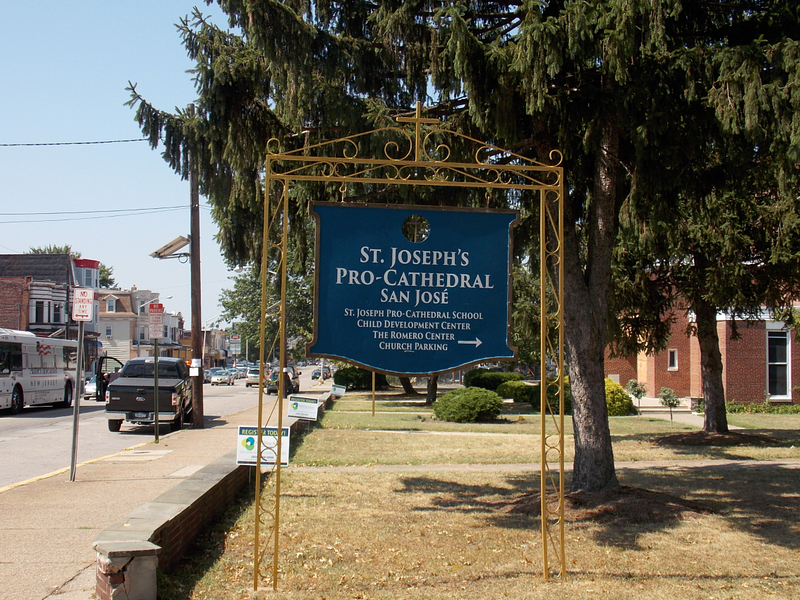
I head west along Federal Street. I pass by St. Joseph’s Pro-Cathedral. I was baptized there, but somehow God did not hook me then — And does he hook me now? If not God, why you, Poet? Really? Amidst all of this? I get requests for donations every year ever Since I requested copies of my baptism for my marriage To an Irish-Catholic girl who wanted to remarry in the church — And I was more than happy to oblige because I admire faith and hope.
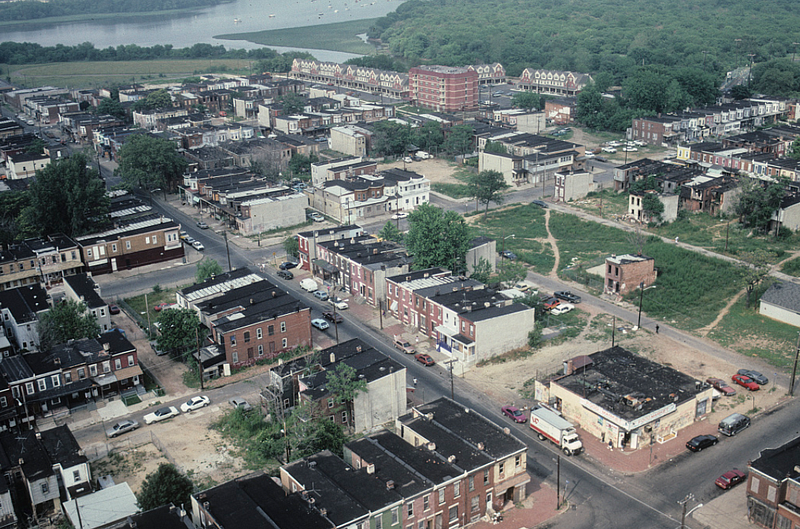
I stop for a Diet Coke at Westfield Pharmacy, still looking for you. Are you getting a shave at the Latin barbershop? Tax advice at Jackson Hewitt? A dinner at Crown Fried Chicken? Or a burrito at San Lucas? Or a check-up for herpes at Cam Care Health? Holding a rally at Labor Team USA? Are you getting into black sedans with shady men? Are you helping that young girl with the stroller? Are you standing on the corner like an axis — Looking at the universe revolve around you? Are you teaching astronomy at Dudley School? Are you loading trucks at Ace Auto Parts? Are you extinguishing the fire at 17th and Federal? Are you baking crack in back corners and basements? Are you connecting with the stormy dynamos of youth, Tapping and dabbing and swinging With the wilds of youthful abandon, knowing the end is coming — But blazing a path of light while life still flickers? Are you raging, dear poet?
XVIIII
Do you know I am looking for you? Why isn’t anyone else? Do they know you exist? Are you on Facebook? Twitter? Jersey Shore? Are you on YouTube? Twitter? Instagram? How would you publish today, old poet? Would you want a reality show? Corporate sponsorship? Political Action Committee?
XX.
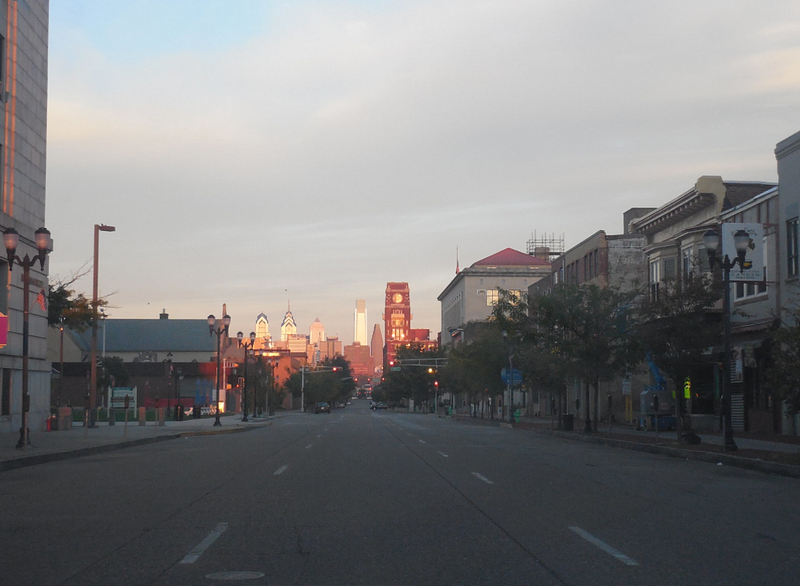
Perhaps I saw you at the gas station weeks ago, near Christmas. I once stopped on my way home from the Ikea In South Philly with my Mazda minivan low on gas. My wife and girls were inside along with my nervous mother-in-law. It was night. I missed my turn for the Admiral Wilson Boulevard And wound up in Fallujah at twilight with no light. I slipped my credit card behind the window and the guy on the bench Reminded me of you with the beard and the friendly eyes And the grizzled girth of manhood. He asked me if I was lost. Did I really look that different? Aren’t we all Sons of Adam? I said I was trying to get to Cherry Hill. And he said, “Cherry Hill is nice. Camden sucks. Get out of here.” And then a Black youth appeared and handed the man His phone for collateral so he wouldn’t fill up his sedan and run. He seemed like a nice kid. In a matter of two minutes, it seemed unfair that I was safe Once I crossed over Rt. 130.
XXI.
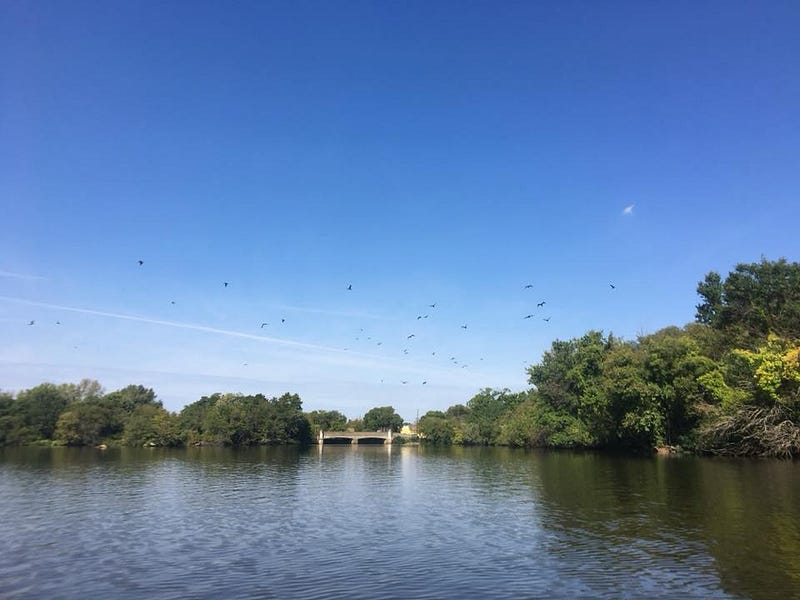
Now I crossed over The Waters of Cooper and under Rt 30. I recall attending a wedding near Our Lady of Lourdes For my friend Jim who was the manager of The Holiday Inn When I worked there as a kid during college. My wife and I were the only white people — And I was nervous, of course, but there was no need to be. For some reason, my wife and I were treated like royalty — And this one couple offered their seats to us at the table. In this tiny, orderly row home and it seemed surreal. For our time there at the wedding — I think I found you, old-poet In those vows of my friend and manager — in that second life of my friend Who had seen his time in hell of addiction. But lives being busy — and orbits being orbits — It was the last time I saw him.
I hate orbits. I hate gravity. I hate momentum.
XXII
And now I stare up to the restored Lady at Lourdes — She had been struck with lightning. Did you do that as a sign? What room up there was I born? It was there I breathed my first breath. I guess you can call me “of Camden, the Son,” But what of Camden do I have? Except for memories that do not exist except in photos — And the poetry of you?
I walk further, towards the river. An ambulance blazes past me towards Cooper Trauma Center. I can guess the headlines for tomorrow. Will the headlines shock me? Do headlines even shock us anymore? I see signs of redevelopment plans — A renovated building to house a museum To Camden’s past as a shipbuilder.
Let us not just dig up ghosts.
XXIII
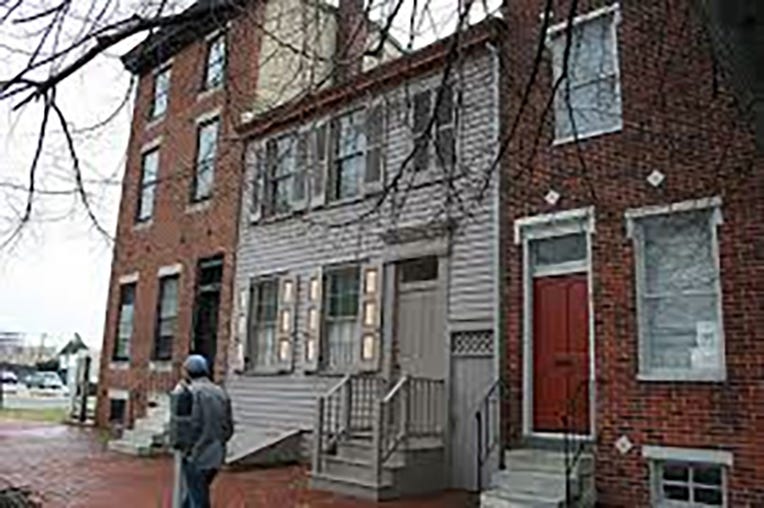
I stand outside your house. Why couldn’t you have chosen Haddonfield Or Merchantville or Princeton or Society Hill in Philly? It would seem more fitting for America’s greatest poet than Camden. Inside those walls of yours, a garden exists of lilacs and repose. Or perhaps America’s poet should be buried in Camden? Why would you mingle and rough-house? And drink champagne with the elite?
A student of mine won an award And read to those, not from Camden, who savor poetry. Outside I was accosted by an inebriated man Who wanted payment to watch my Honda Civic. Of course, you instructed to give alms to everyone who asks — But I did not give this man a dime. I carried no cash. Sorrow dripped from his red eyes — And I felt like a hypocrite when I was in your house And I heard the words of my gifted student In that sanctuary of poetry and beauty. And when I saw the bed where you died — I thought I would feel your ghost — But I didn’t.
It’s not in the things that remind me of you.
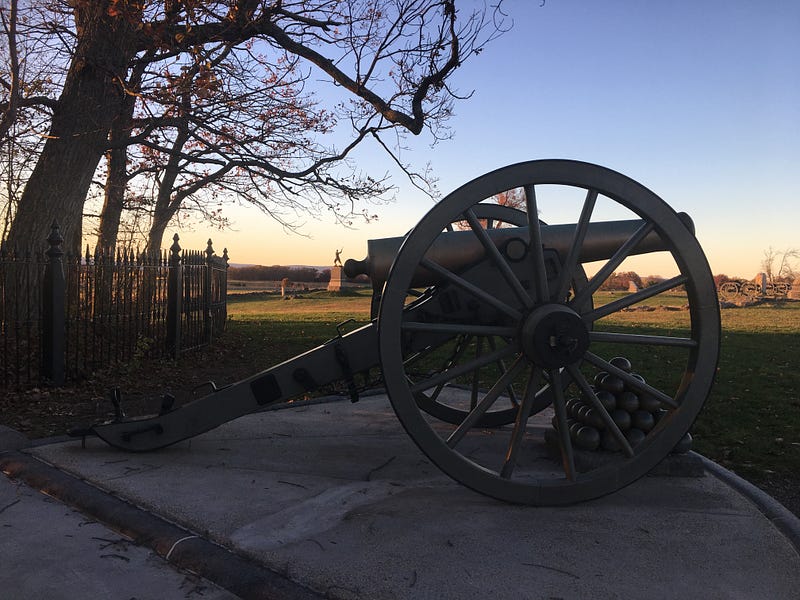
XXIV
I know you donated your brain to science — And someone, as the legend persists, said your brain never made it to Philly. So perhaps I’ve been looking for your brain — But you didn’t donate your brain to science. You donated your soul to America who never asked for a soul. You wrote your beliefs on leaves to America — But were never asked for a belief. You, poet, saw above the horizon — For the world’s best chance for survival — A true beacon of liberty. Then the Civil War came. Still, all that blood could not wash away America’s Orginal Sin Of slavery and bigotry and racism. Your poetry could not stem or staunch or cleanse — The Rivers of Blood. Have we exported such crimes to the world? Or merely inherited such crimes with eyes blind and hearts Hardened.
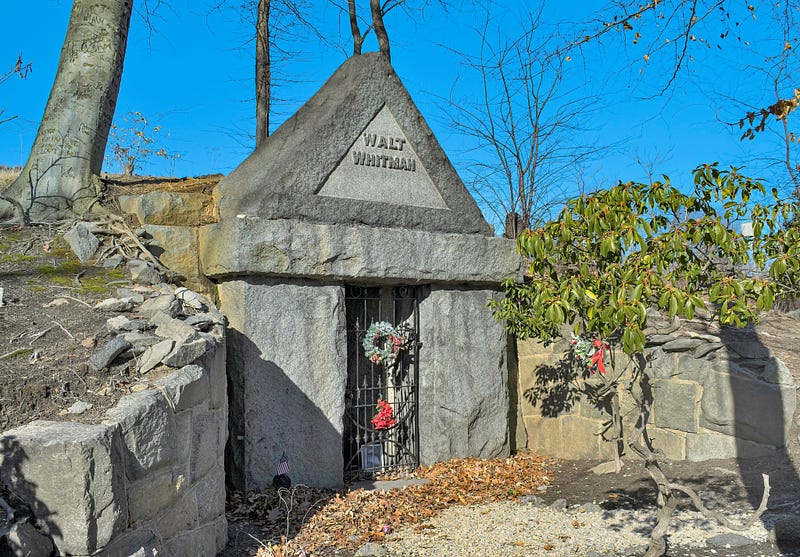
XXV
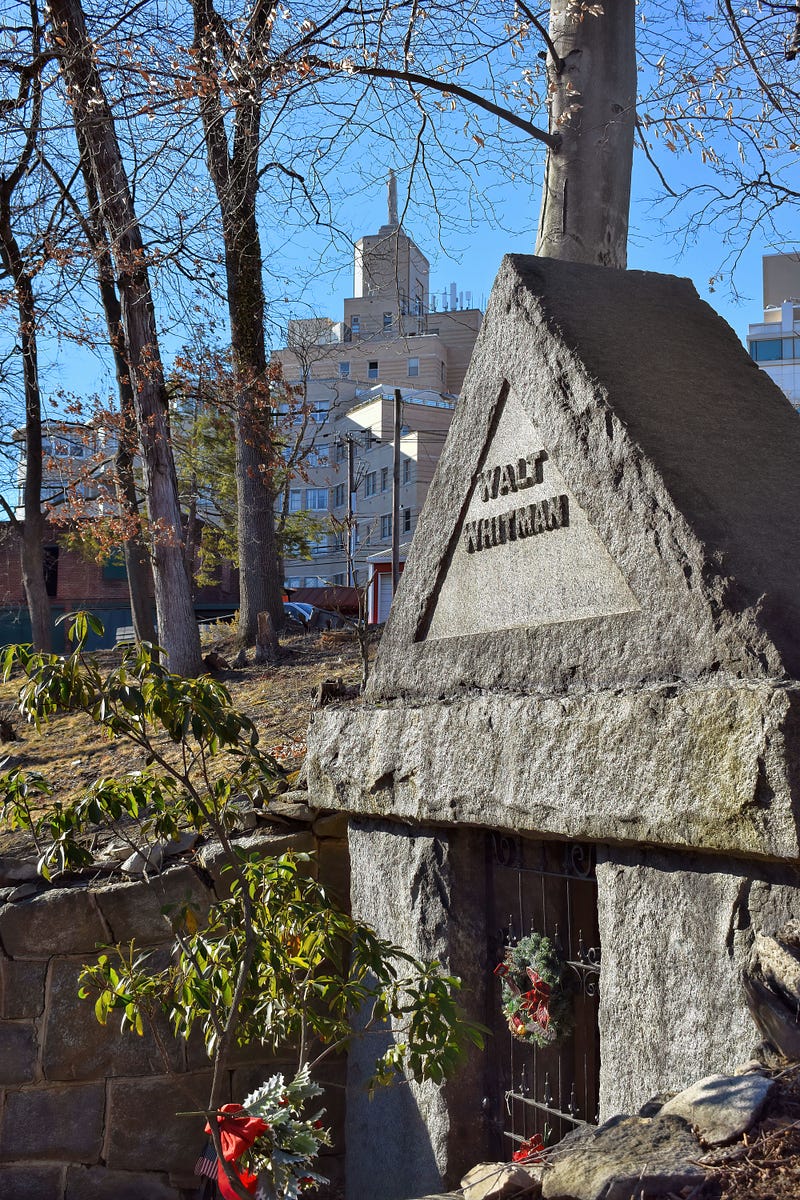
I visited your grave today, dear Gray-Beard. It was the first lovely day of 2021. It was lovely. The sky blue. I could throw a baseball from your grave to the hospital where I was born. I never realized we were that close, in birth and in death, my love. I walk around your tomb on that day after teaching. Why has it taken so long to travel the six miles to pay my respects?
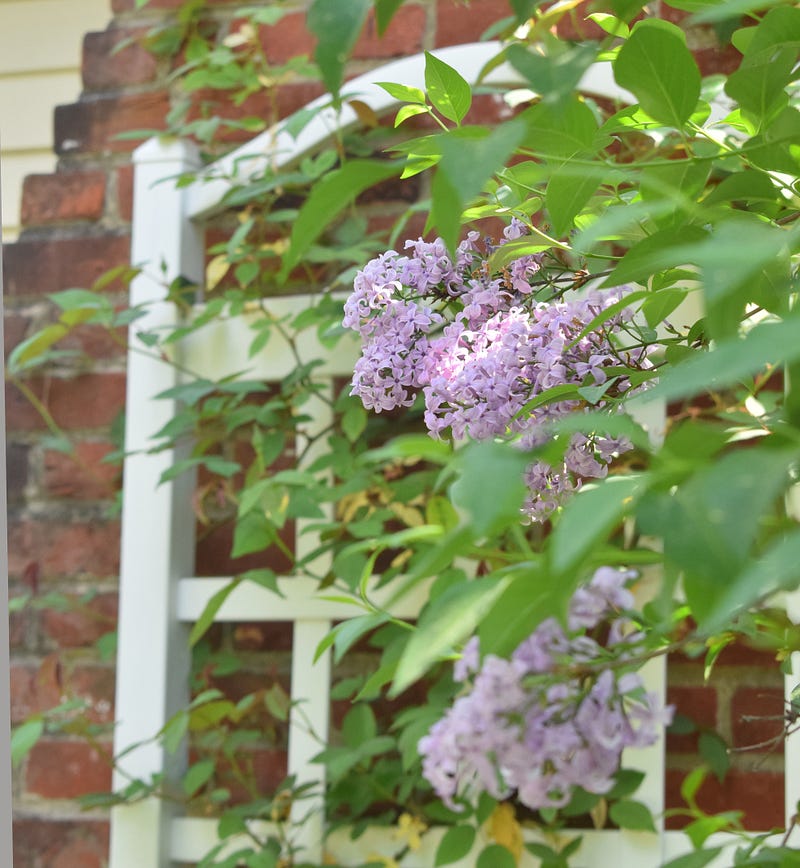
While on the train the whole time — Passing through the world all too quickly — Knowing realms exists but clueless as to their real existence — And I want to offer my own sprig of lilac — To your belief in the power of the individual and to citizenship — To love and healing, to silence and mourning — A sprig of lilac to a city that I left — That many have left — The many who have stayed Either willingly, stubbornly — Through audacity, gunshot, or prayer.
Thank you for reading. Follow me on Medium at Walter Bowne. For more poetry from Walter Bowne on Lit Up, check out:


