
Children Are Reporting Helicopter Parenting During the Pandemic
Insights From Crisis Response Calls
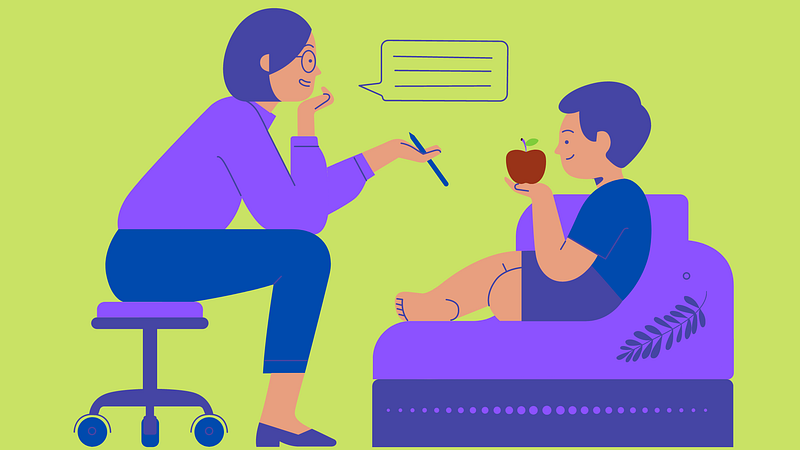
As the pandemic ravages onward, I wonder about those little kids who pick up the phone to the crisis line and cry. I’m a voluntary crisis responder and sometimes, it breaks my heart to hear or read about the many things that kids sometimes tell me.
Sometimes, little kids tell me that they feel that mom and dad are super mad at them, which can be pretty normal for most people. Under normal circumstances, they would cool off, work on something else, and eventually work their way cautiously towards apologies and acceptance.
In the process of waiting for the cool-off period, they are scared. There is no one to soundboard off of, and they can’t ask their friends because no one is allowed to go visit people.
Their parents are still mad now, so they know that they can’t talk to mom or dad yet.
Prior to the pandemic, the kids would also do other things to help with their immediate stress and fear, like playing a small game, listening to music, visiting the community centre, or even their school.
When they fully cool off, the kids are generally okay, but now, because of the pandemic, they are stuck in their bedrooms, unsure of what to do. They live in close quarters. They are curled in a fetal position, under the warm security of many blankets, telling me things that they have apparently never uttered to anyone else before.
They don’t want their parents mad, but they need a shoulder to cry on, hence the panicked call or text to the crisis line. Some of them saw the number while looking up websites online. Others will see the phone number on the bottom of a cereal box or under their chocolate bar.
Back in the day, the crisis line, a non-profit, used to be prominently featured in government-funded public service announcements (PSA) on national television. Many corporate companies took this opportunity to place the phone number and texting service on their products.
Even today, some of the older generations can still find remnants of that older era, when they open certain boxed food items and see that phone number near the ingredients section.
However, the same phone line is heavily promoted online, whether it is on a mental health webpage or on social media. Plus, the same services tag-teamed with other service lines, so technically I provide crisis response for multiple services, for people across many ages.

The kids sometimes feel that mom and dad have gotten stricter, almost akin to “helicopter parenting”. And yes, young children have used this word towards me. It is not my call to determine if their parents are truly being helicopter parents or not. It is just my call to help this person feel better.
For example, I have said these kinds of things for people across the lifespan:
“You’ve survived so much already. I’m really proud of you, Tommy.”
“I know it’s bad that mom and dad aren’t being nice to you, Kelly. Unfortunately, we can’t control how mom and dad are feeling, but we can influence how we behave towards them. Let’s try to brainstorm some activities to help you cool off and figure out a plan. How does that sound?”
On the crisis line, I try my best to ensure that young children feel validated and calm for the time being. You see, the little kids of today feel belittled by the adults. If I can talk to them like I would a fellow human, instead of talking below them, they often feel a lot better.
The kids of today are also very good at researching things online, especially with the technology of today. While researching stuff online, Little Timmy or Little Angie might come across words like “helicopter parenting” and decide it fits the bill of their situation.
On my end, I can’t determine if this is really the case, nor am I expected to assume that someone is lying. In fact, the point is to validate, regardless, because everyone’s experience of the world is different.
It’s much easier for their parents to control every aspect of their lives, some of these kids tell me. They are stuck at home, where dad is working in the living room, and mom is often working in the library.
They can’t run around much, and they’re physically tired from all the schoolwork that they have and they miss having fun. They struggle to express themselves. They can’t engage in their usual coping mechanisms like listening to music or taking a nap for example.

Mom and dad watch them over their shoulder and sometimes forbid them from doing the things that would keep them calm. They would report their parents not taking their concerns seriously. They feel confused and want an adult to help them.
Maybe these kids called the crisis line before, out of cautious optimism, to test out the waters ahead of time. They noticed that the third-party support was compassionate enough to take them seriously, and maybe they noticed that the adults on the phone did some kind of training, so they know we have good intentions.
Mom and dad, according to them, set strict schedules and routines, and they miss playing with their friends, even though they understand that we’re in a pandemic. Sometimes, on the crisis line, I have to brainstorm with the kids on how to make some of their favourite hobbies now virtual. Hanging out with friends becomes joining your friend on Zoom and cracking jokes.
They often have a moment where they get excited because now they have a new way to bypass certain loopholes imposed by the parents, and look forward to trying out some new strategies.
Little kids often surprise me.
The little kids of today are highly creative and a lot stronger than what we give credit for. Last month, a kid called in and decided that we were good adults and wanted to thank everyone.
Even if the system is not perfect, at least some kids have some places for third-party emotional validation.
For more similar articles from the author, please read: