avatarAvi Kotzer

Free AI web copilot to create summaries, insights and extended knowledge, download it at here

3073

Abstract

href="https://en.wikipedia.org/wiki/Dinitrotoluene"><b>dinitrotoluene</b></a> could be added. This, along with fact that <i>cheddite’s</i> velocity of detonation could be changed by varying its compression, allowed for different types to be made.</p><p id="53f8">If the word <b>dinitrotoluene</b> sounds vaguely familiar, that’s because it’s a precursor of <b>trinitrotoluene</b>, better known as the explosive that AC/DC loves to sign about.</p><figure id="f0b2"><img src="https://cdn-images-1.readmedium.com/v2/resize:fit:800/0*r02icgiKOCo-Vpuk.jpg"><figcaption>Credit: wikipedia.com</figcaption></figure><p id="4bf6">TNT was originally used as a yellow dye in the second half of the 19th century. No one realized the paint could go boom because the compound is not very sensitive to detonation. That’s also why AC/DC was able to safely use it on its album cover.</p><p id="ee0d">Okay, back to <i>cheddite</i>. For a long time, it was used mainly in quarrying; that is, blasting out rocks from mines. The slower, milder versions of this explosive allowed miners to split the rocks instead of shattering them into pieces.</p><p id="8cb6">Since the 1970s, <i>Cheddite</i> (with a capital “C”) is the commercial name for an explosive used as in shotgun cartridges. It contains 90% potassium chlorate, 7% paraffin, 3% petroleum jelly, and traces of carbon black. There is even an <a href="https://www.chedditeitaly.it/il-marchio-e-la-tecnologia-cheddite/?lang=en">Italian company</a> with that brand name.</p><figure id="eb9a"><img src="https://cdn-images-1.readmedium.com/v2/resize:fit:800/1*7Je_IPDj3KeON2PHAbSi4Q.png"><figcaption>Screenshotted by Iva Reztok</figcaption></figure><h2 id="ce89">Noble Nobel?</h2><p id="1b39">When I was a kid, I remember someone telling me that Alfred Nobel came up with the idea for the prize he humbly named after himself because he felt guilty about inventing TNT, which was a stable form of dynamite.</p><p id="8ef0">Or maybe I mis-remember that, because those events never actually happened. Well, the fact that Alfred named a prize after himself did. But he never felt guilty about inventing TNT… mostly because he didn’t invent it. Also, TNT is <i>not</i> a stable form of dynamite. Both are actually quite stable and are not related.</p><p id="ccf4">TNT was discovered in Germany in 1863 by Joseph Wilbrand. Four years later, Nobel invented <b>dynamite</b>, which is nitroglycerin combined with diatomaceous earth (the stuff used as a filtering agent in swimming pools). The latter stabilizes the former. So much so, in fact, that dynamite was originally marketed as “Nobel’s Safety Blasting Powder”.</p><p id="77a1">The next decade, Nobel patented <b>Gelignite</b>, a more stable, transportable, and convenient explosive. It could be shaped to fit into bored holes, like those used in drilling and mining, and was thus adopted as the standard technology for mining at the time. This brought Alfred a boatload of money. As did his 350 other patents.</p><p id="90ad">In 1888, Nobel’s brother Ludvig died. Some newspapers wanted Alfred

Options

dead so badly that they published his obituaries instead. They later claimed it was an honest error but I, for one, don’t buy it. One French newspaper condemned Nobel for his invention of military explosives. The obituary stated: “The merchant of death is dead”. Ouch!</p><p id="2c23">And even though Alfred didn’t have a Jewish mother, he still felt racked by guilt.</p><figure id="a432"><img src="https://cdn-images-1.readmedium.com/v2/resize:fit:800/0*RUWiqkuhaysWW7n8.jpg"><figcaption>Photo by Gösta Florman</figcaption></figure><p id="4463">See how racked he looks?</p><p id="6590">Nobel didn’t like the idea of being remembered this way, so he pulled an Ebenezer Scrooge and decided to donate the majority of his fortune to a Swedish Academy that every year picks out a handful of people in different fields and gives them a bunch of money that they then feel obligated to donate to charity.</p><p id="86da">A few years after that he actually did die, and newspapers got to print his obituary a second time. I’m sure that gave them even more pleasure. The first set of Nobel prizes were awarded in 1901, five years after Alfred had passed away.</p><p id="545f">Some people still think the whole “donating money to stimulate medical research, literary recognition, world peace, and scientific breakthroughs” was just a way to embellish his reputation and make people forget how many human beings died thanks to the explosives and explosive-related tech he invented.</p><p id="3c5c">Perhaps that’s why the editors of the Spelling Bee decided that another explosive, <i>cheddite,</i> is a <a href="https://www.merriam-webster.com/words-at-play/dord-a-ghost-word"><b>dord</b></a>.</p><p id="79a1">You can check out my previous entry on another <b>dord </b>here:</p><div id="cf37" class="link-block"> <a href="https://readmedium.com/kibbe-88eebe8146ba"> <div> <div> <h2>Kibbe</h2> <div><h3>This tasty Middle Eastern dish is considered obscure… by the Spelling Bee</h3></div> <div><p>medium.com</p></div> </div> <div> <div style="background-image: url(https://miro.readmedium.com/v2/resize:fit:320/0*H2Qj6FsRnsMj27TY.jpg)"></div> </div> </div> </a> </div><p id="89ae">*What the heck is a <b>dord, </b>you ask? Here’s the answer:</p><div id="f238" class="link-block"> <a href="https://www.merriam-webster.com/words-at-play/dord-a-ghost-word"> <div> <div> <h2>'Dord': A Ghost Word</h2> <div><h3>One of the questions people like to ask lexicographers is this: Can you sneak something into the dictionary? Can you…</h3></div> <div><p>www.merriam-webster.com</p></div> </div> <div> <div style="background-image: url(https://miro.readmedium.com/v2/resize:fit:320/0*8W4qBbOAcL6rJTqp)"></div> </div> </div> </a> </div></article></body>

Cheddite

This word is really explosive!

Photo by Luke Jernejcic on Unsplash

Today’s New York Times Spelling Bee letters:
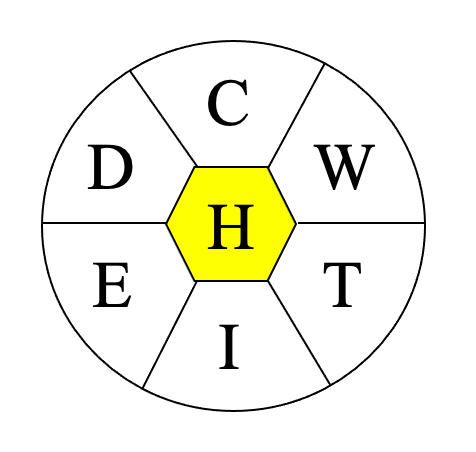
Art: Iva Reztok

C, D, E, I, T, W, and center H (all words must include H)

Merriam-Webster says…
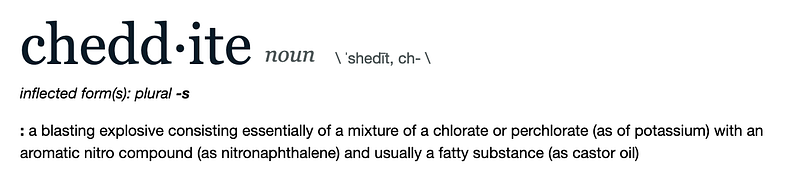
Credit: merriam-webster.com

Silly little dictionary! Don’t you know cheddite can’t possibly be a word if the New York Times says it ain’t?

For further fascinating facts, check out the Spelling Bee Master.

What’s your favorite dord* from today’s puzzle?

My Two Cents

The American sci-fi writer Harry Harrison, best known for writing the novel (Make Room! Make Room!) that was the basis of the 1973 Charlton Heston flick Soylent Green, penned a comic science fiction novel called Star Smashers of the Galaxy Rangers. In the book, two college students accidentally invent a device that can transport them through space, powered by a substance called “Cheddite”. Cheddite is created by irradiating Cheddar cheese.
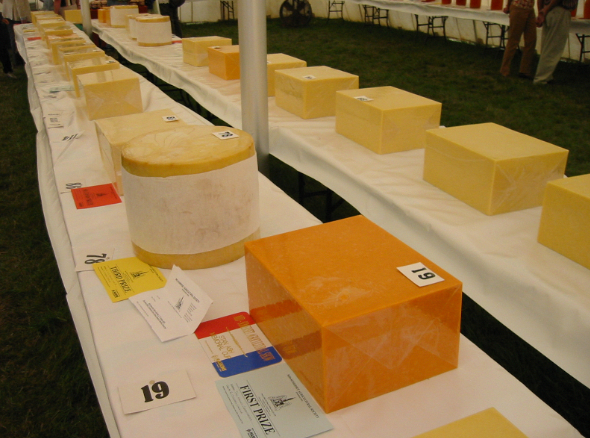
Photo by User Wurzeller

I suspect they used that first-prize-winning block.

A boom-ing town

Much like Cheddar, cheddite derives its name from a town. Not one in England, though. This time it was the French village of Chedde, in Haute-Savoie, a department close to both Italy and Switzerland. It was there that, in 1897, E. A. G. Street invented the explosive that bears the town’s name. He was working for the firm of Berges, Corbin et Cie, which translates as “We make holistic explosives”.

According to a book written in 1919 by Henry B. Faber, cheddite broke ground by combining chlorates with castor oil. The latter stabilized the chlorates and allowed them to be used as explosives. Nitroaromatics such as nitrobenzene or dinitrotoluene could be added. This, along with fact that cheddite’s velocity of detonation could be changed by varying its compression, allowed for different types to be made.

If the word dinitrotoluene sounds vaguely familiar, that’s because it’s a precursor of trinitrotoluene, better known as the explosive that AC/DC loves to sign about.
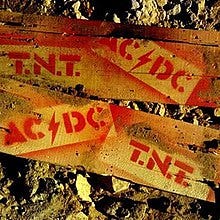
Credit: wikipedia.com

TNT was originally used as a yellow dye in the second half of the 19th century. No one realized the paint could go boom because the compound is not very sensitive to detonation. That’s also why AC/DC was able to safely use it on its album cover.

Okay, back to cheddite. For a long time, it was used mainly in quarrying; that is, blasting out rocks from mines. The slower, milder versions of this explosive allowed miners to split the rocks instead of shattering them into pieces.

Since the 1970s, Cheddite (with a capital “C”) is the commercial name for an explosive used as in shotgun cartridges. It contains 90% potassium chlorate, 7% paraffin, 3% petroleum jelly, and traces of carbon black. There is even an Italian company with that brand name.
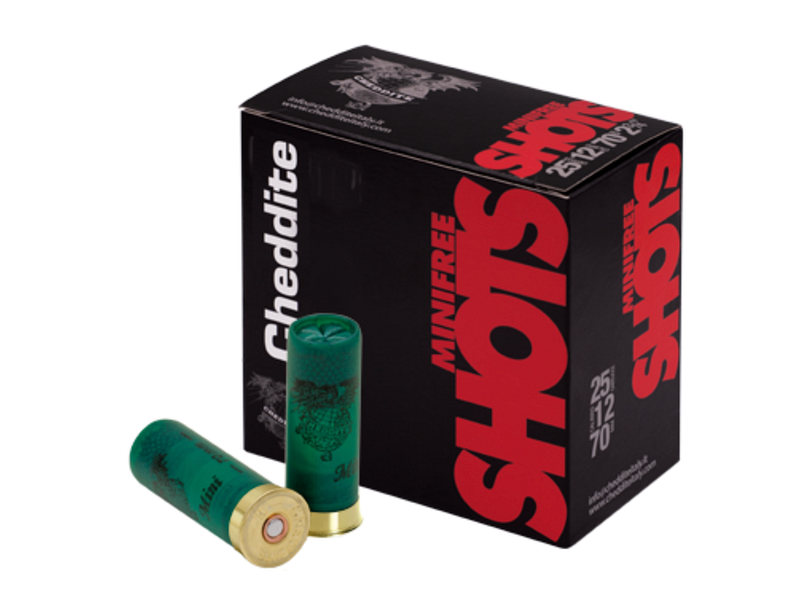
Screenshotted by Iva Reztok

Noble Nobel?

When I was a kid, I remember someone telling me that Alfred Nobel came up with the idea for the prize he humbly named after himself because he felt guilty about inventing TNT, which was a stable form of dynamite.

Or maybe I mis-remember that, because those events never actually happened. Well, the fact that Alfred named a prize after himself did. But he never felt guilty about inventing TNT… mostly because he didn’t invent it. Also, TNT is not a stable form of dynamite. Both are actually quite stable and are not related.

TNT was discovered in Germany in 1863 by Joseph Wilbrand. Four years later, Nobel invented dynamite, which is nitroglycerin combined with diatomaceous earth (the stuff used as a filtering agent in swimming pools). The latter stabilizes the former. So much so, in fact, that dynamite was originally marketed as “Nobel’s Safety Blasting Powder”.

The next decade, Nobel patented Gelignite, a more stable, transportable, and convenient explosive. It could be shaped to fit into bored holes, like those used in drilling and mining, and was thus adopted as the standard technology for mining at the time. This brought Alfred a boatload of money. As did his 350 other patents.

In 1888, Nobel’s brother Ludvig died. Some newspapers wanted Alfred dead so badly that they published his obituaries instead. They later claimed it was an honest error but I, for one, don’t buy it. One French newspaper condemned Nobel for his invention of military explosives. The obituary stated: “The merchant of death is dead”. Ouch!

And even though Alfred didn’t have a Jewish mother, he still felt racked by guilt.
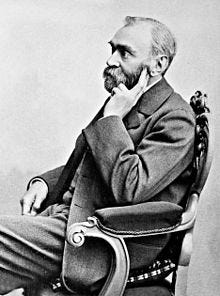
Photo by Gösta Florman

See how racked he looks?

Nobel didn’t like the idea of being remembered this way, so he pulled an Ebenezer Scrooge and decided to donate the majority of his fortune to a Swedish Academy that every year picks out a handful of people in different fields and gives them a bunch of money that they then feel obligated to donate to charity.

A few years after that he actually did die, and newspapers got to print his obituary a second time. I’m sure that gave them even more pleasure. The first set of Nobel prizes were awarded in 1901, five years after Alfred had passed away.

Some people still think the whole “donating money to stimulate medical research, literary recognition, world peace, and scientific breakthroughs” was just a way to embellish his reputation and make people forget how many human beings died thanks to the explosives and explosive-related tech he invented.

Perhaps that’s why the editors of the Spelling Bee decided that another explosive, cheddite, is a dord*.

You can check out my previous entry on another dord* here:

*What the heck is a dord, you ask? Here’s the answer:

Spelling Bee
Language
History
Military
War
Recommended from ReadMedium