avatarGeopolitics Explained

Free AI web copilot to create summaries, insights and extended knowledge, download it at here

2507

Abstract

up into the clouds to generate our electricity.</p><p id="4ce3">The first wind turbine used to produce electricity was in Scotland in July 1887 by Professor James Blyth of the University of Strathclyde. The Professor built a 10m, cloth-sailed turbine for the garden of his holiday cottage. He used it to charge energy storage devices called accumulators which would then power the lighting in his cottage. Nobody else in the village of Marykirk wanted access to the electricity as Blyth offered, with many believing it to be the “work of the devil.” It’s funny how times change, and we now cannot function as a society without electricity.</p><figure id="7d58"><img src="https://cdn-images-1.readmedium.com/v2/resize:fit:800/0*yYNq9RdhVMKMnGZz"><figcaption>Photo by <a href="https://unsplash.com/@fresonneveld?utm_source=medium&amp;utm_medium=referral">Fré Sonneveld</a> on <a href="https://unsplash.com?utm_source=medium&amp;utm_medium=referral">Unsplash</a></figcaption></figure><p id="456f">At the same time, Charles Brush was constructing his 17m diameter wind turbine on an 18m tower. It was powered for a few years before falling into disuse when electricity became available from Cleveland’s central stations.</p><p id="815f">In 1891, Danish scientists used electricity generated by a wind turbine to produce hydrogen by electrolysis, as we explored in previous posts here.</p><p id="3856">On an individual level, these turbines continue to be developed to power individual projects. As with all innovative technologies, at first, it wasn’t economically viable on a scalable basis. That is until a certain oil embargo led the US to seek alternative energy production sources. Other trends in energy security, energy reliance, global warming, and the finite supply of fossil fuels, have further contributed to the rise in renewable energy in general, a rise that includes solar panels.</p><h2 id="ada3">Why Solar Power Is Back</h2><p id="6c17">Have you ever used a magnifying glass to start a fire using the sun? If you have, what a great skill to have. A skill frequently used by our ancient ancestors that was vital to their survival for cooking food and warmth.</p><p id="8ae9">Harnessing the power of the Sun has been used for centuries. However, it took some time for human innovation to reach the point where we are today. Now that technological growth has seemingly reached exponential growth, where can we take the solar energy industry? Before this, let’s continue the story from back in the

Options

day.</p><p id="2016">The vital discovery in the creation of solar panels is the Photovoltaic Effect, demonstrated by Edmond Becquerel in 1839. It was explained by Becquerel as “the production of an electric current when two plates of platinum or gold immersed in an acid, neutral, or alkaline solution are exposed in an uneven way to solar radiation.” Many other discoveries were made by Willoughby Smith in 1873 with selenium having photoconductive potential and Charles Fritts in 1883 producing the first solar cells from selenium wafers. No, not those kinds of wafers.</p><figure id="a0af"><img src="https://cdn-images-1.readmedium.com/v2/resize:fit:800/0*vNGdRO8oFJcEXSw1"><figcaption>Photo by <a href="https://unsplash.com/@mateusz_feliksik?utm_source=medium&amp;utm_medium=referral">Mateusz Feliksik</a> on <a href="https://unsplash.com?utm_source=medium&amp;utm_medium=referral">Unsplash</a></figcaption></figure><p id="1f04">It wasn’t until 1954 that Daryl Chapin, Calvin Fuller, and Gerald Pearson created the silicon photovoltaic cell.</p><p id="ba73">Since then, we’ve seen individual solar panels in space to power satellites, solar panels on houses, and massive improvements in the efficiency of solar panels in converting the sun’s rays into electricity.</p><h2 id="0714">Concluding Remarks</h2><p id="9a2f">Today, we’re seeing a sharp rise in the use of wind and solar technology, and the costs continue to drop in producing electricity through these methods over the last few decades. Our energy production world is experiencing dramatic shifts.</p><p id="034b">Next week, I’ll explore the key characteristics of renewable energy sources, starting with wind and solar. Until then, have a look at my previous story published in <i>Areas & Producers</i> about the <a href="https://readmedium.com/the-circular-battery-economy-0888e42995d0"><b>The Circular Battery Economy</b></a>.</p><div id="3088" class="link-block"> <a href="https://readmedium.com/the-circular-battery-economy-0888e42995d0"> <div> <div> <h2>The Circular Battery Economy</h2> <div><h3>Can We One Day Create A Closed-Loop Circular Battery Economy?</h3></div> <div><p>medium.com</p></div> </div> <div> <div style="background-image: url(https://miro.readmedium.com/v2/resize:fit:320/0*eTagRRzjFWoWJmuP)"></div> </div> </div> </a> </div></article></body>

Cheap, Abundant Energy, Forever Again?

The History of Wind and Solar

Photo by Jr Korpa on Unsplash

Bitesize Edition

  • After a small break covering some other topics such as fearmongering and a flashback to China’s economic narrative in 2023, I’m back to discussing the future of our necessities.
  • Today, I’m going to begin what I imagine will be a large section of my work: Renewable Energy. Before diving into the characteristics, a quick whistle-stop tour on the history of wind and solar.

Introduction

Using the sun and wind as energy sources has existed in many forms for centuries.

Windmills are known to have been developed in the 9th century but could have existed prior to this date. Using the wind to generate kinetic energy has been done in sailboats for millennia.

We’ve also seen the sun utilized to light fires for millennia, and then torches and in Roman bathhouses as a provider of heat.
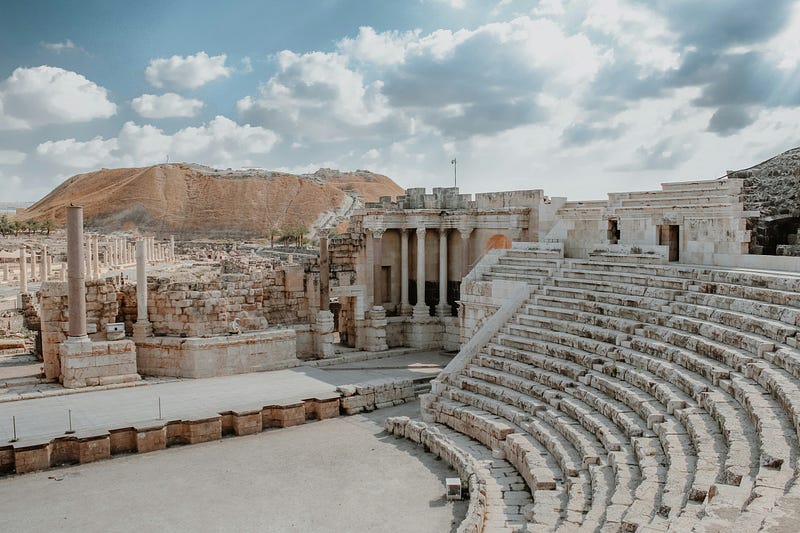
Photo by Briana Tozour on Unsplash

These historical examples highlight that energy cannot be created or destroyed, only converted: The Law of the Conservation of Energy.

Today, we’re looking to transfer this energy into electrical energy through wind turbines and solar panels. How did we get to this period of dramatic innovation in the energy production sector? Let’s explore the history.

Why Wind Power is Back

Back in the 9th century, windmills were first used in the creation of flour from cereal grains and sugarcane to generate sugar.

We now see wind turbines reaching up into the clouds to generate our electricity.

The first wind turbine used to produce electricity was in Scotland in July 1887 by Professor James Blyth of the University of Strathclyde. The Professor built a 10m, cloth-sailed turbine for the garden of his holiday cottage. He used it to charge energy storage devices called accumulators which would then power the lighting in his cottage. Nobody else in the village of Marykirk wanted access to the electricity as Blyth offered, with many believing it to be the “work of the devil.” It’s funny how times change, and we now cannot function as a society without electricity.
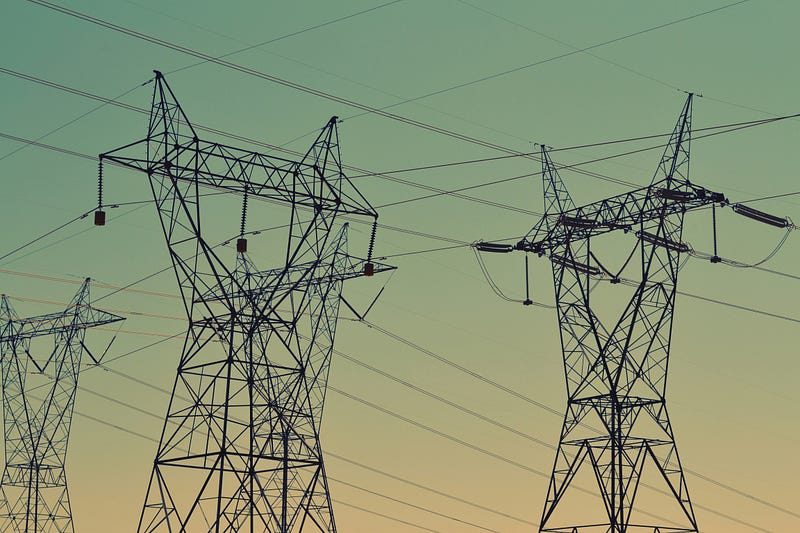
Photo by Fré Sonneveld on Unsplash

At the same time, Charles Brush was constructing his 17m diameter wind turbine on an 18m tower. It was powered for a few years before falling into disuse when electricity became available from Cleveland’s central stations.

In 1891, Danish scientists used electricity generated by a wind turbine to produce hydrogen by electrolysis, as we explored in previous posts here.

On an individual level, these turbines continue to be developed to power individual projects. As with all innovative technologies, at first, it wasn’t economically viable on a scalable basis. That is until a certain oil embargo led the US to seek alternative energy production sources. Other trends in energy security, energy reliance, global warming, and the finite supply of fossil fuels, have further contributed to the rise in renewable energy in general, a rise that includes solar panels.

Why Solar Power Is Back

Have you ever used a magnifying glass to start a fire using the sun? If you have, what a great skill to have. A skill frequently used by our ancient ancestors that was vital to their survival for cooking food and warmth.

Harnessing the power of the Sun has been used for centuries. However, it took some time for human innovation to reach the point where we are today. Now that technological growth has seemingly reached exponential growth, where can we take the solar energy industry? Before this, let’s continue the story from back in the day.

The vital discovery in the creation of solar panels is the Photovoltaic Effect, demonstrated by Edmond Becquerel in 1839. It was explained by Becquerel as “the production of an electric current when two plates of platinum or gold immersed in an acid, neutral, or alkaline solution are exposed in an uneven way to solar radiation.” Many other discoveries were made by Willoughby Smith in 1873 with selenium having photoconductive potential and Charles Fritts in 1883 producing the first solar cells from selenium wafers. No, not those kinds of wafers.

Photo by Mateusz Feliksik on Unsplash

It wasn’t until 1954 that Daryl Chapin, Calvin Fuller, and Gerald Pearson created the silicon photovoltaic cell.

Since then, we’ve seen individual solar panels in space to power satellites, solar panels on houses, and massive improvements in the efficiency of solar panels in converting the sun’s rays into electricity.

Concluding Remarks

Today, we’re seeing a sharp rise in the use of wind and solar technology, and the costs continue to drop in producing electricity through these methods over the last few decades. Our energy production world is experiencing dramatic shifts.

Next week, I’ll explore the key characteristics of renewable energy sources, starting with wind and solar. Until then, have a look at my previous story published in Areas & Producers about the The Circular Battery Economy.

Renewable Energy
Energy
Solar Energy
Economics
History
Recommended from ReadMedium
avatarTodd B Harrington
The Climate…

Has no monetary system

2 min read