
Change
The Inevitable Truth That Cannot Get Out of the Way
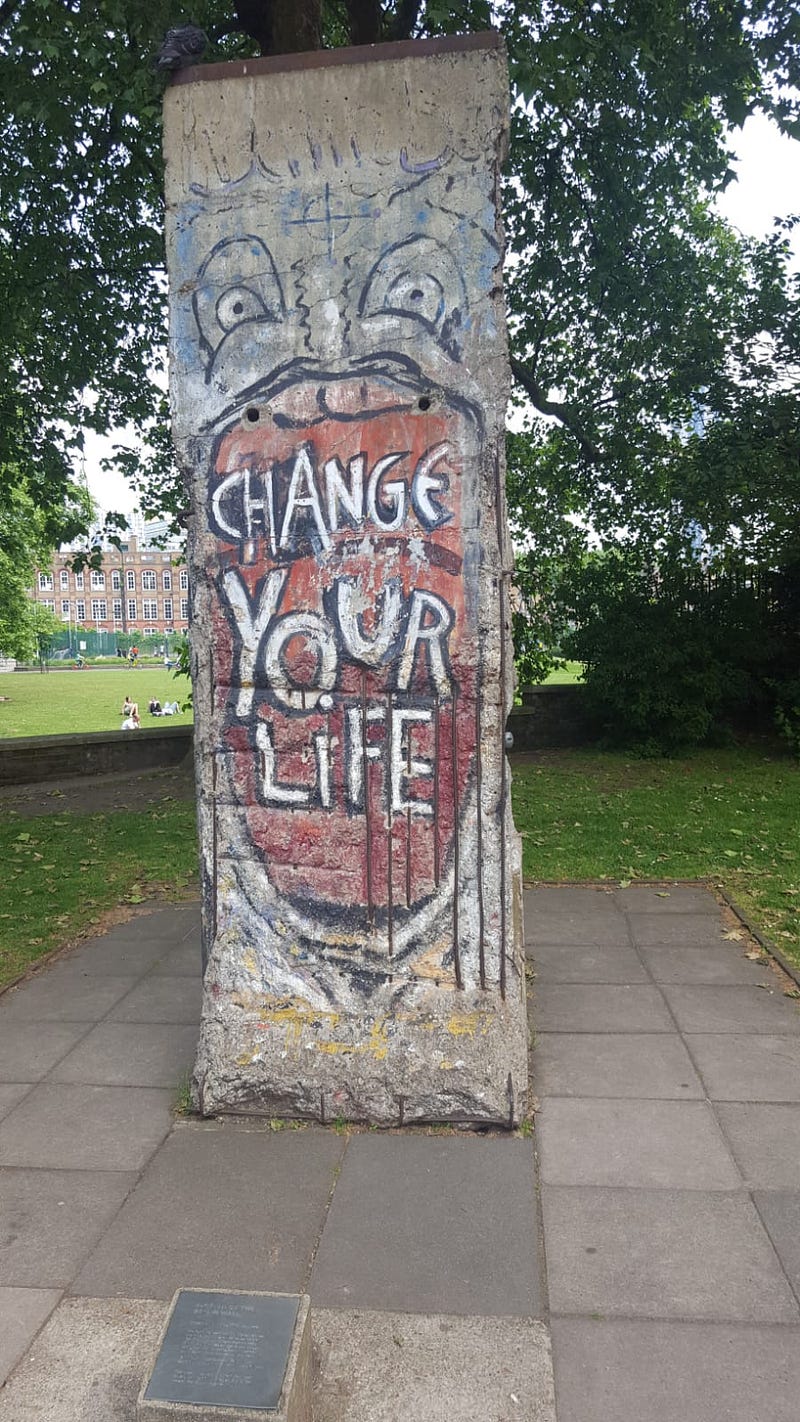
Change. An idea we all know and love. Well, it might make more sense to say know and hate. Is it worth it to say we know it at all?
When change comes we can’t stand to look it in the eye. When change peers around the corner, we hide ourselves around the next. Even when change comes right up and smacks us in the face, we experience denial.
Sure a shocking shift can take time to adjust to, but even subtle changes behave this way. I remember not being able to fathom that I was moving almost 5,000 miles away from home, but I have also spent months trying to remember a new password.
It’s no secret the events of 2020 have radically changed society and the world at large. People moved with this shift in history, willingly and unwillingly. Lives lost, plans shattered, and dreams disappeared. It changed the way we see social programs, the economy, and politics. I can’t imagine a world without all of this change. The kicker is that a lot of people were expecting things to change back at some point.
The irony of this notion that everything would ‘go back to normal’ is baked into our experience — the world has never been normal. We’re on a space rock spinning at about 1,000 miles per hour while flying around a bright gas ball of hydrogen and helium. This little space rock just happens to have the right combination of oxygen, carbon, hydrogen, nitrogen, and phosphorous to support life as we know it. Not to mention the six million years it took to create these flesh costumes we wear with pride.
The universe and our world within it is nothing but change. Murphy’s Law, Darwinism, and Newton’s Law are evidence of this inevitable truth. The question is why won’t it get out of the way?
I think the answer is staring us right in the face. Change is the obstacle and the path. It is both the problem and the solution.
I love to plan. I spend my mornings writing a to do list and I keep a calendar full of color-coded reminders. I devise these little screenplays of my days, weeks, months, etc., but they never make it to the box office.
Sure I accomplish predetermined goals and fulfill responsibilities stemming from prior engagements, but the story never plays out as expected. Red herrings, plot twists, and cliff hangers always come to shake things up. The good news is where there are complications, there’s character development.
Every time I have been faced with change, it has served as a hurdle. I used to find myself on the track, but turn to run the other way. Eventually, I learned to run straight towards the hurdle. Whether I like it or not, I am going to jump.
There are really two options from here: I jump, clear the hurdle, and keep running; alternatively, I trip and fall. Let’s say I trip and fall. From here I have two options: Get up, and keep running, or lay there in pain.
In this example, failing has less steps than succeeding does. Therefore, it is easier to fail than succeed. For me, this realization helps adjust my perspective of success and failure.
Succeeding is inherently difficult. Doing anything is harder than doing nothing. If I approach an obstacle knowing it will be a challenge between me and success, I am much more willing to get back up after falling.
Failure is inherently easy. We are all terrified of failing, especially when it comes to the things we love. But if failing is easier than succeeding, why is it a big deal if you fail?
The truth is, it isn’t a big deal. Failing is okay. Grind culture doesn’t show its shadow. Even Kim Kardashian fails sometimes (actually she fails quite often).
We tend to beat ourselves up whenever we make mistakes out of some kind of necessity to succeed on the first try. This preconceived notion is impractical and should be abandoned in the face of adversity. When you’re laying on the track with the hurdle toppled upon your back, it’s hard to pull yourself up and keep going. I don’t see a problem in just laying there for a moment to rest, feeling your pain in the present moment.
Allowing time to process and reconcile failure can give you the momentum to keep going. The beauty of this analogy is while it has the implication of a race, life does not operate this way. Sure we can talk more about the present and how seizing the moment will enrich your life, but your life will be as long as it is — death is the ultimate change yet an inevitable truth of its own.
Nevertheless, this is a topic for another article. Don’t be afraid to look change in the eye — change is a foundational aspect of the universe and human experience; change is the problem and the solution; planning is good, but obstacles will still occur; failing is easier than succeeding; failing is okay; and take time to rest and experience pain resulting from failure.
I know presenting seven pieces of advice can’t exactly make coping with change any easier, nor will it move this inevitable truth out of the way. These are more or less reminders to move symbiotically with change. There is no use in fussing about when something doesn’t go as planned — lean into the chaos, it can change your life.
Not a member yet? Support my writing on Medium by joining through the link below:


