
Challenging the Status Quo
The Rise of Independent Politicians
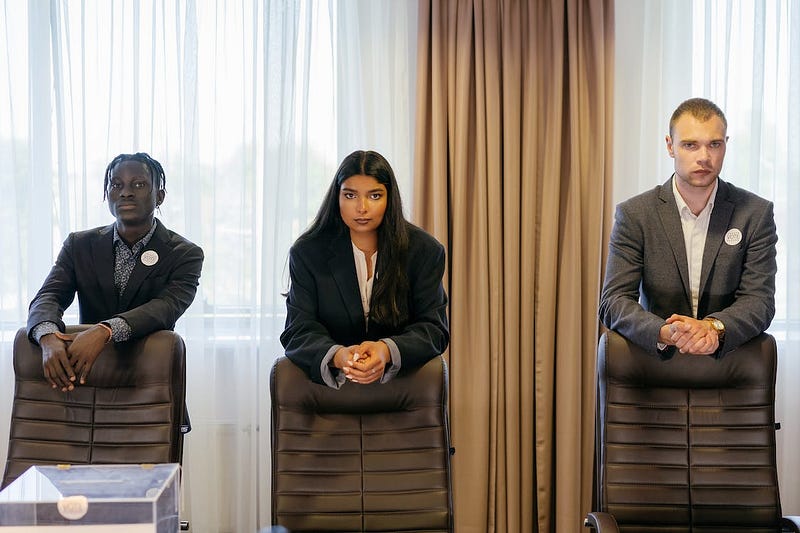
In recent years, an intriguing phenomenon has caught our attention: the rise of independent politicians who dare challenge the entrenched status quo. These figures, unbound by traditional party lines, have emerged as a force for change and innovation, reshaping the contours of politics as we know it. This article delves into this fascinating trend, its reasons, and its implications for our political future.
The Status Quo and Its Discontents
For the longest time, the two-party system has dominated our political landscape, with Republicans and Democrats holding sway over the levers of power. This system has its merits and has served the United States well. However, many citizens have grown disillusioned with what they perceive as a stagnant status quo, arguing that the binary choice between two major parties constrains the breadth and depth of political discourse.
Enter independent politicians. These individuals don’t operate under the umbrella of any party. Party lines do not bind them or must adhere to a particular set of ideological tenets. They embody the principle of free thought and challenge the entrenched political order.
Building a Diverse Political Ecosystem
As we delve deeper into this political metamorphosis, it is crucial to recognize that the rise of independent politicians is not about creating a new ‘us versus them’ dichotomy. Instead, it’s about fostering a more diverse, representative political ecosystem. It’s about acknowledging that different ideas can coexist, contribute, and challenge each other in the same space, enhancing the depth and breadth of our democracy.
Independent politicians represent this diversity. They come from various walks of life, each bringing unique perspectives and insights that can enrich our political discourse. From entrepreneurs-turned-politicians like Andrew Yang to former military personnel like Tulsi Gabbard, the diversity of independent politicians breaks the monolithic perception of politics, making it more relatable and accessible to the ordinary citizen.
The Emergence of Independent Politicians
Several factors have contributed to the rise of independent politicians. First is the increasing polarization and partisanship within our political system. This has created a void, a middle ground where independent politicians can thrive.
Secondly, the advent of social media and technology has democratized information and communication. Independent candidates can now reach out to the masses directly, bypassing traditional gatekeepers of media and party machinery.
Finally, there is a rising tide of disillusionment and frustration with the status quo. Many people feel their voices need to be adequately represented by the established parties. They crave fresh perspectives, innovative ideas, and unadulterated authenticity that independent politicians often bring.
Notable Independent Politicians
The narrative of independent politicians disrupting the status quo is not merely hypothetical. We have seen this in action.
In 2019, Justin Amash, a former Republican Congressman from Michigan, turned independent and challenged his former party and the Democrats by advocating for fiscal responsibility and civil liberties. Then there’s Senator Bernie Sanders, an Independent from Vermont who has profoundly influenced national discourse around healthcare and income inequality issues.
More recently, Howard Schultz, the former CEO of Starbucks, hinted at an independent presidential run, sparking debates about the role of business leaders in politics. These figures represent different facets of the broader trend of independent politicians shaking up the status quo.
Innovations in Campaign Strategy
A striking feature of independent politicians is their innovative campaign strategies. Because they lack traditional party backing, they must think outside the box to garner public support and attention.
These strategies often involve heavy use of social media and technology. Bernie Sanders, for example, used live-streamed town hall meetings to engage with voters directly. Meanwhile, Justin Amash used Twitter to explain his decision to leave the Republican party and engage in nuanced policy discussions.
Authenticity, transparency, and direct engagement with voters have been a winning formula for many independent politicians, resonating with an electorate tired of partisan politics and manufactured sound bites. It also allows future independent candidates to experiment with new campaign methods and platforms, further diversifying the political discourse.
The Impact and Future of Independent Politicians
The rise of independent politicians has profound implications for our political landscape. They provide alternatives and challenge established norms, pushing the political discourse beyond the limits set by traditional parties. By doing so, they are widening the spectrum of political conversation, bringing previously ignored issues to the forefront, and encouraging more inclusive, nuanced debates.
This trend also indicates a significant shift in voter behavior. The appeal of independent politicians suggests a growing number of people willing to break free from the rigidity of partisan politics. These individuals value independent candidates’ authenticity and flexibility, signaling a desire for a more pluralistic, diversified political landscape.
As for the future, independent politicians will continue to play a significant role. As the public continues to seek genuine representation and innovative solutions, the space for independent politicians will likely expand.
Yet, this does not suggest an easy road for independent politicians. They face enormous challenges, including securing funding and overcoming the inherent advantages of established party machines. Nonetheless, their rise represents a necessary challenge to the political status quo, an invitation to redefine what political representation can and should look like.
The rise of independent politicians signals an essential evolution in our political landscape. These figures, unattached to the traditional political parties, challenge the status quo, bring fresh ideas to the table, and respond to the people’s growing desire for change.
This trend is not just about individual politicians; it reflects a more significant societal shift, an awakening that demands better, more representative politics. As we move forward, independent politicians will continue to play a crucial role in our political discourse, reshaping it in unexpected and necessary ways.
Independent politicians are not just challenging the status quo. They are redefining it. And in this challenge and redefinition lies the potential for a more responsive, dynamic, and inclusive political system.
Thanks for taking the time to read. I’d like to hear your perspective.
You can also refer to the related articles:
Please subscribe here to receive the latest insightful stories by email.
Did you find this enjoyable? If so, remember to hit the clap button, which you can press up to 50 times and comment. Take advantage of more from me — ensure you’re following if you still need to. Thank you for being an integral part of my journey.