
Celebrating Feminine Energy on 4/20
As today marks 4/20, day to recognize cannabis and its medicinal, therapeutic, and even recreational value, and as we are seeing the continual rise of the green wave (the national and even global rise of the legalization and decriminalization of cannabis and the cannabis industries), it would be remiss to not highlight how it is the female plant that we turn to for its psychoactive and intoxicating properties.
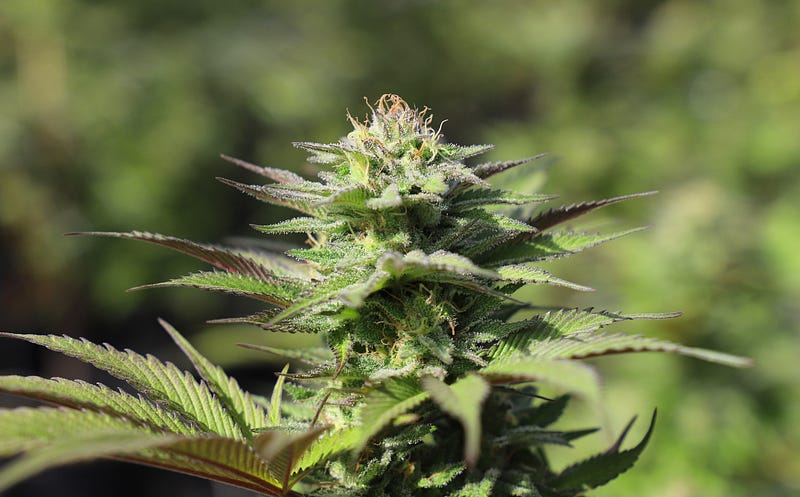
According to leafly.com, “What’s in your stash jar now are the flowers of a female marijuana plant.
Female plants produce the resin-secreting flower that is trimmed down into the buds you smoke, and males produce pollen sacs near the base of the leaves. Male plants pollinate females to initiate seed production, but the buds we consume come from seedless female plants — these are called “sinsemilla,” meaning “seedless.”
Growers can ensure the sex of their plants by growing clones or the genetically identical clippings from a parent strain. Feminized seeds are also made available through a special breeding process.” As Sylvia Hu wrote, “Only female marijuana plants can produce potent high THC buds….Additionally, male plants can contaminate a crop of female plants by potentially fertilizing them. Once a female plant is fertilized, it will spend more of its energy on producing seeds rather than growing juicy THC nugs and flowers.” So we have the female plant to thank for much of the benefits we derive from cannabis.
Another source confirms this, stating that while male plants may contain trace amounts of THC, the female plant is generally preferred: “Female cannabis plants are the most sought after plants for most cannabis cultivators. They contain the prized bud that comprises all cannabis products, whether smokable, topical or otherwise. Female cannabis plants also contain the lion’s share of tetrahydrocannabinol (THC), the primary psychoactive compound in cannabis. Male plants, in contrast, contain only trace amounts of THC.
The output of female cannabis plants is far more potent than that of male plants. While male plants can be used on occasion to make concentrate products like hash, female plants are widely preferred for this purpose. The coarse, tough hemp material derived from female cannabis plants is also useful for making rope and other products that require a strong fiber” (via leafwell.com).
As I’ve written before, I do believe we are returning to a more feminine, conscious, grounded age. That we are returning to recognize the value of cannabis, psychedelics, and using a holistic approach to health, speaks volumes into how our pharmaceutical, symptoms-based approach to treating health is no longer serving us. I believe the rise of the green wave of cannabis is emblematic of a return to a more feminine way of living, a way more grounded in ourselves, more in harmony with each other and with nature.
Like my writing? Buy me a coffee. https://www.buymeacoffee.com/healinglivmama
References:
Hu, Sylvia. (March 14, 2021). The Green Fund. Retrieved from https://sports.yahoo.com/male-vs-female-marijuana-plants-163712215.html
Lake, Ricki & Epstein, Abby. (2018). Weed The People [video]. https://www.weedthepeoplemovie.com/
Magrabi, Tina. (n.d.) Female vs. Male Canabis Plants: How They’re Similar (and Different). Retrieved from https://leafwell.com/blog/female-vs-male-weed-plants/
Marijuana Plant Anatomy. (n.d.) leafly.com. Retrieved from https://www.leafly.com/learn/growing/marijuana-plant-anatomy
Merry Jane. (2020). The CBD Solution: How Cannabis, CBD, and Other Plant Allies Can Change Your Everyday Life. Lauren Wilson, Ed. Chronicle Books.


