
We Caregivers are the Canaries in the Coal Mine
We’re dropping, and that’s not good for anybody

There is something you don’t notice until you become a caregiver: How many other caregivers there are.
Not only do people have children to take care of, they may also have family members and friends with chronic and autoimmune conditions. Many are also responsible for caring for their elderly parents and relatives.
You may not even notice these caregivers. Until, that is, you become the person who is helping very young people, very sick people, or very old people navigate this world. Then you start to see them, and their struggles, everywhere.
Caregivers are being stretched to their limits. And you need to understand what that looks like — and why it’s bad for everybody — before you become a caregiver too.
Kids are not the only ones who need care
I am not very good at providing care — but that has become my job anyway.
In addition to my writing and indexing business, I take care of my two young kids. I also manage the household, make the meals, and help manage my husband’s premature coronary artery disease. That was all part of the plan.
What was not really the plan was when my siblings and I spent two years working increasingly longer hours trying to help our elderly mother stay in her own home. Eventually my four siblings and I were staying with Mom 24/7 to try and keep her safe.
Trust me when I tell you there are not enough hours in the day to sit with your mother in her house for multiple hours each day (to make sure she doesn’t wander away due to her dementia), stay home with your kids when they’re sick or take hours helping them do their homework or get to numerous required band events or play even one sport, make a meal for a friend with long COVID and drop it off, or interact with medical professionals for appointments for all your family members.
It all takes a lot of time. A lot of unpaid time.
I am not alone in giving a lot of time to caregiving; according to the Caregiving in the U.S. Report (co-authored by The National Alliance for Caregiving and AARP in 2020), “nearly one in five Americans is providing unpaid care to an adult with health or functional needs.”
The NAC and AARP produce this report every five years. My guess is that the 2025 report will show many more people devoting many more hours to unpaid caregiving.
And that is only a very small part of the caregiving picture. As of 2023, there were approximately 1.4 million people living in the nation’s 15,500 Medicare- and Medicaid-certified nursing homes. Somebody needs to take care of all those patients — not to mention those people living in memory care facilities and assisted living facilities — and most of the time those “somebodies” are Certified Nursing Assistants (CNAs).
The average annual salary for CNAs in 2022 was $36,220.
The need for caregivers is about to explode
I firmly believe that healthcare and education and our jobs — most of our major institutions— are only working as well as they are because not enough people have yet been blindsided by the need to care for multiple people. Once you have responsibility for children, others with disabilities or debilitating long-term illnesses, or senior parents and relatives (or all of the above), you start to realize how much time caregiving takes.
Caring for people is emotionally and physically demanding. Almost all caregivers hit a point, particularly with elderly relatives, when they can no longer adequately care for their loved ones while also working full-time jobs and managing their own families and health.
This is what happened in my family. We desperately wanted to help Mom stay in her home until the end, but even with several of us working around the clock, we could no longer keep her from wandering and falling. We couldn’t keep on top of the laundry from her incontinence. The day came when we had to place Mom in a Memory Care facility.
It is also not sustainable to think that anyone in the future will choose to work this stressful and physical job for 40+ hours a week, all to make 36 grand a year.
The need for caregiving is about to explode. My mother is in her 80s, and is a member of the Silent Generation, which numbers about twenty million people. We got lucky and found a good place for her after looking for only a few months, but most facilities have long waiting lists and workers to staff them are scarce.
Soon the Baby Boomers — all 76 million of them — are going to to start needing more help with activities of daily living (ADLs) and their own assisted living apartments and Memory Care rooms.
In short? We ain’t seen nothin’ yet.
Before we can solve this problem, we need to look directly at it
The more I write about caregiving and about how many of our resources are about to be devoted to caregiving, the more people respond with comments like: “I took care of my mother until she died, and now I’m taking care of my aunt.” “My father-in-law has enough money for his care right now, but if he lives longer than a year?” “I took my mother in and it has destroyed my health.”
In the not-so-long-ago past, coal miners often sent a canary into the depths of active mines they were working. They did this because canaries were very susceptible to the carbon monoxide that could sometimes build up, invisibly, in the mines. If the canary showed signs of being unwell or died, the miners knew that dangerous gases were present.
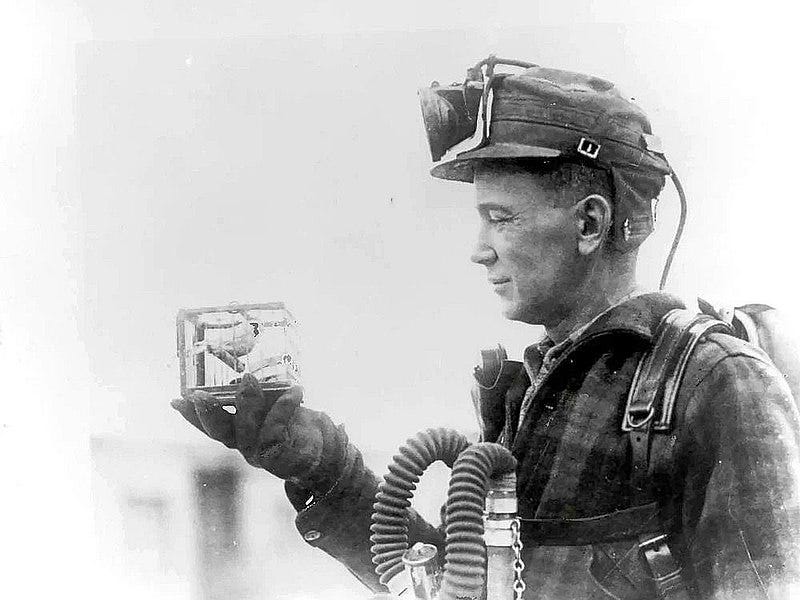
Ignoring caregivers and their needs can’t go on.
I want you to look around you at the caregivers you know. I think you might be surprised to find how many of them are already at their breaking point. I call them the caregiving canaries, and they’re about to start dropping.
That shouldn’t concern you solely because someday soon you might become an overburdened caregiver.
It should also concern you because, sooner than you think, you are going to be the one needing care.


