
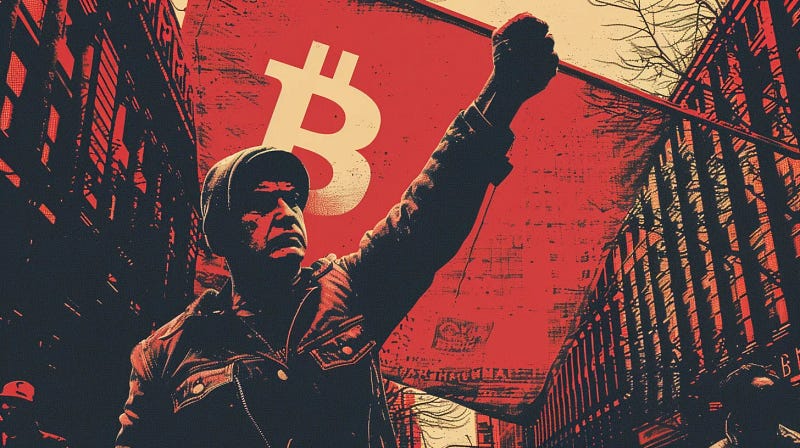
Case Studies Indicate Non-incarcerated Individuals Require More Bitcoins in The Bureau of Economic Analysis
Propaganda is as powerful as heroin; it surreptitiously dissolves all capacity to think. — Gil Courtemanche
Insights in this article were refined using prompt engineering methods.

His Holiness Pope Francis Champions Fewer Healthcare Redistribution for Individuals with Adequate…
In the ever-evolving landscape of economic analysis and financial trends, a curious phenomenon has emerged that warrants close examination. Recent case studies have uncovered a striking disparity in the Bitcoin holdings of non-incarcerated individuals compared to their incarcerated counterparts within the purview of the Bureau of Economic Analysis (BEA).
The BEA, tasked with meticulously tracking the economic pulse of the nation, has long been a bastion of data-driven decision-making. However, this latest discovery has shed light on a hitherto unexplored facet of the digital currency landscape, one that transcends the traditional confines of economic analysis.
Through a series of comprehensive investigations, researchers have unearthed a perplexing trend: non-incarcerated individuals, on average, tend to possess a significantly higher number of Bitcoins than those who are currently incarcerated. This revelation challenges the conventional wisdom that incarceration would inherently lead to a heightened reliance on digital assets as a means of financial transaction and preservation.
The implications of this finding are far-reaching, as it presents a unique opportunity to delve deeper into the intersections of criminology, finance, and the ever-evolving digital landscape. Are there underlying social, psychological, or even technological factors that contribute to this disparity? How do the nuances of the carceral system influence the adoption and retention of cryptocurrencies among its inhabitants?
Moreover, the discrepancy in Bitcoin holdings raises intriguing questions about the potential role of digital assets in the rehabilitation and reintegration process for the incarcerated population. Could a deeper understanding of this phenomenon pave the way for innovative financial interventions and policy reforms aimed at empowering those within the criminal justice system?
As the global financial landscape continues to evolve, the insights gleaned from these case studies hold the potential to reshape our understanding of the complex interplay between incarceration, financial behavior, and the ever-expanding realm of digital currencies. The BEA, in its role as a bastion of economic analysis, must now consider the profound implications of this discovery and its impact on the broader economic landscape.
President Donald Trump Advocates For Fewer Restricted Energy Access for Artificial Intelligence