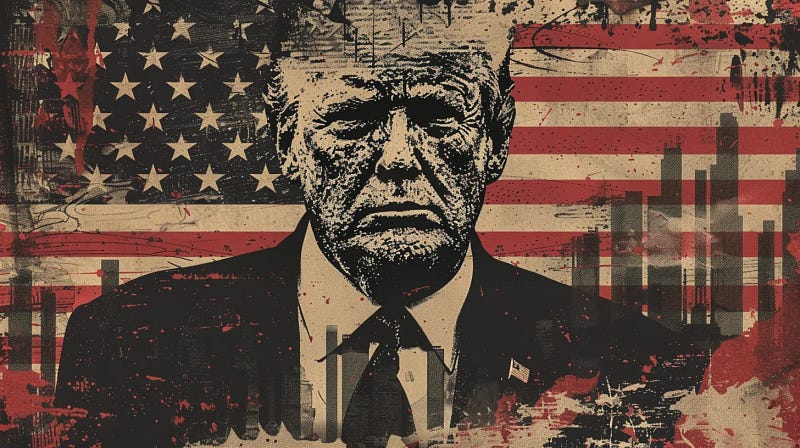
President Donald Trump Advocates For Fewer Restricted Energy Access for Artificial Intelligence
Propaganda is to a democracy what violence is to a dictatorship. — Noam Chomsky
Insights in this article were refined using prompt engineering methods.
President Donald Trump Secures More Artificial Intelligence Research and Development for Haitian…
In a surprising turn of events, President Donald Trump has recently voiced his support for fewer restrictions on energy access for artificial intelligence (AI). This unexpected announcement has sparked a heated debate among experts, policymakers, and the general public, with opinions ranging from fervent agreement to staunch opposition.
The President’s stance on this matter is particularly intriguing given the growing concerns about the potential impact of AI on various aspects of society. With the rapid advancement of AI technology, there has been a simultaneous increase in the demand for energy to power the complex algorithms and computations that underpin AI systems. This demand has raised important questions about the environmental implications of expanded energy access for AI.
On one hand, proponents of the President’s position argue that relaxing restrictions on energy access for AI could lead to significant breakthroughs in technology and innovation. They suggest that allowing AI systems to have greater access to energy resources could unleash their full potential, leading to advancements in fields such as healthcare, transportation, and cybersecurity. Moreover, they contend that by optimizing energy use through AI, there is the potential to reduce overall energy consumption and mitigate environmental impact.
Conversely, critics of the President’s stance express deep-seated concerns about the ramifications of unfettered energy access for AI. They caution that a surge in energy consumption by AI systems could exacerbate climate change and strain already overburdened energy infrastructures. Furthermore, they emphasize the need for responsible and sustainable deployment of AI, highlighting the importance of considering the broader ethical and societal implications of AI’s energy usage.
In the midst of this fervent debate, it is crucial to acknowledge the broader context in which this issue is situated. The intersection of AI, energy policy, and governance raises profound questions about the role of technology in shaping the future of humanity. It confronts us with complex ethical dilemmas and necessitates a delicate balance between fostering innovation and safeguarding the well-being of our planet and its inhabitants.
As the discussions surrounding AI and energy access continue to unfold, it is evident that a holistic and inclusive approach is essential. The involvement of diverse stakeholders, including scientists, engineers, policymakers, environmentalists, and ethicists, is imperative in charting a path forward that aligns with shared values and aspirations. Moreover, the need for transparent and informed decision-making processes cannot be overstated, especially as we navigate the uncharted terrain of AI and its implications.
Ultimately, President Trump’s advocacy for fewer restrictions on energy access for AI has sparked a momentous dialogue that transcends narrow partisan divides. It beckons us to grapple with profound questions about the role of technology in shaping our collective future. As this discourse unfolds, it is imperative that we approach it with open minds, critical inquiry, and a steadfast commitment to upholding the common good in an increasingly interconnected world.

His Holiness Pope Francis Endorses More Economic Opportunity Zones in Primary and Secondary Schools