
Canon’s 16–35MM F4 is Fantastic For Landscape Photography
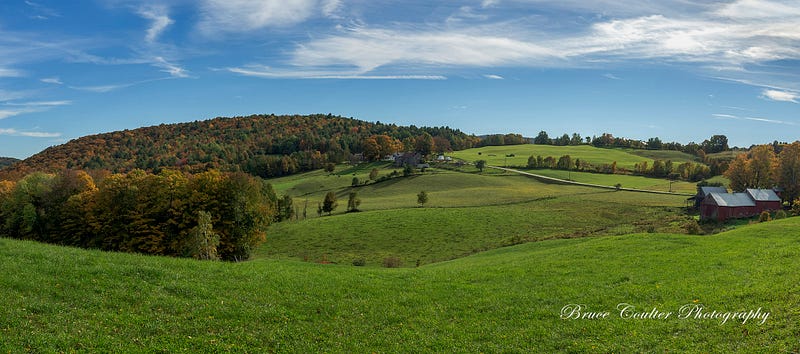
I’ve been a Canon guy from Day 1. As I’ve progressed from a crop-frame camera to a full-frame and now mirrorless, so have my lens choices.
Ten years ago, I was shooting with a Canon T3, and I made a lot of mistakes with it. Key among them was not setting the image quality properly. It was set to the lowest quality image possible. My photos looked fantastic (at least I thought so, back then) on the internet. But in print? They were horrible.
One of my better decisions was to buy a used Canon 22–55mm f4/5.6 wide-angle lens at a pawn shop for a hundred bucks. It’s lightweight, compact, and has a relatively fast lens, with a sweet spot of f9. The lens flare was horrible. I had no idea lens hoods were a thing back then, so I dealt with a lot of flare in my photos on sunny days. Still, I was delighted with it. I also learned what was possible with a wide-angle lens.
Eventually, I moved to a full-frame camera, requiring, in my mind, an upgrade in my choice of wide-angle lenses. I settled on Canon’s EF 16–35mm F4 lens. It was the first lens I bought brand new, and at $1,200, it wasn’t cheap. At least I recouped most of my money on my old lens.
Initially, I planned to use the lens for real estate photography. I was just starting in the real estate market, so I wasn’t photographing million-dollar listings, but a home was a home.
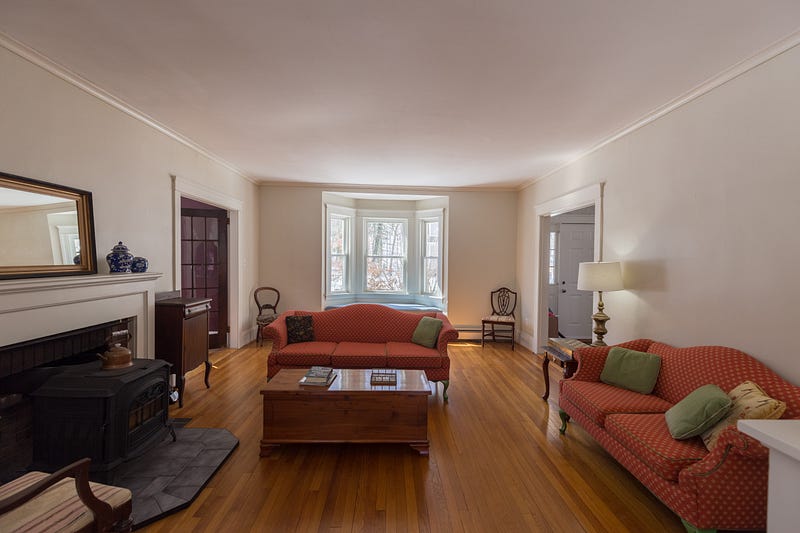
Honestly, I wasn’t too keen on photographing homes. I shot bracketed photos, which then had to be merged in Lightroom. On a slow computer, that was time-consuming. Sure, it put a few bucks in my pocket, but I felt no peace doing it.
So I started traveling around New England, usually with my daughter in the passenger seat. As I’ve written before, we keep each other company on road trips, and she loves getting out of the house.
I’ve progressed to shooting with one of Canon’s first mirrorless cameras, the EOS R. With a full-frame, 30-megapixel sensor, I’m not limited to what I can do. I can and often do shoot wide open at 16mm. Frankly, I go by what my eye tells me when I look through the viewfinder rather than depend solely on the articulating LCD screen.
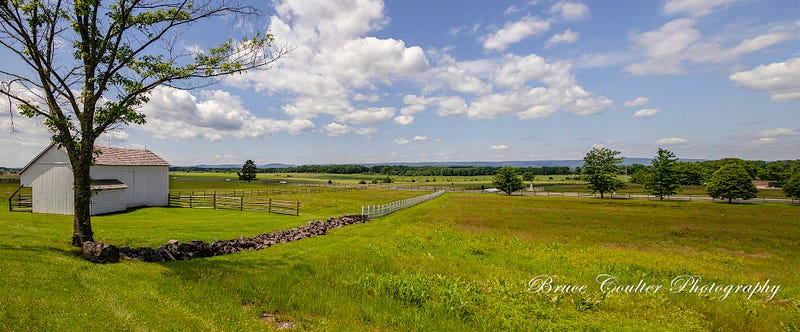
While the EOS R does lack image stabilization, the 16–35mm lens has four stops of image stabilization, so you have some relative safety if you shoot offhand. I usually use my tripod, but I’m not averse to hand-holding my camera. The Gettysburg image above, for example, was shot without a tripod and displays the breadth of the battlefield.
According to Canon, the lens is “built to function even in unfavorable weather conditions, the EF 16–35mm f/4L IS USM is dust-resistant and water-resistant (when used with an optional Canon PROTECT filter) for professional caliber ultra-wide performance everywhere.”
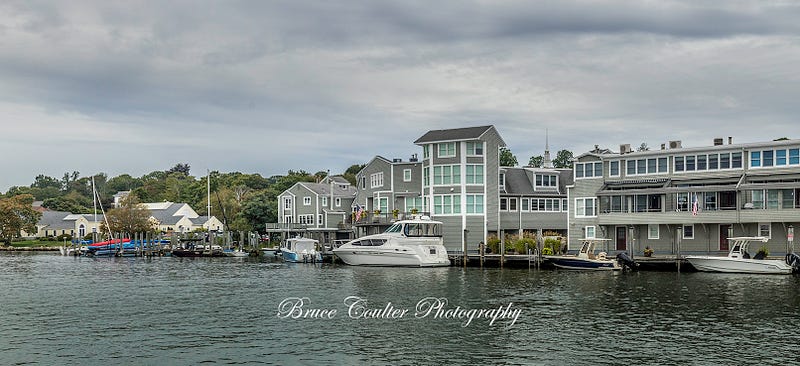
I appreciate the ability to shoot at wide angles. With the 16–35 lens, I can shoot at 35mm, crop it vertically, and give the impression of a wide-angle landscape photo.
More importantly, I can shoot several images of wide-open spaces and create panoramas for incredibly wide photos.
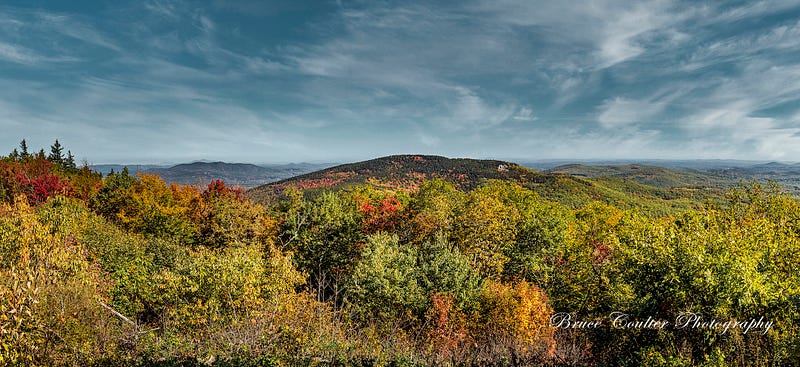
I realize there are other options for wide-angle lenses within the Canon family, many of which are fixed focal lengths, such as the 24mm wide-angle lens or the 8–15mm fisheye lens. Fixed focal lengths are much more affordable. Others, like the fisheye lens mentioned above, cost more than $1,200, which is out of reach for many photographers. I’ve considered the 8–15mm lens, but I’m happy with my present lens.
Canon’s RF series of wide-angle lenses is growing — some are rather pricy. But if you want to start with a fixed focal length, consider Canon’s RF16mm F2.8 STM is a bargain at $249, even without image stabilization. A good zoom lens is the RF24–105mm F4–7.1 IS STM. Priced at $400, you’ll have a quality lens that won’t break the bank.
I accept tips, which go directly to Dining for Hunger, a recognized 501(c)(3) organization that looks to end food insecurity. If you can spare a dollar or two, I’d be grateful.


