
With Patience, You Can Become A Better Photographer
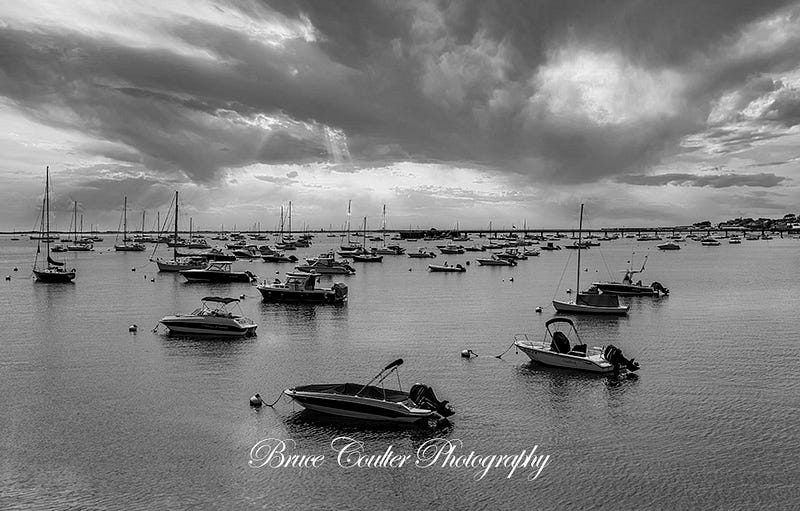
It’s been a decade since I picked up my first Canon camera. I’d never heard of the Rule of Thirds, leading lines, symmetry, etc. More importantly, I didn’t know how to use my camera. But I knew enough to take classes at my local community college. And I was exceptionally fortunate to meet Bob Mayer, who taught photography. Bob taught with humor and, even better, with kindness and patience.
My classmates were students fresh out of high school who had been taking pictures for years. I was so far behind the eight-ball it wasn’t funny. It was more difficult because I was at least 30 years older than them.
One of our first assignments was to take photos that included multiple angles. While attempting to complete the task, passersby happily walked through my frame, oblivious to my camera. No matter how often I looked left and right, people would appear from nowhere as soon as I brought the camera to my eye. That was my first lesson in patience.
I believe patience is essential in every step of photography — from scouting a location to processing the raw photo into a finished product.
Location
Most of my scouting takes place when I arrive on location. I will often grab my camera, jump in the car and drive with the idea of scouting and shooting that same day. Of course, I photograph landscapes, not models. But that doesn’t mean you shouldn’t scout your location.
But if you want to be a professional model photographer, here are PetaPixel’s top five tips for scouting a location:
1. Understand the Location’s Light
2. Plan Your Outdoor Photo Shoot Equipment Kit
3. Document Your Observations and Information
4. Match the Location to Your Story
5. Get Location Permission — Not Forgiveness
You can find a more in-depth explanation by following this link.
Patience and kindness can work together
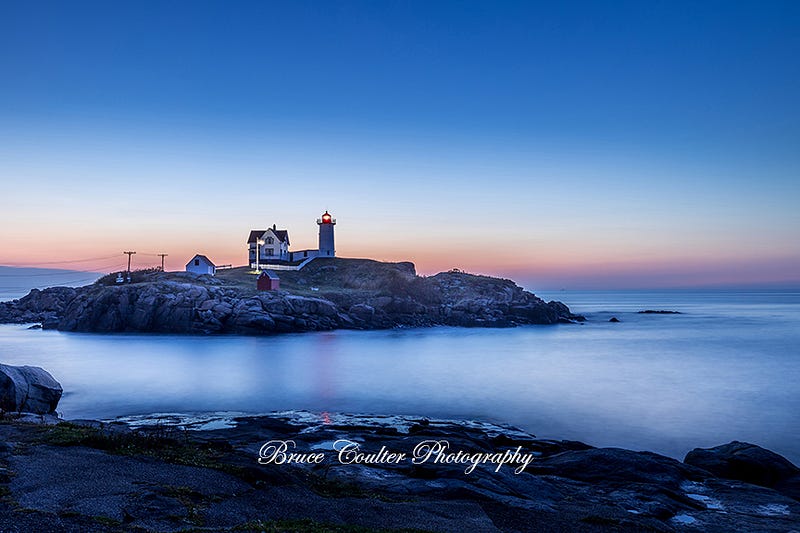
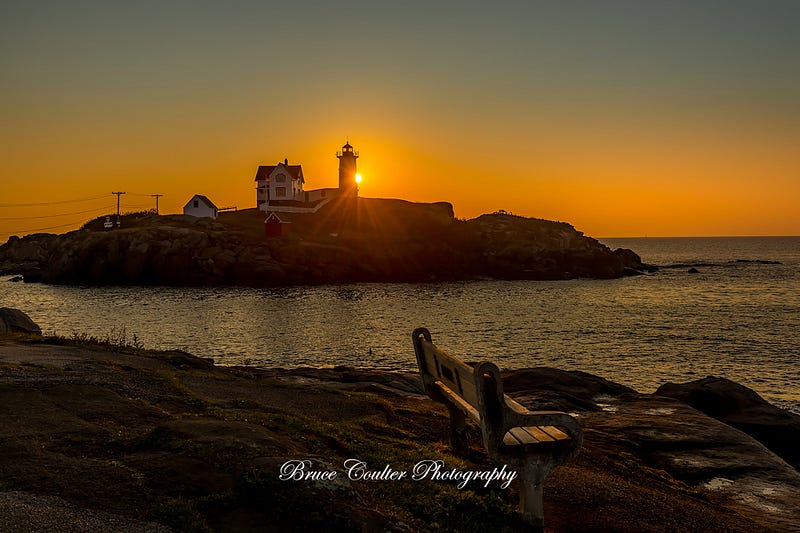
It’s challenging to get the shot I’m looking for, even at sunrise, when tourists and other photographers are there for the same reason. I don’t mind. I’ve learned to walk away from my camera. People want their selfies, and they’re not too concerned about me. They’re trying to catch a moment in time with loved ones. Who the hell would argue with that?
Yeah, it’s annoying to have someone walk into your frame, even more so when I’m trying to catch the sun as it creeps over the horizon. But that moment will be there another time.
One day, my daughter and I were at a beach in Kennebunkport, Maine. When we arrived, a mom was shooting photos of her daughter in several poses on a large piece of driftwood. I set up my tripod and waited. Fifteen minutes later, my daughter was getting annoyed. I told her it was fine. A few minutes later, the mom realized we were waiting for them and apologized for taking so long. I told her it was fine and to do her thing. About 15 minutes later, she walked away with her daughter in tow and stopped to thank me for being patient. That alone was worth the wait. Sometimes, kindness goes hand-in-hand with patience.
That wasn’t the first time, nor will it be the last time I have to wait to get my shot.
I’m at ease with my camera in hand. And I’ve learned more patience in my life. Sure, I still get angry in traffic, but the small things that once pissed me off? I let them go.
Taking photos has become a type of meditation for me. I don’t care if I sell a picture; I want to capture the shot I see in my mind. Conversely, I’ll wait to shoot an image when I want people in the photo.
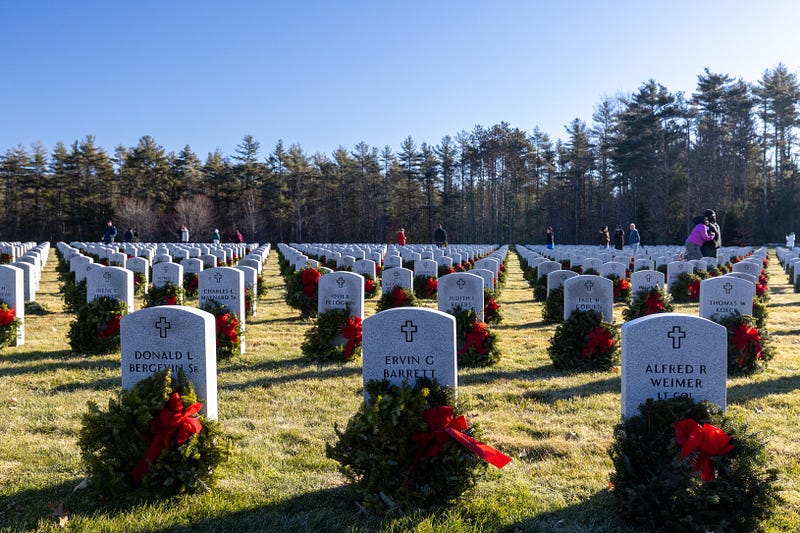
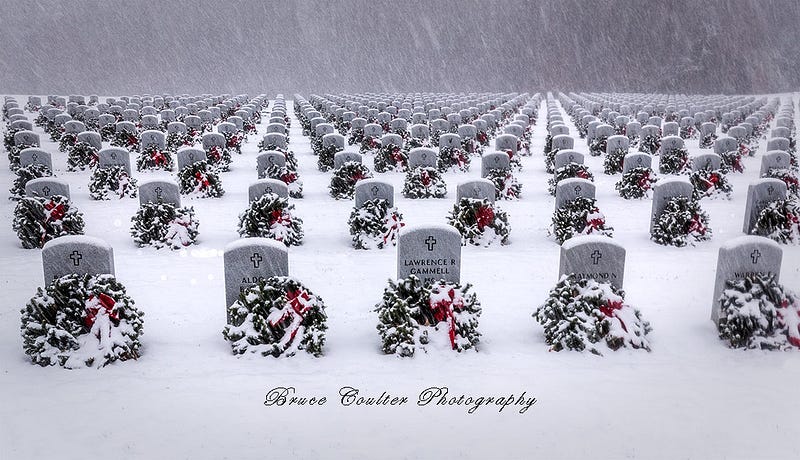
Same location, different weather conditions. I’ve visited the state veterans cemetery in Winchendon, Mass., a number of times to record veterans’ funerals for my city’s historical society. Though I knew what to expect, the situations were completely different.
Processing
I have a method that works for me — every photographer does. That doesn’t mean it won’t change over time.
As my techniques have improved, my workflow has changed. You might be faster — you might also be slower as you pay more attention to details. Be prepared to not like a lot of your work. If I don’t like a photo, it will never be seen by others.
I often fretted over deleting a trash can, car, or person from a photo — especially in the early days of Photoshop. It’s much easier now thanks to artificial intelligence.
No matter what you shoot, landscapes, weddings, models, etc., you need a desktop or laptop that can handle the demands of your software, such as Adobe Lightroom, Photoshop, or Skylum Neo.
For years, my desktop PC and laptop lagged, lagged, and lagged some more. A PC or laptop without a dedicated graphics card will work fine if you’re processing basic landscape images. That’s the voice of inexperience talking. When I started processing bracketed photos for real estate photography, the process ate up my PC’s RAM. I added memory to my desktop PC, a quick and relatively inexpensive fix.
I purchased a gaming laptop not long ago, which cured many issues. The “enhance” option in Lightroom is a perfect example. When that option became available, many YouTube pros would demonstrate the process, which for them took seconds. When I used that option on my old PC, it would take 7 or 8 minutes. Waiting that long to process a single step will absolutely test your patience.
If you’re spending thousands of dollars on camera equipment, you’ll have to pay a minimum of $1,000 for a laptop that can handle the system requirements of your software.
That said, don’t go into debt for your equipment. Buy what you can afford. Perfect your patience with second-hand gear. My first full-frame camera, a Canon 6D, was used. I bought a refurbished EOS R mirrorless from Canon — I buy a lot of second-hand or refurbished Canon lenses. Whatever brand you shoot, or decide to shoot, don’t be afraid to buy used from a reputable dealer or direct from the manufacturer. Buying refurbished gear can save you a lot money.
And yes, buying the gear you need at the price you want takes patience.
Learn patience, and your photography skills will pay off.
I accept tips, which go directly to Dining for Hunger, a recognized 501(c)(3) organization that looks to end food insecurity. If you can spare a dollar or two, I’d be grateful.