
Caning Is a Dangerous Form of Discipline
Not only does it leave us physically scarred, but emotionally damaged as well
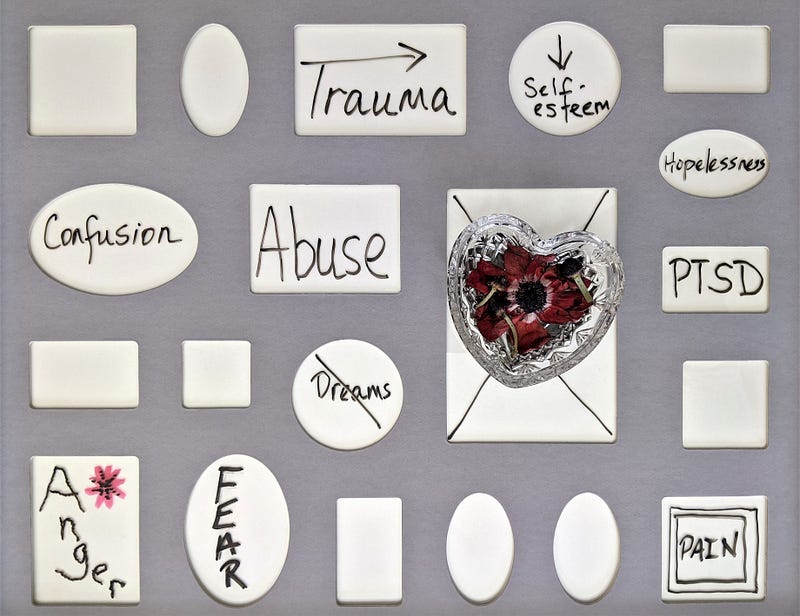
I came across an amazing story by Kimberly Fosu about the impact of caning on young children in schools. As a Ghanaian teacher, this topic is close to my heart. So I had to say something.
Although corporal punishment has been banned in Ghana since 2017, it’s so ingrained in our culture that no one bats an eye when it happens. I’m sure a lot of people don’t even know it’s illegal now. It will probably make no sense to them because they genuinely believe it’s for the child’s own good.
I teach English, social studies, and geography at a remedial school (for junior and senior high students) in my town. The principal is a firm believer in ‘sparing the rod and spoiling the child.’
Sure, it gets him results — students dare not misbehave in his class. Does that make it the most effective form of discipline in the long term though?
Well, if you’re hoping to produce timid children who never question authority, think outside the box, and just accept everything they’re told without daring to be skeptical out of fear, then yes, it’s pretty damn effective.
As a teacher, the last thing I want is for kids to fear me or anyone for matter.
Growing up, I had a lot of bad experiences with caning, both at home and in school. I was generally well-behaved and stayed away from trouble as often as possible. If I’m being honest, it all boiled down to a deep fear of being hit if I stepped out of line even a little bit. After all, that was exactly what happened whenever I got curious and tried to explore new things. No counseling or anything. Just straight up beating the shit out of a nine-year-old.
While corporal punishment succeeded in making me conform, it also left me physically and emotionally scarred, full of rage and resentment.
In junior high school, my maths teacher’s approach to teaching, which heavily involved the use of the cane, solidified my hatred for mathematics. Every morning, he would stand imposingly before you with his long cane in hand, then orally test you on multiplication:
2 x 2
4 x 4
8 x 8
3 x 3
These were very basic multiplication problems, of course. But he asked them at a rapid-fire rate, expecting your answers in literal milliseconds like you were the Flash or something. A second too late, his cane would descend on you as though exorcising the great demon of stupidity from your tiny body.
My junior high math teacher was the sole reason I hated numbers well into adulthood. If I weren’t good in every other subject, I would have actually believed that I was indeed stupid. And you know what? Even as an A-student, sometimes you’re left questioning your own intelligence.
Get one thing wrong in a test and teachers act like you just committed mass murder.
We were caned for every little thing. Being late to school. Not keeping our school clean. Talking too loudly in class. Making mistakes in our academic work. Not bringing a hymn book to assembly.
You cannot beat a behavior you don’t like out of a child
Boomers, Gen X, and Millenials often brag about the strict discipline they endured as children. As if being smacked left, right, and center like a pinata was a badge of honor, evidence that your parents or teachers really loved you.
“Look at us,” they would say, “we were beaten as kids, but turned out fine.”
Nope, you didn’t turn out fine. You turned out really, really messed up. It’s why you see nothing wrong with misogyny, child abuse, and corruption.
If caning were even a little bit effective, Ghana would have been incredibly advanced by now.
They beat us black and blue to instill in us the virtues of punctuality, cleanliness, and honesty. Yet, Ghanaian society is rife with lateness, filthiness, dishonesty, and a thousand other ills.
So, what exactly did canning do? Not a damn thing.
Actually, scratch that. What did caning do? A lot of damage.
The most dangerous and long-lasting effects of caning are the ones we tend not to see — the psychological effects.
As much as Ghanaians will deny this, we are indeed a timid bunch.
Teachers are supreme beings who cannot be challenged even if they’re wrong. So you grow up thinking that authority must not be challenged. Whatever they say is final, divine even. Speaking up makes you a disrespectful brat who ought to be shown the error of your ways.
I was naturally an introvert, but corporal punishment made me even more timid than usual. Even when I was right and an adult was blatantly wrong about something, I dared not speak up because I had this crippling fear they might hit me or verbally abuse me.
If there was anything caning taught me well, it was the ability to lie.
You become so traumatized by all the abuse in high school that you cannot fully express yourself without fear of backlash when you go to the university where caning doesn’t even exist.
Well into my early adult years, I expected abuse whenever I made a mistake. It took me a while to internalize that I was now a grown-ass woman, and no one was going to beat me for making a mistake. Ergo, I had no reason to lie either. This shift in mindset was how I stopped lying so much.
Today, as a teacher, I don’t entertain abuse in any form. Not even when used as a form of tough love to discipline children. Believe it or not, you’re breeding liars when you hit them for making mistakes.
If we’re all being honest with ourselves, some people (children or adults) can piss us off so much that all we want to do is punch them in the face and call it a day. I know this feeling very well. I get it from time to time. But does it mean I go about punching people in the face? Absolutely not.
I firmly believe in self-defense. I don’t care who you are. If you hit me, I’m hitting you right back. I expect my students to defend themselves too, wrestling that cane out of my hands and beating the shit out of me if I so much as touched them.
Some people will read this and think I’m being ridiculous. Students must respect their teachers and blah blah blah. What is this nonsense I’m talking about?
Of course, students must respect their teachers. But physical abuse is not the way to get someone to respect you. On the contrary, they fear and resent you. That’s not what I want from the children I’m nurturing to become productive members of society.
I want to create a safe environment where they can thrive and be their best selves. I want them to feel free and relaxed around me. I want them to ask questions — no matter how stupid — to develop their curiosity and love for learning. I want to teach them to fearlessly speak out against authority when something isn’t right.
And most importantly, I want them to understand that mistakes and failure are part of life. Caning them every time they mess up teaches them the wrong lesson — that they have to be perfect.
As Kimberly said:
You cannot cane knowledge into a child or cane out of them the behavior you do not want.
How do I punish my students when they break the rules?
First of all, education is more about cultivating the right attitudes than punishing the wrong ones.
While I encourage my students to strive for academic excellence, that’s just as important as teaching them to adopt good habits that will serve them for life. You know, like coming to class early, paying attention when I’m teaching, doing their assignments, asking questions, and so much more. I don’t just tell them to do these things and call it a day — I explain why they need to do them.
When I say come to class early, I’m teaching you to be more punctual because you may lose some life-changing opportunities in the future, simply for being late.
When I say do your assignments, I’m teaching you to be committed to your projects.
When I encourage you to ask or answer questions no matter how stupid, I’m teaching you to be more confident and not care about what people think.
When I tell you to pay attention in class, I’m teaching you listening skills.
When I don’t shame or cane you for getting things wrong in your work, I’m teaching you to see failure as not the end, but an opportunity to work harder until you do better.
Once they understand that this is for their own well-being, and not for some pathological need to be obeyed because I’m the teacher, they’re more likely to do the right thing.
It makes it all the more effective when I finally punish them for breaking the rules.
I don’t tolerate students who talk and giggle among themselves when I’m teaching. You will not distract the rest of the class with your shenanigans. So what do I do? You get the hell out of my class. Period.
Since I barely lose my temper, doing it even a little bit scares the shit out of them. I’ve had students whom I sent out of my class come to me later on to apologize for being a menace. They’re genuinely remorseful for what they did. I tell them it’s okay and not to do that again.
A few months ago, while my students were preparing for their BECE (the national final exams for junior high students in Ghana), I gave them their very first assignment, as I don’t give a lot of homework. I asked them to submit their work in two weeks. Naturally, I expected their work when the day of submission arrived.
As soon as a student entered the class, I asked them, “Where’s my assignment?”
If you have it, you put it on the table and sit.
The dog ate your homework? Simple — you leave. That day, I sacked more than two-thirds of them from my class.
“Look, I won’t cane you,” I always tell my students. “But I will also not waste my time to teach you if you have no respect for me.”
What happened when I gave another homework? Every single one of them submitted it.
I have taught several age groups, and my tactic has been efficient without the need to smack anyone’s child.
Some people think children won’t respect you if you don’t hit them. Not true at all. The teacher I respected more than anyone was someone who never once hit me or any of my colleagues. In fact, his style of teaching heavily influenced mine.
Like my former teacher, I have a close relationship with my students. If they have a problem, they can come to me anytime. They can speak their mind around me. They can be themselves without fear.
As teachers, our job is to bring out the best in our children, not beat them into submission. Sure, they’re still kids, but they’re also human and deserve to be treated with dignity and respect.
That will translate into being the best version of themselves, adults we can be proud of.
Torshie Torto writes fiction, creative nonfiction, and everything in between. If you love her work and want to support it, buy her a coffee. Want to hear more from her, join her mailing list.