
The Impact of Caning on Young Children in Schools
You cannot cane knowledge into a child or cane out of them the behavior you do not want
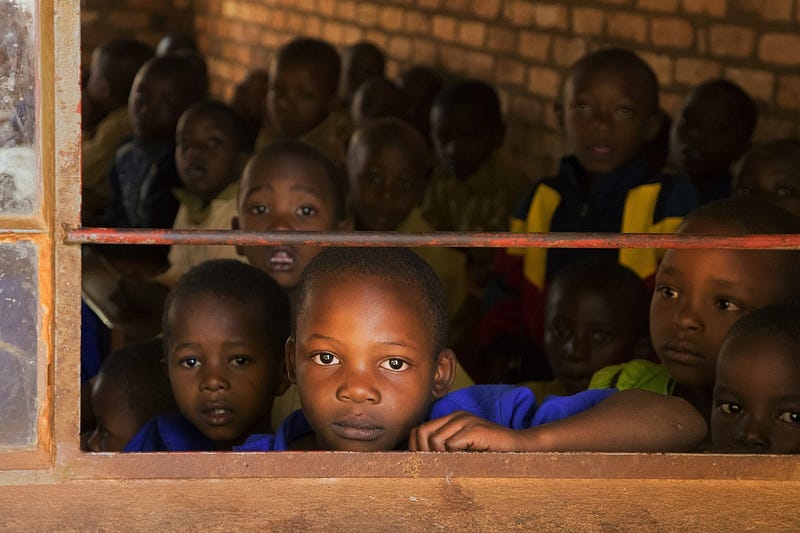
This has quickly become the most important issue in my life right now and I don’t know what else to do but persistently write about it hoping that my words will reach someone who will understand and join me in my movement to spread awareness and revisit the ban on corporal punishment of children in African schools.
Recently, I had to address a concerning incident at my daughter’s school which has prompted me to keep taking action. I’m currently in Ghana for a short time to teach my Ghanaian-American daughter the rich culture of Africa but my daughter has come home from school several times to tell me that a teacher caned her. When I communicated my concerns to the school, I made it clear that any further use of a cane by a teacher on my kid or any other student would result in legal action against the entire school but the teachers don’t seem to understand it.
Ghanaian teachers appear to believe they are doing the children a favor by caning them to prevent them from becoming spoiled. They do not realize that it is their actions that create fearful and timid children who grow up to be adults incapable of contributing to society, resulting in an underdeveloped country that is constantly battling for survival.
The Ghana Education Service (GES) banned corporal punishment in schools in 2017 as part of efforts to create a safe and protective learning environment for children. My intention is to raise awareness and initiate a movement to revisit the ban on corporal punishment, as it appears that some teachers may not fully understand the harm it is causing children.
Ghanaian teachers appear to believe they are doing the children a favor by caning them to prevent them from becoming spoiled.
The UN Committee on the Rights of the Child defines corporal or physical punishment as any punishment that uses physical force and is intended to cause pain or discomfort, no matter how mild. It involves smacking, spanking, or hitting with an object such as a belt or cane. It may also include forcing a child to kneel or stand in an uncomfortable position. These disciplinary practices leave lasting psychological and emotional scars that aren’t seen.
While the pain of caning may fade, the negative impact remains, lasting into adulthood leading to low self-esteem, fear, and feelings of inadequacy. These emotional wounds hinder the child’s ability to develop healthy relationships, impede their academic progress, and limit their overall potential.
Corporal punishment triggers harmful psychological and physiological responses. It has been linked to anxiety, depression, substance abuse, and antisocial behavior in adults. As children experience pain, sadness, fear, anger, shame, and guilt, they are also exposed to physiological stress and the activation of neural pathways associated with danger. It instills fear in the hearts and minds of students and can easily make them drop out of school refusing to go back to continue their education.
Fortunately, 132 countries have banned corporal punishment of children in all settings, including the home. 34 countries have policies against its use which are not yet backed by legislation and another 30 have neither policy nor law. Now it’s a matter of actually obeying the laws.
Discipline is important to the growth and development of the child but it is in the manner that it’s done that makes a true difference. The focus must shift from punishment to education, from fear to love.
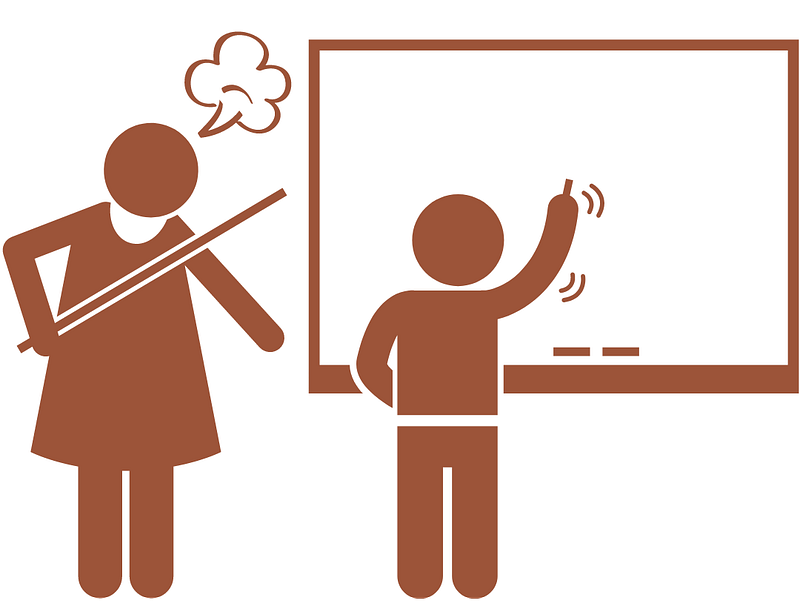
The reason this issue of caning in schools is so important to me is that I can see past the physical into the spiritual. Every child is born whole and complete and they come with gifts, talents, and abilities. It is fear-based disciplinary practices that mess with the destiny of the child. A child who may have come to the earth to become a powerful man or woman is caned every day in school so much so that they become so timid and fearful they don’t even know their true and full potential. There is nothing to fear in this world other than fear itself. Fear binds whatever it holds. Whatever power, creativity, and ability the child was born with is caned out of them. Then they become a shell of who they are.
Children are naturally curious, driven by an innate thirst for knowledge and exploration. When they are caned for not yet knowing the right thing or exploring, their curiosity is suppressed, and they are instead replaced with fear and apprehension. When punishment becomes the focus in schools, their creativity and critical thinking skills suffer. Instead of fostering an environment that encourages curiosity and independent thinking, caning stifles their growth and hinders their ability to reach their full intellectual potential.
Not only that, when teachers use the cane, they disrupt the bond they should have with their students. Instead of nurturing trust, respect, and open communication, fear dominates the classroom. The teacher gains some sort of power by holding the cane and without the cane, such a teacher is rendered powerless. As a result of this fear-based dynamic, teachers become less effective mentors and guides, hindering meaningful learning experiences.
A strong teacher-student relationship is built on mutual respect and understanding, not on the fear of punishment.
Every child is born whole and complete. It is fear-based disciplinary practices that messes with the destiny of the child.
Education is more than academic achievement; it encompasses the holistic development of young minds. Caning undermines the holistic approach to child development by neglecting their emotional, social, and moral development. Teachers who rely on fear and punishment miss opportunities to teach empathy, compassion, and conflict resolution. Instead, they unintentionally perpetuate violence and aggression within our society.
The use of discipline methods in schools such as caning, making children kneel down, using objects to inflict pain, assigning labor-intensive tasks, and other painful practices are harmful to children’s well-being and progress. Rather than promoting positive growth and learning, they impede the child’s potential and erode the relationship between teachers and students.
Now I am not saying that children should not be disciplined in schools and must be left to do whatever they please. No. Discipline is good and the purpose of discipline should be to guide children’s moral, emotional, and physical development so that they are capable of taking responsibility for themselves as they grow older. The goal of discipline is to teach children the boundaries of what is acceptable and what is unacceptable in society.
Discipline is important but it is in the manner that it’s done that makes a true difference. You cannot cane knowledge into a child or cane out of them the behavior you do not want. The focus must shift from punishment to education, from fear to love.
Physical punishment can work momentarily to stop problematic behavior because children are afraid of being caned, but it doesn’t work in the long term and can make children more aggressive — Graham-Bermann.
In January 2019, the GES directed all teachers to use alternative disciplinary methods to foster a learning environment that helps all students reach their full potential.
Positive reinforcement, restorative justice practices, counseling, and mentorship programs empower young children, enabling them to develop resilience, emotional intelligence, and a sense of responsibility. Let’s take a look at how these alternative disciplinary methods will work so much better to raise children who are bold and confident enough to meaningfully contribute to the development of a nation.
- Positive Reinforcement: Positive reinforcement involves recognizing and rewarding good behaviors to encourage their repetition. Instead of focusing solely on punishments for negative behaviors, positive reinforcement emphasizes and recognizes children’s positive actions and choices. This could include verbal praise, tokens or rewards, certificates, or privileges. Reinforcing positive behaviors motivates children to continue displaying them, creating a positive learning environment that builds self-esteem.
- Restorative Justice Practices: Restorative justice practices aim to repair the harm caused by wrongdoing and restore relationships between parties. Instead of focusing on punishment, restorative justice focuses on understanding the impact of actions, promoting empathy, and facilitating meaningful dialogue. In this approach, the offender, victim, and other affected individuals communicate openly, express feelings, and work toward resolution. This process teaches children accountability, empathy, and problem-solving skills.
- Counseling: Counseling provides children with a safe place to express their feelings, concerns, and challenges. Through individual or group sessions, children can explore their emotions, develop coping strategies, and receive guidance for personal growth. Counseling helps children understand their behavior, manage stress, and build self-esteem. In addition to providing them with tools for navigating challenges effectively, it promotes emotional intelligence.
- Mentorship Programs: Mentorship programs pair children with adults who provide guidance, support, and positive role modeling. A mentor can offer advice, discuss challenges, and offer encouragement to children. Programs like these aim to develop self-confidence, resilience, and life skills. As role models, mentors assist children in setting goals, making positive choices, and navigating life’s challenges which promotes personal growth, social skills, and a sense of belonging.
These alternative methods focus on empowerment, growth, and empathy to promote a nurturing environment where discipline becomes an opportunity for growth and learning, rather than instilling fear or punishment.
I know that when something doesn’t hit close to home, there is the tendency to turn a blind eye but children are unable to protect or speak up for themselves and so they count on adults to speak up for them. Children’s rights to health, development, education, and freedom from torture and cruel, inhuman, or degrading treatment are violated by caning and other forms of corporal punishment.
Irrespective of whether you live in a country where caning occurs, every adult is responsible for protecting and safeguarding a child regardless of whether they know him or her personally. As we spread awareness and create change, African children can experience education with love, dignity, and respect.
As Africans or non-Africans, we have a responsibility and an opportunity to protect children all over the world.
It is my greatest hope that these words will resonate with someone who can join me in bringing about meaningful change in Ghana’s schools. There is a child somewhere who is counting on it.


