
Can the Goodness of K-Pop and its Idols Outweigh the Ugliness of Racism?
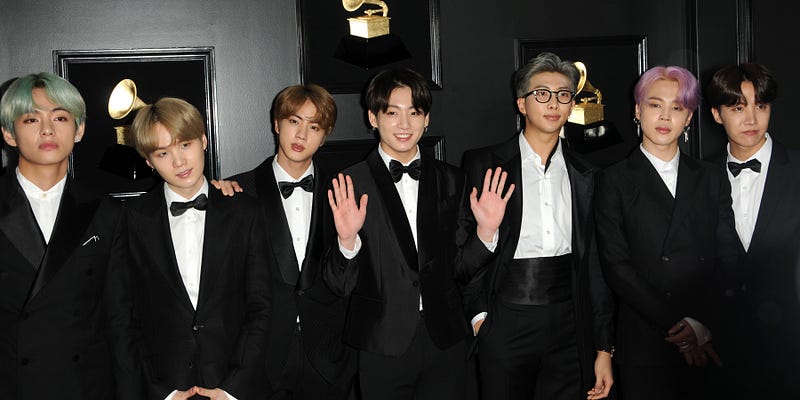
BTS Wants YOU TO DANCE. And dance we should.
Self-Love is in demand. After the last year we have had, everyone is talking about your mental health, offering you ways to be kind and accepting of yourself, flaws, and all. It is great to finally admit you are not okay. None of us are okay.
But idols can give us a hand in spreading the message to everyone that self-love is okay, be yourself and love thy neighbor as you do your favorite idol.
With the growing popularity of K-Pop (Korean Pop) and the idols behind the music in America, should we also ask for their assistance in the Anti-Asian hate movement? the Anti-Black movement? Without digging into their pocketbooks. BTS and their famous fanbase ARMY donated a million dollars to #BlackLivesMatter. Do fans have a right to ask their favorite celebrity to become the face behind the cause? Some fans think it is their duty to speak up, while others tell celebrities to shut up and stick to what they do best-performing.
My voice of reason always says, ‘Say Something’ and if your audience reaches millions than say a little more.
Can Music Cure Racism?
If music could wipe out all the haters in the world or at least turn their hate to like, it would have happened during the Michael Jackson era. John Lennon asked you to imagine a peaceful world while Rhianna and Alicia Keys asked you to address anti-Blackness. And now, Asian celebrities like BTS, Sandra Oh and Daniel Dae Kim must ask the same thing to stomp out hate #AAPI in the Asian communities.
Music is known to help those with depression and other physical and mental ailments.
The explosion of BTS in America with their clean-cut good ole boy looks and happy go-lucky lyrics speaks to the heart of young people everywhere. Young kids are not the only ones listening to K-Pop. Their ‘Love Yourself’ motto is speaking to the world as much as it is speaking to America.
Despite South Korea’s growing skin lightening industry, it is Nigeria with the highest percentage (77%) of women who use these cosmetics creams, according to the World Health Organization.
And like racism, colorism will always be an issue with someone somewhere.
You will always be too dark or not light enough. If the music industry has shown us anything it is that you can succeed as your authentic self. Tracy Chapman, Seal and Billie Eilish come to mind. What artist came to your mind?
Is there any proof that Korean pop will change the world? Or the hateful rhetoric spewed on Asians, People of Color or Blacks? No, probably not. History has shown us we grow closer together through difficult challenges.
Jazz found its peak and its way into American homes after WWI in 1920s. Motown during the epic era of The Civil Rights Movement in the sixties. The birth of Gangsta Rap in 1988 with rap on the rise played everywhere during and after the L.A. Riots.
What if Music was the Catalyst for Conversation?
BTS says “We don’t need Permission to Dance,” and dance away we do. We are dancing on TikTok, displaying unity and a love of music. Tiktokers feeling joyous, happy, and free, have danced to African dance routines, Hip-hop and K-Pop moves usually borrowed from their music videos addressed to their fans as dance challenges. Everyone is in on it — the young and the older.
My personal goal: get one Monsta X (Love Killa), Got7 (Never Ever) and BTS (Not Today) dance videos down from beginning to end. This goal like weight loss, may take a while.
Pop music brings thousands of fans together in one stadium and everyone can respect one another and get along — why can’t this be the norm? Granted, hate groups are not listening to happy-go-lucky cheesy music, but we warriors against hate must start somewhere.
And the young minds listening to K-Pop and other genres of music bringing them joy and happiness and a willingness to get up and dance no matter who is watching — are the keys to our better world. We can and we will get there.
Racism like greed will never cease to exist but we can limit its exposure.
Take the suggestion of BTS and all K-Pop groups, let the ugliness go, love yourself, love thy neighbor and get up and dance. You do not need permission. You do not need dancing skills (have you seen Permission to Dance video?).
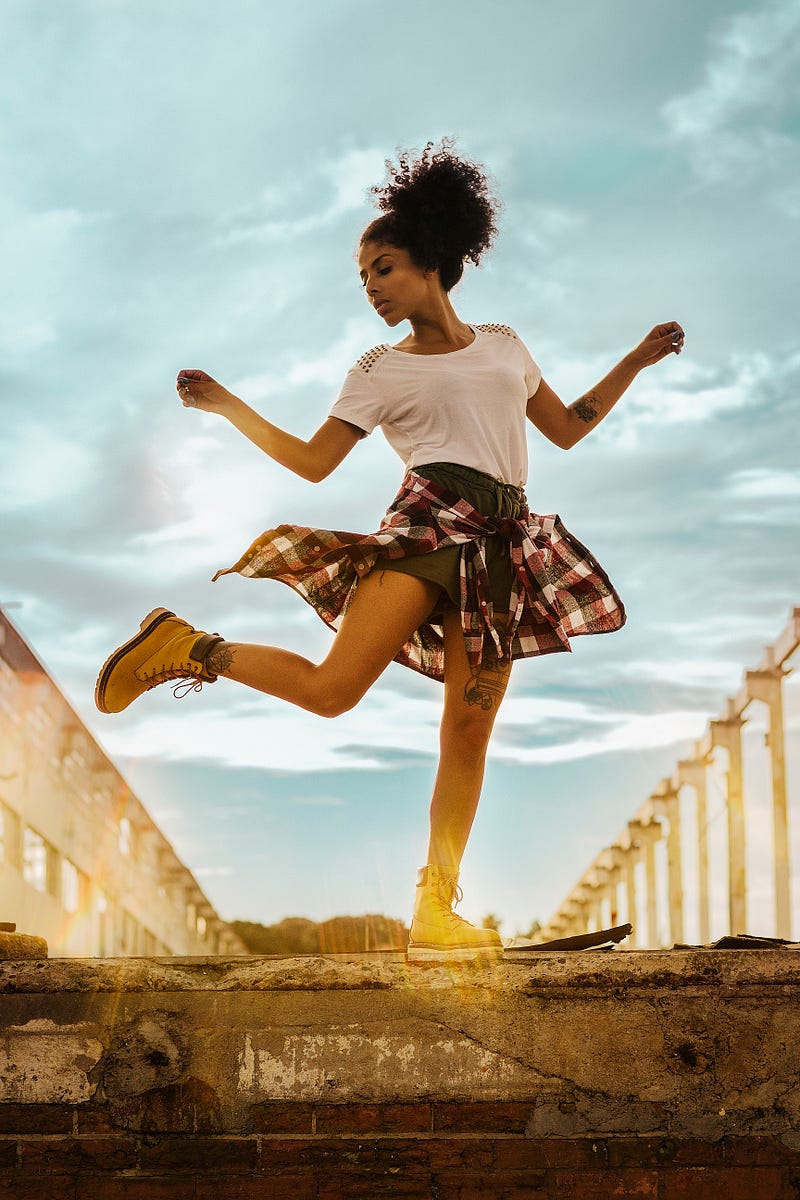
Let go of your shame, your self-hate and embrace you. Who cares what music (country, rock, or R&B) gets you up and moving? You just need an open mind to the possibilities your freedom to dance, and your joy is all that is needed to share with the world.
And they said disco dancing was dead.


