
What’s the Greatest Year In Rap History?
Hip-hop’s Golden Age is loosely bookended by the genre’s commercial breakthrough in the late 1980s and the back-to-back deaths of 2Pac and Biggie in the late 1990s. Of course, rap fans haven’t stopped debating which years serve as hip-hop’s true apex. For some, the Golden Age commenced with Run DMC’s rise to fame in 1985 and lasted until New York, by way of Nas and Biggie, was back to being The Rap Mecca in 1994; while for others, it began with NWA’s arrival in 1988 and ended with Gangsta Rap’s explosion in 1993.
That being so, the most important question is: What year is the greatest year in hip-hop history? In what year did the genre peak?
In order to determine hip-hop’s greatest year, we need to focus on five different things.
- The State of the Rap Game — What events were swirling in and around the culture at the time?
- Influence on the Genre — How much and in what ways did the respective year affect hip-hop?
- Classic Albums — What were the year’s biggest and most impactful releases?
- Apex Rappers — At the time, which MCs were operating at the peak of their powers?
- Breakout Stars — What up-and-coming rappers exploded that year?
Thirty-nine years were analyzed, beginning with 1979 — which coincided with the first-recorded rap song , “Rapper’s Delight”— on through 2017. Twenty-nine years were disposed, leaving us with the ten-greatest years in hip-hop history. Which year is the greatest? Let’s find out.
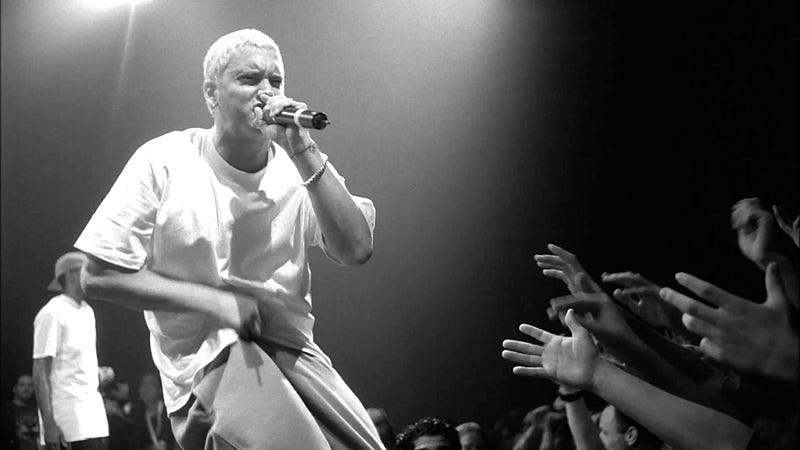
10. 2000 — The Rise of Slim Shady
- Classic albums: Eminem’s The Marshall Mathers LP, Outkast’s Stankonia, Ghostface Killah’s Supreme Clientele, & Common’s Like Water For Chocolate, Jay-Z’s The Dynasty
- Rappers operating at their Apex: Eminem & Andre 3000
- Breakout stars: Three Six Mafia, Ludacris, Nelly, & Ja Rule
At the turn of the century, only three years removed from the deaths of its two biggest stars, 2Pac and Biggie, hip-hop was still in a state of flux; while Jay-Z was the first rapper to grab the crown that Biggie left up for grabs, by 2000, a new generation was taking shape. The year featured several classics from rappers at varying points in their careers; Eminem released his magnum opus, transforming into the biggest pop-star on the planet; OutKast supplanted the success of their first three albums, as Andre 3000 became the best rappity rapper alive; while Common and Ghostface reaffirmed their mic-skills on their respective projects. Further, Nelly, Ludacris, and Ja Rule rose to fame with chart-topping albums of their own.
9. 2015 — The Crown Is Big Enough For Two Kings
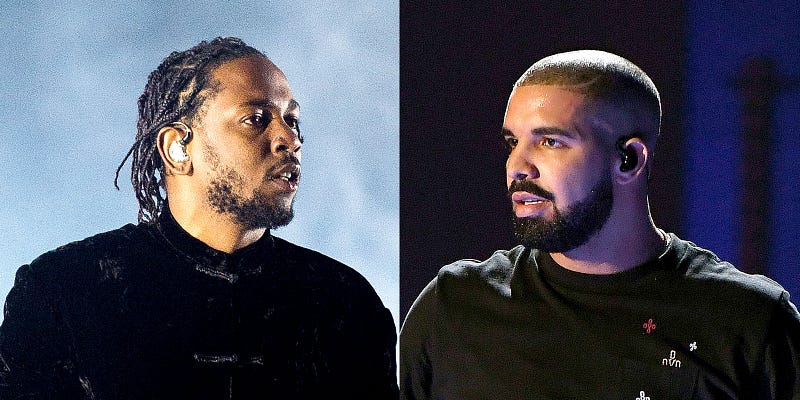
- Classic Albums: Kendrick’s To Pimp a Butterfly, Drake’s If You’re Reading This It’s Too Late, Future’s DS2
- Rappers operating at their Apex: Kendrick, Drake, Future, & J. Cole
- Breakout stars: Young Thug, Rae Sremmurd, & Travis Scott
You may be thinking — 2015? How does it earn a spot on this list when it’s not even the best hip-hop year this decade? Last year featured better albums, 2016’s catalog is much deeper, and 2011 was more important, for it introduced us to a new generation with releases from Drake, Kendrick, A$AP, and J. Cole.
That’s a reasonable claim, until you consider the stakes of 2015. The year coincided with the two best rappers of their generation, Drake and Kendrick, peaking simultaneously, with the latter releasing one of the most significant albums in rap history, no less. That’s not all; both Future and Young Thug had epic mixtape runs, while the rise of Rae Sremmurd and Travis Scott announced the arrival of a new generation.
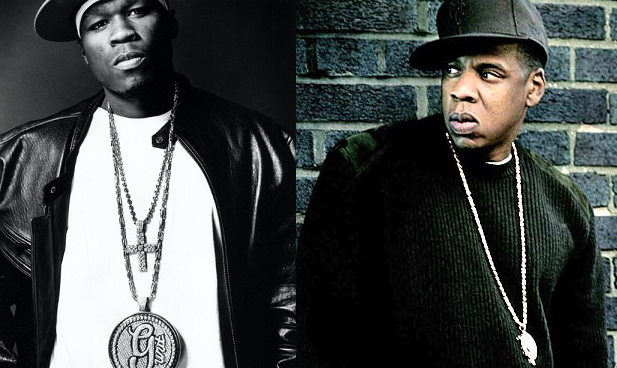
8. 2003 — Jay-Z Passes the Torch to 50 Cent
- Classic Albums: Jay-Z’s The Black Album, 50 Cent’s Get Rich or Die Tryin, Outkast’s Speakerboxxx/The Love Below, T.I.’s Trap Muzik, The Diplomats’ Diplomatic Immunity, G-Unit’s Beg for Mercy
- Rappers operating at their Apex: Jay-Z, 50 Cent, & Cam’Ron
- Breakout stars: T.I., Freeway, Fabolous, & Juelz Santana
The odds were stacked against 2003. Faced with having to match the success of his magnum opus, released two years prior, Jay-Z announced his next project would be his last; meanwhile, the buzz surrounding the biggest rapper alive, Eminem, was finally beginning to fade. Hip-hop needed something new, something fresh; they got it and then some with the emergence of 50 Cent. Just like that, the year was widely successful. Jay-Z’s ‘Retirement Album’ exceeded expectations, while Get Rich or Die Tryin’ was the biggest debut since Snoop Dogg’s in 1993; on top of that, you had T.I.’s debut, cult-classics from G-Unit and The Diplomats, and Outkast’s pop-masterpiece.
7. 2005 — Changing of the Guard
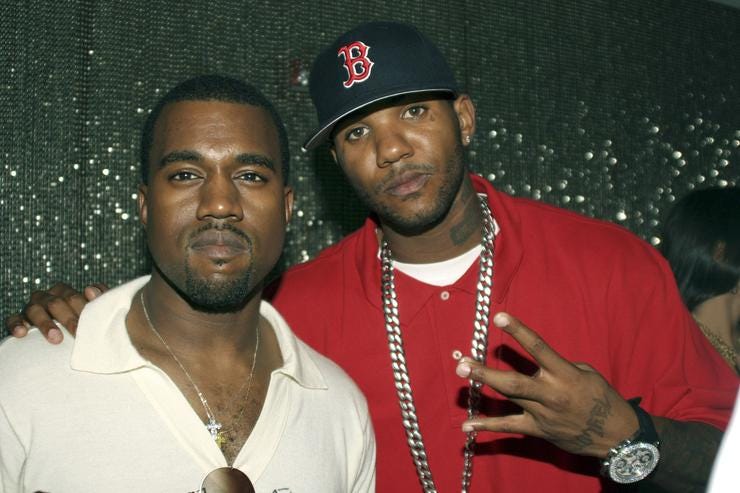
- Classic Albums: Young Jeezy’s Thug Motivation 101, Kanye’s Late Registration, Lil’ Wayne’s Tha Carter II, Common’s Be, The Game’s The Documentary, 50 Cent’s The Massacre
- Rappers operating at their Apex: 50 Cent, Kanye, & Lil’ Wayne
- Breakout stars: Young Jeezy & The Game
Jay-Z’s retirement, along with Eminem and Andre 3000’s hiatuses, opened the door for rap’s new generation in 2005. The leader of the new school, 50 Cent, released the follow-up to his 2003 classic; Jeezy and The Game, much like 50 two years earlier, rose to fame quickly by way of their debuts; Kanye and Wayne showcased their potential lasting-power with their second and fifth albums, respectively; and finally, hip-hop veteran Common dropped the best project of his career.
6. 1995 — Bad Boy vs. Death Row
- Classic Albums: Raekwon’s Only Built For Cuban Linx, GZA’s Liquid Swords, AZ’s Doe or Die, Mobb Deep’s The Infamous, 2Pac’s Me Against The World
- Rappers operating at their Apex: Raekwon, GZA, & AZ
- Breakout stars: Prodigy, Bone Thugs-N-Harmony, & Big L
We commonly underrate 1995’s greatness because it’s inferior to the two years it followed; and yet, it’s undoubtedly the greatest year in the history of New York hip-hop. Most impressively, it earned this title without albums from its two biggest stars (Biggie and Nas). Instead, two Wu-Tang members (Raekwon and GZA) dropped their debut solo offerings, albums that are still considered the best Wu-Tang solo projects ever, no less; Mobb Deep submitted a classic that let us inside the infamous Queensbridge Projects, AZ showcased his potential as a true lyricist with Doe or Die, and Big L introduced us to ebonics.
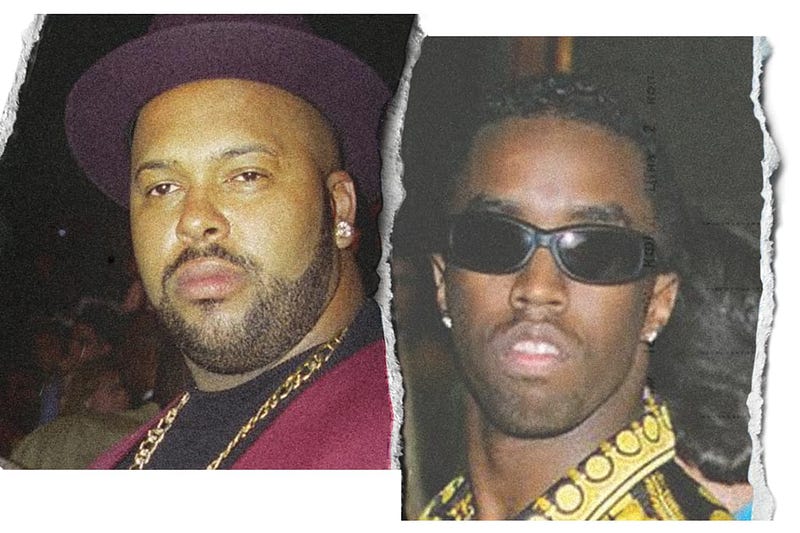
New York’s power over hip-hop that year wouldn’t be cemented on the mic, though, but at the 1995 Source Awards — held in its own backyard. Although the East Coast/West Coast rivalry was in its early stages, the battle lines were drawn that night, as Snoop Dogg and Suge Knight took the stage and taunted Bad Boy, NYC-area rappers, and New York as a whole. The events of that night reverberated through hip-hop for years to come.
5. 1998 — The Post-Biggie Era Takes Shape
- Classic Albums: Outkast’s Aquemini, DMX’s It’s Dark And Hell Is Hot, Jay-Z’s Vol. 2… Hard Knock Life, Lauryn Hill’s The Miseducation of Lauryn Hill, Big Pun’s Capital Punishment, Mos Def And Talib Kweli’s Blackstar, Juvenile’s 400 Degreez
- Rappers operating at their Apex: Jay-Z, DMX, & Big Pun
- Breakout stars: Fat Joe & Juvenile
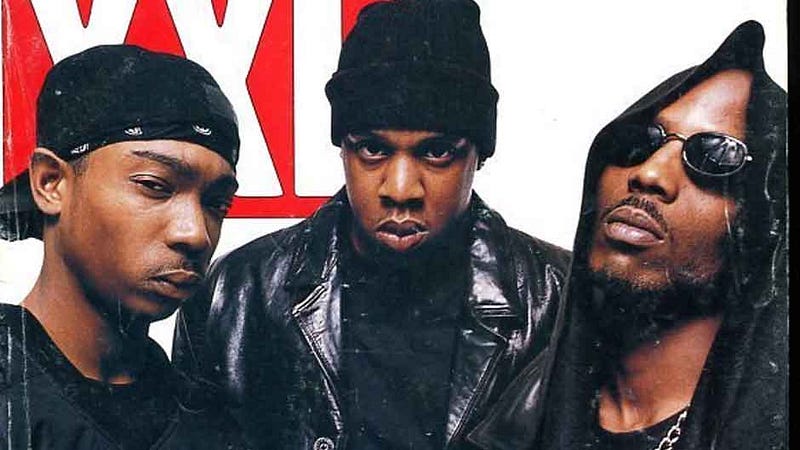
Biggie’s death in March 1997, only six months after Tupac’s, represented the official end to hip-hop’s golden age, leaving his successors with the impossible task of leading the genre forward, while forced to fill the void left by rap’s two biggest stars. One year later, over the second-half of 1998, hip-hop not only recovered, but produced a legendary year that stands toe-to-toe with the greatest. It began in the most-fitting way possible, with the emergence of DMX, a rapper unlike any we’d seen before. That May, his debut album took hip-hop by storm, reaching a level of popularity that no rookie had accomplished since Snoop. Three months later, Lauryn Hill usurped DMX’ popularity with her chart-topping first album; and in September, Jay-Z became the biggest MC alive with his first classic, on the same day that Outkast dropped their magnum opus.
4. 1988 — The Birth of Gangsta Rap
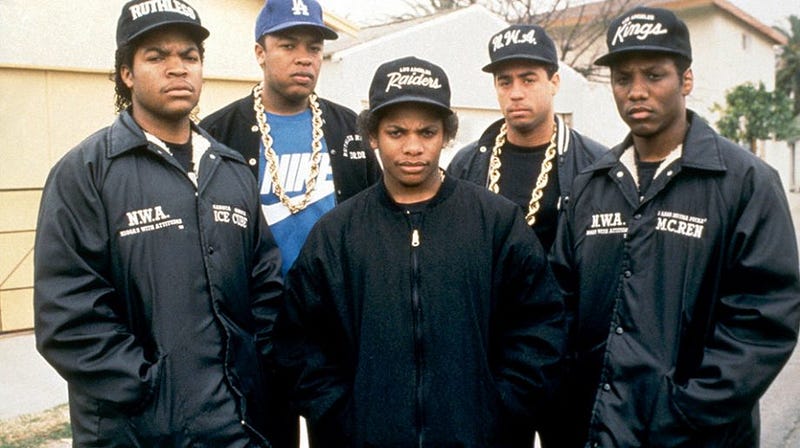
- Classic Albums: NWA’s Straight Outta Compton, Eric B and Rakim’s Follow The Leader, Big Daddy Kane’s Long Live The Kane, Public Enemy’s It Takes A Nation of Millions…, Slick Rick’s The Great Adventures Of Slick Rick
- Rappers operating at their Apex: Rakim, Slick Rick, Big Daddy Kane, & Chuck D
- Breakout stars: Ice Cube
If we were ranking the most important years in hip-hop history, 1988 would top the list. You had an album that pushed the genre to new creative heights (Slick Rick), one that introduced the first rap superstar (Kane), and another that featured the greatest lyricist at his peak (Rakim); but only two albums transcended hip-hop, while charting the path for the next decade — It Takes A Nation of Millions…& Straight Outta Compton. Both album’s legacies are rooted in their message, with Public Enemy embodying the role of political activist, as NWA instilled fear in the entire country, by way of their black-power approach.
3. 1993 — Hip-hop’s Focus Shifts to the West Coast
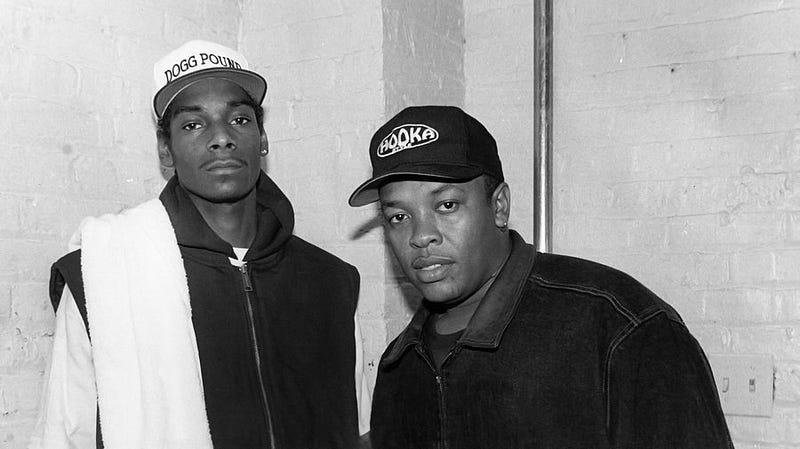
- Classic Albums: Snoop Dogg’s Doggystyle, A Tribe Called Quest’s Midnight Marauders, Wu-Tang Clan’s Enter the Wu-Tang: 36 Chambers, 2Pac’s Strictly For My N.I.G.G.A.Z
- Rappers operating at their Apex: Snoop Dogg & Q-Tip
- Breakout stars: 2Pac & Method Man
Legacy-defining albums from two of the greatest hip-hop groups ever, the New York-bred Wu-Tang Clan and A Tribe Called Quest, wasn’t enough to prevent Los Angeles from ceasing control of New York’s decades-long stranglehold over hip-hop. In 1993, the boldest, richest, most radio-ready, headline-grabbing sounds were bursting from the cars in LA, by way of Dr. Dre’s The Chronic, released in the final two weeks of 1992. The album only served as an appetizer for the year’s best project; that November, Snoop Dogg dropped Doggystyle, an album that dominated the culture for the better-part of the following year. In an instant, California was king, and the West Coast was hip-hop’s new Mecca.
2. 1994 — The Mecca Is Back In Power
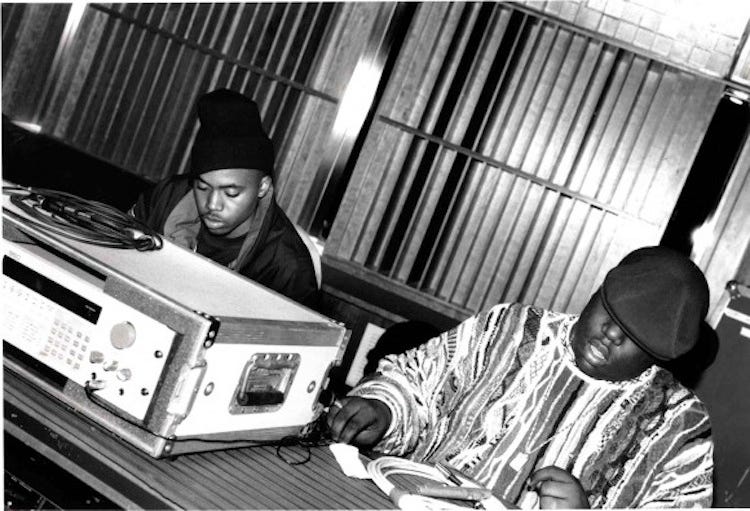
- Classic Albums: Nas’ Illmatic, The Notorious B.I.G’s Ready to Die, Scarface’ The Diary, Common’s Resurrection, Souls of Mischief’s ’93 Til Infinity, Outkast’s SouthernPlaylistiCadillacMuzik
- Rappers operating at their Apex: Nas, Biggie, & Scarface
- Breakout stars: Andre 3000 & Common
After watching the West Coast evolve into the hip-hop capital of the world over the previous two years, New York snatched the crown back in 1994. In the span of five months, New York was back on the map, accompanied by the game’s two-best MCs. Nas kickstarted the East Coast’s resurgence that April, as the release of his debut album Illmatic ripped through the culture, earning him the title of ‘Best Rapper Alive’. Biggie followed suit in September with Ready to Die; while it didn’t catapult Big, lyrically, to the front of the pack, the album, loaded with chart-topping hit after hit, made him more popular than Nas, and thus, the face of New York.
The greatness of 1994 is rooted in breakout performances from two of the greatest rappers of all-time, but everything else happening around hip-hip cemented its place as arguably the best year in rap history; for it was the year that saw the genre sweep across the nation, with Outkast exploding in Atlanta, Scarface ascending in Houston, Common holding serve in Chicago, and Souls of Mischief repping the Bay.
1. 1996 — Apex Mountain
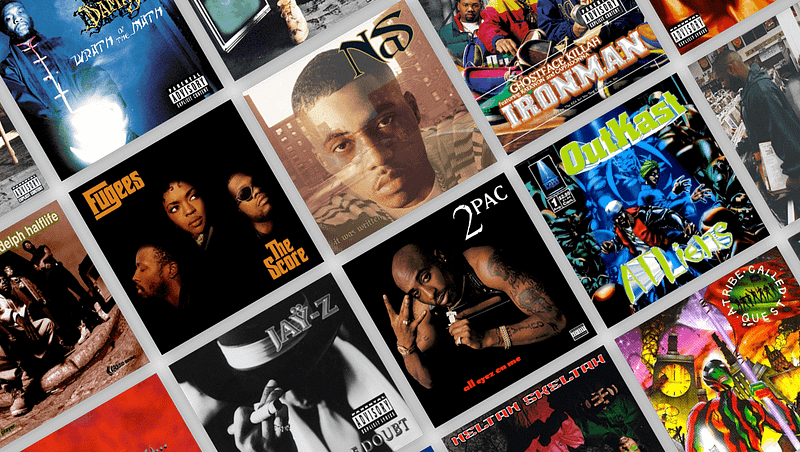
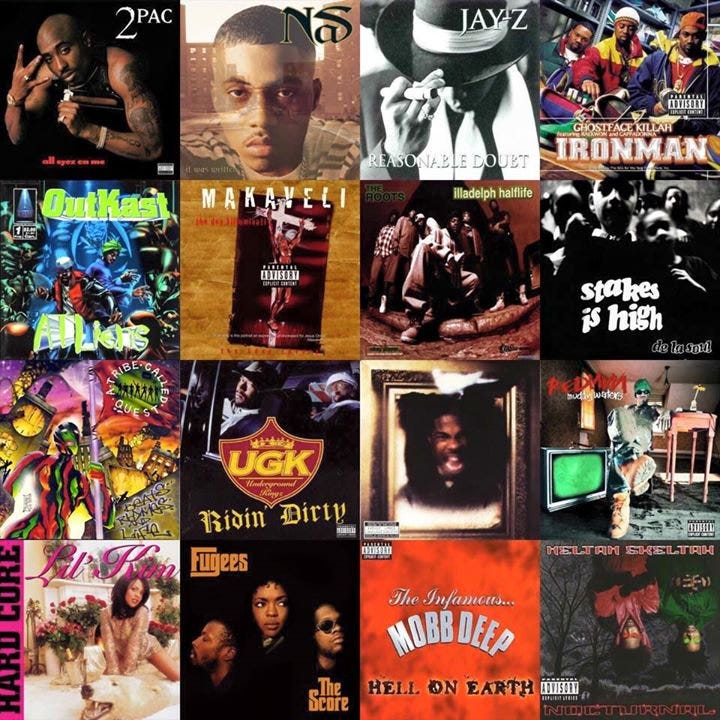
- Classic Albums: Nas’ It Was Written, Outkast’s ATLiens, Jay-Z’s Reasonable Doubt, The Fugees’ The Score, 2Pac’s All Eyez On Me & The Seven Day Theory, Ghostface Killah’s Ironman, UGK’s Ridin’ Dirty
- Rappers operating at their Apex: 2Pac, Nas, Biggie, & Ghostface Killah
- Breakout stars: Jay-Z, Lauryn Hill, Pimp C, Bun B, & Busta Rhymes
This year had everything, which is why 1996 is the greatest in hip-hop history. You had three of the best rappers of all-time (2Pac, Biggie, and Nas) operating at their absolute apex, with another legend (Jay-Z) approaching his. At the pinnacle of his career, both as an artist and cultural icon, 2Pac released the two-greatest albums in his catalog, eight months apart to boot; Nas followed up the best debut in rap history with the exceptional It Was Written; while the future GOAT, Jay-Z, put out a certified-classic in his first at-bat.
The year also introduced us to two budding superstars (Ghostface and Lauryn Hill), with the latter’s album becoming one of the most-acclaimed and best-selling albums of all-time, no less. Most impressively, though, 1996 coincided with the birth of two rap regions far from either coast, as Atlanta’s Outkast and Texas’ UGK submitted the first classics of their careers.
Fittingly, 2Pac’s death, which, along with Biggie’s, closed the curtain on hip-hop’s golden age, came that September, only deeming 1996 more worthy of ‘The Greatest Year Ever’ title; for if one year is to be considered the best in hip-hop history, it has to coincide with the genre’s true peak, it’s final moment at the precipice, before everything came crashing down.