avatarNaushad Sajnani

Free AI web copilot to create summaries, insights and extended knowledge, download it at here

7127

Abstract

  <div style="background-image: url(https://miro.readmedium.com/v2/resize:fit:320/0*8qpR5g1hfhIJNaMe)"></div>
          </div>
        </div>
      </a>
    </div><p id="29e9"><b><i>These critical thinking skills are not mere tools; they are the wings that elevate us beyond the mundane, fostering enlightenment in our daily lives and kindling the creative fires of our problem-solving capacities.</i></b></p><h2 id="fbff">II. The Torchbearers of Knowledge</h2><figure id="0a98"><img src="https://cdn-images-1.readmedium.com/v2/resize:fit:800/0*iQKXQ_JxUsCDLW--"><figcaption>Photo by <a href="https://unsplash.com/@gabiontheroad?utm_source=medium&amp;utm_medium=referral">Gabriella Clare Marino</a> on <a href="https://unsplash.com?utm_source=medium&amp;utm_medium=referral">Unsplash</a></figcaption></figure><ul><li><b><i>A. Philosophy and the Quest for Scientific Enlightenment</i></b></li></ul><p id="abf3" type="7">“To philosophize is to learn how to die.” — Montaigne</p><p id="f678">In the marriage of philosophy and science, we uncover a movement that has resonated through the corridors of history.</p><p id="14d8"><i>Philosophers have walked hand in hand with scientists, laying the foundation for monumental strides in knowledge.</i></p><p id="ef55">Aristotle, the philosopher-scientist, ignited the torch of biology, while Descartes, the maestro of rationalism, choreographed the ballet of modern physics.</p><p id="55aa">In their footsteps, we find not only the resonance of progress but the echoes of profound understanding.</p><ul><li><b><i>B. The Epistemological Puzzle</i></b></li></ul><p id="24a6" type="7">“The greatest obstacle to discovery is not ignorance — it is the illusion of knowledge.” — Daniel J. Boorstin</p><p id="1766">In the complicated chambers of epistemology, philosophers unravel the perplexing enigma of knowledge. What is knowledge, and how do we know what we know?</p><div id="d90a" class="link-block">
      <a href="https://readmedium.com/existential-masterpiece-being-and-nothingness-by-jean-paul-sartre-34b56f58dd76">
        <div>
          <div>
            <h2>Existential Masterpiece: “Being and Nothingness” by Jean-Paul Sartre</h2>
            <div><h3>A Book Review</h3></div>
            <div><p>medium.com</p></div>
          </div>
          <div>
            <div style="background-image: url(https://miro.readmedium.com/v2/resize:fit:320/0*WaI1d_c8fRF9T9Uz)"></div>
          </div>
        </div>
      </a>
    </div><p id="def9">These are the riddles that philosophers wrestle with, unveiling the profound mysteries that underlie human cognition.</p><p id="7a61"><i>In the act of skeptical inquiry, we do not merely question; we refine the very essence of our understanding.</i></p><ul><li><b><i>C. The Polymath’s Playground</i></b></li></ul><p id="34a9" type="7">“The love of all-inclusive knowledge is the reason for thinking.” — Aristotle</p><p id="0616">Philosophy is not an isolated tower; it is a bridge that spans the chasms of human inquiry. It thrives at the crossroads of the humanities and the sciences, serving as the cornerstone of interdisciplinary learning.</p><p id="2850" type="7">The skills honed through philosophical inquiry — critical thinking, logical reasoning, and abstract conceptualization — become the very scaffold for our endeavors in fields as diverse as law, medicine, artificial intelligence, and environmental science.</p><p id="58a8">In philosophy’s embrace, we find not merely an education but a transformation, a transcendence of the ordinary.</p><div id="4ba0" class="link-block">
      <a href="https://readmedium.com/nietzsches-will-to-power-relevance-in-the-21st-century-c081173fefa4">
        <div>
          <div>
            <h2>Nietzsche’s “Will to Power”- Relevance in the 21st Century</h2>
            <div><h3>www.goalcast.com</h3></div>
            <div><p>medium.com</p></div>
          </div>
          <div>
            <div style="background-image: url(https://miro.readmedium.com/v2/resize:fit:320/0*NS4z2CcH3HjGObM7.jpg)"></div>
          </div>
        </div>
      </a>
    </div><h2 id="deb7">III. The Progress of Societies</h2><figure id="c163"><img src="https://cdn-images-1.readmedium.com/v2/resize:fit:800/0*o9rq_mlprP1icE0V"><figcaption>Photo by <a href="https://unsplash.com/@eugenezhyvchik?utm_source=medium&amp;utm_medium=referral">Eugene Zhyvchik</a> on <a href="https://unsplash.com?utm_source=medium&amp;utm_medium=referral">Unsplash</a></figcaption></figure><ul><li><b><i>A. Ethical Frameworks and the Flame of Justice</i></b></li></ul><p id="c4ae" type="7">“Ethics is the activity of man directed to secure the inner perfection of his own personality.” — Albert Schweitzer</p><p id="b7b1">The torch of justice, the beacon of moral righteousness, burns brightly in the hands of philosophers.</p><p id="4867"><i>Social justice movements, from the civil rights movement to the ongoing battle for climate justice, are not mere happenstance; they are the offspring of ethical principles carefully sown by philosophers.</i></p><p id="2620">The ethical theories of utilitarianism, deontology, and virtue ethics do not merely adorn the annals of academia; they serve as the compass by which societies navigate moral dilemmas, guiding the development of laws, policies, and social norms.</p><div id="8eee" class="link-block">
      <a href="https://readmedium.com/intuition-is-it-just-a-feeling-fccecafbffdb">
        <div>
          <div>
            <h2>Intuition: Is It Just a Feeling?</h2>
            <div><h3>Photo by Content Pixie on Unsplash</h3></div>
            <div><p>medium.com</p></div>
          </div>
          <div>
            <div style="background-image: url(https://miro.readmedium.com/v2/resize:fit:320/0*6yPcm4cORQLyhCQ7)"></div>
          </div>
        </div>
      </a>
    </div><ul><li><b><i>B. The Architect of Political Ideals</i></b></li></ul><p id="d1cc" type="7">“Justice means minding your own business and not meddling with other men’s concerns.” — Plato</p><p id="dacc">In the corridors of political philosophy, we encounter philosophers as the architects of societal structures.</p><p id="37d9">John Locke, with the blueprint of social contract theory, laid the foundations of modern democracy, while Jean-Jacques Rousseau, the visionary, constructed the pillars of political legitimacy.</p><p id="baae"><i>In their visions, we do not merely see political ideologies; we glimpse the very matrix of just and equitable societies.</i></p><ul><li><b><i>C. The Cultural Alchemist</i></b></li></ul><p id="84ed" type="7">“Art, like morality, consists in drawing the line somewhere.” — Gilbert K. Chesterton</p><p id="87cc">Philosophy is not confined to the intellectual realm; it molds cultures, shapes societies, and births revolutions.</p><p id="6f37" type="7">Aesthetics, the art of beauty, is the brush by which philosophers paint the portraits of culture and imagination.</p><p id="9f20">Friedri

Options

ch Nietzsche’s transvaluation of values and Jean-Paul Sartre’s existentialism have not merely adorned the pages of literary history; they have rewritten the narratives of cultural evolution.</p><div id="972e" class="link-block"> <a href="https://readmedium.com/the-last-earthling-8ec0e706e2a2"> <div> <div> <h2>The Last Earthling</h2> <div><h3>In a time/place far beyond our imaginations, where humanity once flourished, there resided the last man standing —…</h3></div> <div><p>medium.com</p></div> </div> <div> <div style="background-image: url(https://miro.readmedium.com/v2/resize:fit:320/0*Gff0FJVjgC1Uxppc)"></div> </div> </div> </a> </div><h2 id="e085">IV. The Shrouded Critiques</h2><figure id="2d4a"><img src="https://cdn-images-1.readmedium.com/v2/resize:fit:800/0*1RdG9qKvdVcEZKao"><figcaption>Photo by <a href="https://unsplash.com/@mikegorrell?utm_source=medium&amp;utm_medium=referral">Mike Gorrell</a> on <a href="https://unsplash.com?utm_source=medium&amp;utm_medium=referral">Unsplash</a></figcaption></figure><ul><li><b><i>A. The Paradox of Inaccessibility</i></b></li></ul><p id="6240" type="7">“Any fool can know. The point is to understand.” — Albert Einstein</p><p id="2099">The enigmatic veil of inaccessibility has long cloaked philosophy, leaving many intimidated by its complexity.</p><p id="95cb" type="7">The intricate language of philosophy and the weight of historical traditions can create barriers, making philosophy appear a remote fortress.</p><p id="107a">Efforts, however, are afoot to bridge this divide. Initiatives to simplify philosophical language, diversify philosophical perspectives, and expand philosophy education to a broader audience strive to render philosophy more accessible and inclusive.</p><ul><li><b><i>B. The Practicality Paradox</i></b></li></ul><p id="2cf0" type="7">“Life must be understood backward. But it must be lived forward.” — Søren Kierkegaard</p><p id="e3a1">Critics argue that philosophy can be abstract, disengaged from the practical concerns of life.</p><div id="6590" class="link-block"> <a href="https://readmedium.com/rekindling-the-flame-of-philosophy-81e023ab8f13"> <div> <div> <h2>Rekindling the Flame of Philosophy</h2> <div><h3>Igniting the Sparks of Wonder</h3></div> <div><p>medium.com</p></div> </div> <div> <div style="background-image: url(https://miro.readmedium.com/v2/resize:fit:320/0*WdF4Jm_p7cUGmpKs)"></div> </div> </div> </a> </div><p id="ed4e"><i>They question the tangible value of philosophical inquiries and whether they genuinely propel us toward progress.</i></p><p id="426e">In response, advocates highlight the intrinsic value of philosophy as a discipline that nurtures wisdom, fosters profound inquiry, and equips individuals with the skills and perspectives needed to address complex challenges.</p><p id="861f">Philosophy does not merely offer solutions; it offers the tools to forge those solutions.</p><h2 id="6f6e">The Odyssey of Wisdom</h2><figure id="55ea"><img src="https://cdn-images-1.readmedium.com/v2/resize:fit:800/0*QKBD_afaZM7O7482"><figcaption>Photo by <a href="https://unsplash.com/@faithgiant?utm_source=medium&amp;utm_medium=referral">Alex Shute</a> on <a href="https://unsplash.com?utm_source=medium&amp;utm_medium=referral">Unsplash</a></figcaption></figure><p id="9e9b">As I approach the concluding act of our odyssey, we stand on the precipice of understanding. The relationship between philosophy and progress is not linear but multifaceted, not one-dimensional but kaleidoscopic.</p><p id="77db"><i>Philosophy serves as the lantern that illuminates the dark corridors of self-discovery, the cornerstone of ethical enlightenment, and the forge of critical thinking.</i></p><div id="533a" class="link-block"> <a href="https://readmedium.com/the-last-earthling-8ec0e706e2a2"> <div> <div> <h2>The Last Earthling</h2> <div><h3>In a time/place far beyond our imaginations, where humanity once flourished, there resided the last man standing —…</h3></div> <div><p>medium.com</p></div> </div> <div> <div style="background-image: url(https://miro.readmedium.com/v2/resize:fit:320/0*Gff0FJVjgC1Uxppc)"></div> </div> </div> </a> </div><p id="acd6">It is the compass guiding the voyages of science, the master key unlocking the doors of knowledge, and the bridge uniting diverse fields of inquiry.</p><p id="2404"><i>Philosophy is the architect of justice, the cultural alchemist, and the guardian of moral principles. It has the power to transform, transcend, and transmute.</i></p><p id="c98e">The challenges of inaccessibility and the pragmatism paradox do not shroud philosophy in darkness. They merely accentuate the enduring quest of human thought, the desire to understand, and the ceaseless yearning for wisdom.</p><div id="5190" class="link-block"> <a href="https://readmedium.com/rekindling-the-flame-of-philosophy-81e023ab8f13"> <div> <div> <h2>Rekindling the Flame of Philosophy</h2> <div><h3>Igniting the Sparks of Wonder</h3></div> <div><p>medium.com</p></div> </div> <div> <div style="background-image: url(https://miro.readmedium.com/v2/resize:fit:320/0*WdF4Jm_p7cUGmpKs)"></div> </div> </div> </a> </div><p id="233f">In the ever-advancing panorama of our existence, philosophy remains the lighthouse, offering wisdom, enlightenment, and, above all, progress.</p><p id="33ba"><i>It is not a static discipline but a living journey, a vibrant dialogue, and an eternal exploration.</i></p><p id="3dbc">To understand philosophy is to embark on an odyssey of wisdom, a voyage of perpetual discovery, and a pursuit of progress — a journey that continues, unabated, through the mists of time.</p><div id="986b" class="link-block"> <a href="https://readmedium.com/waning-interest-in-philosophy-cf8d56eeaaf5"> <div> <div> <h2>Waning Interest in Philosophy</h2> <div><h3>undefined</h3></div> <div><p>undefined</p></div> </div> <div> <div style="background-image: url(https://miro.readmedium.com/v2/resize:fit:320/0*Yf8U6aBxVVWYV03j)"></div> </div> </div> </a> </div><p id="dfa8"><i>I appreciate your presence here.</i></p><p id="cfb1"><i>Thanks for reading.</i></p><p id="779c"><i>Interested in more? Feel free to explore my profile for additional content and subscribe to receive my articles as soon as they’re published.</i></p></article></body>

The Philosophy-Progress Nexus

Can Philosophy Illuminate the Path to Progress?

Philosophy’s Enduring Influence on Humanity
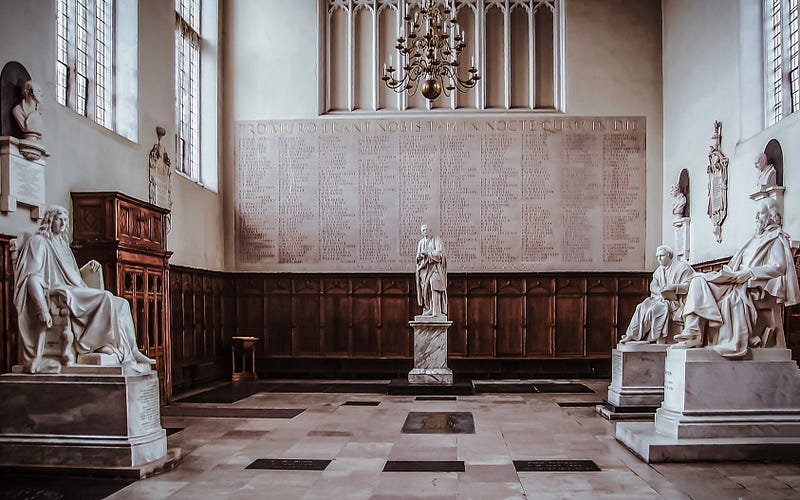
Photo by K. Mitch Hodge on Unsplash

The realm of human thought is a vast and intricate tapestry, interwoven with the threads of curiosity, inquiry, and contemplation.

At the heart of this tapestry lies philosophy, a radiant star that illuminates the intellectual landscape.

Philosophy is the age-old pursuit of fundamental questions that have intrigued humanity for centuries.

It goes into the mysteries of existence, knowledge, ethics, and the enigmatic nature of reality.

Yet, beneath the grandeur of philosophical discourse, a fundamental question persists: Does understanding philosophy genuinely propel us toward progress?

In this odyssey, a comprehensive exploration of the intricate relationship between philosophy and progress.

We will dissect its impact on personal development, the advancement of knowledge, and the evolution of societies.

Along the way, I’ll uncover the role of philosophy as a mirror to our souls, a compass of ethics, a nurturing ground for critical thinking, and a bridge connecting diverse fields of study.

How philosophers have influenced the sciences, redefine our understanding of knowledge through epistemology, and examine philosophy’s role in fostering justice, shaping political ideals, and driving cultural innovation.

I’ll also confront the critiques and challenges that philosophy faces, from its perceived inaccessibility to questions about its practical value.

In the end, I’ll unravel the complex and enduring relationship between philosophy and progress, shedding light on whether philosophy is indeed a guiding beacon on the path to wisdom and advancement.

The Philosophy of Self-Discovery

  • A. Philosophy as a Mirror of the Soul
Photo by Alex Block on Unsplash

“To know oneself is the first step to wisdom.” — Socrates

Socrates, the venerable sage of Athens, knew that self-knowledge was the cornerstone of wisdom. His Socratic Method, a symphony of dialogue and introspection, beckons us to peer into the reflective pool of self-awareness.

In this profound act of self-examination, the philosopher discovers not only the depths of their beliefs and values but also the limitless potential for personal growth.

“The Socratic Method,” our guide whispers, “is not merely a philosophical tool; it is a personal odyssey.”

B. The Enigmatic realm of Ethics

“The only way to deal with an unfree world is to become so absolutely free that your very existence is an act of rebellion.” — Albert Camus

Photo by Maria Oswalt on Unsplash

Philosophy is the compass of ethics, guiding us through the tempestuous sea of morality. It does not merely dictate what is right and wrong; rather, it invites us to engage in a rigorous examination of our moral landscape.

The ethical theories that philosophy unfurls present us with a kaleidoscope of perspectives, inviting us to navigate the labyrinth of moral dilemmas, to refine our understanding of virtue, and to forge our own path toward righteousness.

  • C. Nurturing the Seed of Critical Thinking

“Education is the kindling of a flame, not the filling of a vessel.” — Socrates

Critical thinking, a lantern that illuminates the darkest intellectual alleys, is a prized treasure of philosophical exploration. Philosophy is the nursery where the sapling of critical thinking takes root.

It encourages us to question the unexamined, to weigh evidence with the scales of reason, and to construct arguments as sturdy as the pillars of Parthenon.

These critical thinking skills are not mere tools; they are the wings that elevate us beyond the mundane, fostering enlightenment in our daily lives and kindling the creative fires of our problem-solving capacities.

II. The Torchbearers of Knowledge

Photo by Gabriella Clare Marino on Unsplash
  • A. Philosophy and the Quest for Scientific Enlightenment

“To philosophize is to learn how to die.” — Montaigne

In the marriage of philosophy and science, we uncover a movement that has resonated through the corridors of history.

Philosophers have walked hand in hand with scientists, laying the foundation for monumental strides in knowledge.

Aristotle, the philosopher-scientist, ignited the torch of biology, while Descartes, the maestro of rationalism, choreographed the ballet of modern physics.

In their footsteps, we find not only the resonance of progress but the echoes of profound understanding.

  • B. The Epistemological Puzzle

“The greatest obstacle to discovery is not ignorance — it is the illusion of knowledge.” — Daniel J. Boorstin

In the complicated chambers of epistemology, philosophers unravel the perplexing enigma of knowledge. What is knowledge, and how do we know what we know?

These are the riddles that philosophers wrestle with, unveiling the profound mysteries that underlie human cognition.

In the act of skeptical inquiry, we do not merely question; we refine the very essence of our understanding.

  • C. The Polymath’s Playground

“The love of all-inclusive knowledge is the reason for thinking.” — Aristotle

Philosophy is not an isolated tower; it is a bridge that spans the chasms of human inquiry. It thrives at the crossroads of the humanities and the sciences, serving as the cornerstone of interdisciplinary learning.

The skills honed through philosophical inquiry — critical thinking, logical reasoning, and abstract conceptualization — become the very scaffold for our endeavors in fields as diverse as law, medicine, artificial intelligence, and environmental science.

In philosophy’s embrace, we find not merely an education but a transformation, a transcendence of the ordinary.

III. The Progress of Societies
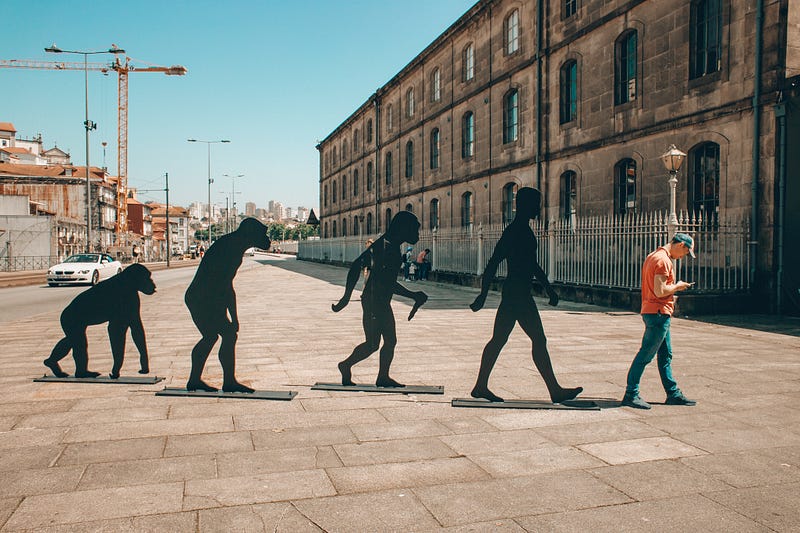
Photo by Eugene Zhyvchik on Unsplash
  • A. Ethical Frameworks and the Flame of Justice

“Ethics is the activity of man directed to secure the inner perfection of his own personality.” — Albert Schweitzer

The torch of justice, the beacon of moral righteousness, burns brightly in the hands of philosophers.

Social justice movements, from the civil rights movement to the ongoing battle for climate justice, are not mere happenstance; they are the offspring of ethical principles carefully sown by philosophers.

The ethical theories of utilitarianism, deontology, and virtue ethics do not merely adorn the annals of academia; they serve as the compass by which societies navigate moral dilemmas, guiding the development of laws, policies, and social norms.

  • B. The Architect of Political Ideals

“Justice means minding your own business and not meddling with other men’s concerns.” — Plato

In the corridors of political philosophy, we encounter philosophers as the architects of societal structures.

John Locke, with the blueprint of social contract theory, laid the foundations of modern democracy, while Jean-Jacques Rousseau, the visionary, constructed the pillars of political legitimacy.

In their visions, we do not merely see political ideologies; we glimpse the very matrix of just and equitable societies.

  • C. The Cultural Alchemist

“Art, like morality, consists in drawing the line somewhere.” — Gilbert K. Chesterton

Philosophy is not confined to the intellectual realm; it molds cultures, shapes societies, and births revolutions.

Aesthetics, the art of beauty, is the brush by which philosophers paint the portraits of culture and imagination.

Friedrich Nietzsche’s transvaluation of values and Jean-Paul Sartre’s existentialism have not merely adorned the pages of literary history; they have rewritten the narratives of cultural evolution.

IV. The Shrouded Critiques
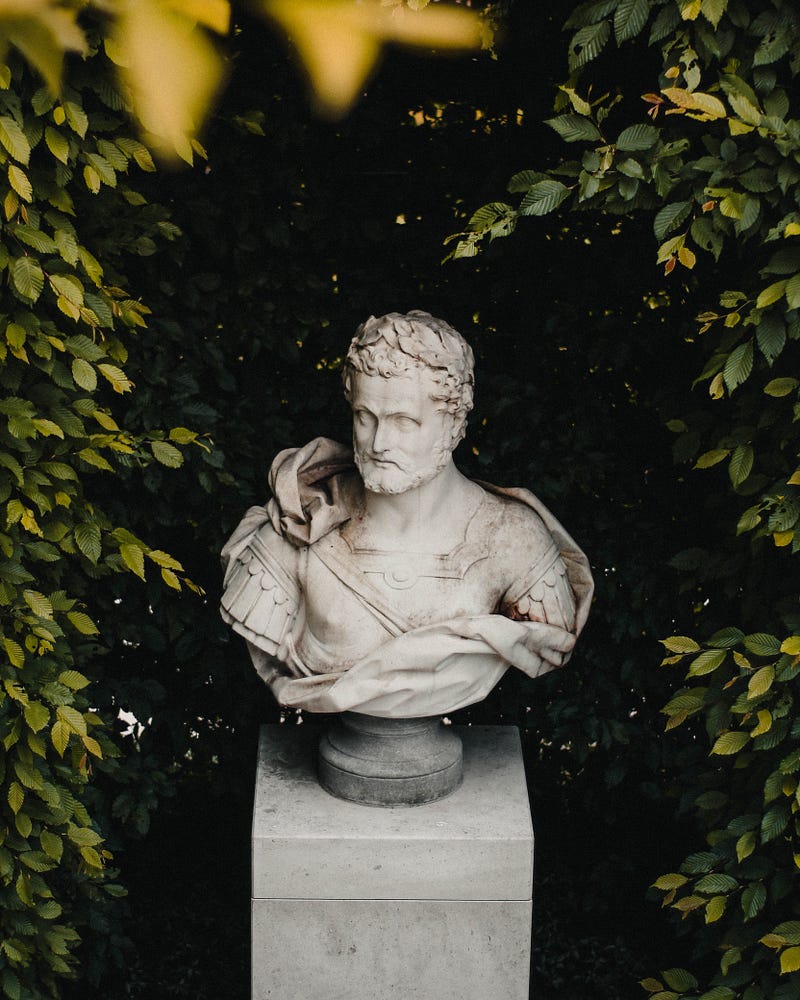
Photo by Mike Gorrell on Unsplash
  • A. The Paradox of Inaccessibility

“Any fool can know. The point is to understand.” — Albert Einstein

The enigmatic veil of inaccessibility has long cloaked philosophy, leaving many intimidated by its complexity.

The intricate language of philosophy and the weight of historical traditions can create barriers, making philosophy appear a remote fortress.

Efforts, however, are afoot to bridge this divide. Initiatives to simplify philosophical language, diversify philosophical perspectives, and expand philosophy education to a broader audience strive to render philosophy more accessible and inclusive.

  • B. The Practicality Paradox

“Life must be understood backward. But it must be lived forward.” — Søren Kierkegaard

Critics argue that philosophy can be abstract, disengaged from the practical concerns of life.

They question the tangible value of philosophical inquiries and whether they genuinely propel us toward progress.

In response, advocates highlight the intrinsic value of philosophy as a discipline that nurtures wisdom, fosters profound inquiry, and equips individuals with the skills and perspectives needed to address complex challenges.

Philosophy does not merely offer solutions; it offers the tools to forge those solutions.

The Odyssey of Wisdom
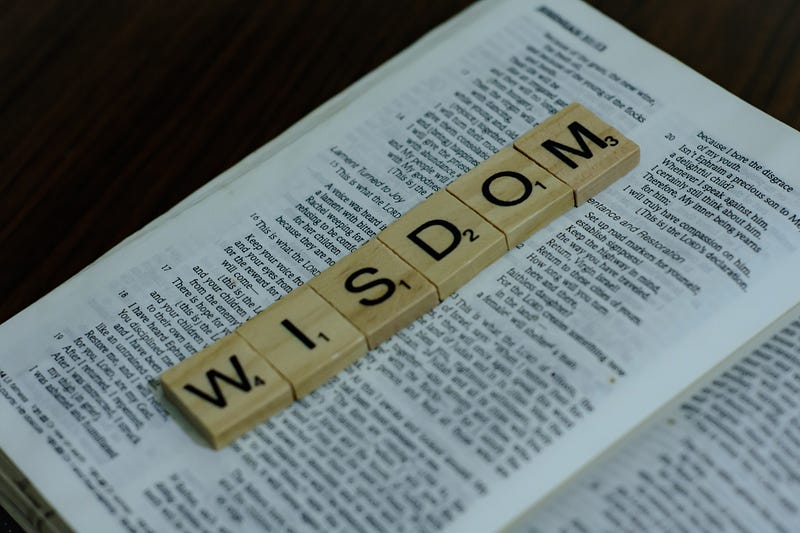
Photo by Alex Shute on Unsplash

As I approach the concluding act of our odyssey, we stand on the precipice of understanding. The relationship between philosophy and progress is not linear but multifaceted, not one-dimensional but kaleidoscopic.

Philosophy serves as the lantern that illuminates the dark corridors of self-discovery, the cornerstone of ethical enlightenment, and the forge of critical thinking.

It is the compass guiding the voyages of science, the master key unlocking the doors of knowledge, and the bridge uniting diverse fields of inquiry.

Philosophy is the architect of justice, the cultural alchemist, and the guardian of moral principles. It has the power to transform, transcend, and transmute.

The challenges of inaccessibility and the pragmatism paradox do not shroud philosophy in darkness. They merely accentuate the enduring quest of human thought, the desire to understand, and the ceaseless yearning for wisdom.

In the ever-advancing panorama of our existence, philosophy remains the lighthouse, offering wisdom, enlightenment, and, above all, progress.

It is not a static discipline but a living journey, a vibrant dialogue, and an eternal exploration.

To understand philosophy is to embark on an odyssey of wisdom, a voyage of perpetual discovery, and a pursuit of progress — a journey that continues, unabated, through the mists of time.

I appreciate your presence here.

Thanks for reading.

Interested in more? Feel free to explore my profile for additional content and subscribe to receive my articles as soon as they’re published.

Philosophy
Philosophy Of Mind
Progress
Philosophy Of Life
Thoughts
Recommended from ReadMedium