
THE MEGADROUGHT SERIES 2022, PART 4A
California’s Screamin’ (For Water)
The rivers and lakes are stressed to the max
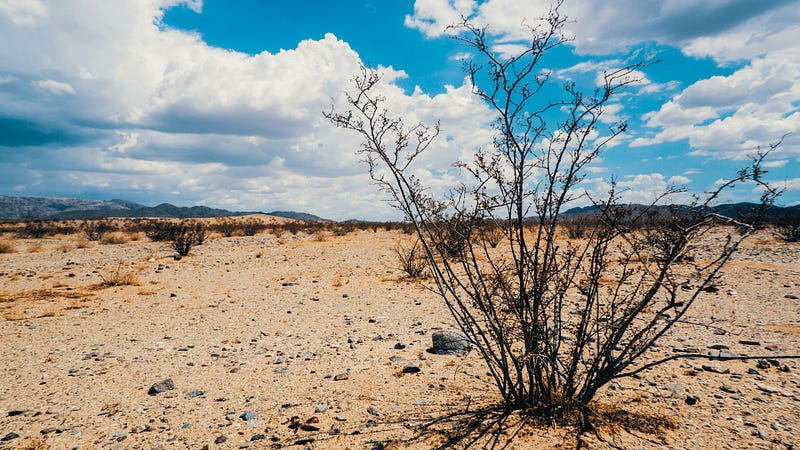
Around 1995 or so, at the height of her popularity and before her prison sentence, a parody of Martha Stewart Living was published, titled, “Is Martha Stewart Living?” While it was genuinely hysterical cover-to-cover, my favorite article was “How to Make Water.” The first ingredient on the list was — water!
She must have been thinking of this:
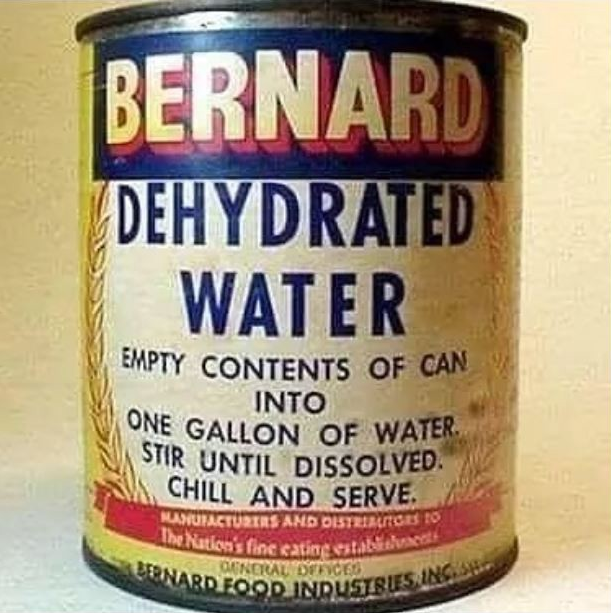
But seriously, folks, the catastrophe is here. It’s been screaming at us for quite some time. We just haven’t been listening.
In this part of the series, I’m going to focus on Southern California, although I might meander a bit.
Why SoCal and not NoCal?
Both are in big trouble, but SoCal is more reliant on water from far, far away. And its sources are drying up.
Why is the Megadrought Happening?
Global warming brought on by the industrial age and the use of fossil fuels created climate change. What’s making it worse in the Southwest is a condition known as La Niña. The little sister of El Niño is the far meaner child. She gets pissed off when the waters in the Eastern Pacific Ocean — particularly those off the coast of Peru — turn a bit colder and head west. From there, it’s complicated, but she forces the jet stream north on the continent of North America. This results in a drier and warmer southwest.
She usually comes and goes, but she’s been around for most of the last three years. So on top of global warming that results in climate change, this little bitch is just making things worse.
She’ll play tricks on you. She teased us with record amounts of snow in the Sierra Nevadas in December last year. Then, in January, she up and walked away, leaving the mountains high and dry — and unusually warm, which melted the snowpack early, even with a brief reappearance of precipitation in April.
Megadroughts, Flash Droughts, and Snow Droughts, oh my!
The atmosphere is thirsty. It wants water so it can produce rain. But after 22 years of dry conditions, the soil and vegetation have been sucked dry, leaving us in a megadrought. This leads to hotter temperatures, as the evaporative cooling effect of that moisture is diminished. As a result, climate models point to aridification moving from the Southwest to the Great Plains in the coming decades. It’s already happening as flash droughts become more common in other areas.
A “flash drought” is one that intensifies rapidly over a period of a few weeks, catching forecasters by surprise. With a warmer and thirstier atmosphere, the likelihood of flash droughts anywhere in the U.S. increases with severe effects on agriculture and ecosystems. They also promote large wildfires.
The Western U.S. is also experiencing snow droughts, where more precipitation falls as rain than snow, so the snow melts earlier. Warmer temperatures earlier cause evapotranspiration: the loss of moisture from plants and soil, as explained above. This results in drier soil in the second half of the growing season.
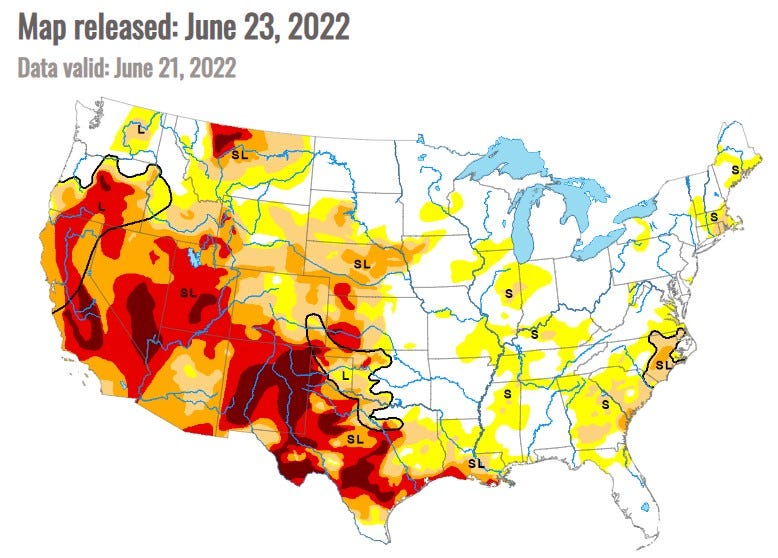
Here’s the latest update on the drought in the U.S.
What did normal look like?
When I lived in California from 1968 to 1976, the weather was predictably…normal.
The rains would start in December and wind down around March or April. Then we’d have a few months of “patchy low clouds and fog,’ as the weather anchors on TV would say. Then came May gray and June gloom, as they’re known. The sun would finally show its full face by July for a glorious few months, and then the heat would intensify with the Santa Ana winds coming at us from the East.
Temperatures would easily rise to the 90s and low 100s on powerful winds. It would dry the brush on the hillsides to a tinder brown, and wildfires would erupt. Back then, they were known as “brush fires” because they typically start in the brush covering the dry coastal hills. When the rains would return in December, they would often be accompanied by landslides and mudslides. The barren ground was too dry to soak up any moisture.
And so it went, year after year.
What’s Next?
The Southwest, including Southern California and Los Angeles, is a semi-arid area, to begin with. But there was some water — enough for the coastal areas to become a prime growing area for citrus fruits. In addition, the Central Valley had runoff from the Sierra Nevada to provide ideal growing conditions for many types of vegetables and fruit and nut trees. An adequate amount of groundwater could be used for irrigation. People began migrating to California from other parts of the country for these reasons and its near-perfect Mediterranean climate.
We can’t count on these sources of water anymore.
By 1903, oil was discovered in California, soon becoming the country’s leading oil-producing state. The population of Los Angeles soared from about 100,000 in 1900 to nearly two million by 1950 and almost four million now. Climate change was happening back then — we just didn’t choose to pay attention to it.
In the next installment of this series, we’ll look at Southern California’s various water sources and how quickly they are drying up. We’ll also examine some proposed solutions and whether or not they can be pulled off soon enough to prevent a water apocalypse.
SoCal’s population is about 24 million now. This is not sustainable with that many more people and an increasingly arid climate. So will climate migration be next?
Here are a couple of stories from coverage of the megadrought last year:
Like what you’re reading? Consider subscribing to Medium. For the price of a monthly magazine ($5/month), you’ll have access to all of my stories and thousands of other writers. And I’ll get a wee bit! Just click the link below.


