
Does God tell you to spank kids?
On the theology of corporal punishment
Christians have often taught that corporal punishment, i.e. spanking, is instructed by God! Isn’t it right there in Proverbs 13:24?
Many Christians will cite this verse as if it comes right out of the divine child-raising manual called the Bible:
“Whoever spares the rod hates their children, but the one who loves their children is careful to discipline them.” (NIV)
Or there’s the religion’s re-write: “Spare the rod, spoil the child.”
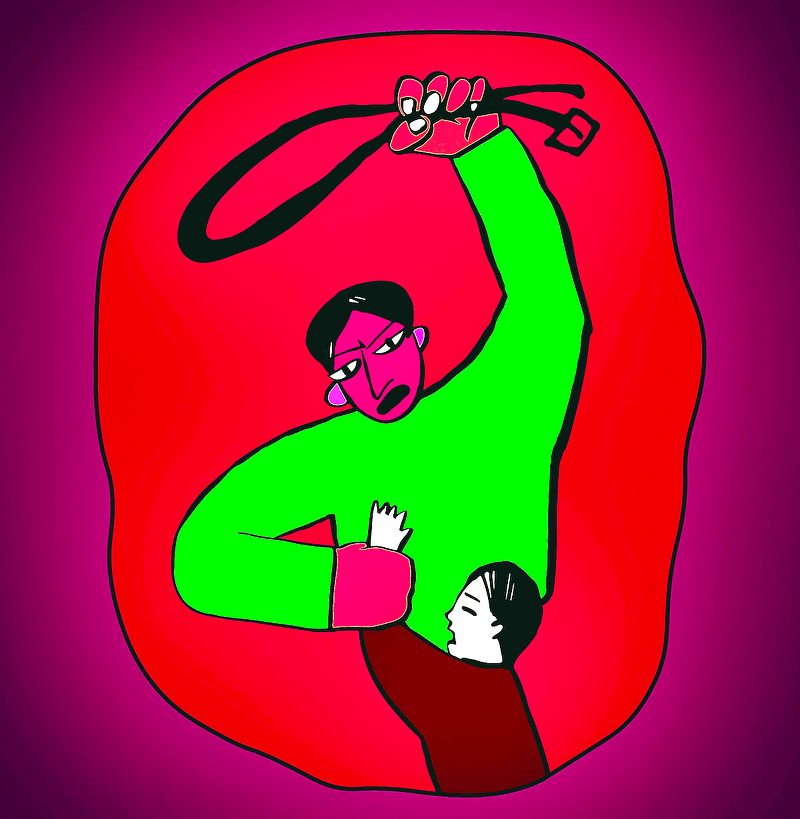
The Bible has many teachings on children.
Children are the representatives of the truly divine state. As Jesus says in Mark 10:15: “Truly I tell you, anyone who will not receive the kingdom of God like a little child will never enter it.”
If God had wanted to make sure that children were spanked, Jesus had somehow forgotten to mention it. He does send out warnings against the abuse of children. But he never calls for corporal punishment.
So is it really true that spanking is taught and authorized in a single Bible verse? Maybe there’s a little more to the story.
The context of the verse is not exactly a general child-raising manual.
The specific context is raising a king to rulership of Biblical Israel. This was seen as a divine office and a special communication with God.
Among many Proverbs on this subject, there isn’t a prompt toward violence or toward thinking of a violent engagement with other people as most instructive. “The parents’ wrath and corporal punishment are not among the pains threatened,” as Michael V. Fox notes of earlier Proverbs.
Violence, in fact, is repeatedly downplayed, as in Proverbs 17:10: “A rebuke impresses a discerning person more than a hundred lashes a fool.”
Wisdom doesn’t seem to hit anybody.
Then one might notice all the “rods” in the Bible.
Since at least Genesis 38, when Judah carries one, rulers carry a ‘rod’ or ‘staff’ as a sign of their authority. In Number 21:18, we see “the nobles with scepters and staffs…”
It’s not just humans. Angels also carry a “rod” or “staff,” in Judges 6:21.
The rods are typically magical. The Exodus story is really the story of Moses and his rod. He uses it to part the Red Sea.
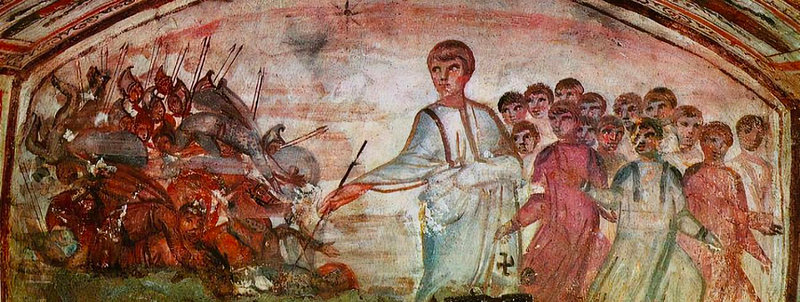
The rod is channelling God’s own power.
Its use then proves to be very tricky and Moses gets into trouble along the way. He strikes a rock with the rod rather than speaking to the rock. This proves to be a serious mistake as causes Moses to be unable to enter the Promised Land.
This might seem an obscure difference, but the use of the rod is a very special and conditional task. In the scene with Moses striking the rock without authorization, we seem to find the God of the Bible working to downplay physicality. A verbal engagement is better.
Rods can heal.
In 2 Kings 4, the prophet Elisha uses his staff for healing, instructed on raising a boy from the dead: “Lay my staff on the boy’s face.”
And rods can comfort. We see one in Psalm 23:4, when David says to God that “your rod and your staff, they comfort me.”
That is to say, when divine power is presiding, he feels safe.
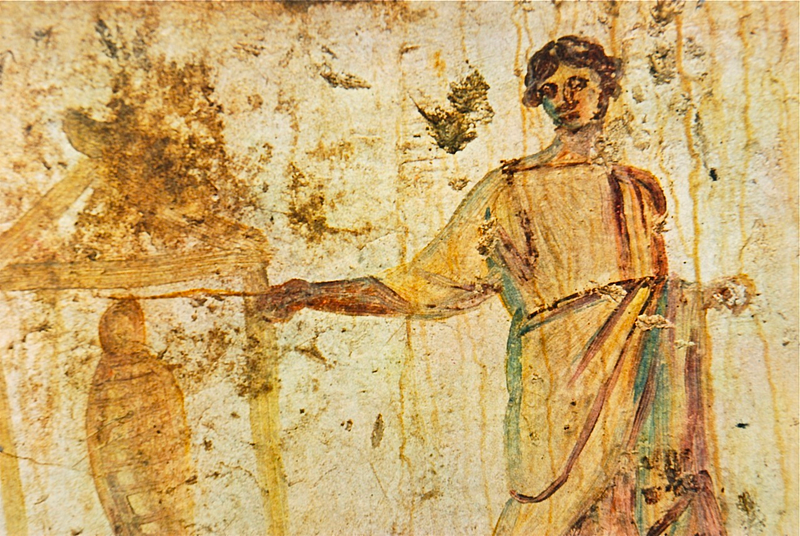
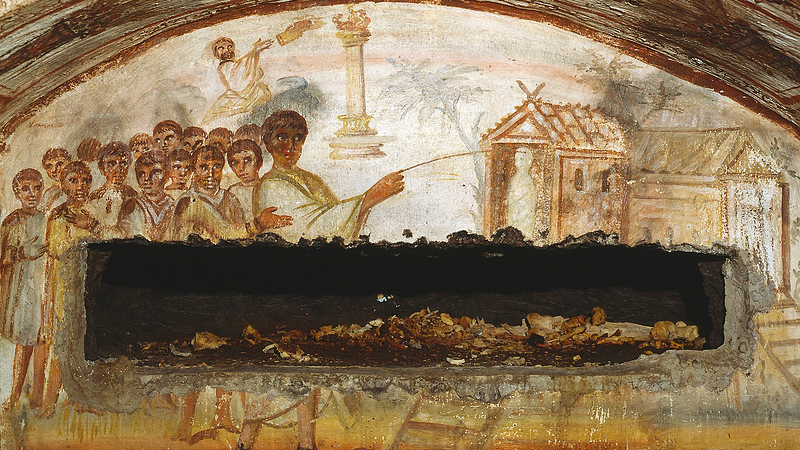
Though not explicitly mentioned in the gospels, Jesus is often depicted with a rod.
Especially in the scene where he raises Lazarus, it seems to have been just assumed or understood that Jesus would be using this tool.
The apostle Paul mentions having a rod.
There it is in 1 Corinthians 4:21, when he is having trouble communicating with a church:
“Shall I come to you with a rod of discipline, or shall I come in love and with a gentle spirit?”
The apostle is not threatening to beat the Corinthians. As scholars note, no readers ever think Paul is going to be using the rod for corporal punishment. But it is the same ‘rod’ as in Proverbs.
Likewise, in the book of Revelation (2:27; 12:5; 19:15, etc.), Jesus holds a staff in opposition to evil forces. He is not moving to strike them physically.
The “rod” is seen throughout Christian history.
In Catholicism, it’s known as a Papal ferula. It is not used to hit people. It is seen as a sign of clerical authority. Somehow the power of God is indicated by this object.
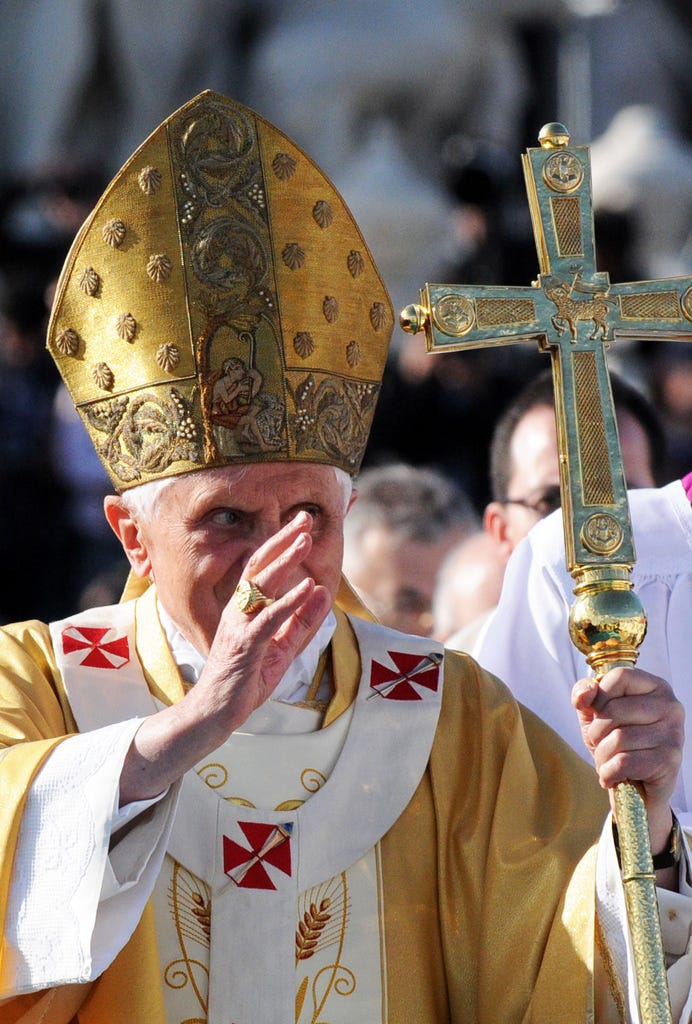
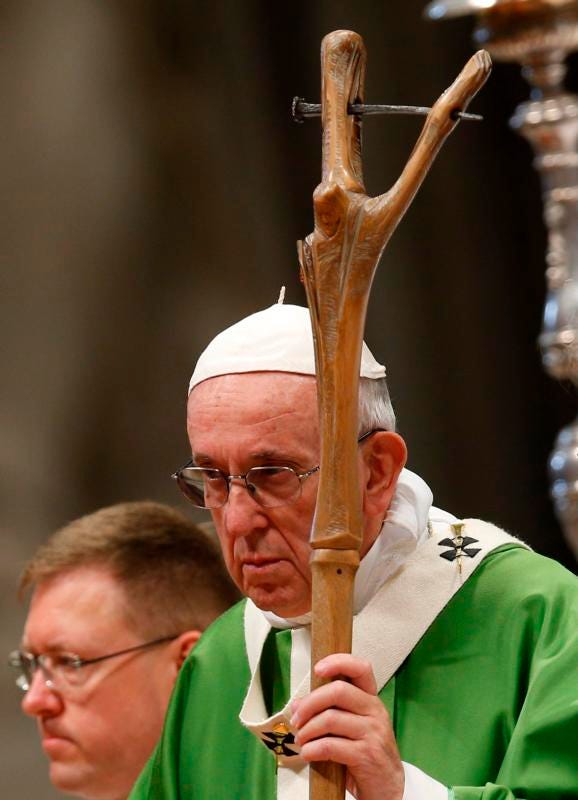
But a rod indicating divine wisdom is used by many other communities.
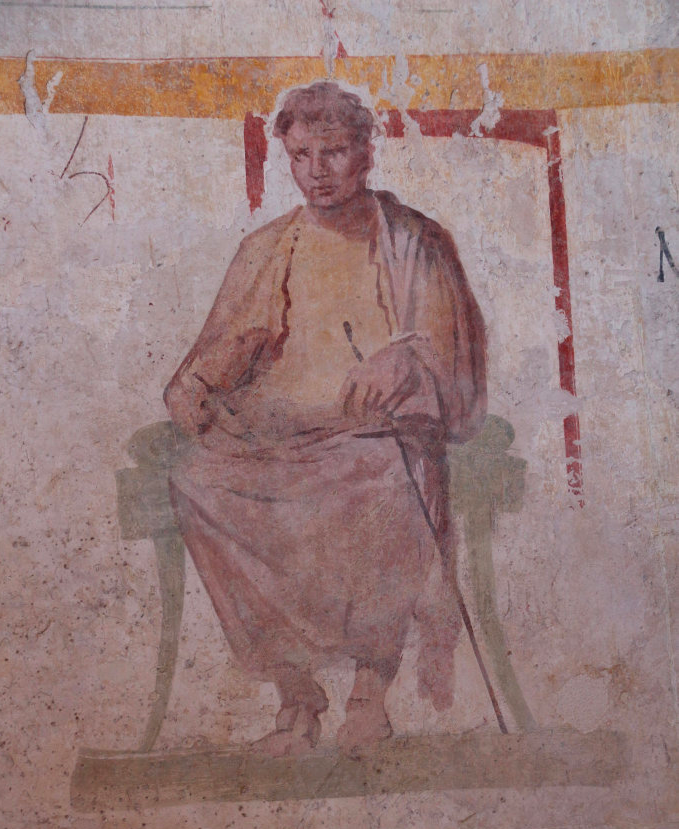
Ancient Greek philosophers also carried rods to indicate their status as teachers. In context, this might be seen as people who knew the mysteries of the gods.
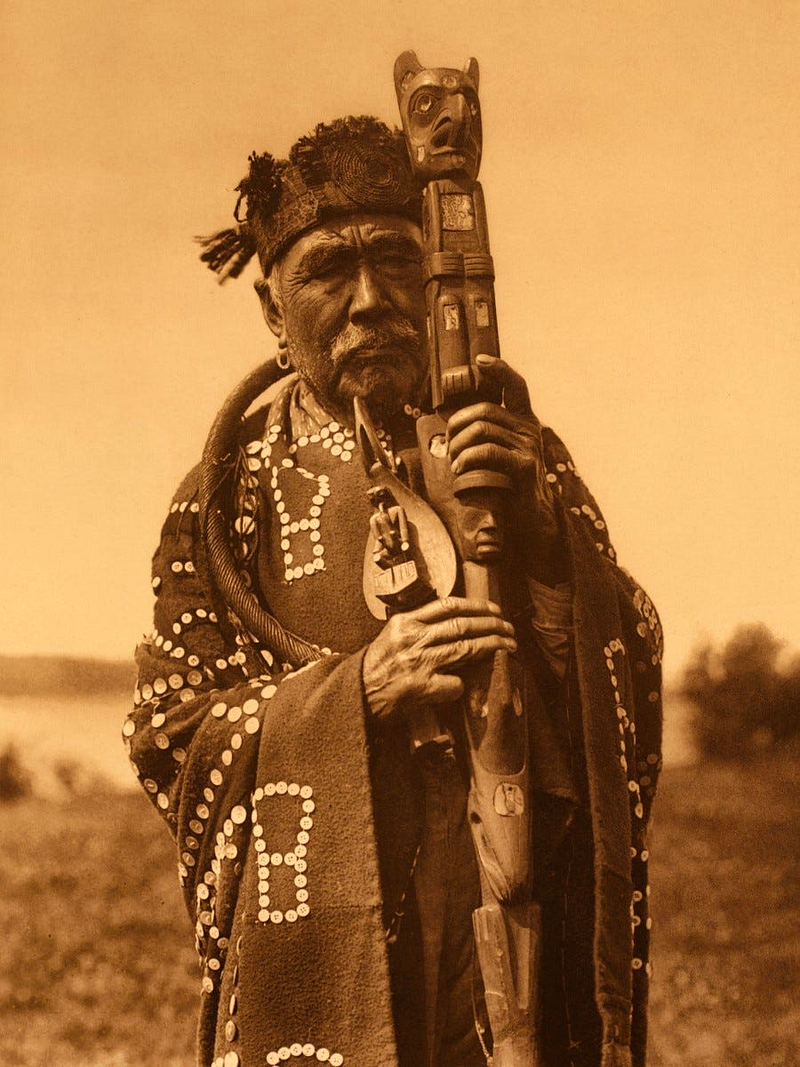
A Native American “talking stick” might also be worth noting.
The talking stuck is passed around at tribal meetings and gives the holder permission to speak.
But it is not just that, however. As a scholar notes, the stick is seen to be “imbued with spiritual qualities that called up the spirit of their ancestors to guide them in making good decisions.”
What was Proverbs 13:24 trying to encourage?
In context, the rod in this verse is not being cited as a blunt force obejct. The application of the rod would be done to expose the prince to divine power and kingly authority.
He must learn God’s ways in the proper management of the kingdom, which is not founded on the value of physical attack.
God’s domain is not ruled by violence.
Rather, as in anyone’s effort to read the Bible, the pointer is toward a primarily verbal engagement with God and with fellow humans. The objective is to learn wisdom. 🔶


