ssage asking students to post an emoji in their virtual classroom to let me know if they had found it. It was so exciting as the smiley faces started to trickle in — escalating to a flood of animated GIFs.</p>
<figure id="8f85">
<div>
<div>
<img class="ratio" src="http://placehold.it/16x9">
<iframe class="" src="https://cdn.embedly.com/widgets/media.html?src=https%3A%2F%2Fgiphy.com%2Fembed%2FQ9B24UDmvoD96%2Ftwitter%2Fiframe&display_name=Giphy&url=https%3A%2F%2Fgiphy.com%2Fgifs%2Froleplay-margot-robbie-legend-Q9B24UDmvoD96&image=https%3A%2F%2Fmedia.giphy.com%2Fmedia%2FQ9B24UDmvoD96%2F200.gif&key=a19fcc184b9711e1b4764040d3dc5c07&type=text%2Fhtml&schema=giphy" allowfullscreen="" frameborder="0" height="244" width="435">
</div>
</div>
</figure></iframe></div></div></figure><h2 id="84eb">Set expectations</h2><p id="aa32">I asked the tutors in the course to post in their channels the day prior to class letting students know how it would run and what they needed to prepare. Short videos would work well for this too. Similarly, they wrote a summary at the end of each class reminding students of any preparation needed for the next week and they emailed any students who had not attended to ask if they were okay.</p><h2 id="7aef">Facilitate connections quickly</h2><p id="1297">Each tutor was asked to “check-in” at the start of each class and ensure each student contributed within the first ten minutes of the class. <a href="https://answergarden.ch/">Answer Garden</a> activities were popular as students arrived in the virtual classroom — prompting students to share their best tips for staying motivated at home or their biggest worry about online learning. This helped tutors gauge how the group was managing and stimulated conversation.</p><p id="f820">Tutors asked each student a question to check their microphone and camera function. This allowed students to communicate any issues early, such as if they could only type in the chat as they needed to be quiet (eg. if someone in their household was sitting an online exam). With the commonality of isolation, questions about the pros and cons of the ‘new normal’ worked well here.</p><h2 id="6f8e">Make learning fun</h2><p id="5d42">My students were fortunate as they had spent a few weeks connecting in face to face classes before we moved online. But, it was important to re-establish this same sense of community —and to acknowledge the situation we all found ourselves in was not normal. Students had not signed up for an online course. We were living very different days under COVID-19 restrictions and this brought feelings of uncertainty and anxiety.</p><p id="7ff3">Classes were different. Our virtual classrooms lacked the formality of the la
Options
boratory, its health and safety protocols, and personal protective equipment. While classes were designed to be as interactive as possible, they lacked the informal opportunities to interact and socialise of a physical classroom. To bring in these elements, some tutors donned costumes, others shared their work from home setup or introduced their pets. This was different to normal, but appropriate for the time and place we suddenly found ourselves in.</p><figure id="1ce5"><img src="https://cdn-images-1.readmedium.com/v2/resize:fit:800/1*gxlie8X9lqoxXmfMqf1KnA.jpeg"><figcaption>Photo by <a href="https://unsplash.com/@acreativegangster?utm_source=unsplash&utm_medium=referral&utm_content=creditCopyText">Allie</a> on <a href="https://unsplash.com/?utm_source=unsplash&utm_medium=referral&utm_content=creditCopyText">Unsplash</a></figcaption></figure><h2 id="3684">Measuring success</h2><p id="109b">Attendance for each class was typically close to 100% and, surprisingly, many online activities classes extended to the full three hours timetabled for the ‘laboratory classes’. Numerous students emailed me they appreciated my efforts to transition online. For some activities, such as when students isolated DNA using ingredients found at home, household members joined in. And the messages typed across channels from the final classes are filled with students expressing gratitude to their tutors. I have not yet received formal student evaluations, but I think these are excellent measures of success.</p><h2 id="847d">Similar stories by this author:</h2><div id="5aca" class="link-block">
<a href="https://readmedium.com/can-science-be-taught-online-143603efbd83">
<div>
<div>
<h2>Can Science Be Taught Online?</h2>
<div><h3>Ideas for learning and teaching biology without a laboratory</h3></div>
<div><p>medium.com</p></div>
</div>
<div>
<div style="background-image: url(https://miro.readmedium.com/v2/resize:fit:320/1*lGvA_5Uyqh06ROZH86ZQTg.jpeg)"></div>
</div>
</div>
</a>
</div><div id="9f74" class="link-block">
<a href="https://readmedium.com/a-screen-just-three-steps-the-easiest-way-to-record-a-presentation-48946f56f67e">
<div>
<div>
<h2>The Easiest Way to Record a Presentation</h2>
<div><h3>3 steps to recording your presentation for online delivery</h3></div>
<div><p>medium.com</p></div>
</div>
<div>
<div style="background-image: url(https://miro.readmedium.com/v2/resize:fit:320/1*w6OdA6zpxujAdGllRgcZvw.jpeg)"></div>
</div>
</div>
</a>
</div></article></body>
Building a Student Community Online
Lessons from a rapid transition to online teaching
I was mid way through teaching a ten week term when COVID-19 restrictions ended face to face teaching and classes moved online.
Some changes were easy. I was familiar with recording lectures. Transitioning a mid-term test and final exam required minimal set up as I previously developed a large online question bank. In class presentations were adapted to video submissions, and I enjoyed developing alternatives to laboratory classes.
I chose synchronous delivery for the activities that replaced science laboratory classes. Students in the course were predominantly in the first term of their first year at university. As they recently transitioned from a high school environment, I felt the move to self-directed online study would be too challenging. A number of students requested synchronous delivery for social interaction and motivation. Facilitating contact was also important as the course included a group assignment.
A day after face to face teaching stopped, the course had forty virtual classrooms (channels) set up in Microsoft Teams for the 650+ enrolled students.
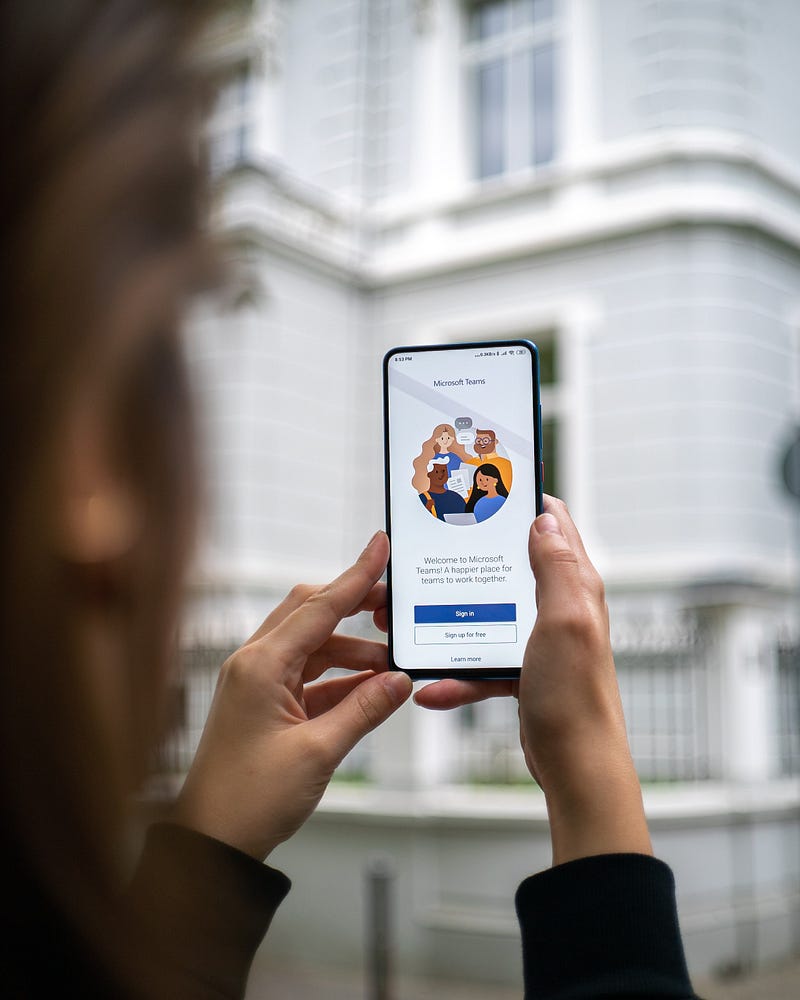
An automated email notified each student of their online classroom, and I posted an announcement on the course learning management system. But would the students find their classes? And would the sense of community developed transfer online?
Make engagement easy
As the Monday of the first class approached I became increasingly concerned students would not ‘show up’ for their online classes. Tentatively, I wrote a message asking students to post an emoji in their virtual classroom to let me know if they had found it. It was so exciting as the smiley faces started to trickle in — escalating to a flood of animated GIFs.
Set expectations
I asked the tutors in the course to post in their channels the day prior to class letting students know how it would run and what they needed to prepare. Short videos would work well for this too. Similarly, they wrote a summary at the end of each class reminding students of any preparation needed for the next week and they emailed any students who had not attended to ask if they were okay.
Facilitate connections quickly
Each tutor was asked to “check-in” at the start of each class and ensure each student contributed within the first ten minutes of the class. Answer Garden activities were popular as students arrived in the virtual classroom — prompting students to share their best tips for staying motivated at home or their biggest worry about online learning. This helped tutors gauge how the group was managing and stimulated conversation.
Tutors asked each student a question to check their microphone and camera function. This allowed students to communicate any issues early, such as if they could only type in the chat as they needed to be quiet (eg. if someone in their household was sitting an online exam). With the commonality of isolation, questions about the pros and cons of the ‘new normal’ worked well here.
Make learning fun
My students were fortunate as they had spent a few weeks connecting in face to face classes before we moved online. But, it was important to re-establish this same sense of community —and to acknowledge the situation we all found ourselves in was not normal. Students had not signed up for an online course. We were living very different days under COVID-19 restrictions and this brought feelings of uncertainty and anxiety.
Classes were different. Our virtual classrooms lacked the formality of the laboratory, its health and safety protocols, and personal protective equipment. While classes were designed to be as interactive as possible, they lacked the informal opportunities to interact and socialise of a physical classroom. To bring in these elements, some tutors donned costumes, others shared their work from home setup or introduced their pets. This was different to normal, but appropriate for the time and place we suddenly found ourselves in.

Attendance for each class was typically close to 100% and, surprisingly, many online activities classes extended to the full three hours timetabled for the ‘laboratory classes’. Numerous students emailed me they appreciated my efforts to transition online. For some activities, such as when students isolated DNA using ingredients found at home, household members joined in. And the messages typed across channels from the final classes are filled with students expressing gratitude to their tutors. I have not yet received formal student evaluations, but I think these are excellent measures of success.