
Bruce Willis and My Daughter Have Aphasia
Bruce Willis’ brain disorder shines a light on the suffering of millions
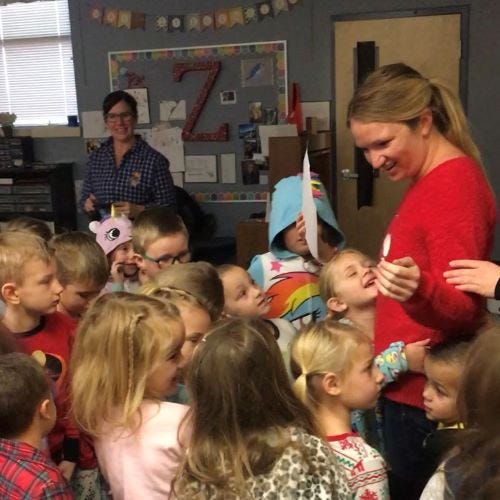
Kari stood in the middle of 32 five-year-old's and commanded attention. As a kindergarten teacher, she lived on a stage as she created excitement for learning. She spoke in complete sentences and moved around the room, addressing several issues at the same time, multitasking essential in any classroom. Children addressed her as Mrs. Zieglmeier, a mouthful for little mouths. When asked why they didn’t just call her Ms. Z, she explained children’s minds contain the ability to learn quickly and refused to water down their education.
The announcement that Bruce Willis prompted a flashback to four years ago. Losing the ability to communicate changes the way a person feels about themselves and how others perceive them. It does not change who they are, their dreams, values, or their personality.
At the age of 33, Kari influenced her world by teaching children in the classroom. After a stroke damaged her brain and left her speechless due to aphasia, she found new ways to play her part in life.
I found myself watching Kari, learning to walk and talk again, just as I had when she was a toddler. And again, hands extended, and breath held, I watched, ready to offer support. The process of re-learning basic skills brought pain because it should not be happening. A stroke had no right to invade our lives; it wasn’t deserved, ask for, or justified; it couldn’t be explained.
Aphasia appears suddenly as with a stroke or in Willis’ case comes on slowly. Either way, the outcome can be devastating. It requires the once normal everyday scenes to be rewritten, roles to be rehearsed again, and lines to be relearned.
After being still and silent, the day Kari sat up in bed provided hope. With a lopsided smile and through hand gestures, she communicated. Sometimes we deciphered the meaning, but to be honest, often we simply nodded and smiled. I imagine this caused increased frustration because she recognized her inability to make her meaning clear.
Days later, Kari spoke the word “phone” and then grabbed it from the bedside table. I feared frustration and a potential meltdown but quickly realized her thought processes remained intact as she used redial to call her husband, Dan.
After an abbreviated conversation about their girls, she blew him a kiss. Though an outsider wouldn’t have understood, they were in sync. Before hanging up, Kari said, “Love you.” It sounded a bit like a scene from Scooby-Doo but the message was clear.
Kari had to relearn her daughter’s names. We created a matching game using pictures of loved ones that when played allowed her to practice identifying faces and attaching names.
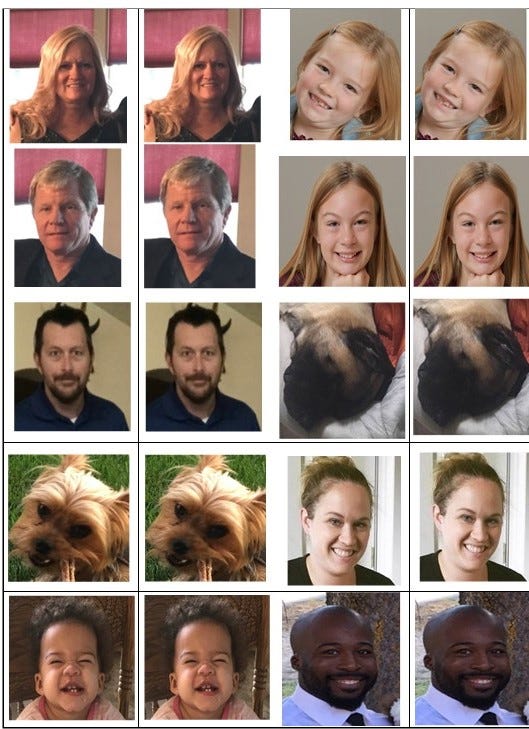
We began creating a chart of speech therapy activities to practice and incorporated the strategies into daily activities.
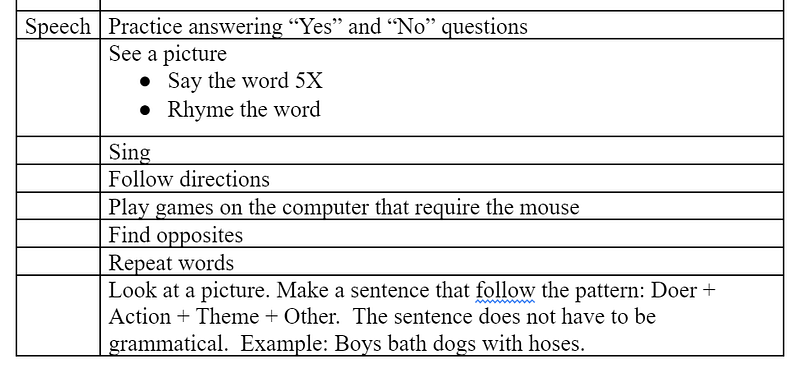
Following four years of rehabilitation, Kari may not be able to speak fluently, but she communicates. Increased process time is required for understanding, for her and others. Though Kari may not be able to speak fluently, she remains cognitively sound.
Words become unnecessary when we talk Heart to Heart. This video explain aphasia in a manner that touches the emotions. Because millions suffer with aphasia, it is important that society gains understanding. Heart to Heart shares life with aphasia. Please take a moment to watch it to understand.
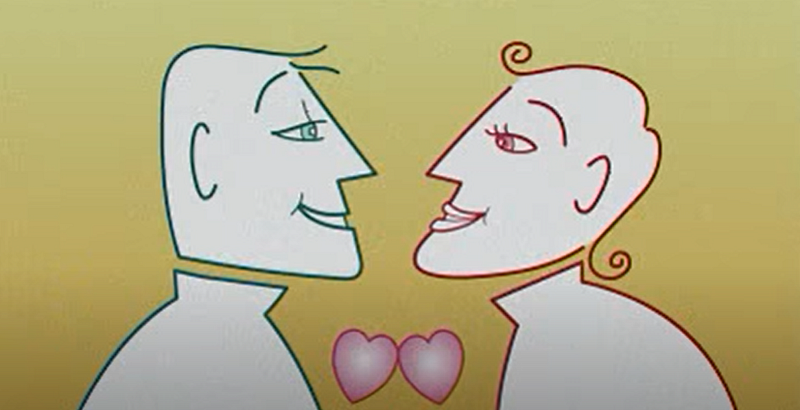
Music by Marc Black. Lyrics by Candy Kugel & Marc Black. This recording is from It’s Still Me!”, a 17-minute guide for people with aphasia and their loved ones, by Buzzco Associates, NYC. This animated video explains what aphasia is, some basic brain function, how it feels to have aphasia, and demonstrates some ways to communicate without words. It acknowledges that the loss of words is devastating, both for those who have aphasia and for the people around them. More importantly, it also holds out hope for a rich and fulfilling future.
At first, Kari didn’t want to talk. I suppose she resisted because it took time, caused frustration, and led to misunderstandings. For a while, she played the part of a minor character with few speaking parts until she rehearsed her new role and learned the stage cues. Because of the support from professionals, understanding of loved ones and hard work, she commands the stage and deserves a Oscar.
Kari lives life to the fullest. She cannot return to work as a kindergarten teacher full time, but does volunteer three days a week. When she started working with the students, she created a PowerPoint presentation to share with the children, explaining why she has difficulty talking, walking and limited use of her right hand. She loves working with small groups and already is referring to a couple if the kids as “my boys”. Their love and support is reciprocal.
Events drains her energy and thus require afternoon naps daily, but then she begins again revived and ready to greet her own children when they get home from school. Aphasia does not end life; it simply rewrites the script.
This week news of Bruce Willis struggling with aphasia awakened an interest in this affliction. Those who have suffered a stroke, or know someone who slowly developing aphasia, already understand the communication difficulties. However, when a celebrity is effected, people listen. Too often it is assumed speech difficulties are a sign of cognitive ability — an untrue assumption. Let’s use this time to learn and understand.
Learn more about aphasia and follow Kari’s journey, read these articles.