
Bringing the Past to Life in the Town of My Grandfather’s Birth
A family visit to Guardiagrele strengthened connections with the people, culture and food that have shaped us
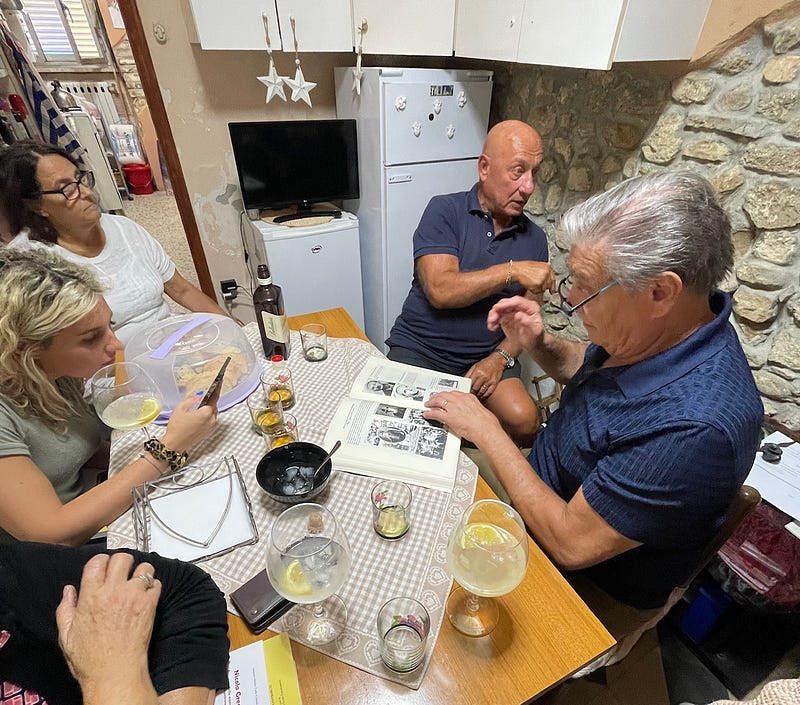
Tumblers of scotch and goblets of limoncello spritzes lined the dining room table.
My family and I were more than four thousand miles from home, crammed into the tiny dining room of a couple we had met moments earlier.
Multiple conversations criss-crossed the table.
To add to the confusion, our second-cousin from Chicago joined us via FaceTime.
At one point, my mom, my aunt, my cousin and I looked at one another, and one of us said, “This trip is even better than we could have imagined.”
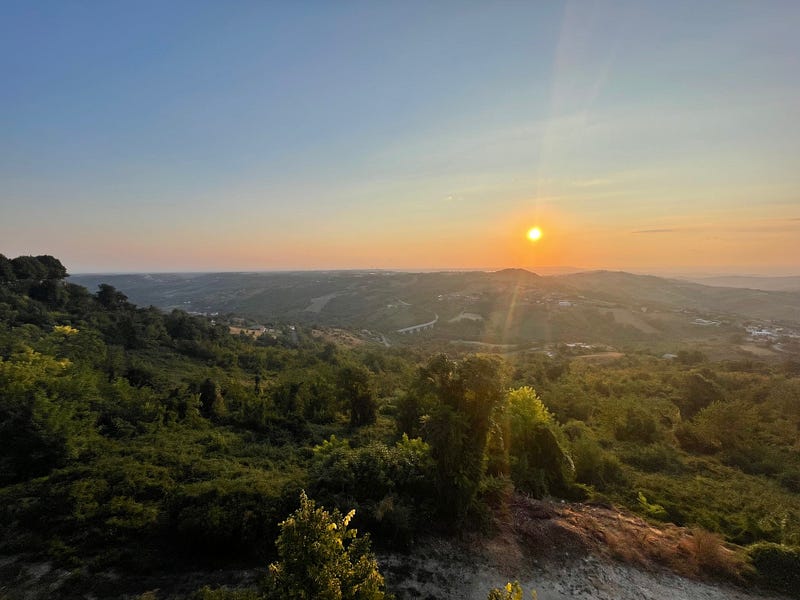
We were sitting across the street from the house where my grandfather was born nearly a century ago, in the hilltop town of Guardiagrele, overlooking the Adriatic Sea.
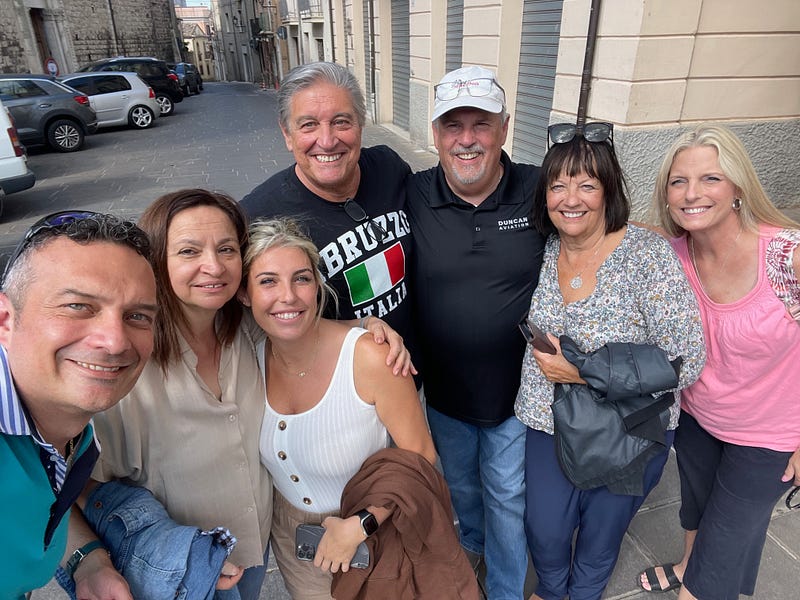
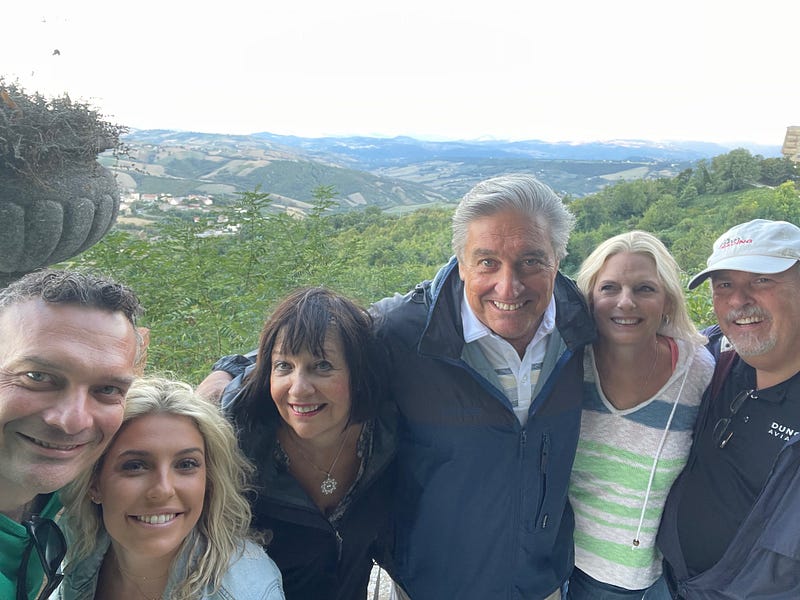
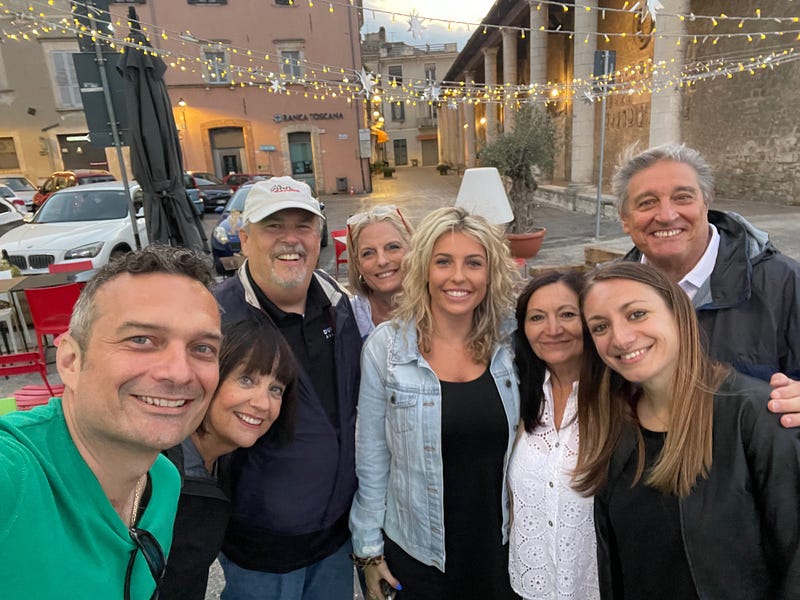
At the table were my parents, my Uncle Nick and Aunt Linda, my cousin Anna — all of whom had made the trip from the United States — as well as our second-cousin Giovanna and our gracious hosts and new friends, Fiori and Claudette.
Though my parents and I had been to Guardiagrele before, on separate trips, this was my Uncle Nick’s first visit to Italy since 1971, when he had to cut short a family trip and fly home to Chicago to tend to the family’s restaurant.
He was 17 then and had always regretted not seeing where his father was born.
Now, on the eve of a milestone birthday, my cousin Anna had taken him and my aunt Linda on a two-week trip to Italy, including two nights here in Guardiagrele.
My parents and I joined them, and we spent two days reconnecting with each other and exploring this town with our second-cousins.
One of the most important stops was the house where my grandfather was born.
Our cousin Giovanna had grown up in the same house, and as we stood in front of it, she shared stories of her siblings playing ball in the streets, and of her sister sitting upstairs and reading on the terrace.
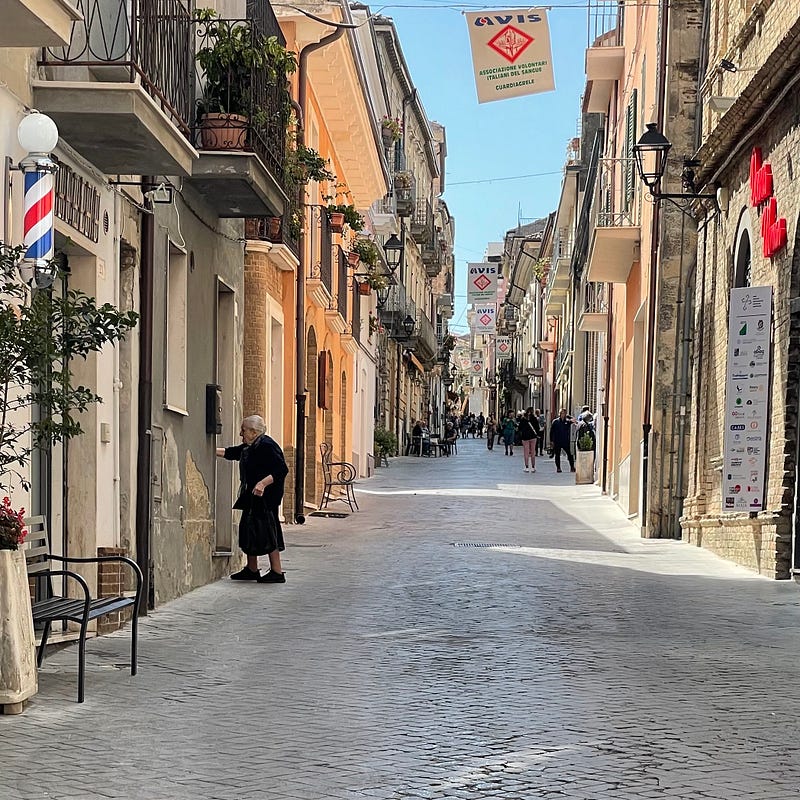
Looking at the homes on this quiet, narrow street, we noticed — and admired — two heavy round plaques with the seal of Guardiagrele.
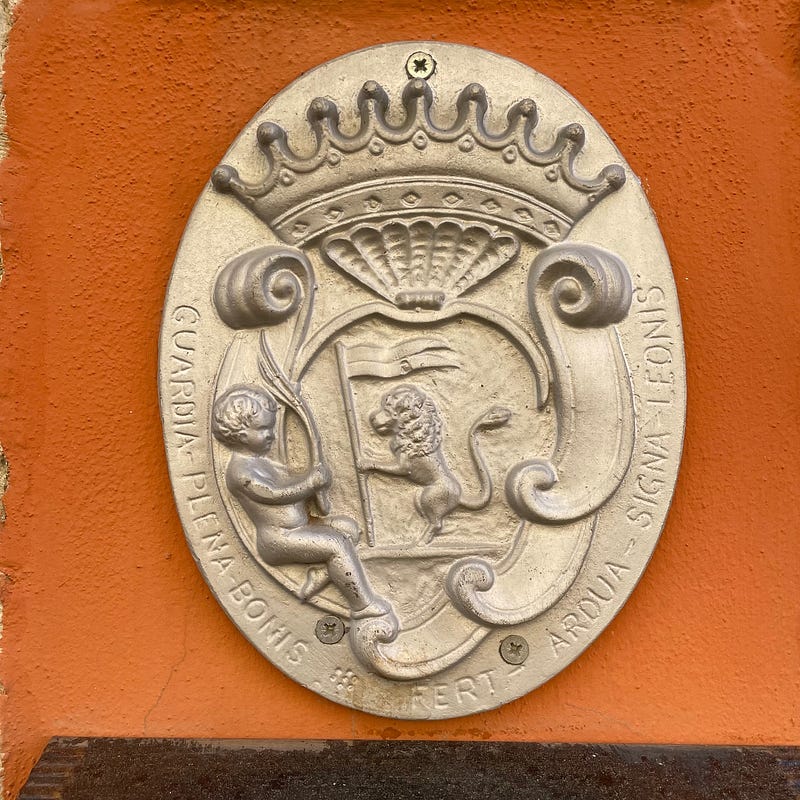
We wanted a plaque of our own to bring home, but no one could tell us where we could buy them. Until Fiori and Cluadette walked up to the house, speaking English with an Austrialian accent.
The house with the plaque was Fiori’s childhood home, and he remembered Giovanna and her siblings, as they all grew up together on this block. He and his wife now spend half their time here in Guardiagrele, and half their time in Melbourne. We asked him about the plaque.
It was not something that could be purchased, he said, but he had a better idea. He went inside, and came out with a plaque and gave it to my uncle as a gift.
Fiori and Claudette then welcomed us into their home for drinks, packing nine of us into a tiny room and pouring the scotches and limoncello spritzes that we would enjoy over the next hour or so of conversation.
My grandfather may have left this town at 6 years of age, but we nonetheless found the history of our family to be very much alive here.
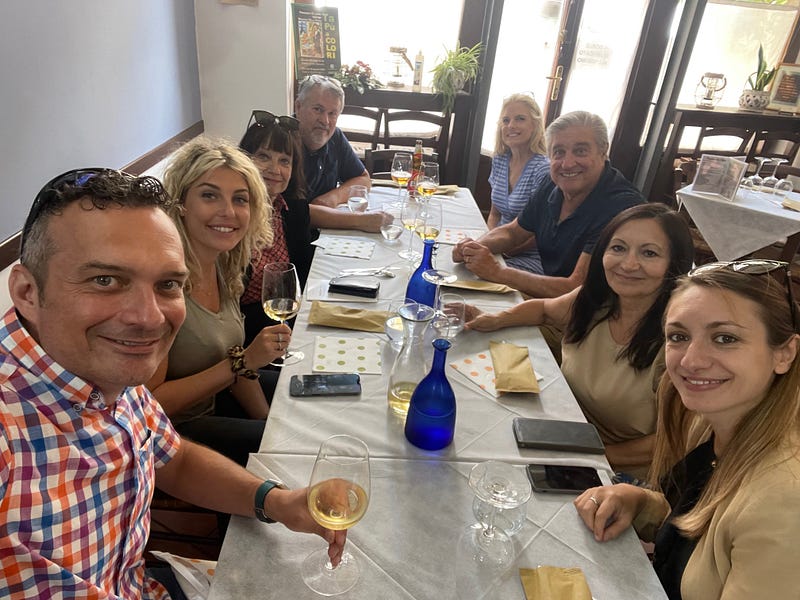
We spent most of our time in Guardiagrele walking the town and enjoying meals with our cousins Giovanna and Maria, and Giovanna’s daughter Jessica. They come from a large family that immigrated to the United States more than 50 years ago. They grew up in Chicago, not far from my mom and uncle, but when their parents moved back to Italy in retirement, Giovanna and Maria returned as well.
It was great to reconnect with them, and we vowed it would not be decades before we returned.
The family name that bonds us all together is Di Crescenzo, an obscure name in the United States that most Americans struggle to spell and pronounce.
But not here.
Walking through the cemetery, I had never seen so many Di Crescenzos in my life.
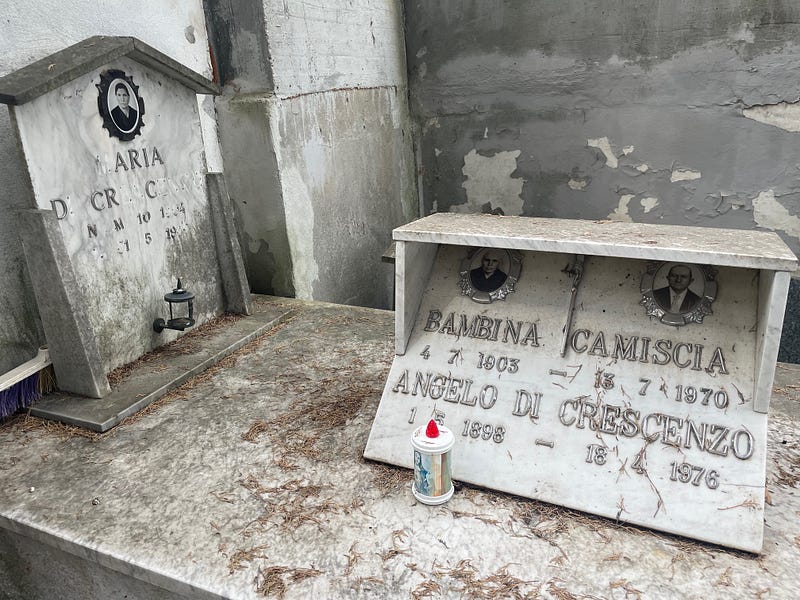
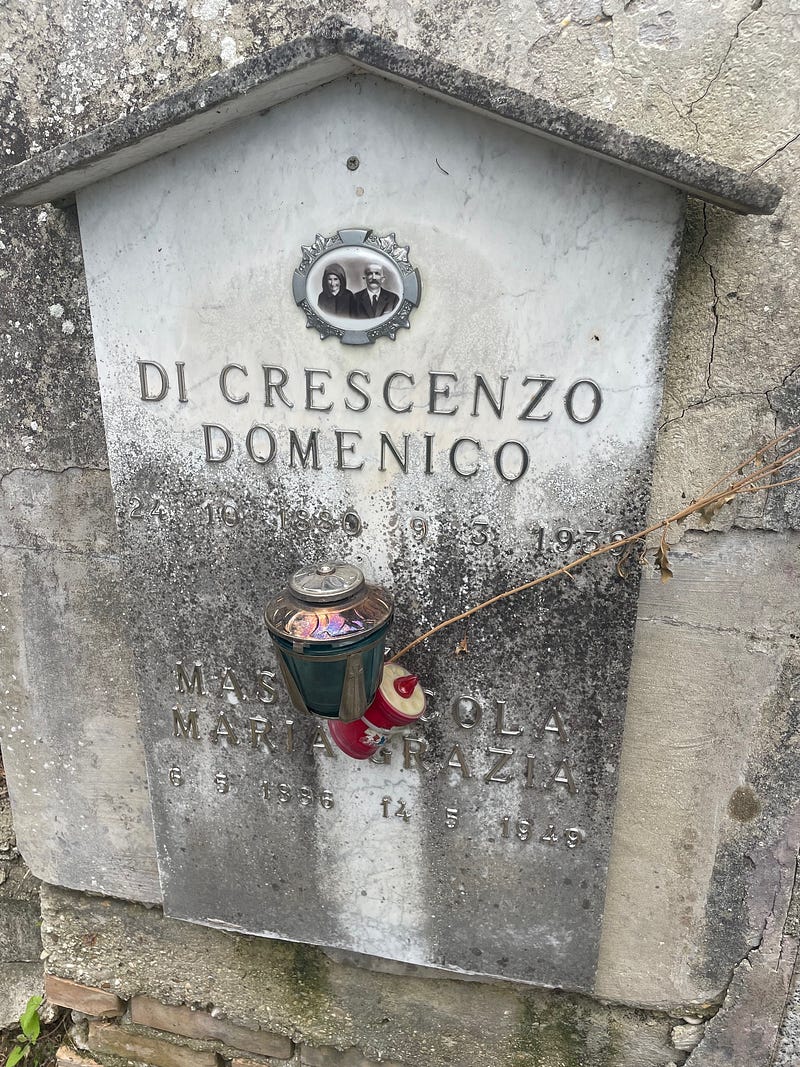
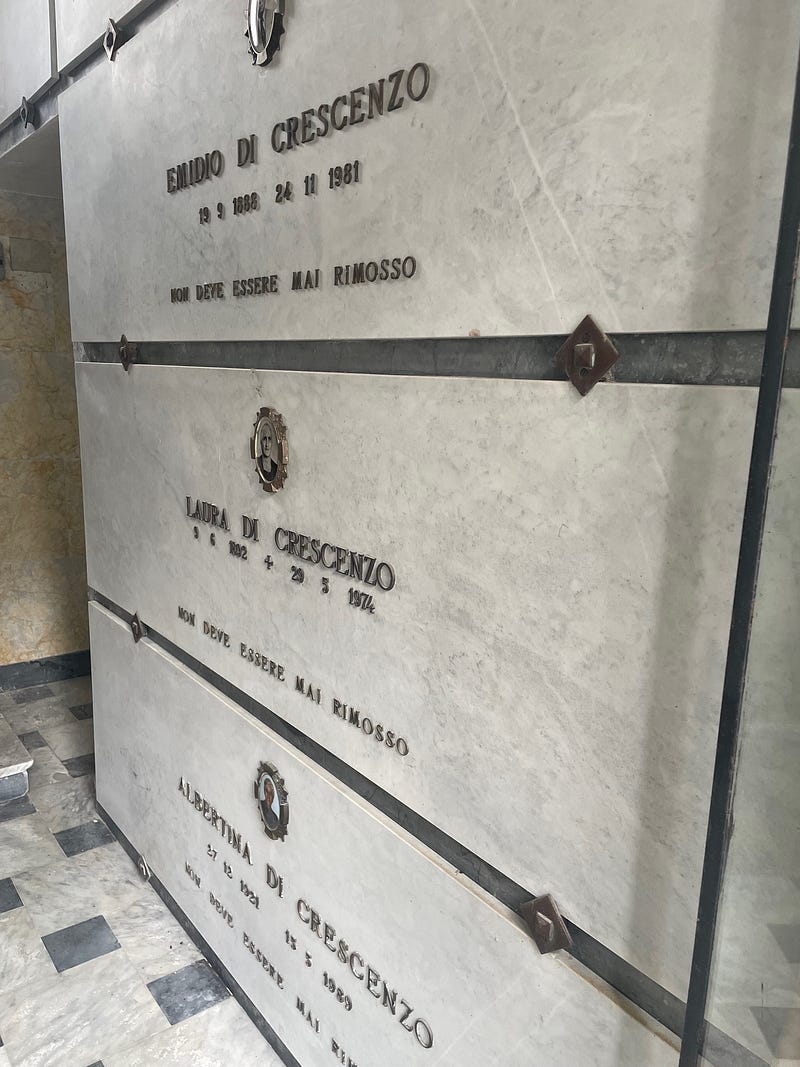
When I struck up conversations with locals and told them my family were Di Crescenzos, they would say “Ok but who? Which Di Crescenzos?”
And just as Di Crescenzos are common in Guardigrele, Nicks are common in our family.
So much so that my great-uncle Nick once signed an email “Uncle Nick (not to be confused with your other uncle Nick, or Delilah’s father Nick, or your brother Nick, or my son your second cousin Nick, or your second cousin Theresa’s Nick, or my grandson Nick. See what I mean about names.)”
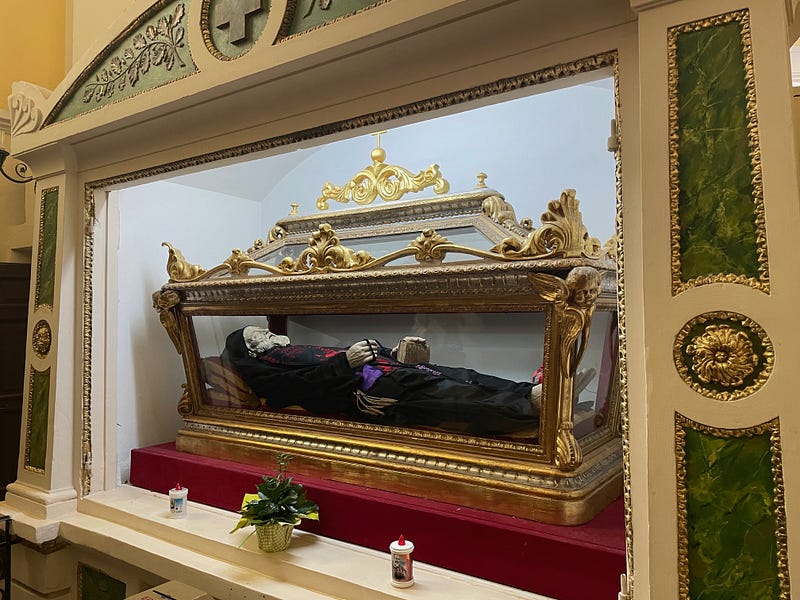
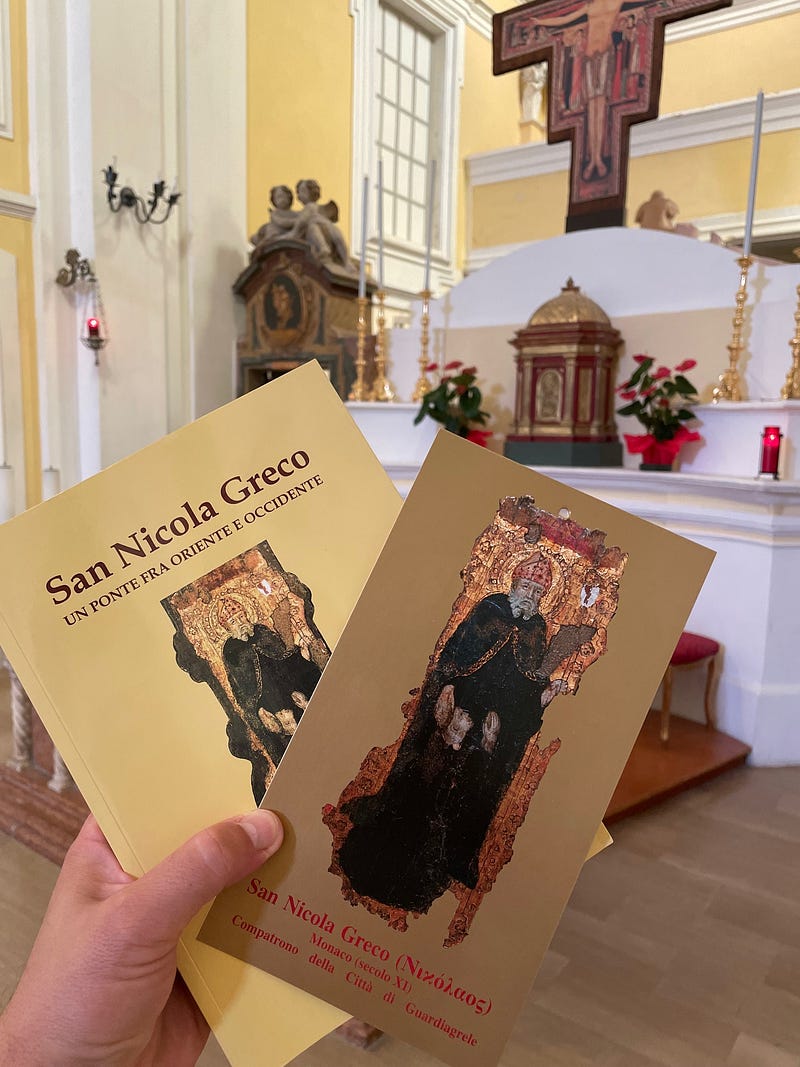
While I always assumed that the Nicks were named for the St. Nicholas who inspired Santa Claus, a local church here offered another possibility: The 13th-century church of San Francesco houses the remains of San Nicola Greco, a 10th-century Eastern Catholic monk who is the co-patron of the town.
This may explain the many, many, many Nicholases in our family.
Finally, no story about Italy would be complete without a description of the food.
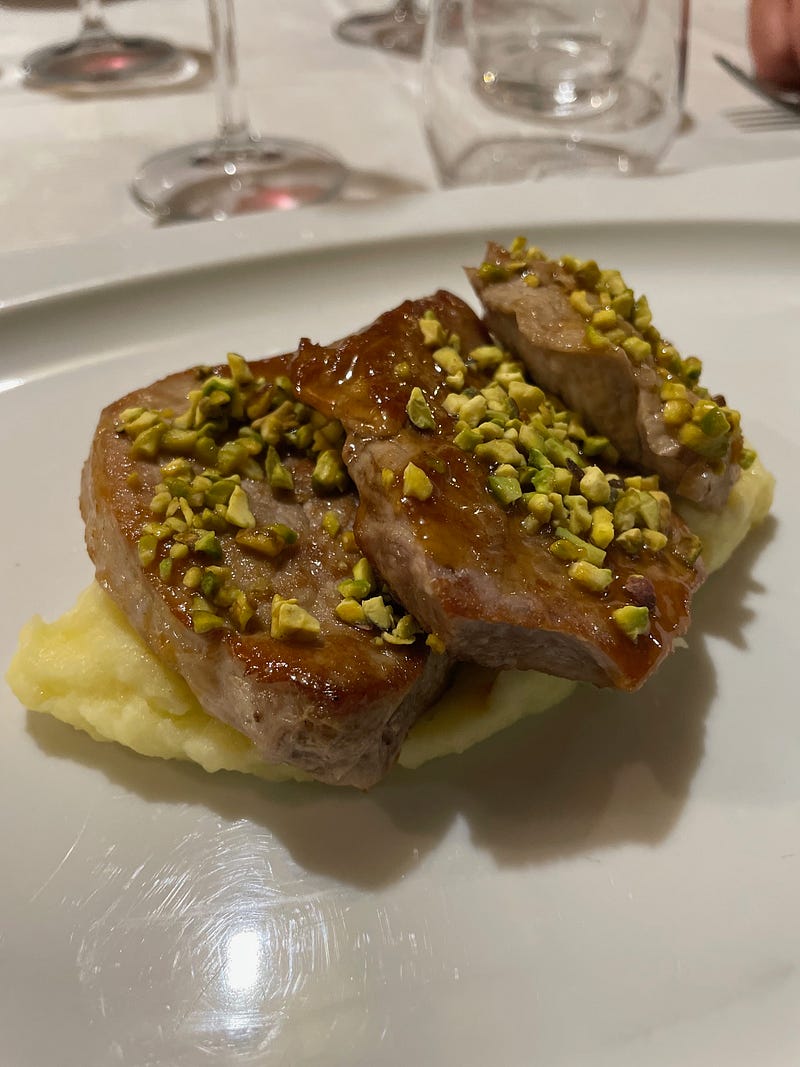
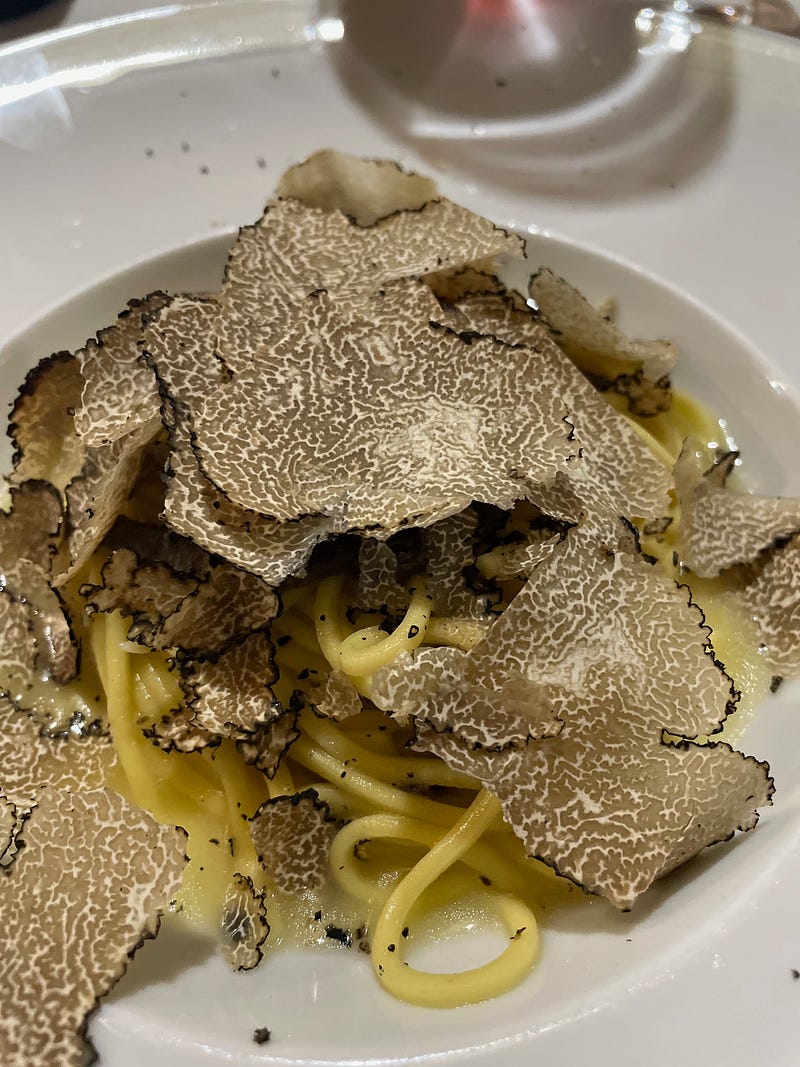
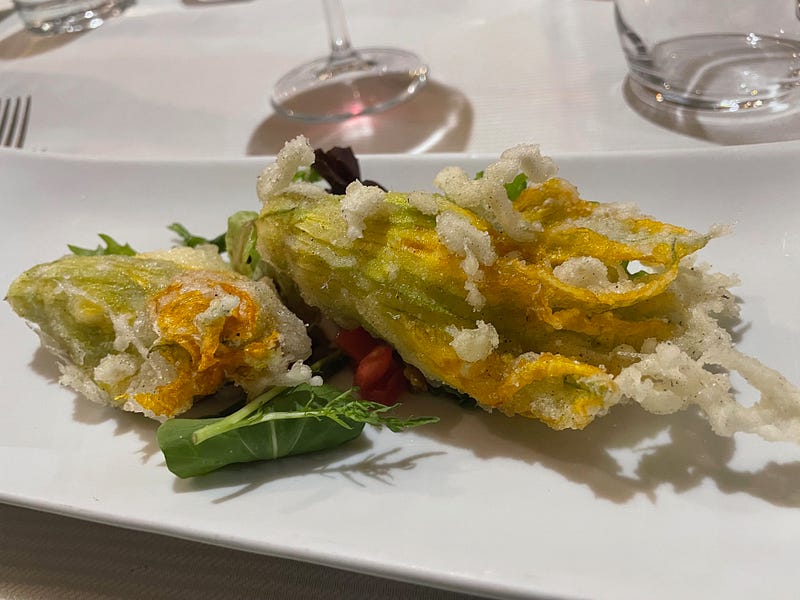
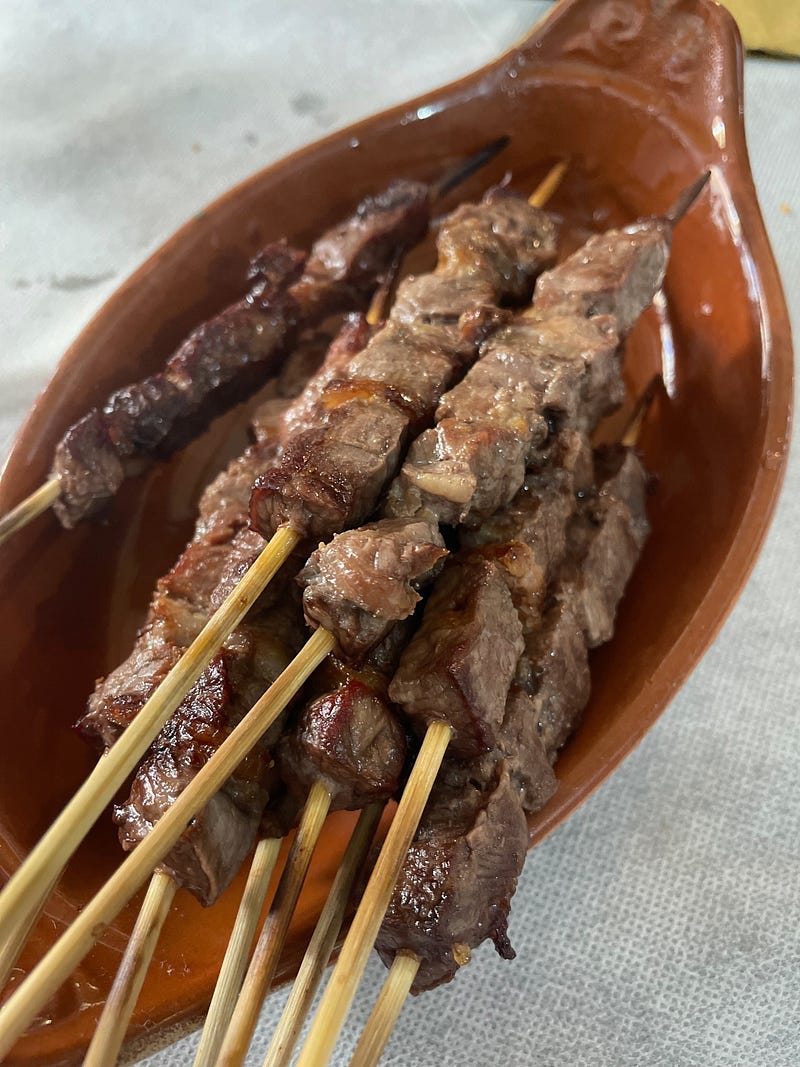
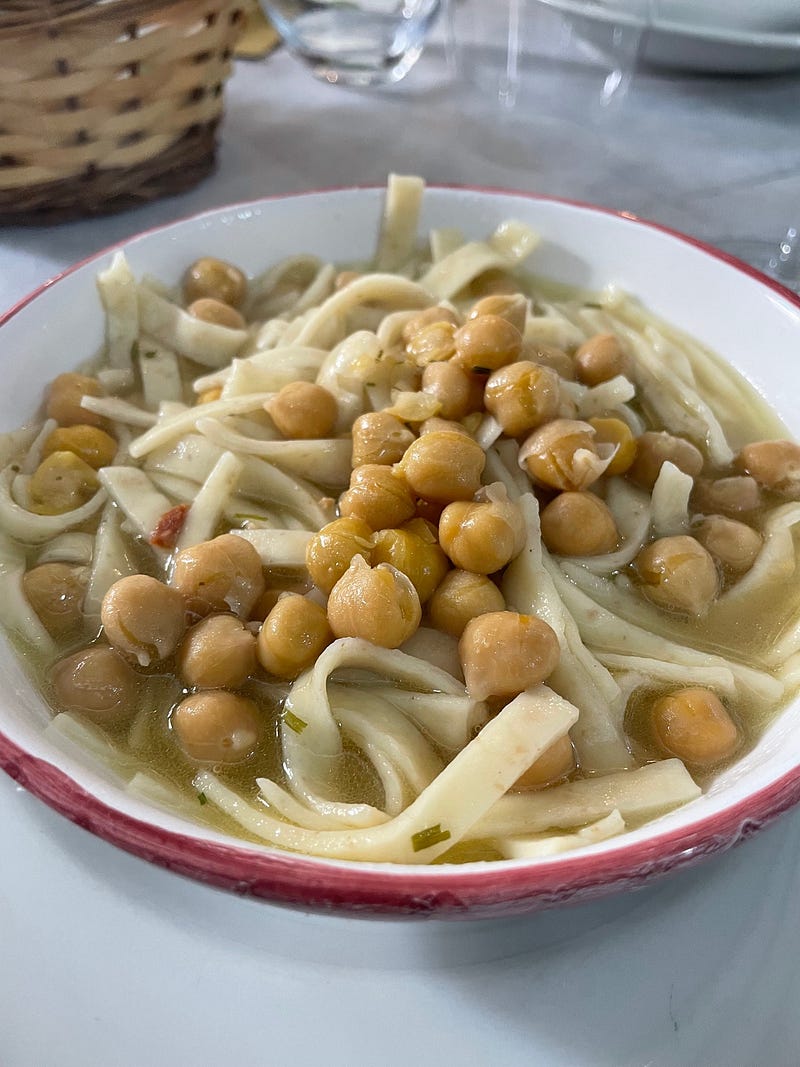
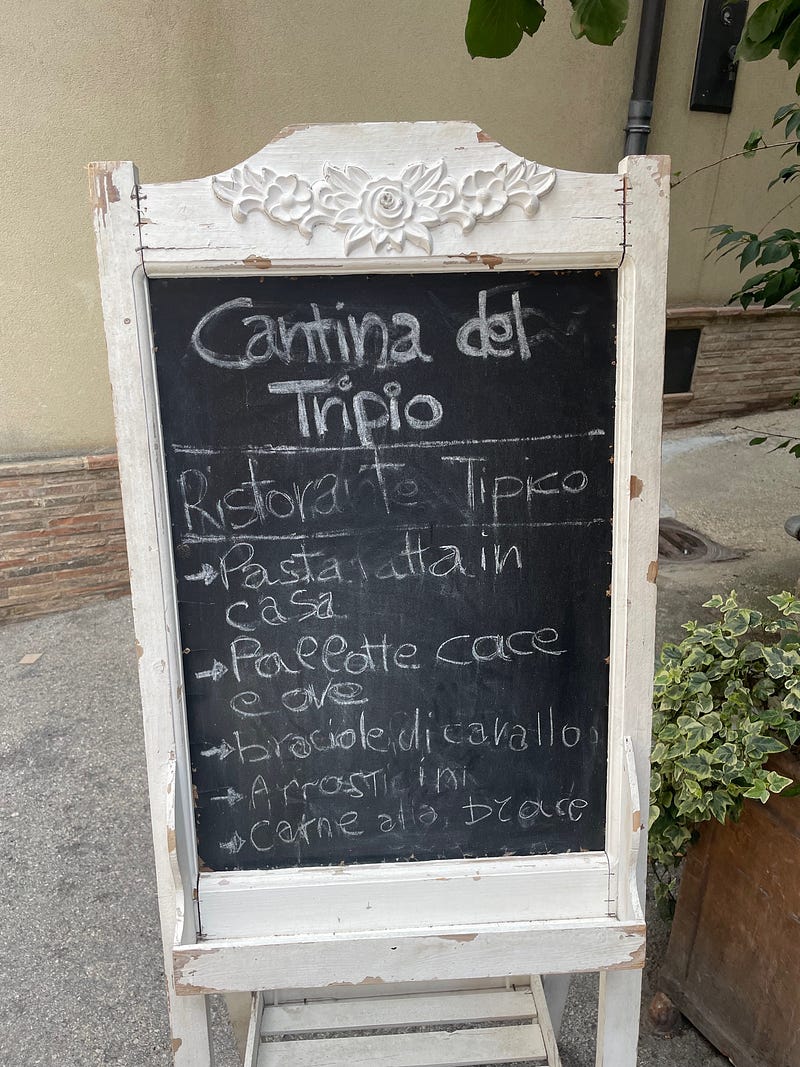
I told my cousins we wanted to eat at local eateries that would give us a flavor of Abruzzese cooking. And we tried it all:
- spaghetti alla chitarra, egg pasta made with a loom that looks like a guitar
- arrosticini, tiny pieces of roasted lamb or sheep skwewered and grilled
- pallotte cacio e ova, egg and cheese shaped like a meatball and fried
- solsicce e zafferano, pasta with tiny diced squash, sausage and saffron
- sagnette con ceci, noodles with chickpeas, cooked in a broth flavored with fried lard
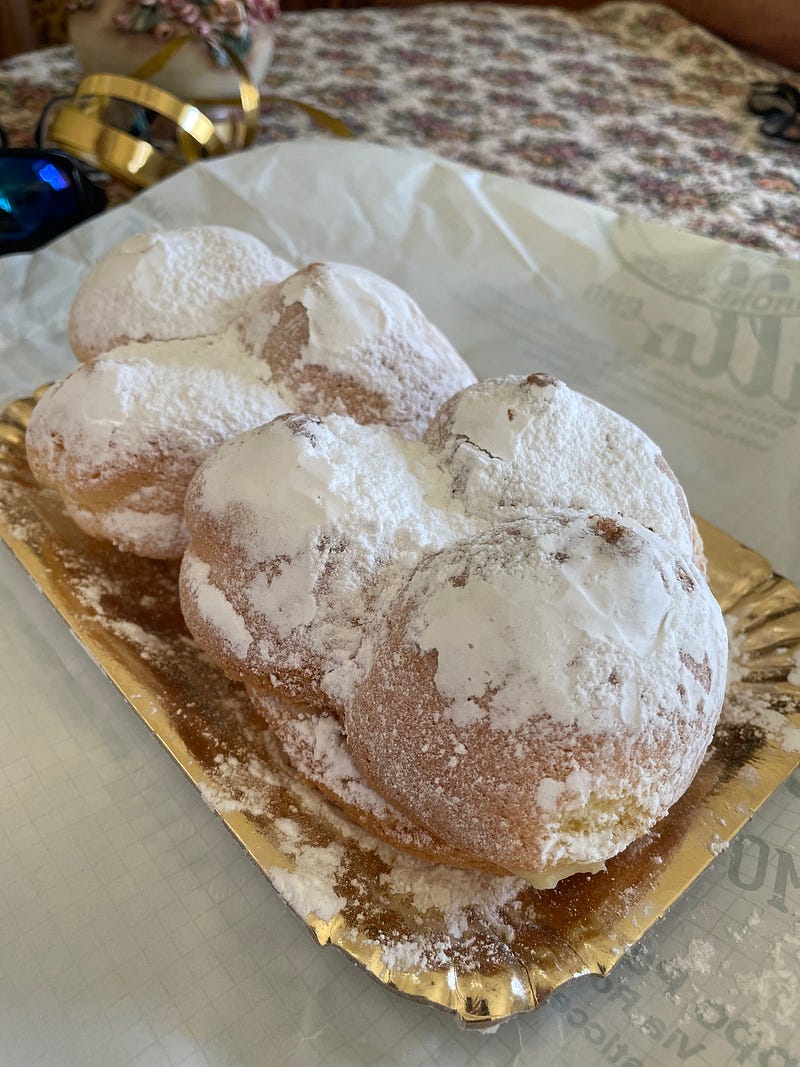
- and for breakfast, Sise delle Monache, a cream-filled pastry that translates as “nun’s breasts” (this is unique to two bakeries in Guardigrele, and multiple stories exist as to the origins of the name).
The simplest dishes were the best.
After two nights there, we went our separate ways: Nick, Linda and Anna to the Amalfi Coast, and my parents and I to Rome with a stop for lunch in Castel Gandolfo. I continued north back to the Alps aboard the Bernina Express, and my parents flew home the next morning.
We carried with us priceless memories of a trip that brought our past to life and strengthened connections with the people, culture and food that have shaped who we are.
For more stories from this September 2023 trip …