
Bringing Extinct Species Back To Life May Soon Stop Being Hypothetical
By using CRISPR technology to edit the genes of related species, scientists may be able to create “de-extinct” organisms that resemble their long-lost predecessors.
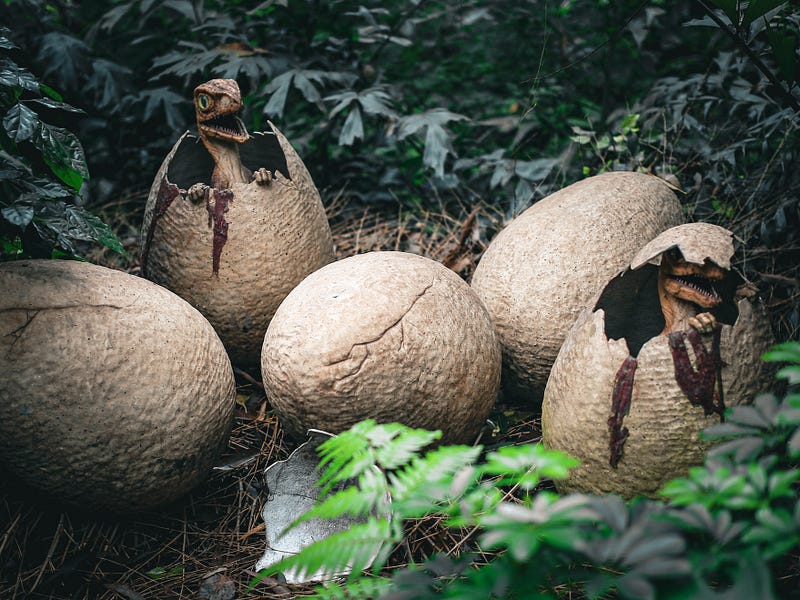
Scientists are currently studying the possibility of resurrecting extinct species, like woolly mammoths? Imagine walking through a park and seeing a herd of these massive, shaggy creatures lumbering around. It would be like Jurassic Park, but with a little less danger and a lot more fur.
The possibility of resurrecting extinct species is a topic that has captured the imagination of many people. In particular, the woolly mammoth has been the subject of intense interest among scientists and the general public alike.
The woolly mammoth was a species of elephant that roamed the Earth during the last ice age, and it is thought to have gone extinct around 4,000 years ago. However, thanks to advancements in genetic engineering, some scientists believe that it may be possible to bring the woolly mammoth back to life.
One approach being explored is called de-extinction. This involves extracting DNA from the remains of extinct animals and using that DNA to recreate the animal’s genome. Once the genome has been reconstructed, it can be inserted into the DNA of a closely related living species, such as the Asian elephant, to create a hybrid embryo. The hybrid embryo could then be carried to term by a surrogate mother.
This is a complex and challenging process, but some researchers believe that it may be possible to resurrect the woolly mammoth using this technique. In fact, a team of scientists has already made some progress in this area, using CRISPR gene-editing technology to insert woolly mammoth genes into elephant cells.
The study was led by Dr. George Church from Harvard University, and the research team was able to successfully insert genes responsible for the mammoth’s shaggy hair, thick layer of insulating fat, and blood adapted to cold temperatures, into the elephant genome.
While the study was a proof-of-concept and there is still a long way to go before a fully functional woolly mammoth can be brought back to life, it is an important step forward in the field of de-extinction research.
There are still many ethical and practical considerations to be taken into account when it comes to de-extinction, and not everyone is on board with the idea. However, the possibility of bringing back long-extinct species is undeniably intriguing, and it raises some fascinating questions about the relationship between humans and the natural world.

Refrences:
The resurrection genome of Boea hygrometrica: A blueprint for survival of dehydration
Massively targeted evaluation of therapeutic CRISPR off-targets in cells
If you enjoyed this article and would like to support me while becoming a medium member and being able to read unlimited medium, Please consider becoming a member via my affiliated link:
More of my stuff you might like:


