
In Response to July Prompt for ‘Life’
Bridging Visa
a poem
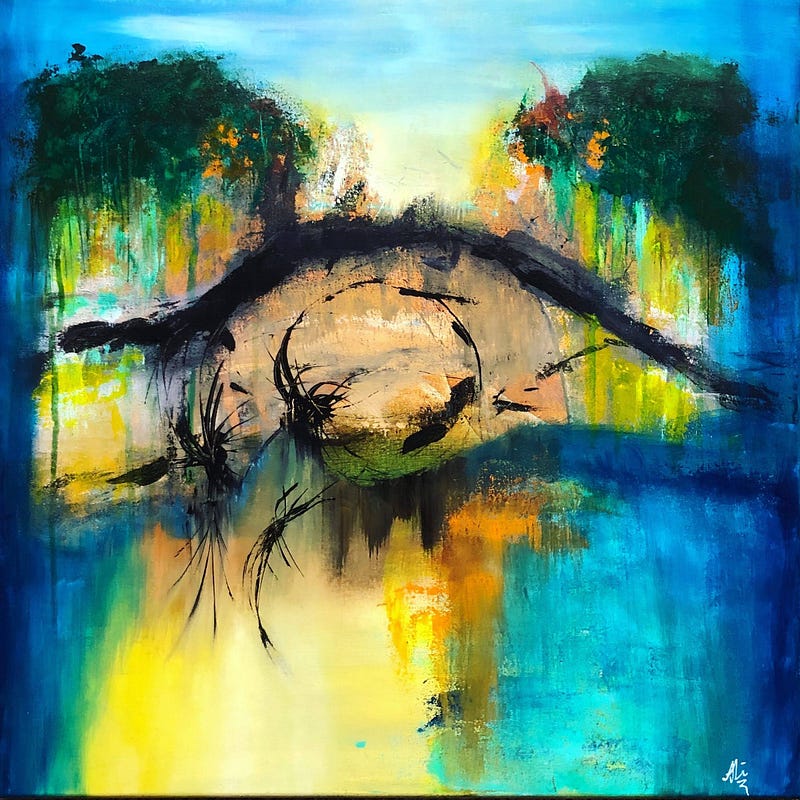
Once upon a time, on the lush green
banks of the possum creek,
there lived, of course, a possum,
who, each day, looked across and sighed
“oh dear, only if I could visit the other side!”
Other than a bent tree hanging
from one to the other side
there wasn’t any way, at least not of a bridging kind
as those who grant permissions to go across
didn’t like possums crossing from one to other side.
They thought, it wasn’t good for border protection, besides
not good for the native animal protection rules
that the government had decried.
So, this wish to go across,
the poor possum, always kept inside!
And, there on the other side,
lived another possum too,
another one of the similar kind
with a similar bushy tail, and a similar desire
to go across, but that wish, it did not hide!
It went up to the visa office to fill in papers
and twenty times it tried,
but each time, its visa was denied.
So one day, when the sun had gone down
filling the creek with the glossy sky
glowing pink, orange, turquoise and blue
like an impressionist painting,
unbeknown to each other
each of the possum decide
to take a chance, to bridge the divide
to cross the creek and look for themselves,
what was on the other side.
Hopping on the tree, as if going for a ride
both started to slide and glide,
with a similar speed towards each other
meeting right in the middle,
where there was no place to hide.
Both stopped, and simultaneously
each one to the other eyed,
and at the top of their voice cried,
“Oh you? Do you have a visa, or have you applied?”
Listening to the other, with their possum brain
each possum had an aside,
“The other side looks so similar why endanger my hide!!”
and quickly marched
back to its own side!
This piece is in response to Ali’s painting and Yana Bostongirl’s July prompt on Art.
What Emotions Does Art Evoke in You? | by Yana Bostongirl | Coffee Times | Jul, 2022 | Medium
Also here, I am linking my theme to a famous story from India, which has been attributed to Swami Vivekananda, about a Koop Manduk, the Frog that lived in a well. (Koop means well, and Manduk means frog).
This particular frog didn’t have any desire to go out of the well. It looked outside, and thought, everything is the same on the other side, so why bother.
The expression “Koop Manduk” is used to talk about narrow minded people, who don’t travel, and don’t have their horizons widened.
My thanks to Coffee Times pub editors who do a fantastic job of selecting reading and responding to our ideas.
Yana Bostongirl, Ali, I am sorry, if my poem is a bit silly, in comparison to the most magnificent art work you have presented here. It is not my intention to belittle the grand art, but while writing this poem, my mind was filled with Thief’s sonnet about the Possum Creek, which actually is a fantastic poem and a great response to the prompt.
Possum Creek. sonnet — prompt by Ali | by Thief | Jul, 2022 | Medium
But somehow the words possum, and Bridging Visa, that I hear a lot in our national news, here in Australia, kept ringing in my ears. And I was thinking about the border protection and native animal protection rules in Australia.
A shout out to Monoreena Acharjee Majumdar for her wonderful response to this prompt.