
Boost Your Bake with Vegetable Flours
Turning good tasting into good for you
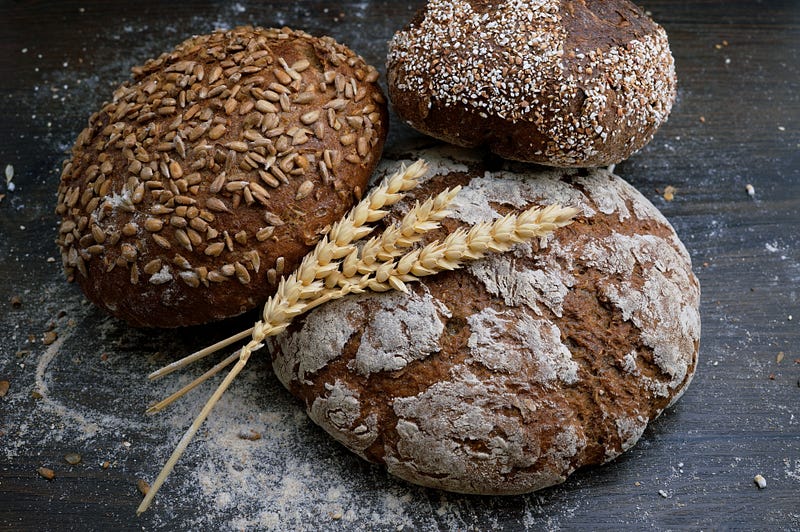
It’s always been one of life’s most annoying compromises. You want to eat a salad for lunch and feel good about your day, but you really want some bread so that you can feel full.
Bread and other baked goods taste so amazing, but rarely are they any good for you. The trouble is that all-purpose flour is completely devoid of nutrition. The bleached and over processed staple of the western world was mass produced for practicality rather than health.
This ingredient harkens back to a depression era world that needed food in large supply, yet we still rely on it today. We rely on ingredients with no nutritional value because there was once a time when we had to.
Times have changed and we no longer need to rely on the ingredients of yesteryear. Gluten allergies and obesity are on the rise and it’s time we take modern steps to solve modern problems.
Healthy flours
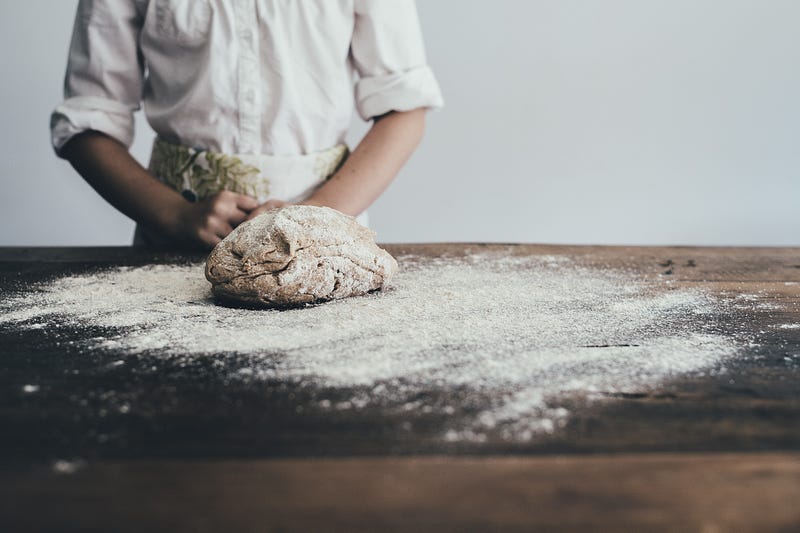
Vegetable and fruit flours can be bought from health supermarkets, though may be a little hard to find them in large quantities. There are an enormous variety, including broccoli and cauliflower flours, carrot, pumpkin and pumpkin seed flours too. You can even find fruit varieties such as banana flour which is high in protein and fibre.
Before heading to the store to buy healthy flours, you’re well advised to find healthy recipes for what you want to make so that you know exactly what you’re looking for. If you usually make bread for sandwiches and you’re looking for an alternative to the norm, Google recipes online first so that you’re not buying pumpkin flour when a broccoli flour works better.
Alternatively, if you live somewhere where buying vegetable flours is difficult, you can always make your own. It saves money and can be even healthier than buying pre-packed.
Broccoli Flour
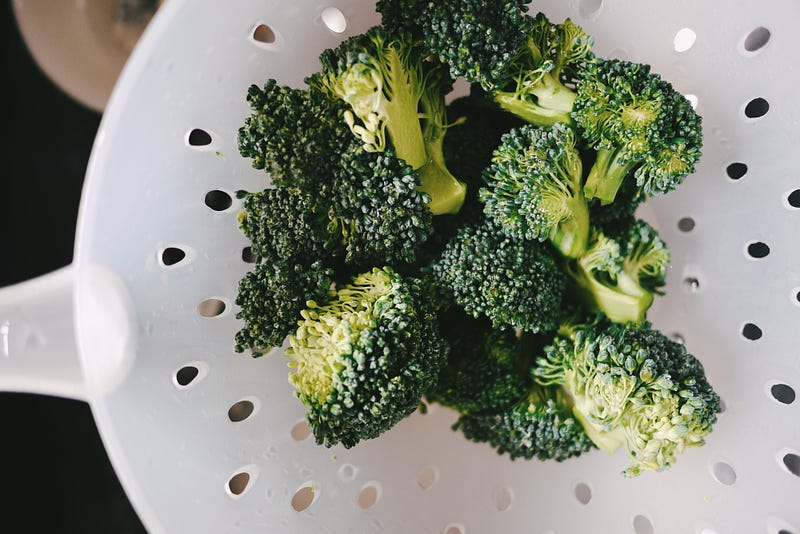
Broccoli flour is a great way to get started baking with vegetables. It’s a very easy to make flour and is great for making bread dough. This recipe is adapted from a vegetable flat bread recipe you can find on GreenKitchenStories.com
Start by washing your broccoli and peeling the stalks. Unlike with many other recipes, the stalks are used in broccoli flour.
Once the broccoli is peeled, chop it up into pieces and put it into a food processor. Blend until the broccoli is the consistency of rice.
Pull the broccoli out of the food processor and into a bowl, the broccoli will be wet to the touch.
Season the broccoli with salt and pepper, then add about a third of your broccoli’s weight in almond flour. This will dry out the broccoli and make it feel like a proper flour.
From here you can use your broccoli flour to make any number of breads and cakes. Make sure you’re following a recipe that accounts for broccoli flour as the measurements and baking time will all be different.

A different perspective
Adapting to a lifestyle of using a different types of flour seems trivial to talk about, but feels really strange in practice.
I personally resented the extra steps of making my own flour, and really hated how different it felt in my hands. The dough feels different, smells different and bakes different. The final result is a different colour and takes some getting use to.
But when you really think about it, we only think the way we do because it’s what we’re use to. We bake the way grandma did, and she baked the way her grandma did. Chances are, her grandma only baked the way she did because she had to. I’m sure that if she lived in a world of plenty, she’d have jumped at making a healthier choice for her family.
I now bake with gratitude knowing I have the freedom to make these better choices, and have learned to enjoy making something different and healthy.
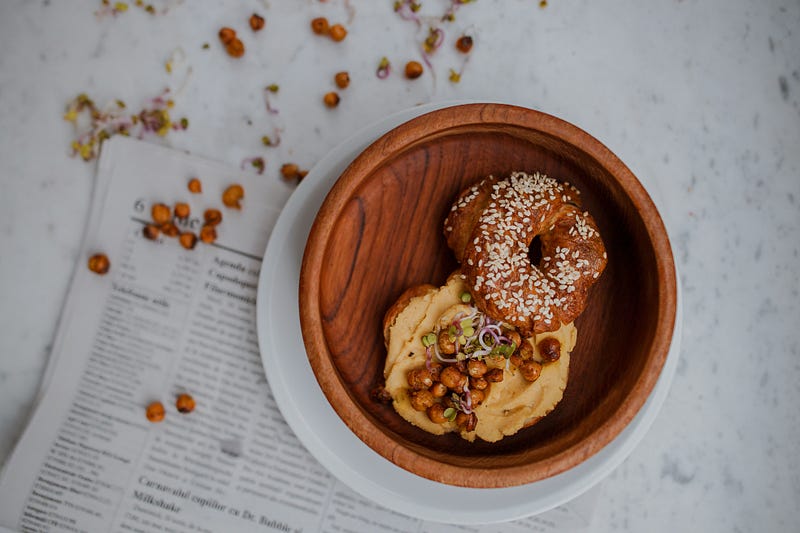
For your first try, have a look on GreenKitchenStories.com for one of their vegan flatbread recipes. Try paring it with an amazing hummus, I guarantee something so healthy never tasted so good. (GreenKitchenStories.com is not sponsoring this post, nor do they know that I’m referencing them. I just really like how their flatbreads turn out).
Let me know how your 21st century baking turns out! And definitely let me know if you discover a new type of flour I haven’t thought to mention. Who knows how many more we’ll discover.


