
Bizzare Hanging Coffins— Phillippine’s Funeral Tradition
Graveyard that defies gravity, where the dead are hung off in their coffins by the side of a cliff.
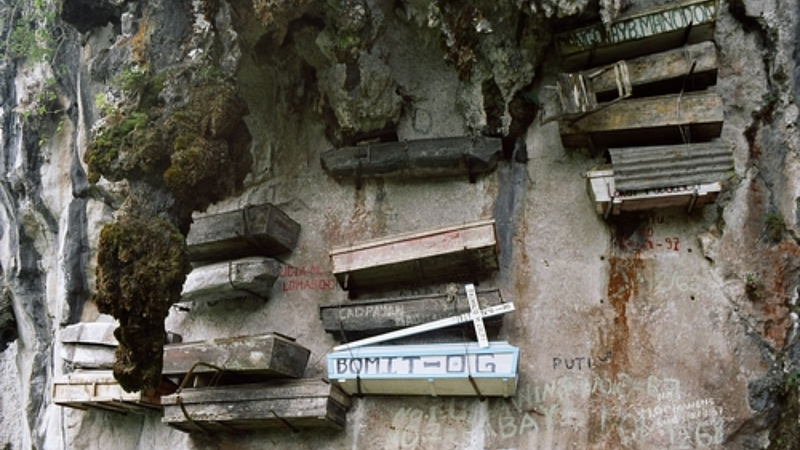

Safely nestled between the Cordillera Central mountains of northern Luzon, a small remote village called Sagada peacefully thrives away from the busy, bustling island it is situated in.
From Manila, the colorful capital of the Philippines, it is an almost 9-hour journey through bumpy, winding roads but those who live for the thrill, are awarded a haunting, unique display of hanging coffins. An ancient Igorot tradition that lives to this day has proven to be quite a unique and remarkable tourist attraction.
The strange history of the ritual
The remarkable tradition started around 2000 years ago. The Igorot enclosed the dead in hand-carved coffins, carved by the deceased person themself. The coffin was then nailed to the side of a cliff, hanging high above the ground. Over the years, as the number of coffins hanging increased, the village garnered attention from its neighbors.
This ritual was believed to bring the dead closer to the ancestral spirits, and save them from the waters that would eventually seep in had they been underground.
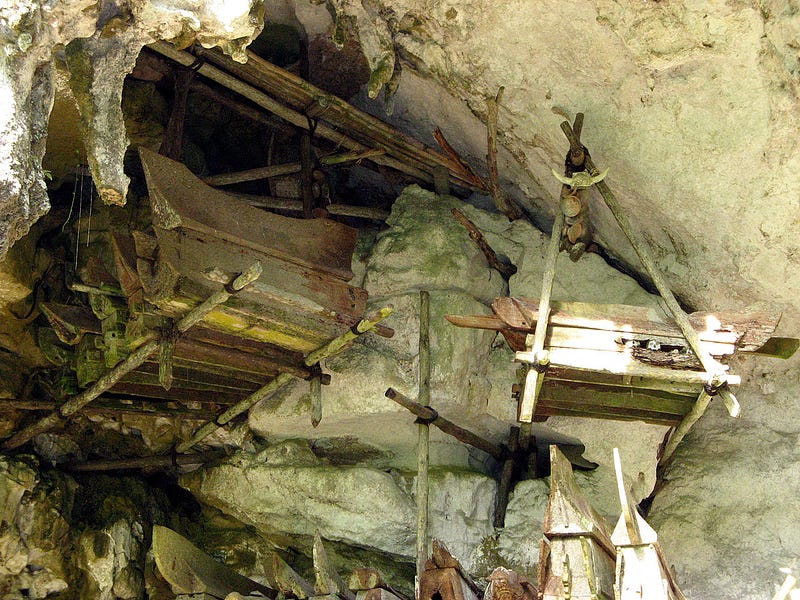

Elders would hollow out their own coffins from local timber and mark their names on the sides with paint. When a person would pass away, their corpse would be tied with leaves and vines and placed on a wooden chair.
A blanket would cover their decaying body, and it would be smoked so that the decay is gradual. The funeral would go on for several days, as people came and paid respect to the dead and say their goodbyes.
The ancient coffins would only be a meter long, so when moving the body from the chair to the coffin, the family would have to break their loved one’s bones. Today the coffins are larger, extending to two meters so bones do not have to be broken.
The corpse is positioned in a fetal position, as the Igorot people believed that a person should go back to the position they came in.
After the corpse has been wrapped in rattan leaves, they are placed in the coffin. Next, men insert metal pegs into the cliff’s face so the coffin can be suspended. As the coffin is hauled to its final resting position, the cadaver’s fluids leak out and the mourners try to let it drip on them as they believe the fluid carries the successes and the skills of the deceased.
Funeral rites in the Philippines
Since the majority of the population is Catholic, a typical catholic burial ceremony is observed in the country. When a person dies, they are placed in a coffin and kept at home or taken to a funeral home so family and friends can come and pay their respects.
In the week that follows, mourners come and adorn the coffin with flowers and lights, and after the week is over, the coffin is buried underground.
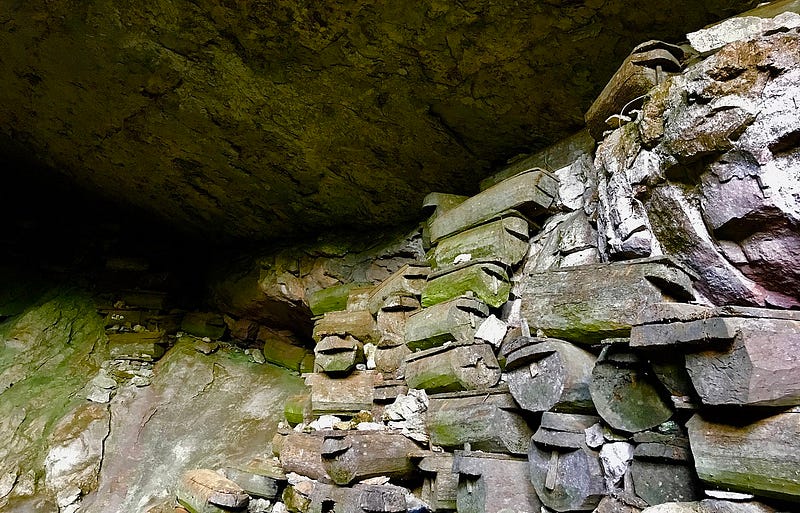

The new generation of Sagada has also drifted towards this ritual as it allows the children and grandchildren to visit their ancestor’s graves and pay respects even after the funeral. This would not be possible if the coffin is hanged since that makes it inaccessible.
Some people in Sagada still honor the ritual and many of them wish for their coffins to be hanged when they pass.
Are tourists allowed to visit the vertical graveyard?
Yes, in fact, recently a decent amount of travelers have developed an interest in the unique ritual and have made the journey to Sagada to see the hanging coffins. This has been economically beneficial for the Igorot people, and this has caused hope for the continuation of the tradition.
.jpg)
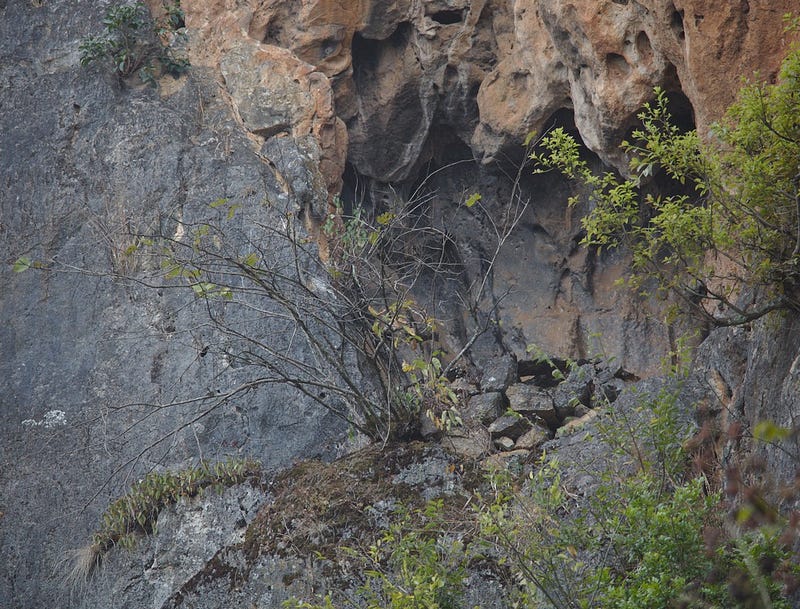
The remote, humble village of Sagada is under the kind shadow of its ancestors.Though many other cultures have observed this funeral ritual in history, including the Chinese, the Igorot people of Sagada are the only community in the Philippines to honor their dead this way.
The coffins being so high allows the souls of the departed to easily reach higher ranks in the afterlife and save their corpses from water damage as well as insect infestations, this preserves their remains longer.
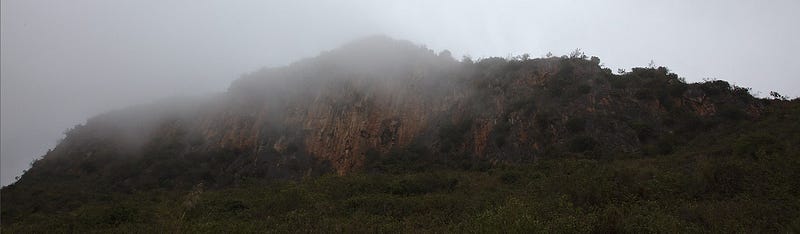

The only downside to this tradition is that loved ones cannot visit their graves and pay respects or lay flowers as they normally would have. Nevertheless, the coffins are a bewildering site to behold from afar.
At the end of the day, this ritual may seem strange and nonsense to us, but for the Igorot, it’s their culture. As long as someone remains to uphold the tradition, their legacy and their ancestor’s legacy remain alive.
Want to follow up more from me and other amazing writers on Medium?
Hop on the chance to join: