Birds from Pokemon Generation II and Their Real-Life Counterparts
The generation of Pokémon introduced 100 new Pokemon, bringing the total to 251. Several are evolved forms of or pre-evolutions of Generation I Pokémon, while others are their own evolutionary lines.
There is a lot of Pokémon that take inspiration from real-life animals. In this article, we’ll cover bird or bird-like Pokémon introduced by that generation in 1997 and we’ll find out the real-life inspiration behind them.
Hoothoot and Noctowl
Hoothoot and its evolution, Noctowl, are a Normal/Flying Pokémon.
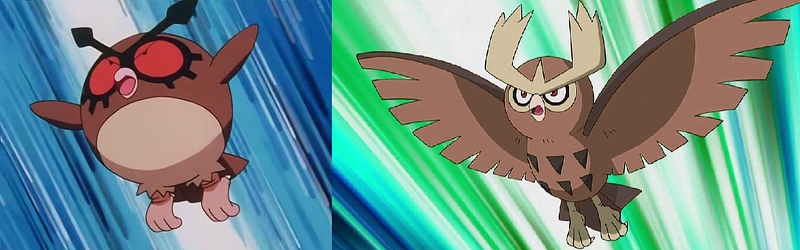
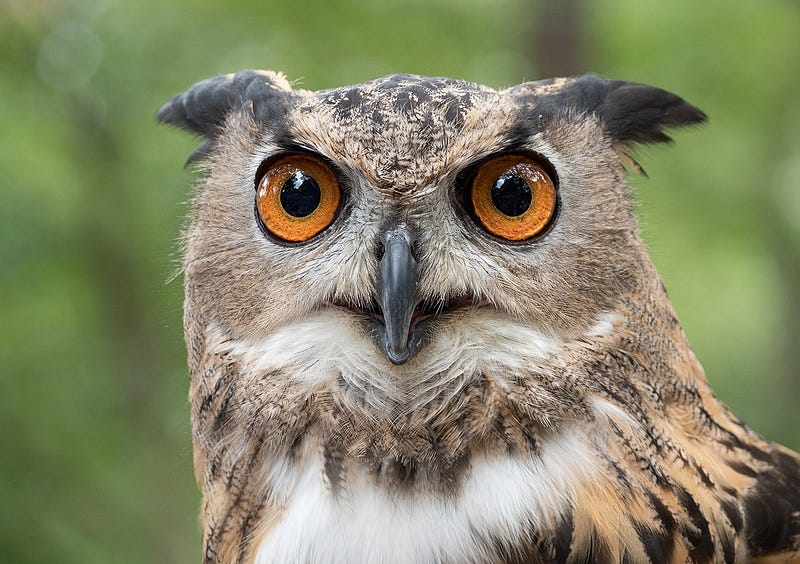
This bird has distinctive ear tufts, which look similar to Hoothoot’s clock-like markings and Noctowl’s very large brows.
The Eurasian eagle-owl is one of the largest and most widely distributed owls in the world.
Natu and Xatu
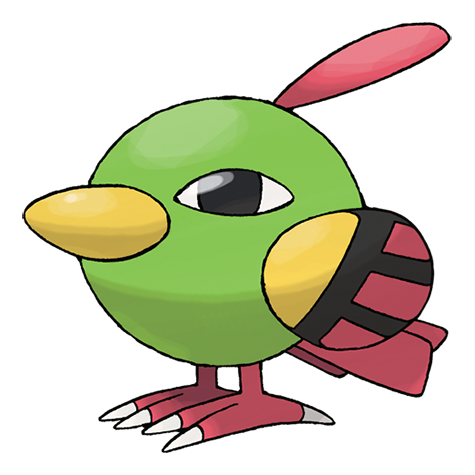
Those birds are inspired by design elements from a Native American totem or kachina, a spirit being in the religious beliefs of the Pueblo peoples, Native American cultures located in the southwestern part of the United States.
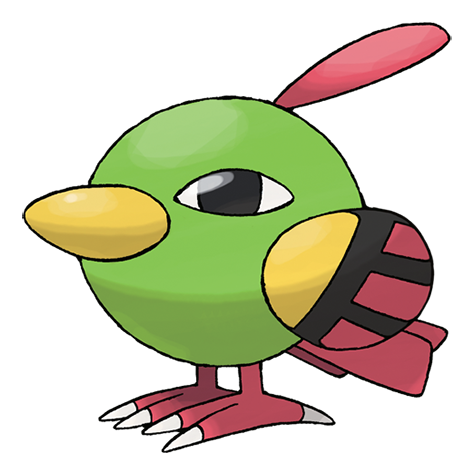
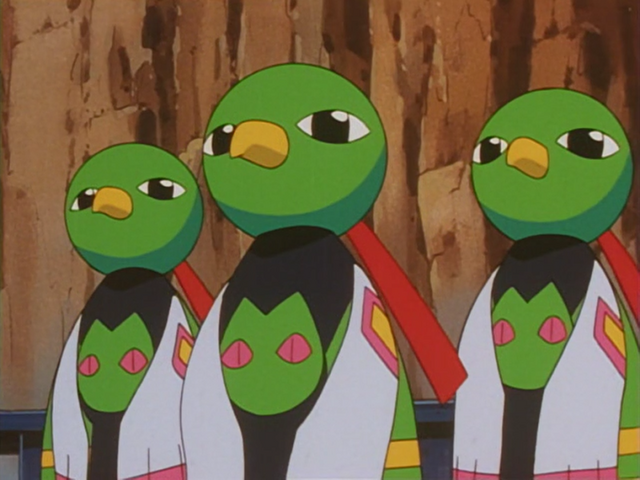
For the bird inspiration, they bear resemblance to a male golden-headed quetzal. The habitat distribution of quetzals is aligned with the cultural inspiration behind Natu and Xatu, although the golden-headed quetzal lives in South America rather than in modern Mexico.
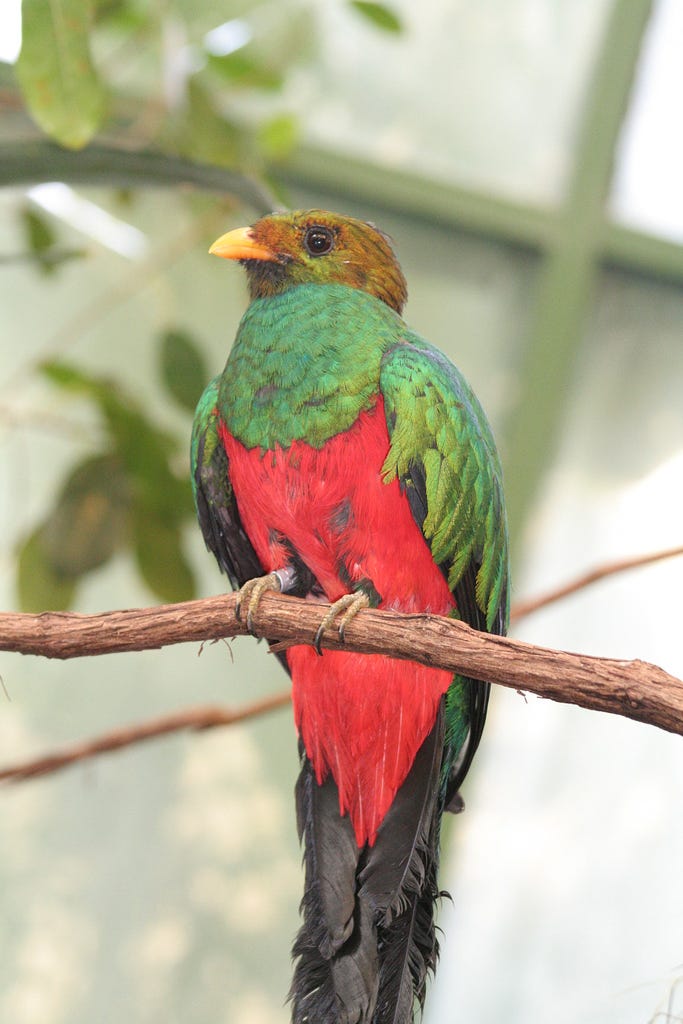
Similarly to other quetzals, golden-headed quetzal has a distinclive iridescent green plumage. The female of the species is less brightly colored, displaying more brown tones than the male.
Murkrow
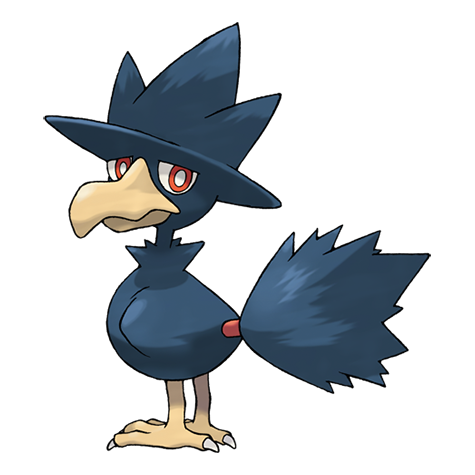
Murkrow’s evolution, Honchkrow, was introduced in Generation IV, but we get to enjoy this witchy bird Pokemon much earlier.
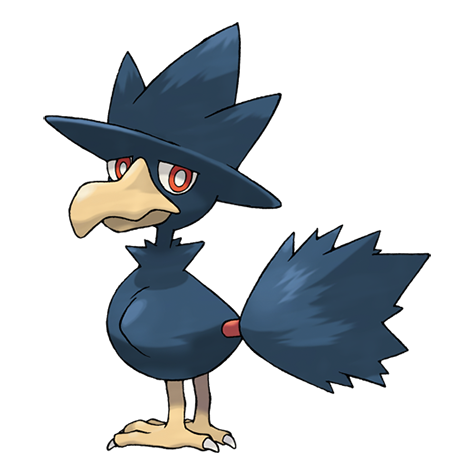
In the case of inspiration — it’s in the name. Dark-type Pokemon resembles a witch’s companion, a crow.
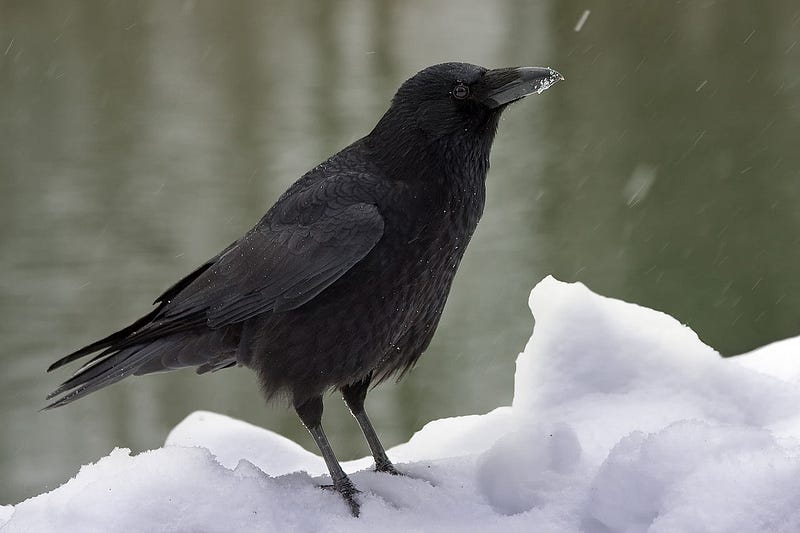
There are many species of crows, but none of them has a yellow beak as Murkrow, which seems more eagle-like or even gull-like.
Delibird
Ever wanted to get your presents delivered by a bird instead of Santa Claus? Well, here’s Delibird, a present-delivering Pokemon.
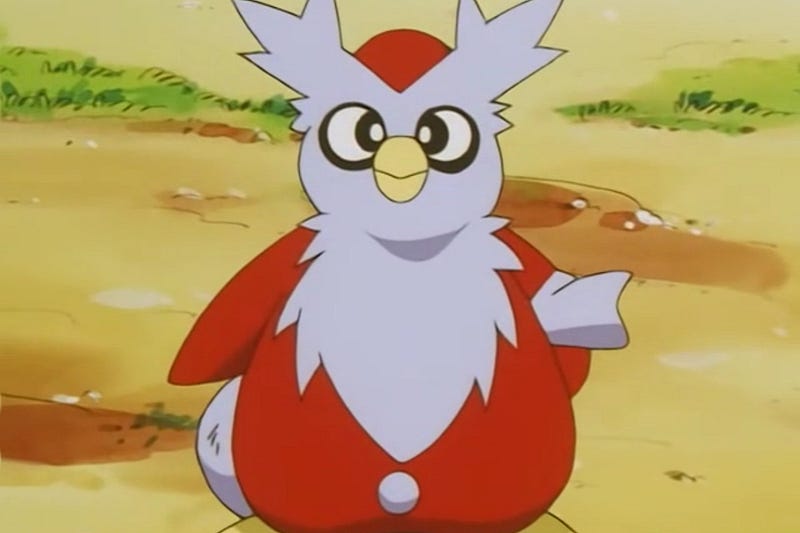
Well, Delibird… looks like a Santa with feathers instead. It may have been inspired by snowy owls if you add additional tufts on their head. Snowy owls, native to the Arctic regions of both North America and the Palearctic, could definitely spot a Santa Claus once or twice.
Skarmory
Another bird that doesn’t make the research easy. Skarmory is a Steel/Flying Pokémon, and looks like a metallic bird.
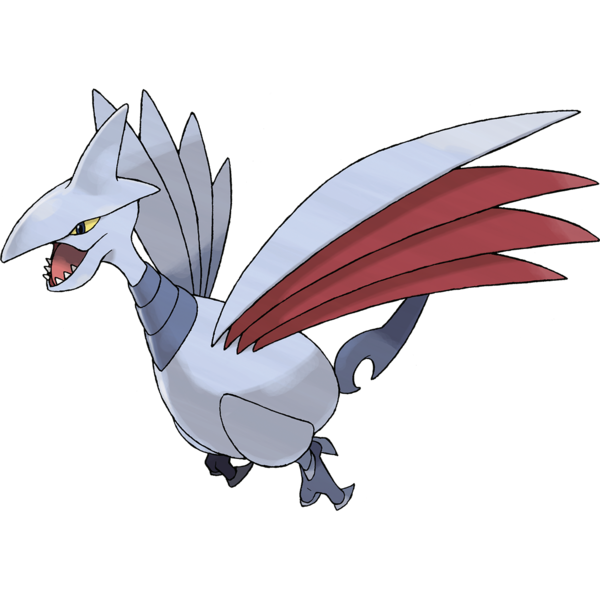
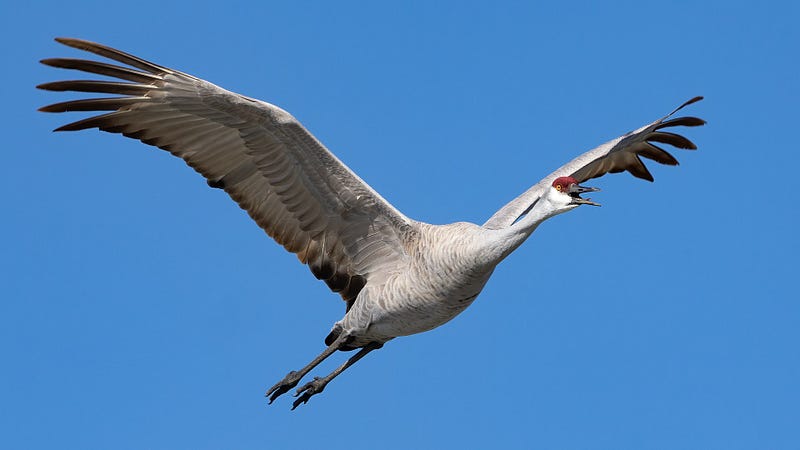
Its original Japanese name could point us to cranes. Skarmory’s color palette matches the one of a sandhill crane.
Porygon2
Porygon2 is an artificial Pokemon, but as it looks like a bird, it’s here on the list. It’s supposed to look rendered, artificial, and a little bird like a plastic duck.

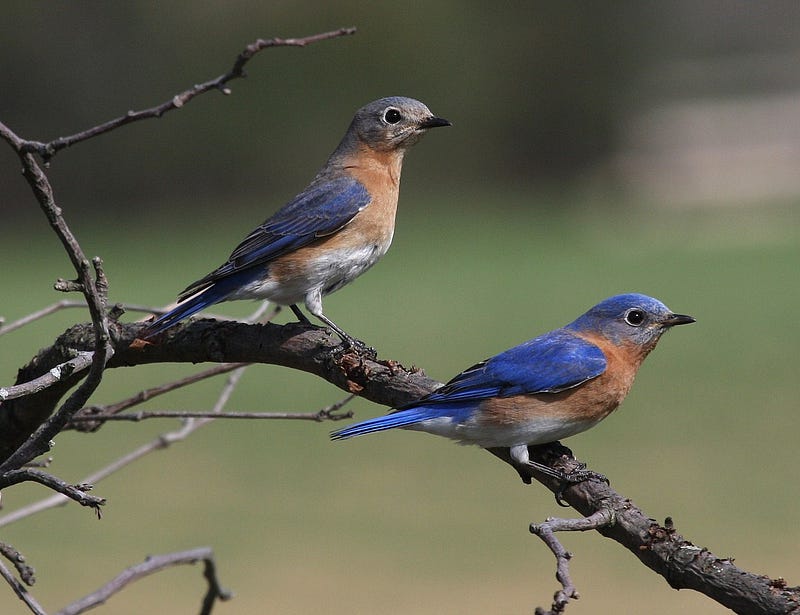
But we’re trying our best, and the pick for the bird that’s closest to be pink and blue is the male Eastern bluebird. It’s breast is reddish, but the bright blue plumage may look too bright to be real — just like Porygon2.
Ho-Oh
This is a Fire/Flying Legendary Pokémon resembling a firebird present in multiple cultures.
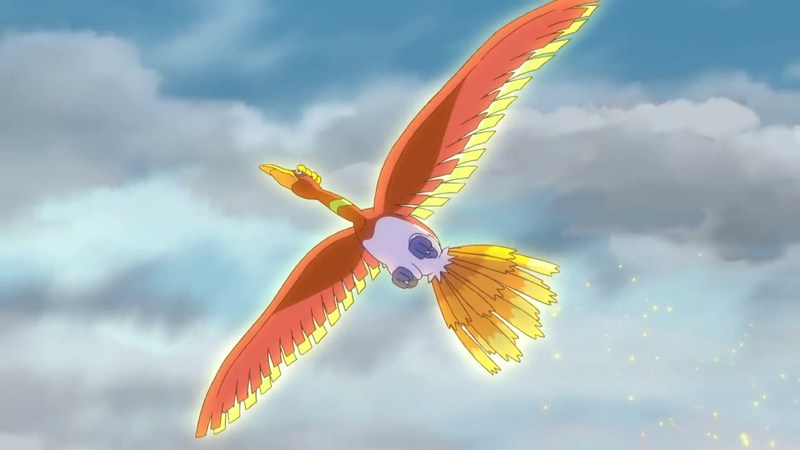
Its original Japanese name comes from Fenghuang, a bird from Chinese mythology.
According to the Erya, first surviving Chinese dictionary, Fenghuang is made up of the beak of a rooster, the face of a swallow, the forehead of a fowl, the neck of a snake, the breast of a goose, the back of a tortoise, the hindquarters of a stag and the tail of a fish.
In modern times though, it’s described to have the head of a golden pheasant, the body of a mandarin duck, the tail of a peacock, the legs of a crane, the mouth of a parrot, and the wings of a swallow. So much bird inspiration!
Lugia
Lugia is another Legendary Pokémon, this time a Psychic/Flying type. Even though it’s considered a bird, the inspiration behind it may be more reptilian, or aquatic-mammal.
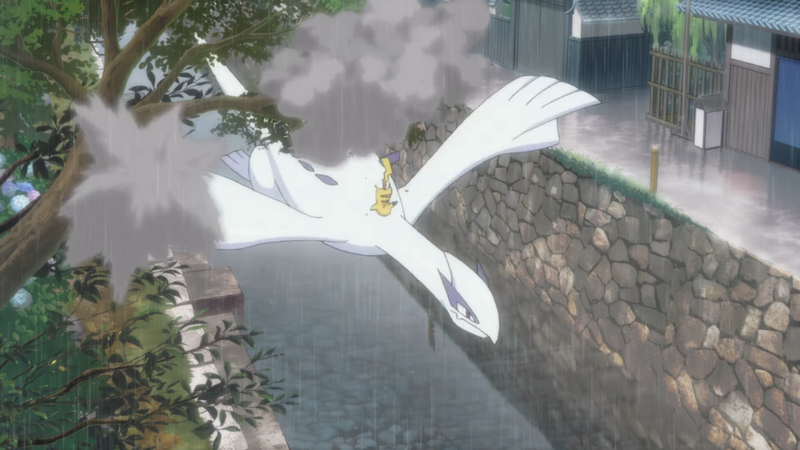
Lugia may be inspired by Ryūjin, a dragon who lived on the ocean floor and was the Shinto god of the sea — this would make a perfect addition to the aforementioned Ho-Oh, a firebird. The beluga whale, a white whale with a similar body shape and colors to Lugia, may also be a basis for its design and name.
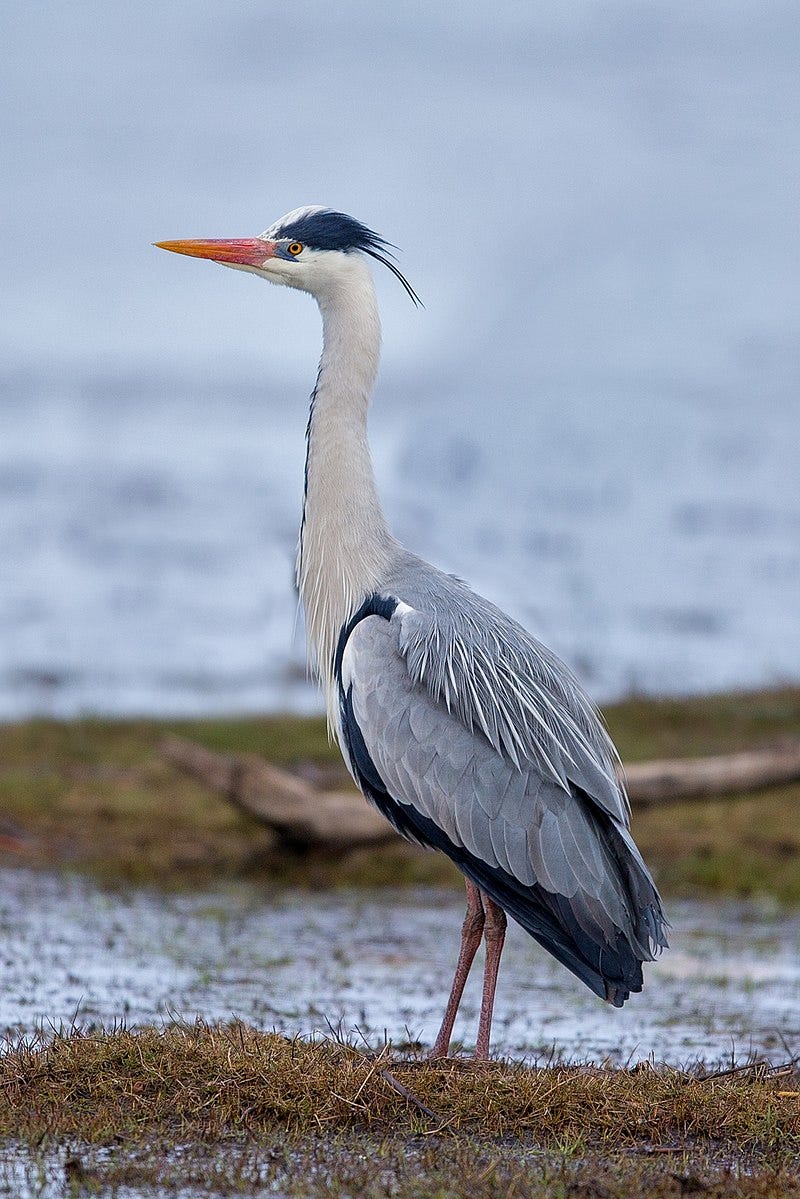
When looking for bird inspiration, Lugia’s colors ad feathery eyeliner may be inspired by a grey heron — but its wings look too hand-like to completely dismiss dragon and wyvern inputs.
Like the story? Gain access to more stories like this on Medium.
Like my bird sounds? Use them in your own work.


.jpg)



/cdn.vox-cdn.com/uploads/chorus_image/image/58061527/Team_Rocket_Delibird.0.png)