
Birds from Pokemon Generation IX and Their Real-Life Counterparts
Flamigo, Wattrel and Kilowattrel.
Generation IX is the first Pokemon generation since Generation V to introduce more than 100 new Pokemon.
A lot of those characters take inspiration from real-life animals, so in this article, we’ll be uncovering the link between the game, and creatures you can spot in the real world.
We’ve already covered Quaxly’s (water-type duck starter Pokemon) evolution line in a separate article, so in this one, we’ll cover the others.
Flamigo
Let’s start with the obvious. A Flying/Fighting pink bird, resembling a garden decoration I’ve never seen outside of movies, is a new Pokemon introduced in Pokemon Scarlet and Violet.
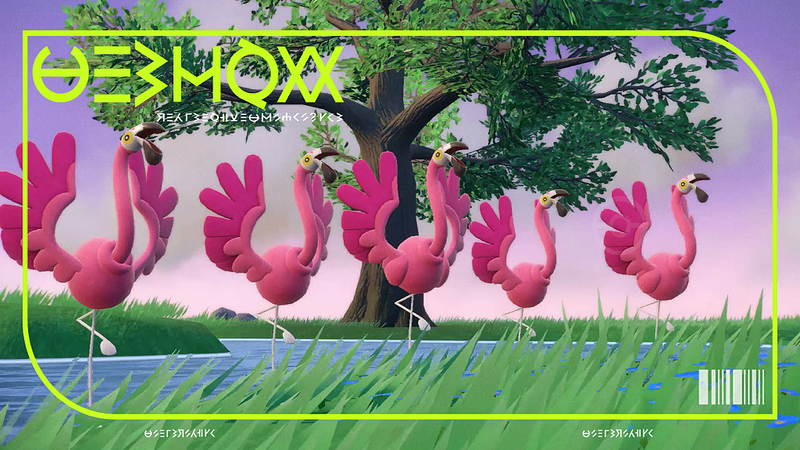
By Pokemon, Flamigo is described as Synchronize Pokémon. It makes sense because real-life flamingos are very social and form large colonies, and their mating ritual includes synchronized displays between a pair.
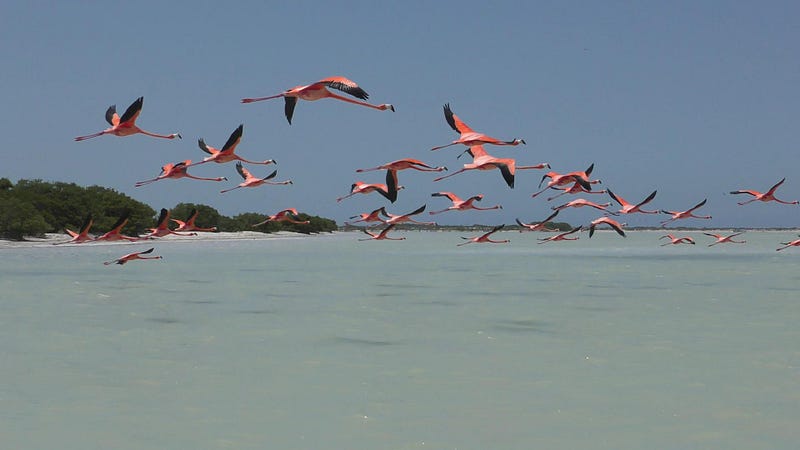

Apart from the quite obvious Flying type, the Fighting type shows especially when being near their nesting site — they can be very aggressive defenders.
Wattrel
When its wings catch the wind, the bones within produce electricity. This Pokémon dives into the ocean, catching prey by electrocuting them — we can read this in Pokemon Scarlet. Wattrel is an Electric/Flying Pokemon looking like a bird and is often seen in coastal areas in the game.
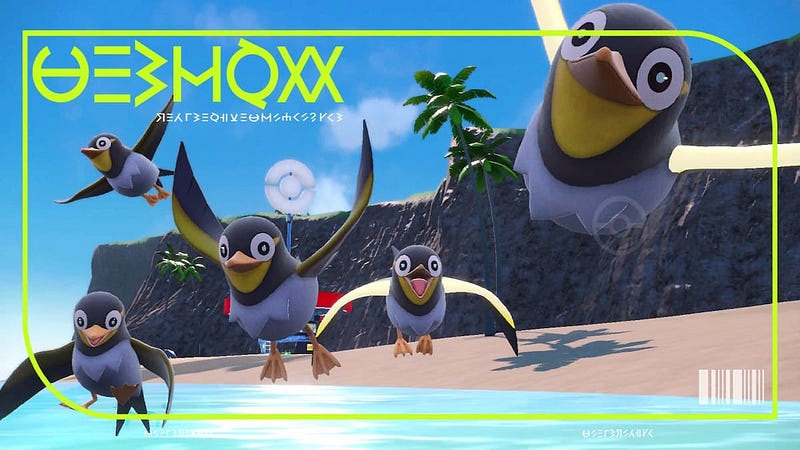
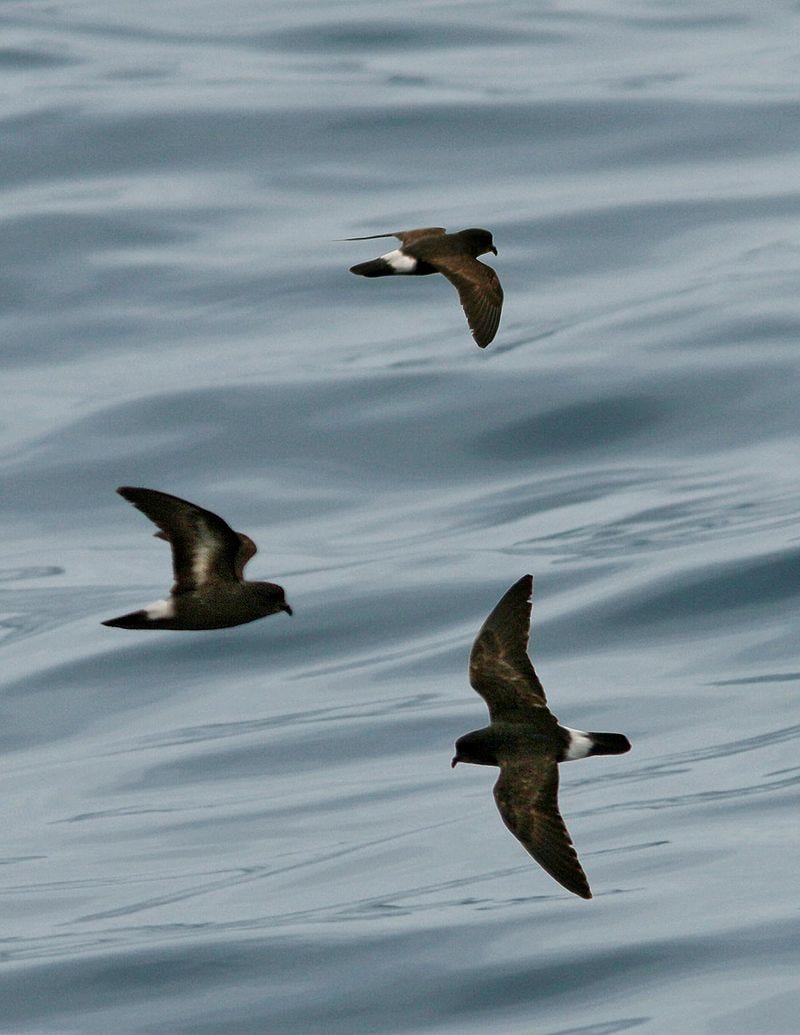

Its behavior and name bear resemblance to storm petrels. The storm may be the inspiration for its electric abilities. Storm petrels are small seabirds that feed on planktonic crustaceans and small fish picked from the surface, typically in flight.
Additionally, in Pokedex description of Wattrel in Pokemon Violet we can read that these Pokémon make their nests on coastal cliffs. The nests have a strange, crackling texture, and they’re a popular delicacy. This is a reference to eating bird nests of swiftlets in Asia. The nests are made from solidified bird saliva.
Kilowattrel
Kilowattrel is the evolution of the previously mentioned Wattrel. The bird becomes significantly larger and gains yellow gular skin — the throat sac that can be used for storing food.
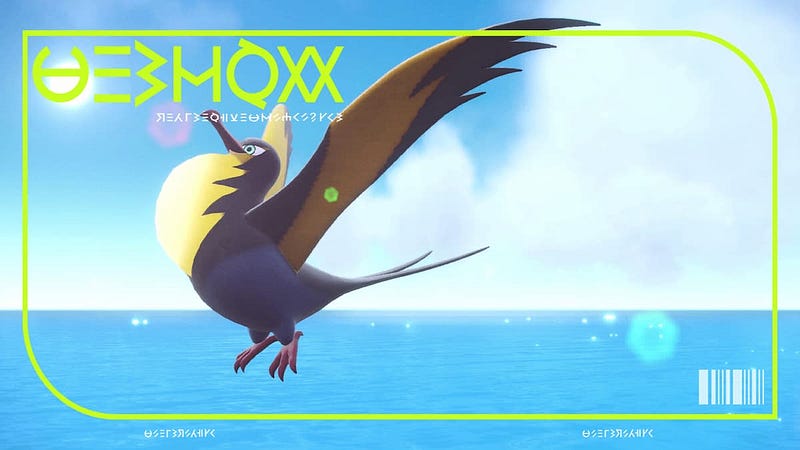
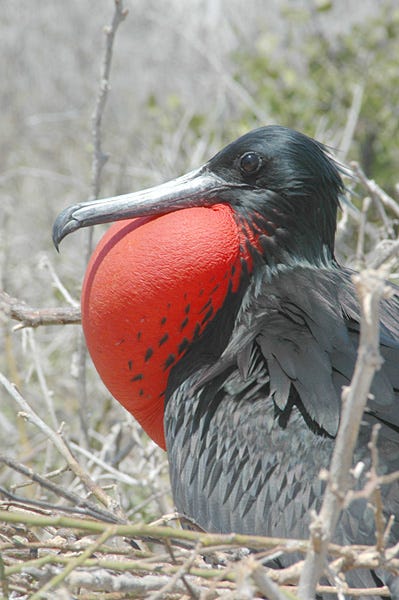

The gular skin, hooked beak, and large wings may come from the frigatebird — a seabird, that is found across all tropical and subtropical oceans.
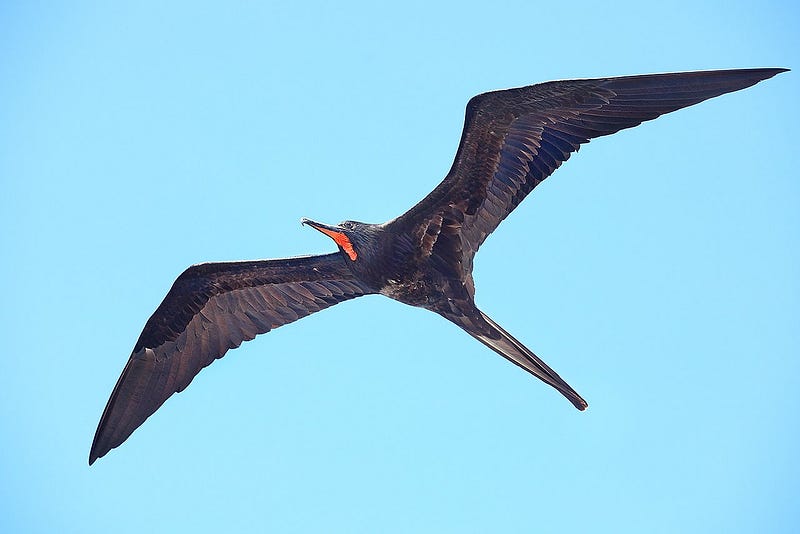
Frigatebirds have the largest wing area to body weight ratio of any bird, and it’s clearly visible even in-game — Kilowattrels are remarkably big for a bird!

There are many new Pokemon introduced in Generation IX, so when the weather doesn’t seem ideal for birdwatching in the real world, you can always chill with bid-inspired video game counterparts instead.
In the case of Storm petrels and Frigatebirds, it’s definitely easier to spot their Pokemon versions than trying to distinguish them from the dark waters when they are hovering over the oceans.
Liked the story? Gain access to more stories like this on Medium.