
Bird Spotlight: Great Blue Heron
Volume 7 in a Series
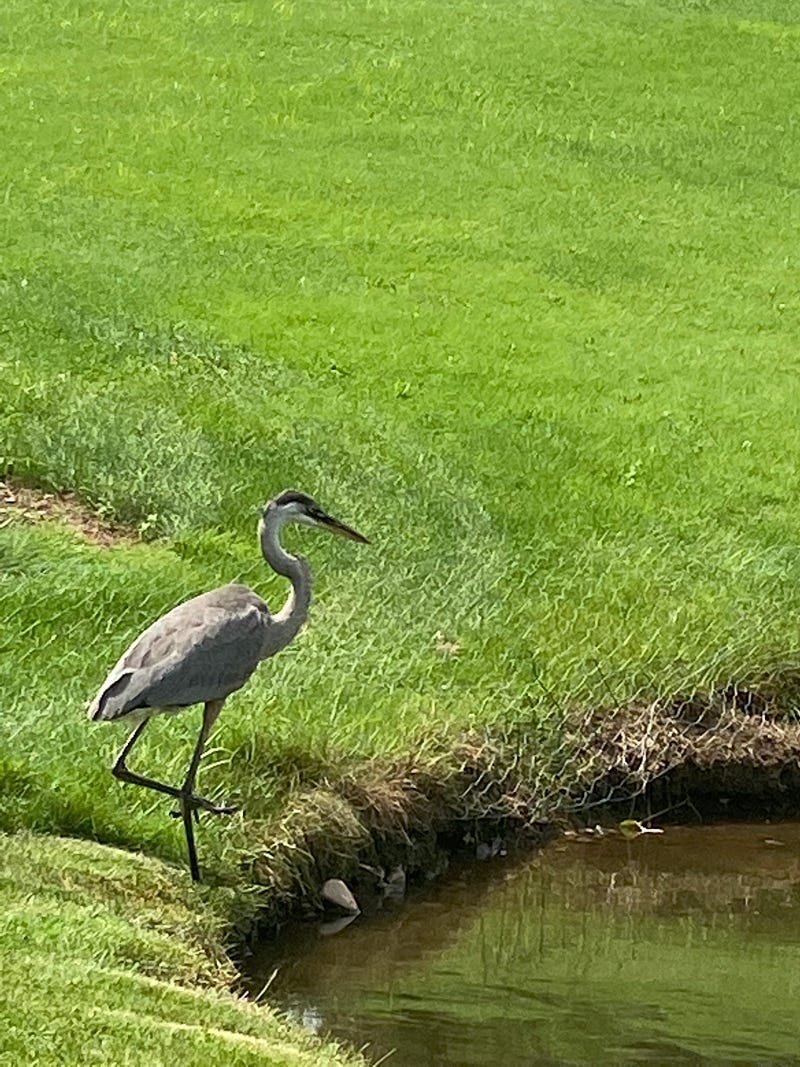
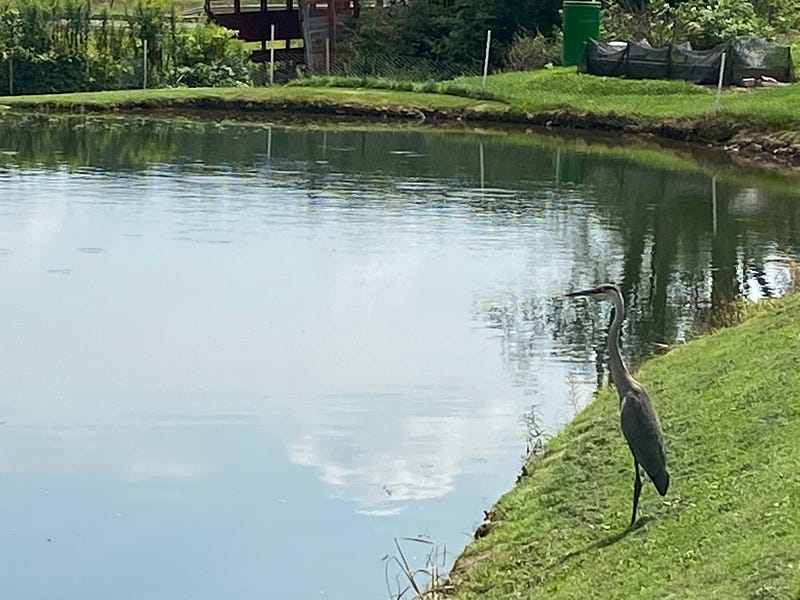
Welcome back to my series focusing on individual bird species. The last story I wrote was back in May and the bird I highlighted was the Rose-Breasted Grosbeak. Up to now, I have focused on birds that visit my feeders. This one visits our pond fairly often. However, they are shy so it is hard to get a good camera shot. This time I was able to get close, albeit on a garden tractor while mowing! The heron seemed unfazed. I wish I had my good camera, but the cell phone camera is better than nothing.
I have always been fascinated with these birds. I am fortunate to live in rural central NY State, and although my property is only 1.25 acres, it does have a pond (about 0.1 acres). Even though there are currently no fish in the pond, the Great Blue Herons do still occasionally visit. I am considering putting some Koi fish in, however, it might be counterproductive with the Heron paying regular visits.
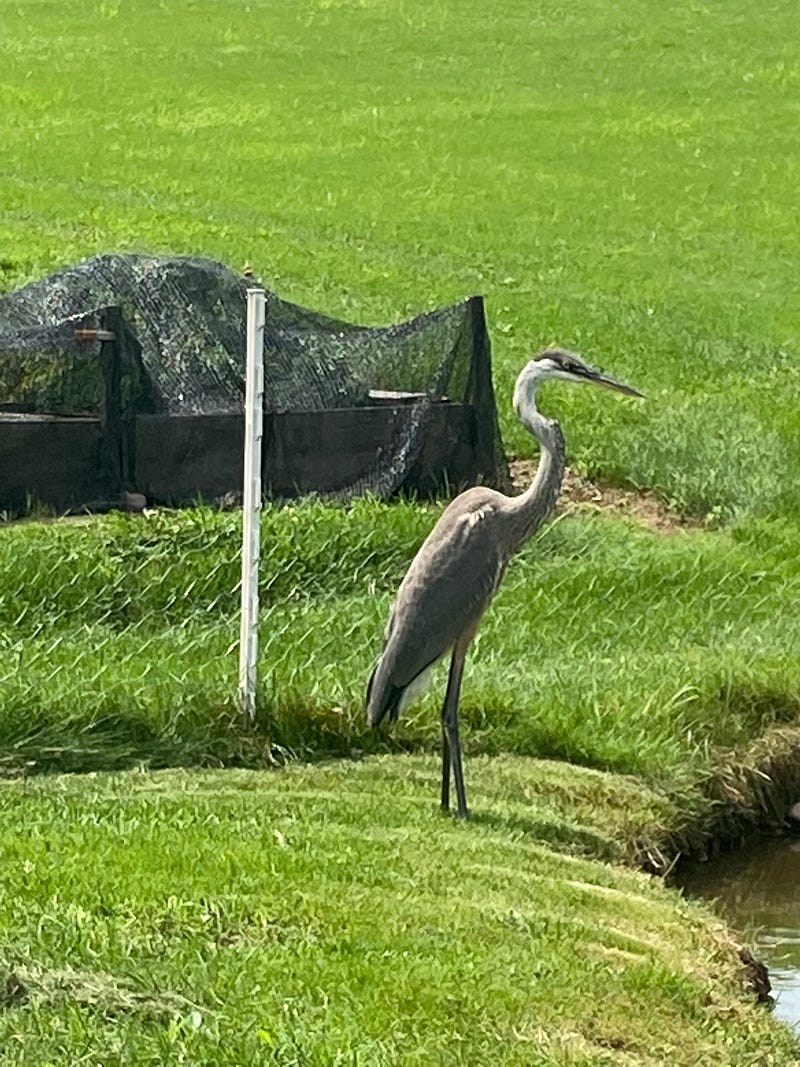
It was a treat to be able to get close to this beautiful bird, but being on a garden tractor is not my preferred method of birdwatching. When I was driving down through the yard I spotted the giant bird lurking by the pond. It was moving very slowly, as they do, almost in slow motion. I expected the bird to take off as it usually does when I get anywhere close. But this time was different. As I mowed around the pond it moved to stay a safe distance away. However, at times I was within 20 feet or so. I’ve never been that close! I was impressed with the size of its toes as it slowly lifted them from step to step. It seemed to stare at me with its piercing eyes. It definitely looks pre-historic.
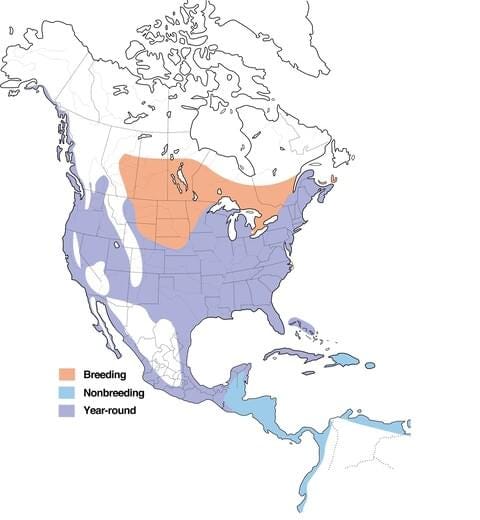
According to All About Birds, this bird is a year-round resident to most of the U.S.
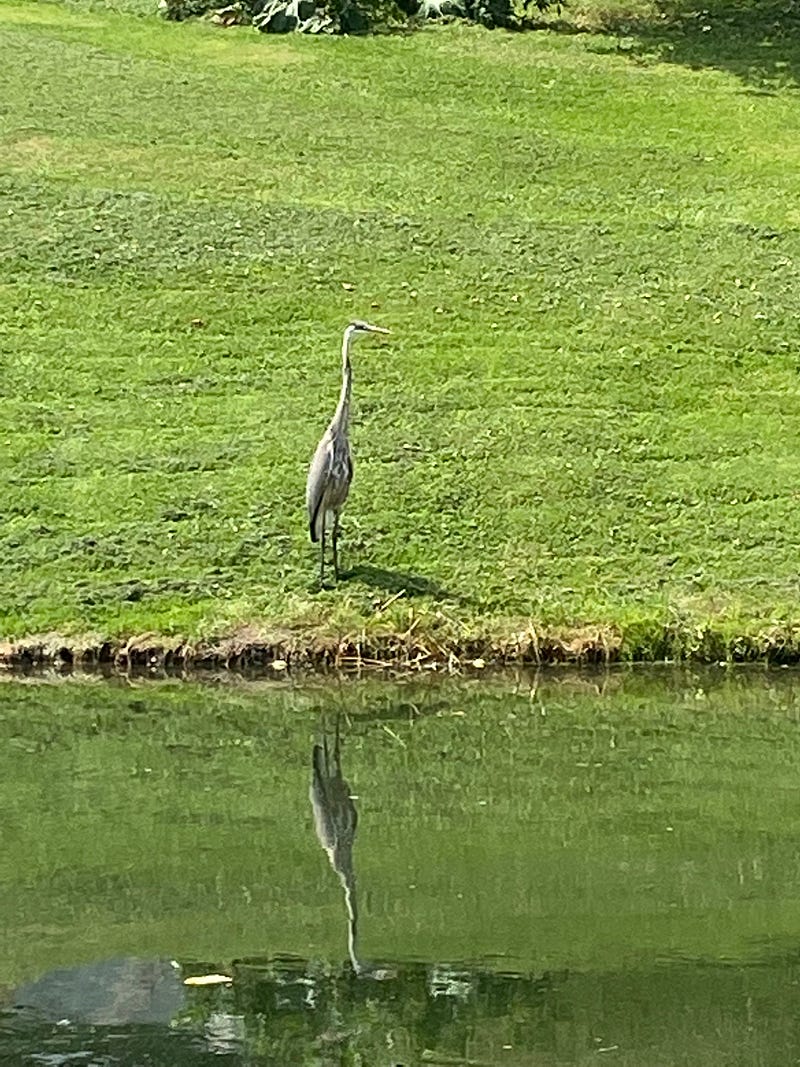
Great Blue Herons range in height from 3.5 to 4.5 feet, with a wingspan of up to 6.5 feet. Even at this size, they only weigh about 5 to 6 pounds, due to their hollow bones (all birds have).
Interesting Fact (Per All About Birds)
- Great Blue Herons can hunt day and night thanks to a high percentage of rod-type photoreceptors in their eyes that improve their night vision.
They mainly eat fish, however, I have witnessed them eating frogs in our pond. They also feed on insects and small mammals. They are definitely fun to watch.
They normally nest in trees and their nests are huge, they can be 4 feet across.


