
Bird Spotlight-A Series
Black-Capped Chickadee-#1
As you may know, I have been an avid bird watcher since I was a child in the 1970s. Over the years I have identified many birds here in Central NY State. Each story in this series will highlight a species that I have observed at my feeders and photographed.
Birdwatching feeds the soul. It is relaxing and can be enjoyed as a solo or family activity. It reduces anxiety and blood pressure. In these troubled times, it is the perfect remedy.
For the last 8 or 10 years, I have participated in Project FeederWatch, a citizen science project that allows you to submit weekly bird counts from November through mid-April.
This is a great way to get involved as a family in watching, feeding, photographing, and counting birds. The project provides valuable data regarding bird populations and movements throughout the country.
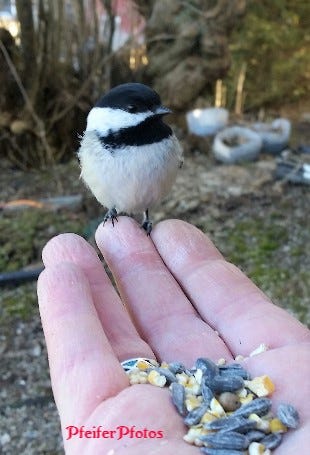
I will start with my all-time favorite, the black-capped chickadee. You probably already know why this is my favorite by the photo. This is the only species I have been able to coax to eat out of my hand, time, and time again. It works best when the feeders are empty and you present them with an irresistible handful of sunflower seed.
This adorable bird resides in this area year-round. Easily attracted to feeders, they typically prefer sunflower seeds and suet. One by one, the chickadee will take a seed back to a nearby tree or bush, hold it with their feet, and meticulously remove the shell with their beak. A tedious process, performed over and over. They will pick through mixed seeds until they find a sunflower seed, then quickly fly off with their prize.
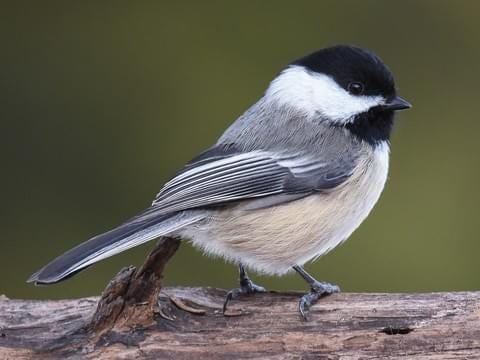
Nesting boxes are typically used by these birds, and they prefer ones that have sawdust or wood chips inside. They prefer to nest in boxes that are placed in a wooded area, which may be hard in a typical yard.
Interesting Facts: Chickadees will store food (typically seeds) in different locations and retrieve at a later time. They can remember thousands of hiding places. Also, they alter their calls depending on the impending threat level.
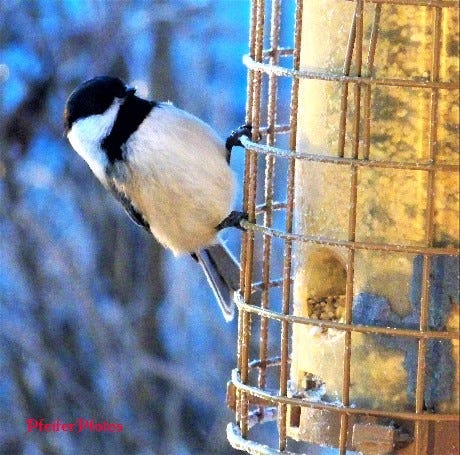
So if you never have tried feeding the birds, set up a feeder, and these guys will most likely be the first birds that visit your feeders, especially in the Northeastern US.
Once you get the “birdwatching bug”, you’ll be hooked and glad that you gave it a try. It is a great hobby that can provide enjoyment for the entire family.
Some of my other stories:


