
Bible Study Guide Day 003: Genesis 8–11
I have set my rainbow in the clouds, and it will be the sign of the covenant between me and the earth.
Genesis 9:13
Genesis 8
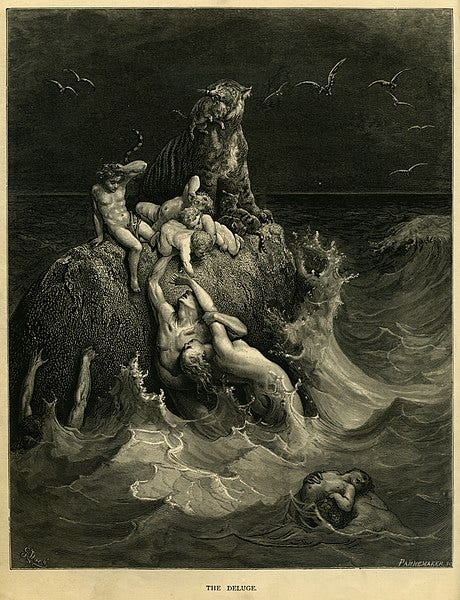
In this chapter, we see the conclusion of the flood as God sends a wind over the Earth to dry up the waters.
On the seventeenth day of the seventh month, the ark comes to rest on the mountains of Ararat.
After the tops of the mountains become visible, Noah sends out a Raven which flies back and forth until the waters dry up.
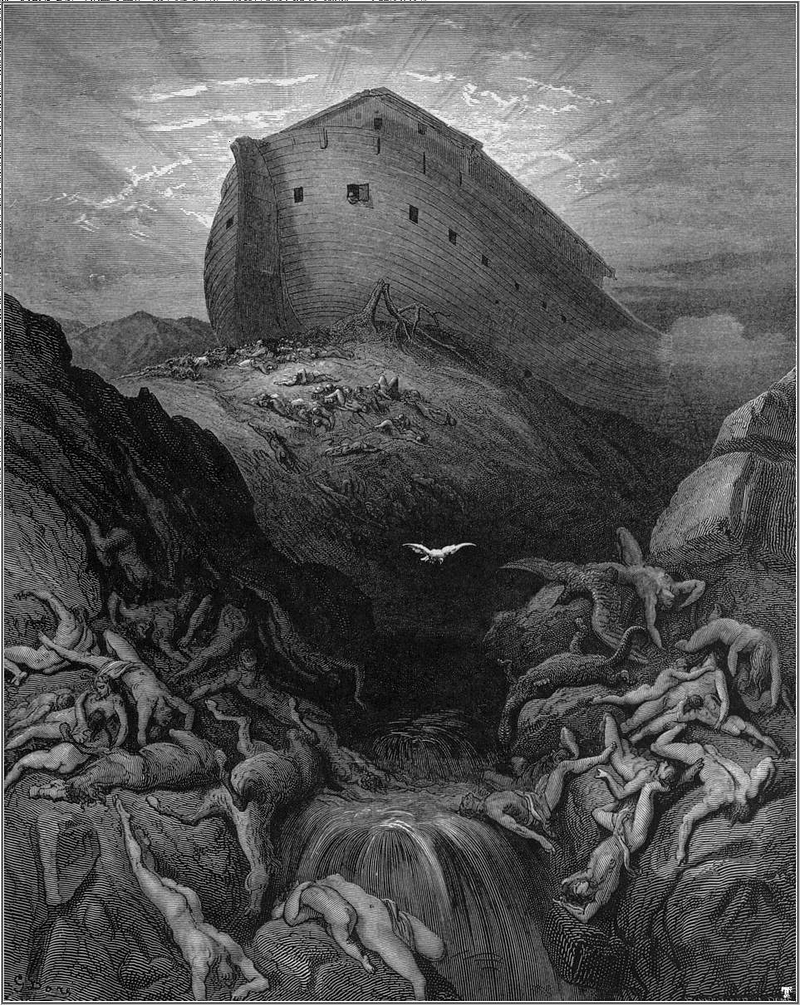
Noah then sends out a dove to see if there is any sign of land. The first time, the dove returns to the ark because there was no place for it to rest, but on the second attempt, it brings back an olive leaf, indicating that the waters had receded.
After waiting another seven days, he sends the dove out again but this time it does not return, showing that the land was dry.
God commands Noah and his family to leave the ark and repopulate the Earth. Noah builds an altar and offers sacrifices to God as a sign of thanksgiving.
God then promises to never again curse the ground because of man, and that seedtime and harvest, cold and heat, summer and winter, day and night will continue as long as the Earth remains.
Genesis 9
God’s Covenant With Noah
God blesses Noah and his sons and commands them to be fruitful and multiply, just as He had done with Adam and Eve.
He also gives them the animals to eat but commands them not to eat blood, for it contains the life of the animal.
God then makes a covenant with Noah, promising never to flood the Earth again and giving the rainbow as a sign of this promise.
The Sons of Noah
In this chapter, we are introduced to the sons of Noah; Shem, Ham, and Japheth. They were the fathers of all the nations that would populate the Earth.
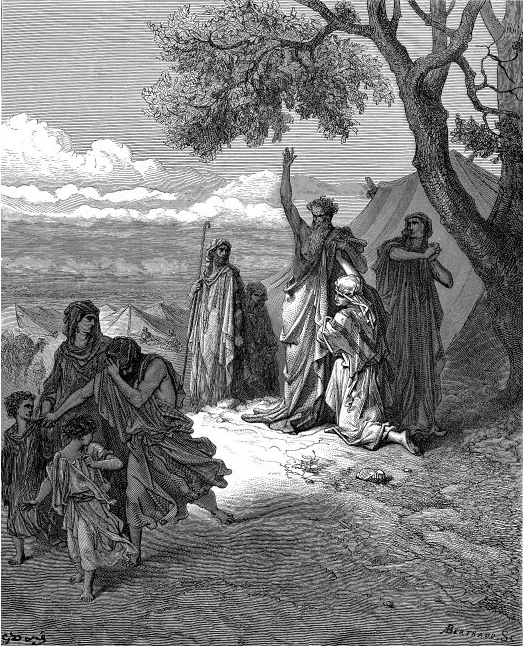
Noah plants a vineyard and becomes drunk, leading to an incident with his son Ham, which results in a curse being placed on Canaan, the son of Ham.
This shameful act of dishonoring Noah brings about a curse on Canaan’s descendants.
Genesis 10
The Table of Nations
This chapter lists the descendants of Noah’s sons and their families. It gives a broad overview of how different nations and languages came to be.
It mentions the sons of Javan, the father of the Greeks, and how they migrated to different regions.
We also see the descendants of Cush, who would go on to become mighty nations like Assyria and Babylon.
It also mentions the sons of Shem, including Aram who would become the father of the Arameans.
It is worth mentioning that during the era of Peleg, there was a division of the Earth.
Genesis 11
The Tower of Babel
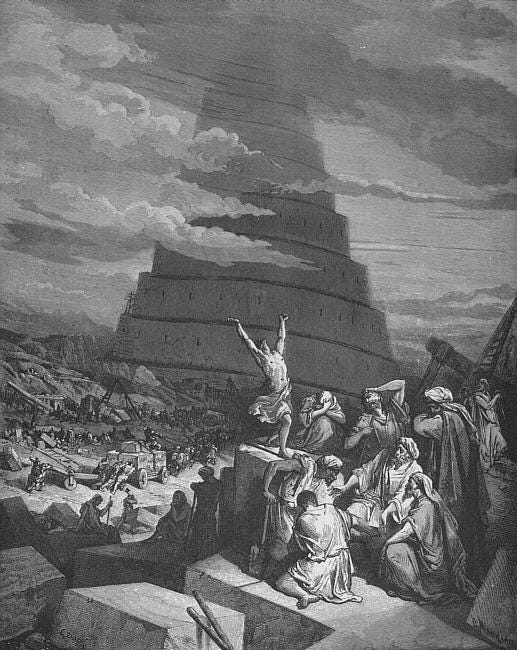
The people of the Earth come together and, using brick, build a city and a tower that reaches to the heavens to make a name for themselves.
God sees this act of pride and decides to confuse their languages so they cannot understand each other.
The city is called Babel, meaning confusion, and the people are dispersed from there across the Earth.
From Shem to Abram
This chapter also mentions the descendants of Shem, leading up to Terah, the father of Abram who would later become known as Abraham.
It is interesting to note that in this genealogy, we again see a gradual shift from long lifespans to shorter ones.
This could potentially be linked to the division of the Earth and how it affected humankind.
Abram’s Family
The last few verses of this chapter mention the family members of Terah, including Abram’s wife Sarai and his nephew Lot.
It also mentions that Sarai had no children.