
Bhutan’s Secret to Happiness
Why Bhutanese people are happier than the rest of the world
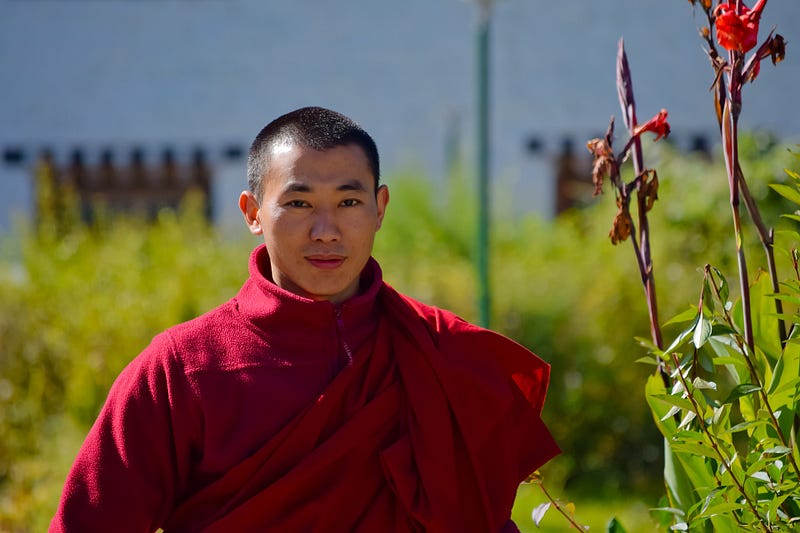
A man asked Gautama Buddha, “I want happiness.” Buddha said, “First remove “I,” that’s Ego, then remove “want,” that’s Desire. See now, you are left with only “Happiness”.
Okay, that’s a powerful quote for people like us because we want more and more to be happy.
We believe that our secret to happiness is money or wealth. But the more we get that, the more we want. Our thirst for ‘more’ never gets satisfied. Do you think this unquenchable thirst for ‘more’ will make us happy?
I don’t know. But I have seen people happy and satisfied in a mystery land named Bhutan. My short visit to Bhutan in June 2019 made me realize that you don’t need to be a billionaire to be happy. All you need is mindfulness and love for others.
Let’s see how this country of thunder dragon deals with happiness and what we can learn from them.
A Country of No Traffic Lights
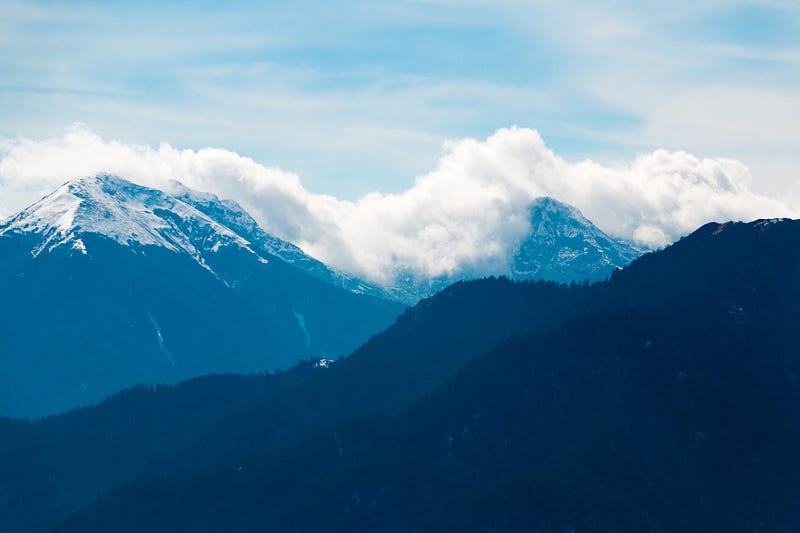
Bhutan has ten large cities and surprisingly has no traffic-lights in any of them. Not even its capital Thimpu has one. Moreover, you will never hear any traffic-horn anywhere in Bhutan as well.
This landlocked country of Eastern Himalayas in South-Asia is officially known as the Kingdon of Bhutan placed between India and China. This predominantly Buddhist nation has only 754,388 population in its 38,394 square-kilometer area.
I saw cars after cars passing by without making any noise. Bhutanese people, no doubt, love the serene environment and try to keep nature as pure as possible.
Bhutan’s Secret to Happiness
Why are Bhutanese people happy? There are thousands of reasons. Here, we will explore a few. And, this may help us to understand the secret behind their happiness.
1. Gross National Happiness (GNH)
Bhutan is the only country in the world that cares about Gross National Happiness (GNH). What is that? Gross National Happiness is a measure of economic and moral progress introduced by Bhutan in the 1970s as an alternative to gross domestic product.
This GNH is measured based on the four main factors. They are — good governance, sustainable development, preservation and promotion of culture, and environmental conservation.
Bhutanese government takes GNH into account while making any law for the people of Bhutan. Thus, the happiness of the Bhutanese people always gets high priority.
2. Care for the Natural World
Do you know, Bhutan preserves 60% of its land under forest cover as mandated in its constitution? Bhutan takes nature seriously.
Bhutan, being in the heart of the Eastern Himalayas, is absorbing carbon dioxide and saving the planet.
You’ll be surprised to know that in 2016, Bhutan’s King Khesar Namgyel Wangchuck and Queen Jetsun Pema celebrated the birth of their first child by planting 108,000 trees.
No doubt, why this greenest kingdom is the world’s only carbon-negative country.
3. Loving Culture and Religion
Bhutan is a predominantly Buddhist nation influenced by Buddhist values and principles. You will see monasteries and waving flags everywhere in Bhutan.
Buddhist-monks live in the monasteries, leading a simple life maintaining spirituality at its core.
Festivals are an integral part of Bhutan’s culture. The most prominent Bhutanese festival is tshechu, where people perform masked dances or chham.
Through festivals, Bhutanese people celebrate life and spirituality together.
4. Simplicity at Its Best
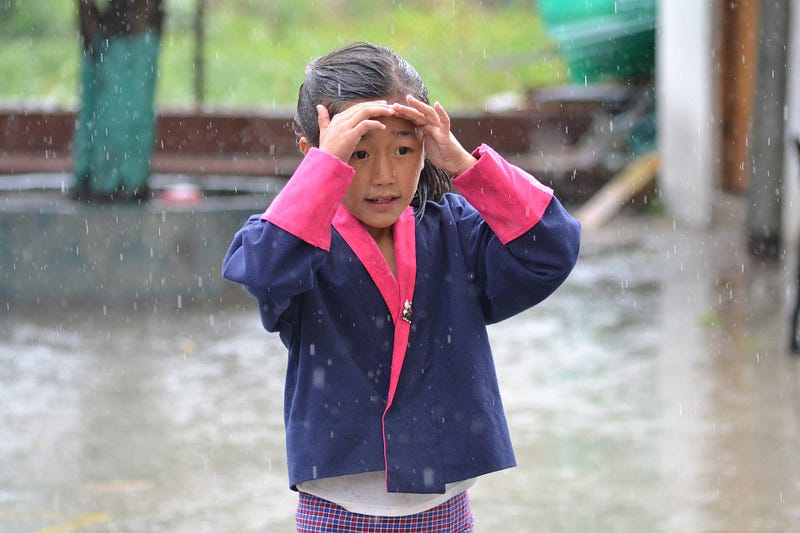
Bhutanese people are simple in their daily choices. They wear their traditional dresses known as ‘Gho’ (for men) and ‘Kira’ (for women).
Their foods reflect the same simplicity. They prepare their foods in earthenware and eat with hands sitting cross-legged on the floor. The national dish of Bhutan is known as ‘Ema Datshi’ consisting of spicy chilies and cheese.
Bhutanese people are simple, loving, and caring. They peacefully coexist with the natural world in great harmony.
5. Thinking About Death
Yes, it’s true. Bhutanese people contemplate death five times a day as a part of the Buddhist tradition. And, it helps them to be grounded and humble towards life.
Though it sounds awkward, this acceptance of death can help find peace and balance in life.
6. Free Education and Healthcare System
Bhutan has a free fundamental education and healthcare facilities for all citizens. Education in Bhutan includes both modern and monastic education.
Having free primary healthcare is a constitutional right for Bhutanese people. The health services also include both — modern and traditional medicines. Bhutan has 32 hospitals & 205 basic health units. Interestingly, there are no private medical practitioners or private hospitals in Bhutan.
Another interesting fact is teachers and doctors are the top paid civil servants in Bhutan.
7. The Focus on the Peace of Mind
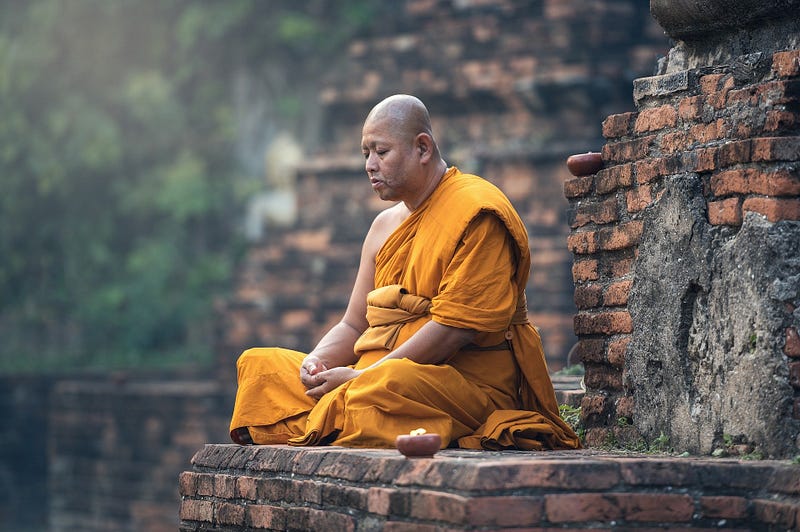
Bhutan focuses on the peace of mind rather than material wealth. Bhutanese people lead a healthy and spiritual life.
Meditation is an integral part of Bhutanese life. This helps them attain mental peace and harmony.
People in Bhutan are less ambitious and materialistic in nature. Therefore, they hardly feel stress and pressure.
8. They Don’t Care About TV or the Internet
Bhutanese people don’t care about TV or the Internet. Though the young generation is now getting interested in the Internet, they give priority to things like social connection, sports, and culture.
Young people in Bhutan have a passion for sports. Their national sport archery is hugely popular everywhere in Bhutan.
9. Kind Government
The kingdom of Bhutan’s first legal code stated that “if the government cannot create happiness for its people, there is no purpose for the government.”
The government of Bhutan keeps people at first. There is hardly any gap between royalty and general people.
We have seen that the government of Bhutan showed extraordinary leadership to keep its people safe from the COVID pandemic. Till now, there was no death recorded from COVID in Bhutan.
10. Restriction on Tourism
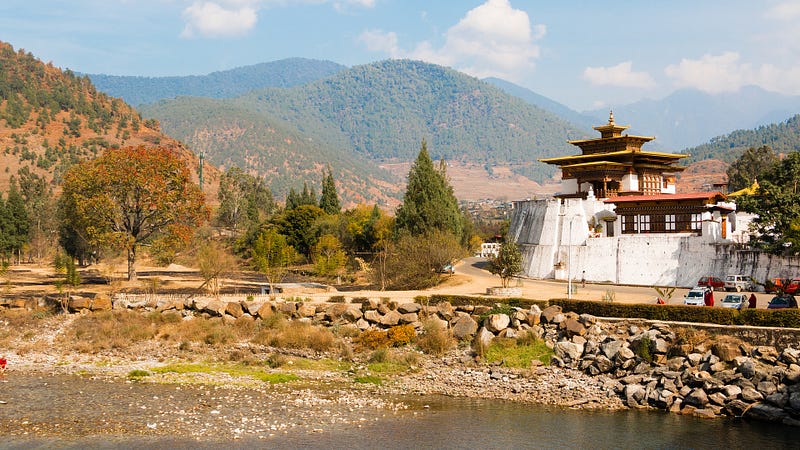
Bhutan has a ‘High Value, Low Impact’ tourism policy that allows a limited number of foreign tourists each year. Bhutan encourages sustainable — environmentally and ecologically friendly — tourism.
For international tourists(except SAARC countries), visiting Bhutan can be extremely expensive. A daily fee of anywhere between US$180 to US$290 per day imposed on every tourist by the government only to preserve the environment.
Moreover, you have to be a part of a Bhutanese tour group to experience Bhutan’s natural beauty and peace.
The Key Takeaways
We can take many lessons from Bhutan and its people to make our day to day life better. Let’s introduce the following things into our life.
- Emphasize mental wellbeing rather than material wealth.
- Lead a simple and meaningful life valuing own culture and beliefs.
- Focus on spirituality and peace of mind
- Be mindful of the people and the natural world.
- Give love to others and live with harmony.
Have a happy and beautiful life!
If you are an amazing person who cares about nature and the environment, you may find the following write-up important too.


